You pack for a June hike in Montana thinking about sunscreen and trail mix. You end up post-holing through knee-deep, wet snow in a whiteout, shivering in your shorts. That's the bizarre reality of a rare June winter storm in Big Sky Country. It's not just a weather oddity; for skiers, mountaineers, and even gardeners, it's a disruptive, fascinating, and sometimes dangerous reset button on summer.
These storms happen when a deep, cold trough of low pressure from Canada plunges south, colliding with the residual moisture from spring. The result? Temperatures at high elevations crash below freezing, and instead of rain, heavy, cement-like snow falls. It's a gift and a curse.
I've been caught in two of these over the last decade. Once, it was a magical bonus ski day. The other time, it was a tense, cold retreat off a ridge. The difference was preparation and a healthy respect for how quickly "summer" can vanish.
What You'll Find in This Guide
The Science Behind the June Freeze
Calling it a "winter storm" in June feels wrong, but meteorologically, that's exactly what it is. The key player is the polar jet stream. Normally in June, it's retreated far north, letting warmer air dominate. But sometimes, it gets wavy—a phenomenon linked to broader climate patterns like the Pacific Decadal Oscillation.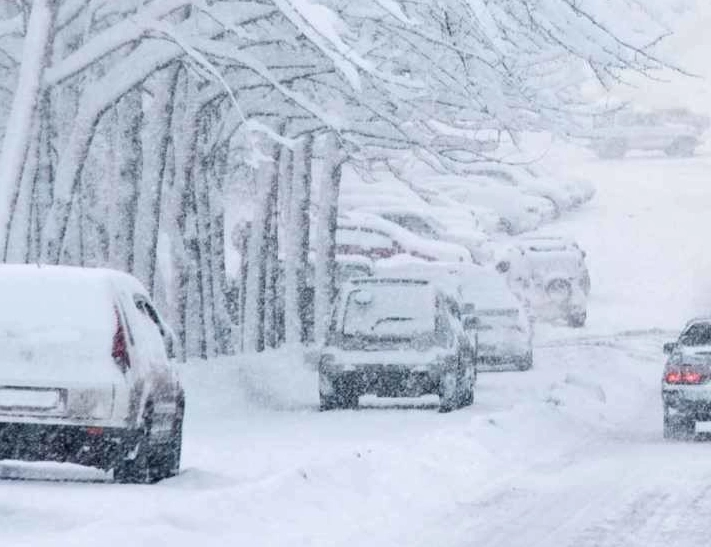
A deep dip (a trough) in this river of air can scoop up a chunk of Arctic air and send it screaming into the Northern Rockies. When that cold air mass overruns the relatively moist air sitting over Montana's mountains, the stage is set. The freezing level plummets from over 12,000 feet to near valley floors. Precipitation that would be a cold rain at 8,000 feet turns into snow.
The snow itself is different from mid-winter powder. It's dense, high in moisture content—what we call "Sierra Cement" or "Cascade Concrete." It sticks to everything: trees, roads, power lines. This weight is a major hazard.
Historical Context: Notable events include early June 2019, when parts of Glacier National Park saw over a foot of snow, and a memorable storm in June 1995 that dropped 20+ inches in the Beartooths. The National Weather Service in Great Falls or Missoula is the best source for tracking these developing patterns.
Impact on Summer Activities & The Skiing Question
This is where plans get turned upside down.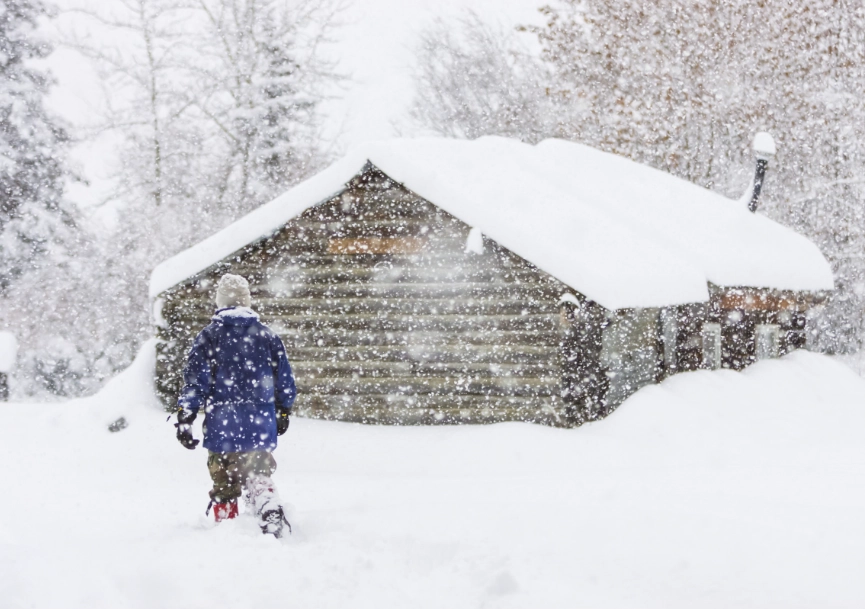
For Hikers and Campers: Trails above 7,000 feet become obscured, slippery, and dangerous. Stream crossings swell with meltwater. That idyllic alpine lake campsite becomes a snowy, exposed wind tunnel. I've seen backpackers have to abandon entire itineraries because a predicted "chance of showers" turned into 8 inches of accumulation overnight.
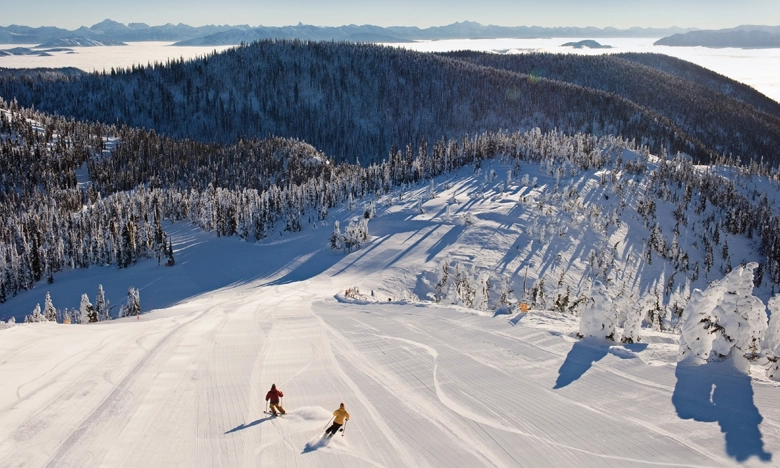
For Skiers: This is the holy grail and the headache. Montana's ski resorts—Big Sky, Bridger Bowl, Whitefish Mountain—are closed for the season. Their lifts are silent. So, you're talking strictly backcountry or very high-alpine ski mountaineering.
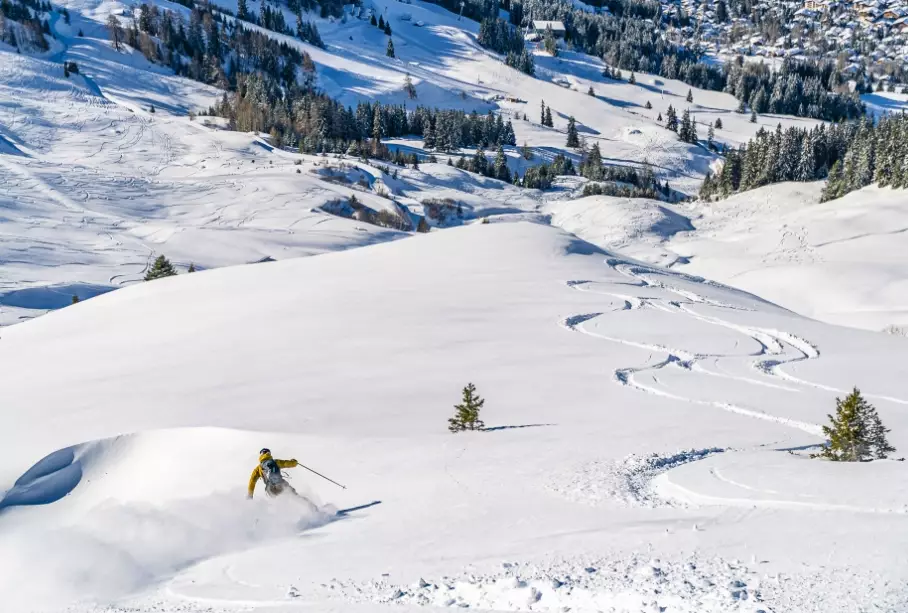
The allure is undeniable: fresh tracks in June, with wildflowers poking through the snow in the lower sections. But the snowpack structure is a nightmare. You have a thick, new, heavy slab sitting on a weak, faceted, and melting spring snow layer. Avalanche danger skyrockets to High or even Extreme for a short period during and immediately after the storm. The standard advice from the Gallatin National Forest Avalanche Center during such events is simple: stay off and out from under steep slopes.
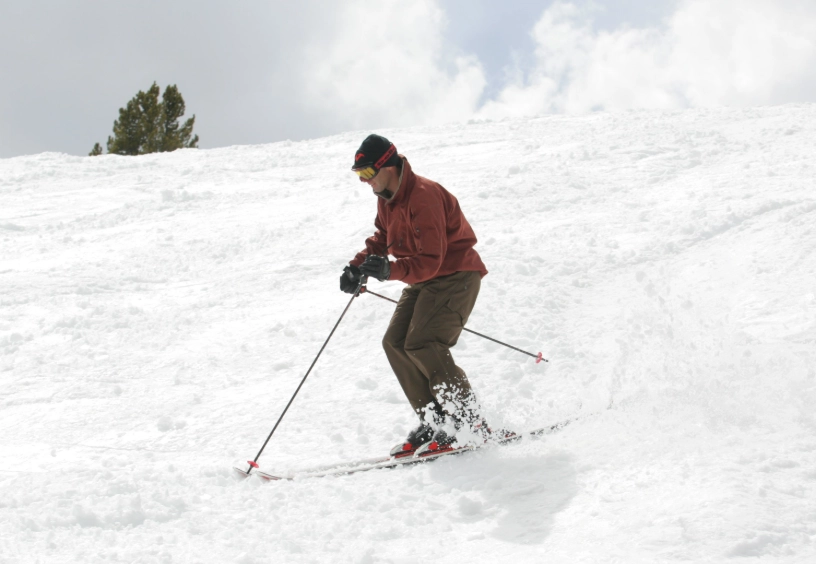
The window for safe, enjoyable skiing usually opens a day or two after the storm, once the new snow has had time to bond and stability improves. You're chasing corn snow on a refreshed base, which can be sublime.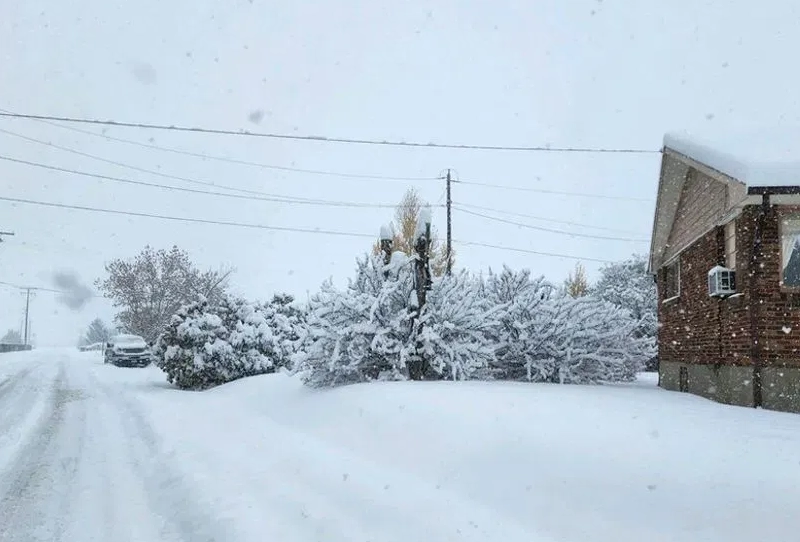
What This Storm Means for Specific Areas
Not all mountains are equal in a June storm.
>Epic high-altitude skiing terrain, but access is completely dependent on plowing. Extreme avalanche terrain.>Backcountry skiing on the Garden Wall or Reynolds Mountain becomes possible but involves complex glacier travel and park regulations.>Sidecountry access from the base areas can be tempting but is often on private land with no avalanche control. Trespassing is a real issue.>Popular early-season backcountry zones get a reset. High avalanche danger on the steep faces above treeline.| Area/Pass | Typical June Storm Impact | Key Consideration for Skiers/Hikers |
|---|---|---|
| Beartooth Highway & Plateau | Heavy snow accumulations (1-2+ feet). Road often closes temporarily. | |
| Glacier National Park (Logan Pass) | Significant snow, closing the Going-to-the-Sun Road. | |
| Big Sky Resort (Closed) | Upper mountain (Lone Peak) gets plastered. Lower mountain gets rain/snow mix. | |
| Hyalite Canyon & The Bridgers | Moderate to heavy snow at headwalls. Lower canyon gets rain. |
Safety and Gear Guide: Don't Get Caught in Shorts
This is the most important section. The mistake I see every time is people treating the forecast as a summer event. It's not.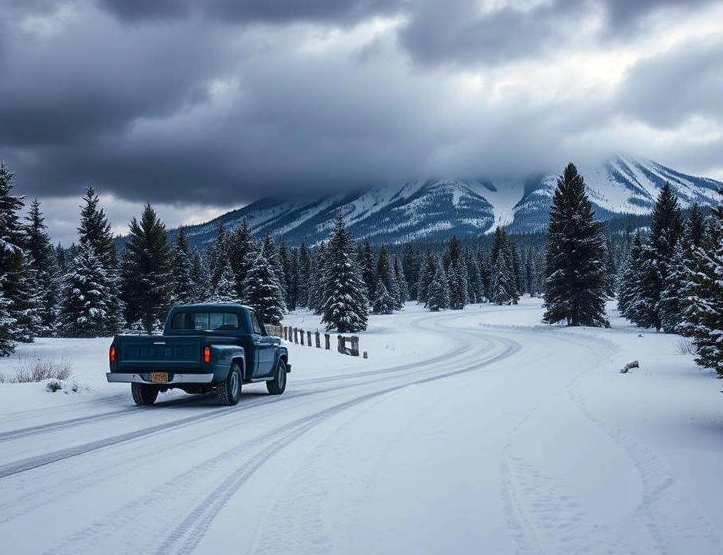
The #1 Killer in these situations is hypothermia. A 70-degree day drops to 30 with wind and wet snow. Cotton clothing becomes a death trap. You need to pack for two seasons.
Essential Additions to Your Summer Pack:
- Insulation Layer: A puffy jacket. Not a fleece—a real, packable down or synthetic insulated jacket. It stays in your pack 95% of June hikes. For that 5%, it's non-negotiable.
- Shell Layer: A waterproof and breathable rain jacket and rain pants. Snow will soak through softshells. The pants are crucial—keeping your legs dry is half the battle.
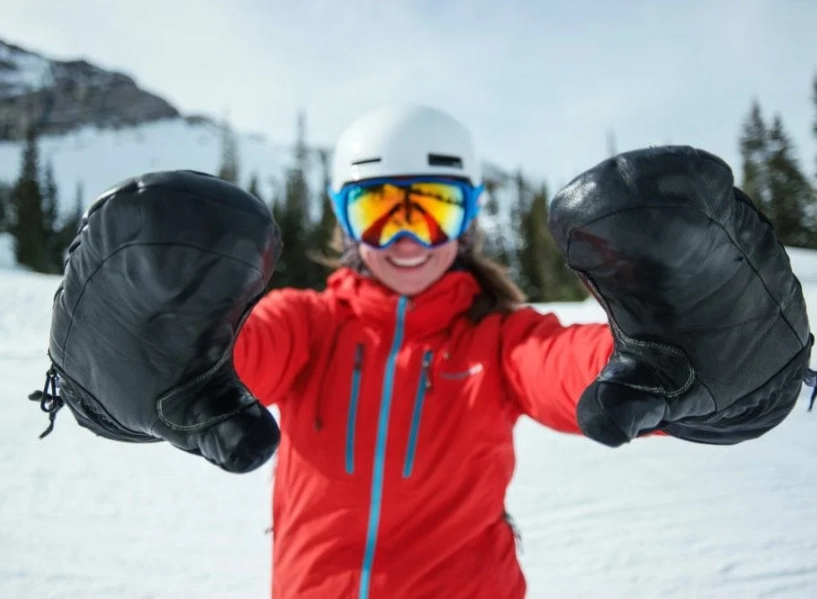
- Gloves and Hat: Heavyweight gloves and a warm beanie. Your summer cycling gloves won't cut it.
- Footwear: Waterproof hiking boots. Trail runners will leave you with frozen, wet feet. Consider gaiters if you expect significant snow travel.
- Navigation: GPS and a physical map/compass. Trails disappear under snow. Whiteout conditions are disorienting.
For the Aspiring June Skier: Your standard winter backcountry kit applies, but with extra emphasis on avalanche safety. This is not the time for conservative estimates. If the forecast says "High" danger, believe it. The snowpack is more complex than in February. Also, bring approach shoes—the bottom half of your "run" might be a muddy, snowy hike.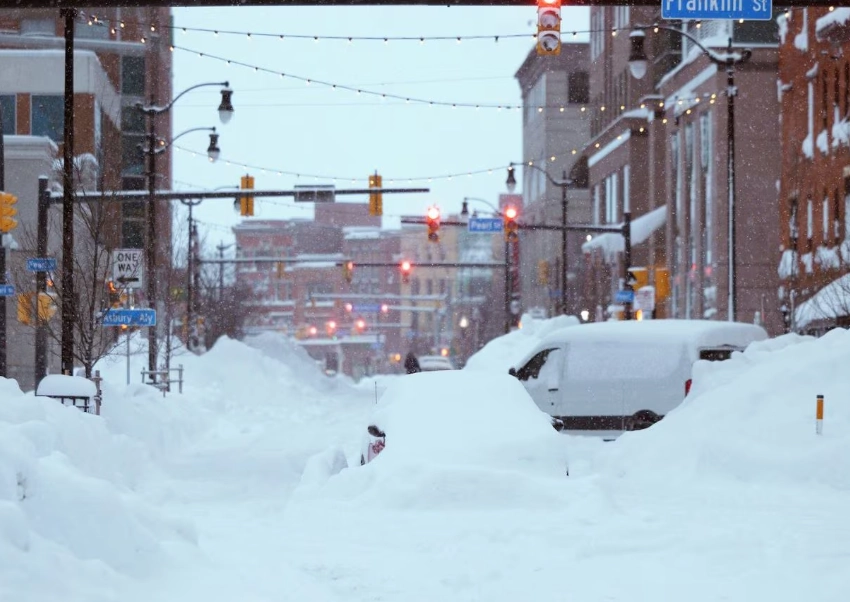
Planning a Trip Around the Anomaly
So, you want to chase or avoid this phenomenon? Here's how.
If you want to experience it (safely):
Monitor forecasts from the National Weather Service for terms like "cold trough," "wintry mix," and "snow levels lowering." Focus on areas above 8,000 feet. Have a flexible Plan B (like a hot springs visit or a valley-floor hike). Book accommodations with a good cancellation policy. My move is often to base in Bozeman or Cooke City and watch the radar, ready to pivot.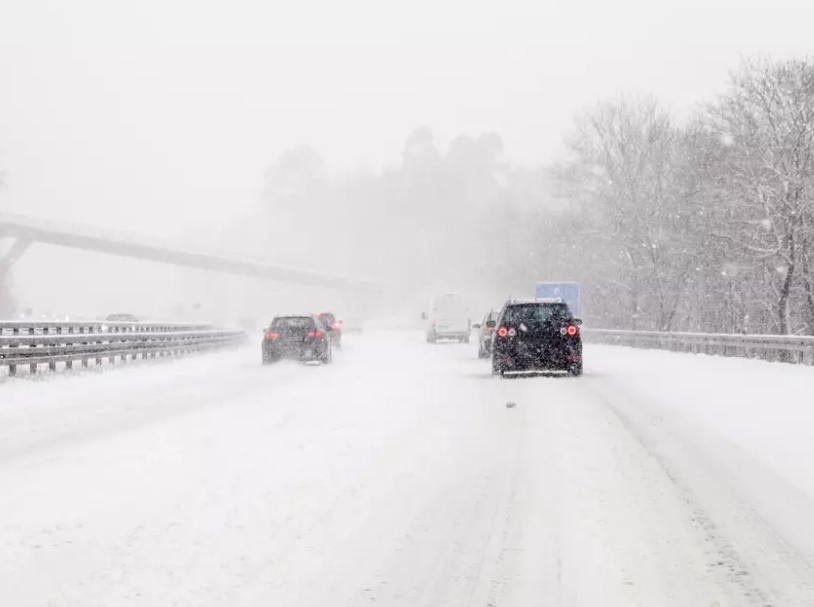
If you want to avoid it:
Stick to lower-elevation destinations in June—the Missouri River Breaks, the Bitterroot Valley floor, or historical sites like Virginia City. If you're set on the mountains, have indoor alternatives ready (museums in Bozeman or Missoula, brewery tours). Check MDT's 511 for road conditions constantly.
One pro-tip: the day after a June storm in the mountains is often the most spectacular of the year. Crisp, clean air, snow-dusted peaks against a deep blue sky, and roaring waterfalls from the melt. It's worth the hassle.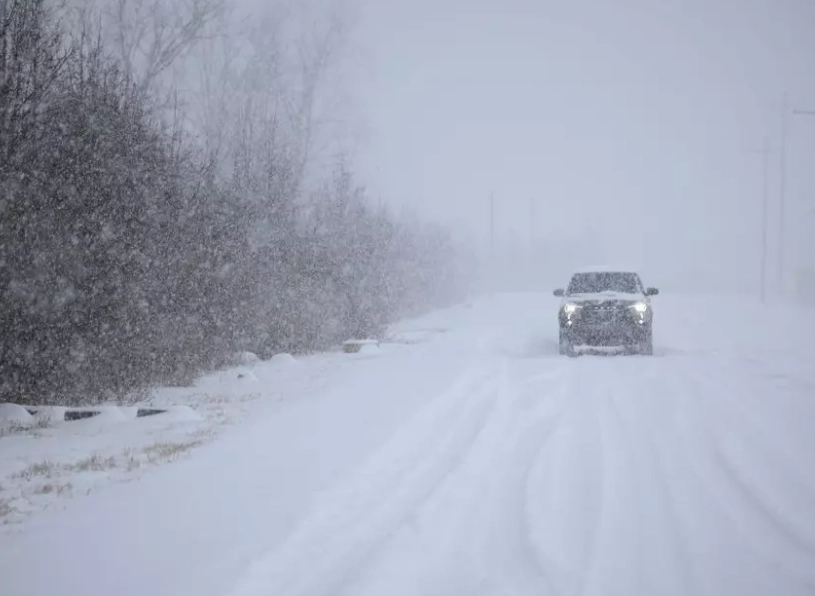
Your Questions, Answered
Related Articles

Comments
Join the discussion