Quick Navigation
- By The Numbers: Alpine Skiing's Dominance is Staggering
- Why Alpine Skiing Wins the Popularity Contest (The Top 3 Reasons)
- The Contenders: A Quick Tour of Other Skiing Types
- How to Choose YOUR Type of Skiing (A Decision Guide)
- Gear Deep Dive: What You Actually Need to Start
- The Final Run: Why This Question Matters
So you're asking the big question: what is the most popular type of skiing? You've probably seen pictures of people flying down snowy mountains, gliding through quiet forests, or doing crazy tricks in a terrain park. And you want to know where the crowd is. Where do most people put their skis? The short, no-nonsense answer is alpine skiing, also called downhill skiing. That's the king of the hill, no contest.
But just saying "alpine skiing is the most popular" feels a bit cheap, doesn't it? It's like saying pizza is the most popular food. Okay, sure, but why? What makes it tick? Why do millions of people choose to strap on those stiff boots, ride a lift up a mountain, and point their skis downward? And what about the other kinds—are they just niche hobbies for weirdos (like me, who also loves the quiet stuff)? Let's unpack all of that. We'll look at the cold, hard numbers, the feel-good reasons, and even some of the downsides. By the end, you'll not only know the most popular type of skiing, but you'll understand the whole landscape well enough to pick your own path.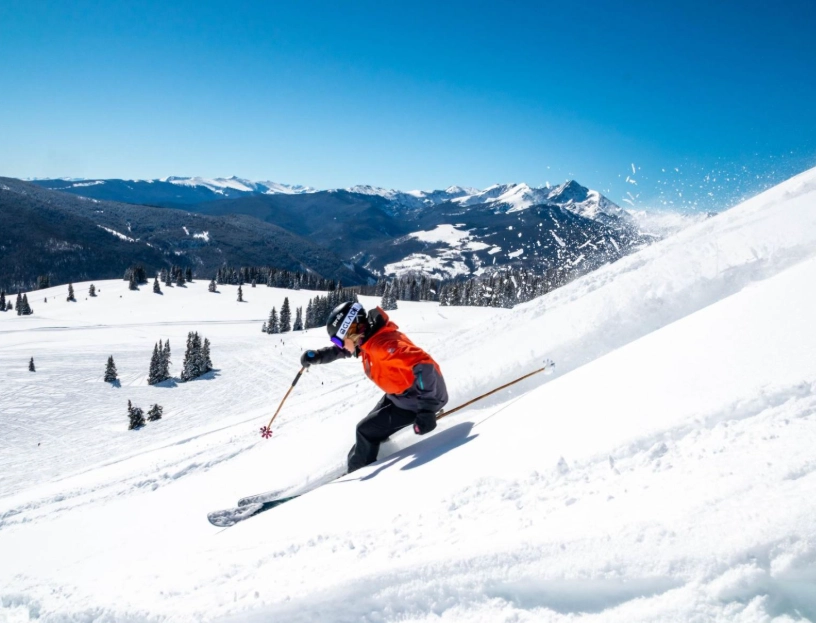
By The Numbers: Alpine Skiing's Dominance is Staggering
Let's talk data first, because feelings are one thing, but lift ticket sales and participation surveys don't lie. When we ask "what is the most popular type of skiing?", the statistics point overwhelmingly in one direction.
Look at the commercial ski industry. The vast, vast majority of ski resorts worldwide—think Vail, Whistler, the Alps in Europe, Niseko in Japan—are built for alpine skiing. They are massive economic engines. The National Ski Areas Association (NSAA) in the U.S., which represents downhill ski areas, consistently reports tens of millions of skier visits annually. In contrast, tracked data for cross-country ski centers is a fraction of that. The International Ski Federation (FIS), the governing body for Olympic skiing, has its deepest roots and largest audience in alpine disciplines. A glance at their event calendars and media coverage makes the focus clear.
Then there's cultural visibility. Pop culture, movies, and the Winter Olympics. When the average person thinks of "skiing," they imagine an alpine skier carving turns down a groomed run. The Olympics, arguably the world's biggest sporting stage, dedicates a huge portion of its skiing program to alpine events (Downhill, Slalom, Giant Slalom, etc.), cementing its image as the premier form of the sport. This visibility is a huge driver of popularity.
Why Alpine Skiing Wins the Popularity Contest (The Top 3 Reasons)
Its popularity isn't an accident. It's built on a few rock-solid pillars that appeal to a huge range of people.
1. The Thrill and Accessibility Combo
Alpine skiing delivers an immediate, adrenaline-fueled reward. The sensation of speed, the force of gravity doing the work, the visual spectacle of a mountain vista—it's an addictive package. But here's the crucial part: it's a thrilling sport that you can access relatively quickly as a beginner. You don't need to be supremely fit to take a beginner lesson on a gentle slope. The ski lift does the hard work of getting you up the hill. This low barrier to entry for experiencing a high thrill is a masterstroke. You can have a fun, exciting day on your first or second try, which keeps people coming back.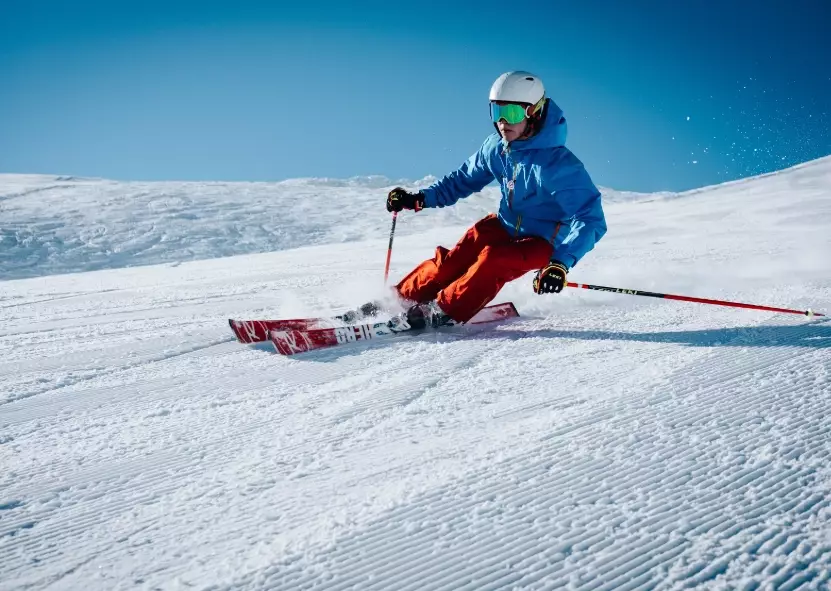
Cross-country skiing, by comparison, is brutally hard when you start. It's a full-body cardio workout where you have to earn every glide. The learning curve feels steeper, and the immediate payoff is less about thrill and more about quiet exertion. For the average vacationer looking for fun, alpine is the obvious pick.
2. The Resort Ecosystem: It's a Vacation, Not Just a Sport
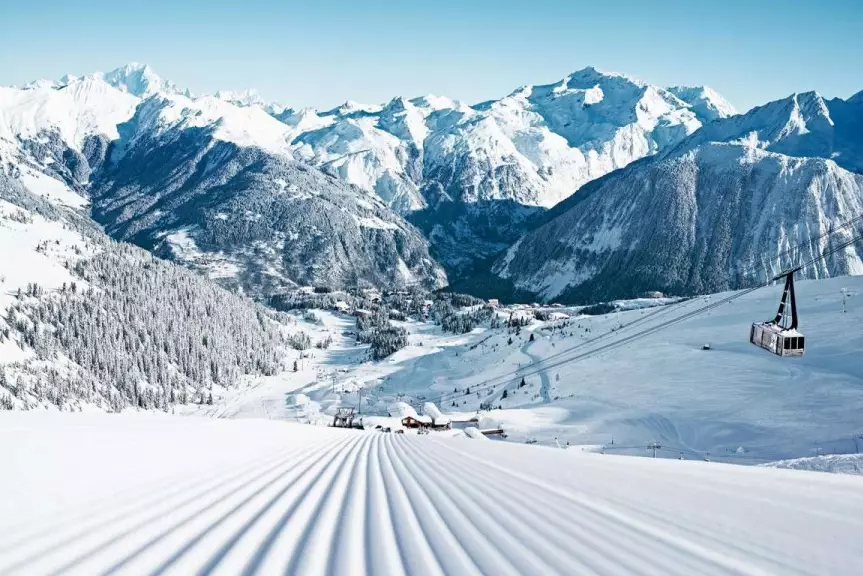
Alpine skiing isn't just a sport; it's the centerpiece of a massive vacation industry. The modern ski resort offers a complete package: lodging, restaurants, bars, spas, shops, and après-ski culture. You go for a week, you ski for 5-6 hours a day, and then you relax in a cozy village. It's a social, holiday experience that families, friend groups, and couples can all enjoy, regardless of whether everyone is an expert skier. This transforms skiing from a niche athletic pursuit into a mainstream leisure activity. The infrastructure is designed to cater to you, from magic carpets for beginners to high-speed gondolas for experts.
3. The Gear is Specialized (and Forgiving)
Modern alpine ski gear is a marvel of engineering that makes the sport easier and safer than ever. Shaped skis that practically turn themselves, boots that offer support and comfort, and binding systems that reliably release during a fall. This technological evolution has made learning faster and more enjoyable. The gear is also highly visible and marketable—new ski models, fancy jackets, high-tech goggles. It creates a culture and an identity around the sport that fuels its popularity.
So, when someone searches for "what is the most popular type of skiing?", they're often indirectly asking, "Where should I start?" And the answer, for 8 out of 10 people, will be alpine skiing at a local resort.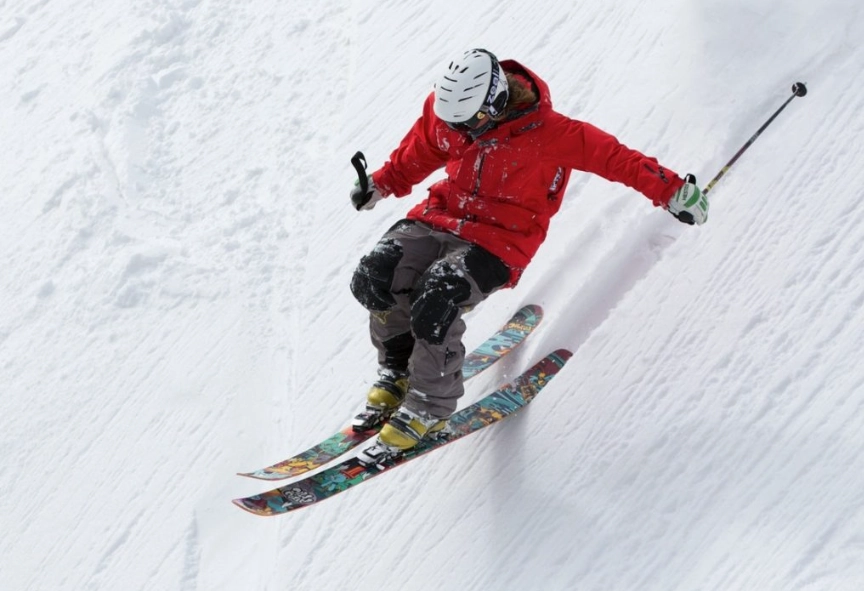
The Contenders: A Quick Tour of Other Skiing Types
To really understand alpine skiing's throne, we need to meet the competition. What are the other main types of skiing, and who are they for?
| Type of Skiing | Also Known As | The Core Experience | Who It's For | Popularity Scale |
|---|---|---|---|---|
| Alpine Skiing | Downhill Skiing | Riding lifts up, skiing groomed or off-piste trails down. Speed, carving, resort-based. | Beginners, families, thrill-seekers, vacationers, social skiers. | The Most Popular |
| Nordic Skiing | Cross-Country (XC) Skiing | Propelling oneself across flat or rolling terrain using skis with free heels. Endurance, tranquility, fitness. | Fitness enthusiasts, nature lovers, those seeking quiet & solitude. | Very Popular in specific regions (Scandinavia, Midwest US); niche globally. |
| Backcountry Skiing | Tourning, Ski Mountaineering | Using specialized gear to hike/skin up mountains under your own power, then skiing down untouched snow. Adventure, solitude, challenge. | Experienced skiers, mountaineers, avalanche-educated adventurers. | Growing rapidly in popularity, but still a small fraction of total skiers due to high skill/risk barrier. |
| Telemark Skiing | Tele Skiing | A style with a free heel where the skier drops into a lunging turn. It can be done in resorts or backcountry. A unique, flowing technique. | Technique purists, those wanting one setup for uphill/downhill (historically). | A dedicated niche within a niche. Less common today. |
| Freestyle Skiing | Freeskiing, Park & Pipe | Performing tricks, jumps, and spins on terrain park features (rails, jumps, halfpipes) or in natural terrain. | Younger skiers, gymnasts at heart, those inspired by the X Games. | Highly visible in media and youth culture, driving participation in alpine resorts. |
Looking at this table, you can see why alpine skiing is the answer to "what is the most popular type of skiing?". Its target audience is "everyone." The others are more specialized. Nordic is for the fitness-focused or peaceful explorer. Backcountry is for the expert adventurer. Freestyle is for the trickster. Alpine skiing casts the widest net by far.
I remember the first time I tried true backcountry skiing. After years of resort riding, I was humbled. The climb was exhausting, the snow was unpredictable, and the responsibility was immense. It was incredible, but it made me appreciate the easy, guaranteed fun of a resort day. They're almost different sports.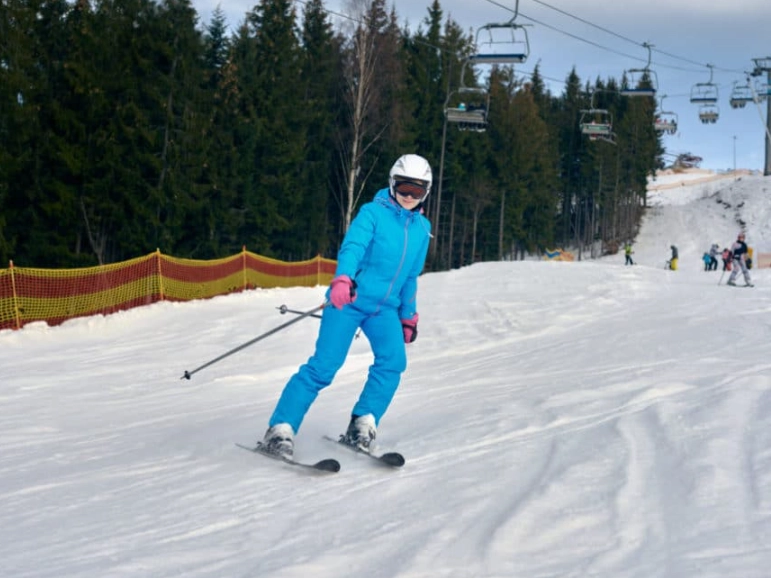
How to Choose YOUR Type of Skiing (A Decision Guide)
Okay, so alpine is the most popular. But is it right for you? Let's move beyond the raw numbers and figure out what suits your personality, goals, and wallet.
What's your fitness level? If you're just starting out and aren't training for a marathon, alpine skiing is kinder. If you're a runner or cyclist craving a winter cardio burn, Nordic might call your name.
What's your appetite for risk and learning? Alpine skiing on beginner slopes is low-risk. Backcountry skiing requires formal avalanche education and mentorship—it's a serious commitment. Be honest with yourself.
Social or solo? Do you want a group holiday with friends where you can meet for lunch? Alpine resort. Do you crave solitude and a deep connection with nature? Look at Nordic trails or (with training) backcountry zones.
Budget reality check. Alpine resort skiing is expensive. Lift tickets, rentals, lodging, food—it adds up fast. Nordic skiing has a lower ongoing cost (once you have gear, trail passes are cheap). Backcountry has a high initial cost for specialized safety gear (beacon, probe, shovel, backpack) and education.
My personal journey started with alpine, like most people. I loved it for years. Then I got curious, tried Nordic for fitness, and eventually got the training for backcountry. Now I enjoy all three for different reasons. Most people are perfectly happy staying with alpine—and there's absolutely nothing wrong with that. It's popular for a reason.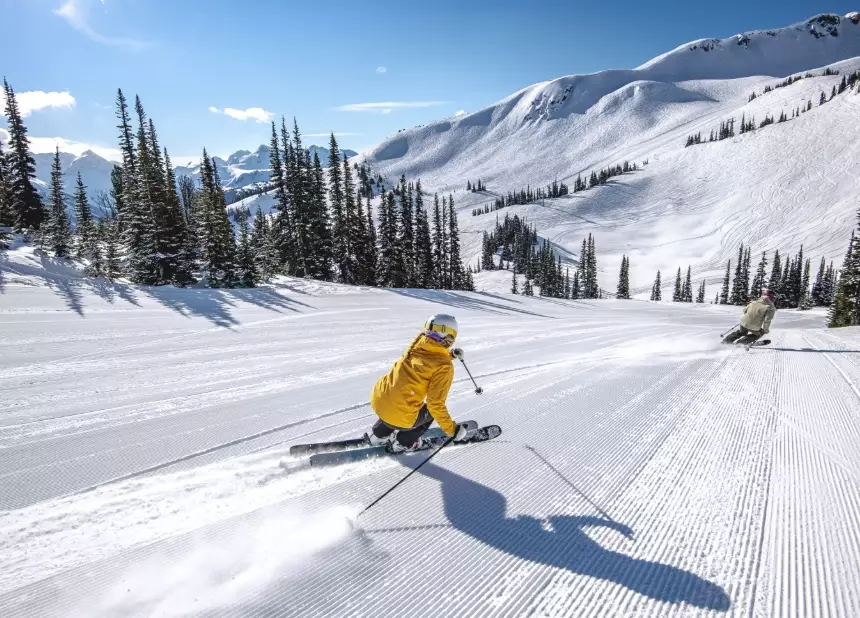
Gear Deep Dive: What You Actually Need to Start
Since alpine skiing is the most likely starting point, let's talk gear without getting lost in the weeds. You don't need to buy everything at first.
The Alpine Skiing Starter Kit (Rent First!)
Seriously, rent your skis, boots, and poles for your first few trips. It's cheaper and lets you try different setups. What you should focus on buying or having are:
- A Good Helmet: Non-negotiable. Don't use a used one. Get one that fits properly.
- Proper Eyewear: Goggles for snowy/windy days. Sunglasses with UV protection for bright, calm days. Your eyes will thank you.
- Functional Layers: Avoid cotton. Use a moisture-wicking base layer, an insulating mid-layer (fleece, down), and a waterproof/windproof shell jacket and pants. REI's layering guide is a fantastic resource here.
- Gloves or Mittens: Waterproof is key. Mittens are often warmer for beginners.
- Socks: One pair of thin-to-medium ski socks. Not thick hiking socks. Not two pairs.
The gear for other types is a whole other universe. Nordic skis are light and skinny with bindings that only attach at the toe. Backcountry skis are wider and have "skins" (sticky fabric) for climbing, along with bindings that free the heel for hiking and lock down for descending. It's complex, which is another barrier that keeps alpine skiing as the most popular and accessible gateway.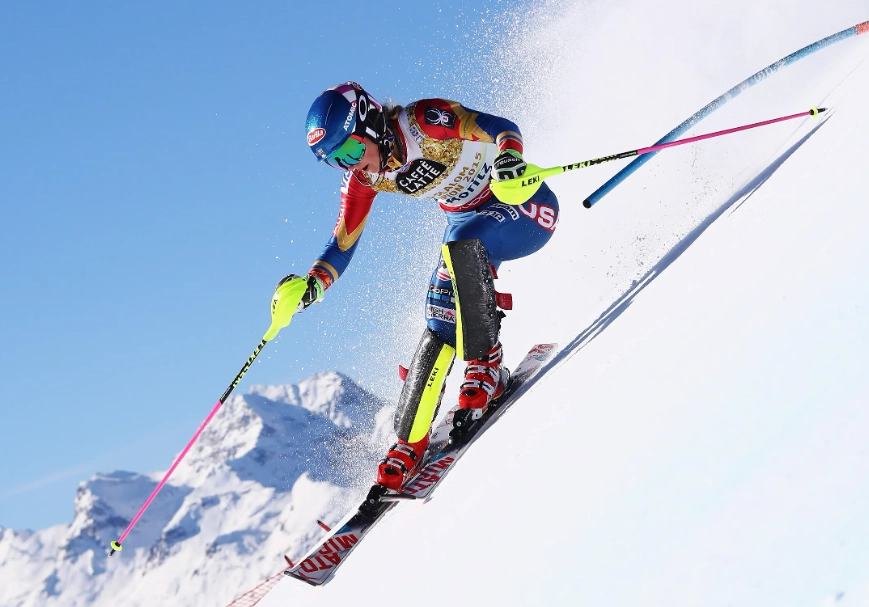
The Final Run: Why This Question Matters
At the end of the day, asking "what is the most popular type of skiing?" is really about finding your tribe and your joy on snow. Knowing that alpine skiing is the giant in the room gives you a logical, well-supported starting point. It's where the infrastructure is, where the lessons are refined, and where you're most likely to have a successful, enjoyable first experience.
But I hope this deep dive shows you that the world of skiing is wonderfully diverse. The popularity of alpine skiing funds the industry that makes all of this possible. It's the gateway. From there, you can go in any direction—deeper into the resort mastery, out onto the Nordic trails for peace, or into the mountains for the ultimate adventure after proper training.
So, what's next? If you're new, book a beginner alpine lesson at a local hill. Rent the gear, dress in layers, and give it a shot. You'll be experiencing the sport in the same way millions do every year. You might just find out why it's so popular. And who knows, maybe in a few years, you'll be the one researching avalanche transceivers and planning a backcountry tour, having started right here, wondering what is the most popular type of skiing.
The mountain is waiting.
Is alpine skiing the same as downhill skiing?
Yes, for all practical purposes, they are synonymous. "Alpine" is the more formal, all-encompassing term (encompassing all resort-based skiing), while "downhill" is the descriptive, common term for the primary activity.
What is the easiest type of skiing to learn?
For most adults, alpine skiing has the most forgiving initial learning curve. The equipment provides stability, and gentle, groomed slopes allow you to focus on basic maneuvers without also having to propel yourself. For young children, some argue that the balance and motion of cross-country skiing can feel more natural initially, but for the overall beginner experience (lessons, environment, immediate fun), alpine wins.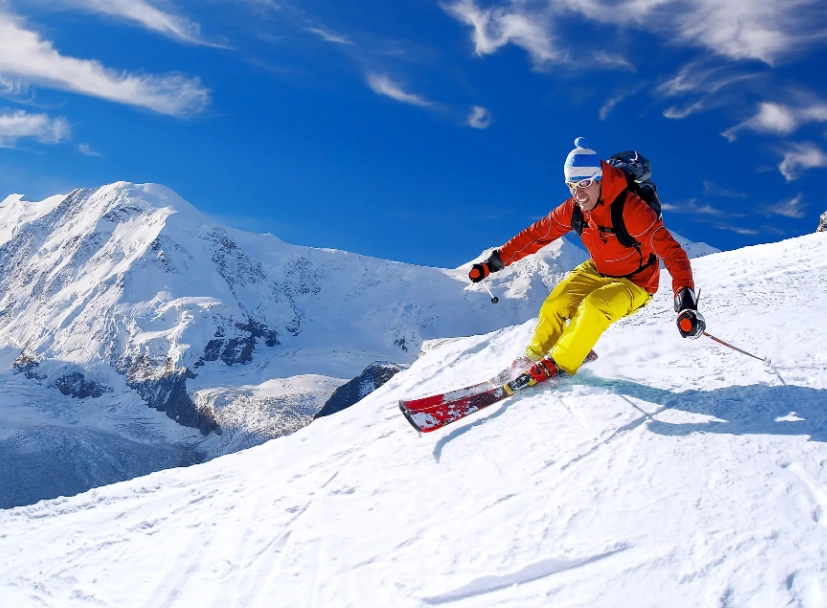
What is the hardest type of skiing?
This is subjective, but in terms of technical skill, fitness, and risk management, backcountry skiing is in a league of its own. It requires expert-level downhill skills, mountaineering knowledge, avalanche assessment skills, and immense physical fitness for climbing. A single mistake can have severe consequences.
Can I try different types of skiing at a regular resort?
Absolutely! Most major alpine resorts have a Nordic center for cross-country trails. Many also have dedicated terrain parks for freestyle skiing. The resort is the perfect testing ground. You can take an alpine lesson in the morning and rent some Nordic gear for a gentle trail in the afternoon. It's a great way to explore.
Is the most popular type of skiing also the best?
There's no "best." There's only what's best for you. Alpine skiing is the most popular because it's the most accessible and offers a complete package of fun, thrill, and vacation. But "best" depends on your personal definition of a perfect day on snow. Is it riding a powder stash in the silent backcountry? That's the best for some. Is it cruising groomers with friends under the sun? That's the best for others. Popularity doesn't equal superiority, just widespread appeal.
Related Articles

Comments
Join the discussion