What You'll Find Inside
Let's be honest. Walking into a ski shop or scrolling through endless online stores can feel overwhelming. You're hit with dozens of logos, each promising to be the best. Atomic, Salomon, K2, Rossignol, Nordica, Head, Fischer, Dynastar, Line, Armada... the list goes on. It's enough to make your head spin faster than a failed mogul run. Are you looking for the best ski brands for beginners, or are you a seasoned expert chasing powder stashes? The "best" brand doesn't exist in a vacuum. It's all about what's best for you.
That's why a simple list won't cut it. To really make sense of the market, you need to look at the different types of ski brands through a few key lenses. Some brands are massive, all-mountain powerhouses making gear for everyone. Others are niche players, hyper-focused on park rats or big-mountain chargers. Some prioritize cutting-edge racing tech, while others build their reputation on durability and value.
I've spent years testing gear, talking to shop techs, and making my own costly mistakes (buying overly stiff race skis as an intermediate was a painful lesson). This breakdown comes from that experience, not just a spec sheet.
How to Think About Ski Brand Categories
Before we dive into names, let's set the framework. You can slice up the world of ski brands in a few useful ways. Thinking about them like this will make your decision ten times easier.
By Market Position & Heritage
This is about the brand's history and core identity. It's the first layer of understanding.
- The Heritage Giants: These are the household names, often European, with histories stretching back decades, sometimes over a century. Think Rossignol, Atomic, Fischer, Head, and Elan. They have deep roots in World Cup racing and alpine tradition. Their strength is in refined, proven technology across a huge range of products. They're safe bets, but sometimes their sheer size can make them feel less "specialized" in extreme niches.
- The Modern All-Mountain Leaders: Brands like Salomon and Nordica fit here. They have strong racing pedigrees but have arguably done a better job in recent years translating that tech into accessible, high-performing all-mountain and freeride skis for the everyday enthusiast. Their QST and Enforcer series, respectively, are benchmark setters.
- The Freeride & Freestyle Pioneers: This is where the energy exploded in the 90s and 2000s. Brands like K2 (though also huge), Armada, Line, 4FRNT, and Moment built their reputations on wider skis, twin tips, and a focus on off-piste and park performance. They often have a stronger "culture" around them and aren't afraid to experiment with shapes and materials.
- The Boutique & Craft Specialists: Smaller operations focusing on specific niches. Black Crows (high-end freeride), ON3P (durable park/powder skis), J Skis (artist-designed, limited runs), and WNDR Alpine (sustainable materials) are examples. You pay more, but you often get unique designs, incredible build quality, and direct customer service.
See? Already, the landscape of types of ski brands starts to make more sense. You wouldn't go to a bespoke tailor for a cheap suit, and you wouldn't go to a massive department store for a one-of-a-kind art piece. The same logic applies here.
By Primary Ski Focus (The "What Do You Ride?" Test)
This is the most practical way to categorize them. Most brands develop a reputation for excelling in one or two areas, even if they make skis for everything.
| Brand Focus Category | What They're Known For | Typical Ski Profile | Go-To Example Brands |
|---|---|---|---|
| All-Mountain & Frontside Masters | Versatility, groomer performance, ease of use. The "do-it-all" workhorses for most skiers. | Waist widths 75mm-95mm, often with some rocker in the tip, traditional camber underfoot for grip. | Rossignol, Salomon, Head, Fischer, Blizzard |
| Freeride & Powder Champions | Float in deep snow, stability at speed in variable conditions, off-piste agility. | Waist widths 100mm-120mm+, significant rocker in tip and tail, often stiffer flex. | Atomic, Nordica, Black Crows, Moment, 4FRNT |
| Park & Pipe Specialists | Playfulness, durability for impacts, twin-tip design for skiing switch. | Twin-tip shape, medium flex (for butters and presses), symmetrical or directional twin design. | Line, Armada, ON3P, Faction |
| Hardcore Race & Carving | Ultimate edge hold, power transmission, precision on hard snow. Not for the faint of heart. | Very narrow waists (65mm or less), full camber, extremely stiff flex. | Stockli, Kastle, Head (WC series), Rossignol (Hero), Fischer (RC4) |
| Beginner & Intermediate Focused | Forgiveness, easy turn initiation, light weight to reduce fatigue. | Softer flex, often with early-rise rocker to prevent tip catch, manageable sidecut. | K2 (Mindbender series), Elan, many entry-level models from the major brands |
This table isn't absolute—Nordica's Enforcer is a freeride legend that carves incredibly well, and K2 makes fantastic all-mountain skis. But it gives you a starting map. When you hear a brand name, you can start to picture the terrain it's meant for.
Deep Dive: Breaking Down Major Players and Their Niches
Let's put some flesh on the bones. Here’s a closer look at what specific brands are really about. This is where personal opinion and experience come in—I’ll tell you what the general consensus is, and where I might have a slightly different take.
The European Powerhouses (Rossignol, Atomic, Fischer)
These brands are institutions. Rossignol might be the most recognizable name in skiing. Their strength is breadth and race-proven technology trickling down. From the ultra-aggressive Hero World Cup skis to the forgiving Experience series for intermediates, they cover it all. Their heritage is undeniable. Sometimes I find their skis can feel a bit "corporate" or safe compared to more daring designs, but you rarely go wrong.
Atomic is the other Austrian giant. For years, they were the "red ones" you saw on race courses. Their pivot into the freeride world with the Bent Chetler series has been wildly successful. The Bent Chetler 100 is arguably one of the most popular all-mountain skis of the last five years—light, playful, and surprisingly capable. They've managed to keep their racing edge (literally) while capturing the freeride spirit.
Fischer is the quiet engineer. Less flashy marketing, more focus on unique tech like their hollow Air Core or the Ranger series' 3D radius sidecut. Their RC4 race skis are legendary, and their Ranger series for off-piste is highly respected for its damp, powerful feel. They're a skier's brand—often appreciated more by those who value precision over hype.
The Modern Performance Standouts (Salomon, Nordica, Blizzard)
This group, for me, has been hitting it out of the park for recreational skiers.
Salomon’s QST line is a masterclass in modern all-mountain and freeride design. They feel energetic, easy to pivot in trees, yet stable when you point them down. I've put hundreds of days on various QST models, and they've never let me down. They also have the backing of the giant Amer Sports, which includes Arc'teryx, so their R&D is serious.
Nordica built a modern empire on the back of one ski: the Enforcer. It's the benchmark for a damp, powerful, charger-style all-mountain ski. Want a ski that plows through chop, holds an edge on ice, and inspires confidence at high speeds? The Enforcer is the first name that comes to mind. It's not the lightest or most playful, but it's a tank that gets the job done. Their new Unleashed series is an interesting move into a lighter, more accessible feel.
Blizzard, part of the same group as Atomic and Salomon, is criminally underrated outside of enthusiast circles. Their Brahma (all-mountain) and Rustler (freeride) series are consistently rated as top-tier by reviewers. They have a reputation for exceptional build quality and a very "solid" feel underfoot.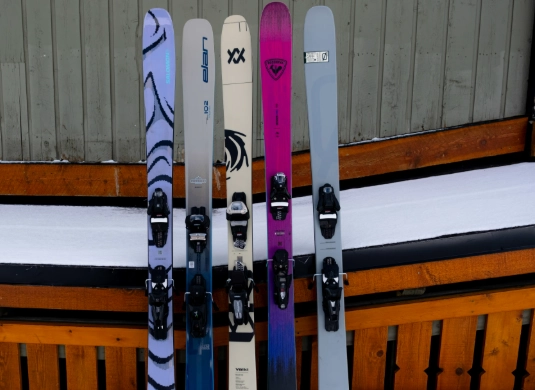
The Freeride & Culture Brands (Armada, Line, Faction, Black Crows)
This is where the soul of modern skiing often feels most vibrant. Armada was founded by pro skiers and it shows. Their ARV series is a park staple, and the Declivity is a fantastic all-mountain option. They understand skier style and movement intuitively.
Line is the playful sibling. Founded by the legendary Eric Pollard, their skis are often softer, more buttery, and designed for creativity. The Sick Day series is a great, forgiving all-mountain ski for those who like to smear turns and play around.
Faction has had a rollercoaster reputation—some legendary models, some quality control issues in the past—but they are undeniably cool and make skis for some of the world's best freeskiers. Do your research on the specific model year.
Black Crows is the success story of boutique branding. French, stylish, and expensive. Their skis are beautifully made and designed for serious off-piste performance. The Corvus and Atris are icons. You're paying for the design, the niche appeal, and the performance. Are they worth the premium over a similarly-specced Salomon? That's a personal value judgment.
The Boutique & Direct-to-Consumer Scene
This is a fascinating growth area. Brands like J Skis, ON3P, Moment, and WNDR Alpine sell primarily online, directly to you. The benefits? Often more unique shapes, incredible durability (ON3P is famous for being nearly indestructible), and fantastic customer service where you might actually talk to the founder.
The downside is you can't usually demo them easily. You're buying on reviews, specs, and faith. I took a chance on a pair of Moment Deathwishes years ago based on word-of-mouth, and they became my daily drivers for three seasons. The risk can pay off hugely.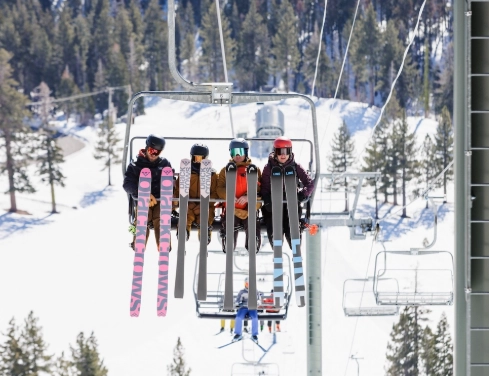
Matching Ski Brand Types to Your Profile
All this talk about types of ski brands is useless if it doesn't help you choose. Let's get practical.
If You're a Beginner or First-Time Buyer...
Your goal is forgiveness and progression. Avoid the fancy boutique brands and the hardcore race stuff.
- Look For: Brands with strong "easy skiing" technology. K2's Mindbender series with its "All-Terrain Rocker" is a great example—it makes turn initiation a breeze. Rossignol's Experience series, Salomon's S/Max, and Elan's Easy Switch system are all designed for you.
- Budget Matters: You don't need the top model. Look at the previous year's model from a major brand. You'll save 30-40% and get a fantastic learning tool.
- Key Question: Is the ski soft-flexing and does it have rocker in the tip to prevent catching edges? If yes, you're on the right track.
If You're an Intermediate Wanting to Explore More Terrain...
You're the biggest market, and brands fight for you. This is where the types of ski brands really diversify.
- The All-Mountain Cruiser: You ski groomers 80% of the time but want to try some easy trees or soft snow. Stick with the all-mountain specialists. The Rossignol Experience 86, Salomon QST 92, or K2 Mindbender 90Ti are perfect. They're stable, hold an edge, and won't punish small mistakes.
- The Aspiring Off-Piste Skier: You get excited on powder days and want to leave the corduroy. Look at the freeride-leaning all-mountain skis. The Atomic Bent Chetler 100, Armada Declivity 102, or Line Sick Day 104 will give you the float and playfulness you need without being too demanding.
If You're an Expert or Advanced All-Mountain Skier...
You know what you like. Now it's about fine-tuning.
- The Charger: You ski fast and aggressively, period. You want stability above all. Nordica Enforcer (94, 100, 104 Free), Blizzard Bonafide, Fischer Ranger 102. These are your tools.
- The Finesse Player: You value quickness, agility in tight spots, and a lighter swing weight. Salomon QST 106, Atomic Bent Chetler 120 (for deep days), Black Crows Atris. These skis are more about play than pure power.
- The Quiver-of-One Seeker: You want one ski that does 90% of things well. The Moment Deathwish (with its unique triple camber) or the 4FRNT MSP 99 are cult favorites for this exact reason. They have distinctive feels that enthusiasts swear by.
Beyond the Skis: Boots, Bindings, and the System Question
It's tempting to get obsessed with ski brands, but your boots are 10x more important for performance and comfort. Most major ski brands also make boots, but the landscape is different.
Boot Specialists Reign Supreme: Brands like Lange, Tecnica, Dalbelo, and Full Tilt are often considered the top tier. A great boot fit is non-negotiable. Visit a professional bootfitter, regardless of the brand they carry. They'll find the shell that matches your foot shape.
Some brands, like Salomon and Atomic, offer integrated systems where their bindings (like the Salomon/Atomic Warden or Strive) are designed to work perfectly with specific ski/boot combos. It's not a gimmick—the ski binding interface is optimized. It's worth considering if you're buying new everything.
Common Questions About Types of Ski Brands
The Final Run: Making Your Choice
So, after all this, how do you navigate the different types of ski brands? Stop looking for a single "best" answer. Start a process:
- Be brutally honest about your ability and where you ski most. (This is the hardest step).
- Use the categories above to narrow the field to 2-3 brands that focus on your niche.
- Identify 2-3 specific ski models from those brands that match your waist width and skill level. Resources like Blister Gear Review offer incredibly deep, unbiased model comparisons.
- DEMO IF POSSIBLE. Rent the exact models for a day. A ski that feels like magic to me might feel dead to you. It's the only way to know.
- If you can't demo, read multiple in-depth reviews, watch video reviews from trusted sources, and lean towards the more forgiving model if you're between two. It's better to have a ski you can grow into than one that intimidates you.
The world of ski brands is rich and varied because skiers are rich and varied. There's no single winner. There's only the perfect tool for the job—and the job is defined by your own legs, your own local mountain, and your own dreams of the perfect turn. Forget the hype, find your function, and the right brand will reveal itself.
Related Articles



Comments
Join the discussion