Stretching an almost unimaginable 7,000 kilometers (4,300 miles) down the western edge of South America, the Andes aren't just the world's longest mountain range—they're a continent-defining force. This isn't a single, monolithic wall of rock. It's a living, breathing tapestry of volcanoes, deserts, salt flats, rainforests, and glaciers spanning seven countries. I've spent years trekking different sections, from the arid altiplano of Bolivia to the jagged spires of Patagonia. Most guides just list facts. I want to give you the real, practical knowledge you need to plan a trip that's awe-inspiring, not overwhelming.
What's Inside This Guide?
Andes 101: More Than Just Length
Sure, the length is the headline. The U.S. Geological Survey confirms its status as the world's longest continental mountain range. But that number alone doesn't capture the scale. Think of it as the distance from New York to Berlin. Within that span, you get extremes.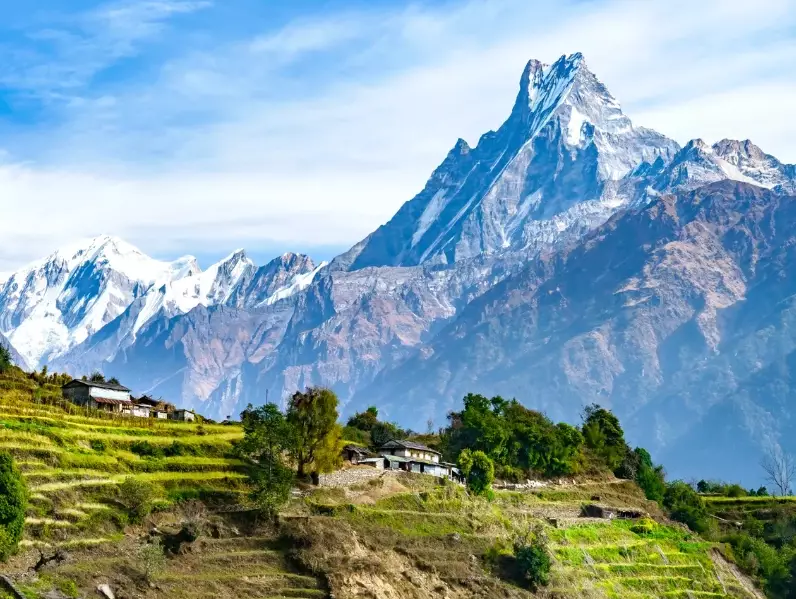
Key Facts at a Glance
Length: ~7,000 km (4,300 mi) | Width: 200-700 km (120-430 mi) | Highest Peak: Aconcagua, Argentina (6,961 m / 22,838 ft) | Countries: Venezuela, Colombia, Ecuador, Peru, Bolivia, Chile, Argentina.
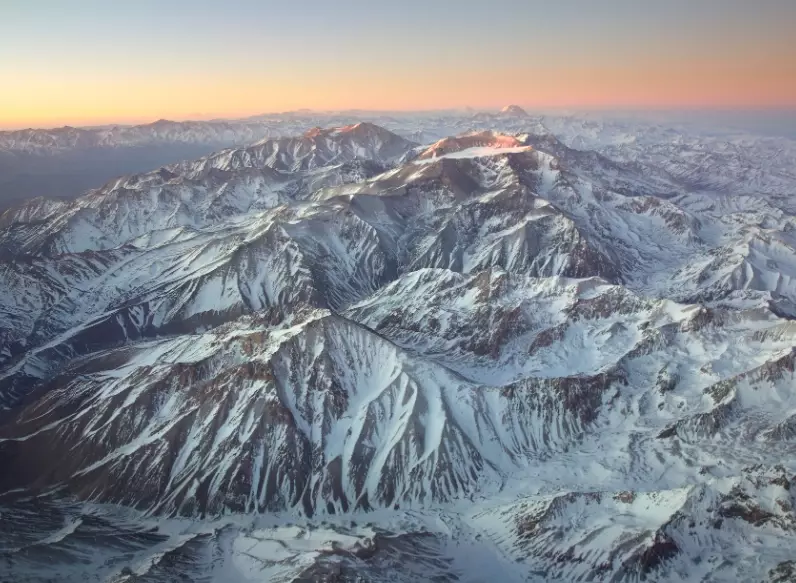
The range is young and volatile, born from the ongoing subduction of the Nazca Plate under the South American Plate. This tectonic drama means constant earthquakes and over 150 active volcanoes, mainly in the northern and central sections. It also created the altiplano, a vast high plateau in Peru and Bolivia that sits around 3,700 meters—higher than most ski resorts in the Alps.
This geographical drama dictates everything: climate, culture, and how you should plan your visit. The north is wet and volcanic, the center is high and dry with ancient cultures, and the south is a wind-swept land of ice.
Where to Go: Top Andean Destinations Broken Down
You can't see it all in one go. Choosing your section is the first big decision. Here’s a breakdown from a traveler's perspective.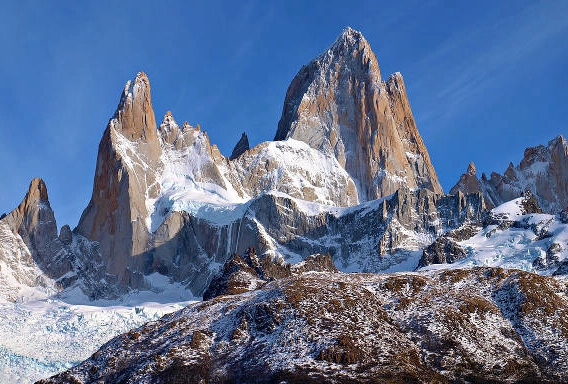
| Region & Country | Top Experiences & Destinations | Best For | Logistical Note |
|---|---|---|---|
| Central Andes (Peru, Bolivia) | Machu Picchu (Cusco), Inca Trail, Sacred Valley, Lake Titicaca (Puno/Copacabana), Uyuni Salt Flats, Cordillera Blanca (Huascarán National Park). | First-time visitors, culture/history buffs, iconic photography, classic trekking. | Most developed for tourism. Book Inca Trail permits 6+ months ahead. Acclimatization in Cusco (3,400m) is essential. |
| Southern Andes (Chile, Argentina) | Patagonia (Torres del Paine, Los Glaciares NP, Fitz Roy), Aconcagua climb, Lake District (Bariloche). | Hardcore trekkers, glacier viewing, dramatic scenery, remote wilderness. | Expensive. Weather is extreme and unpredictable. Book refugios/huts in Patagonia a year in advance for peak season. |
| Northern Andes (Ecuador, Colombia) | Avenue of the Volcanoes (Cotopaxi, Chimborazo), Quito's historic center, Ciudad Perdida trek (Colombia), Amazon gateway. | Volcano climbing, colonial cities, combining mountains with rainforest. | More compact, easier travel between sites. Great for shorter trips. |
Digging Deeper: Peru's Cordillera Blanca
Everyone talks about Cusco, but the Cordillera Blanca, a few hours north, is where serious mountain lovers go. Huaraz is the gritty base town. From here, you access Huascarán National Park, a UNESCO site. The Santa Cruz trek is a stunning 4-day classic, but the 10-12 day Huayhuash Circuit is legendary—and brutally tough. You're above 4,000m the entire time, with passes over 5,000m. The reward? Views of turquoise lakes and razor-sharp peaks with no crowds in sight. You need to be very fit and properly acclimatized. Don't underestimate it.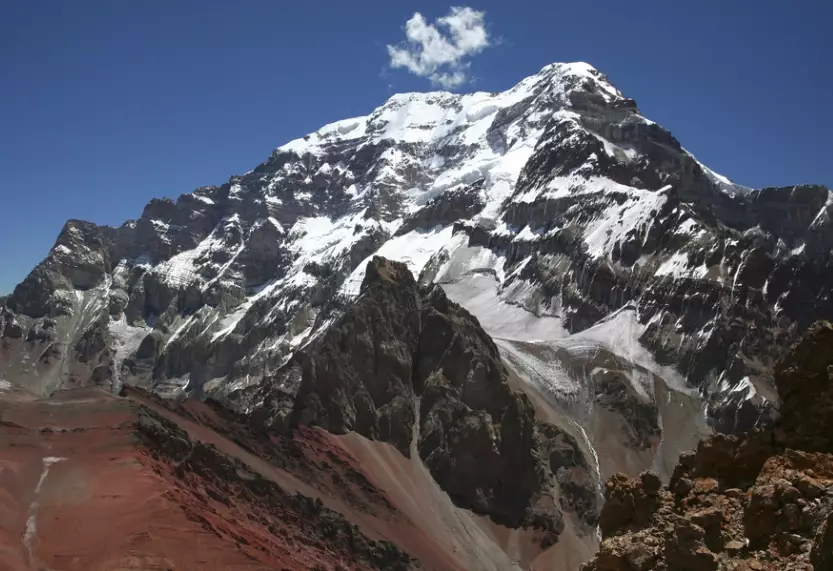
The Altiplano: Bolivia's High Desert
Flying into La Paz (3,650m) takes your breath away—literally. The city spills down a canyon bowl. From here, a 3-day jeep tour to the Uyuni Salt Flats is a rite of passage. It's not just the salt. You see colored lakes filled with flamingos, geysers at dawn, and rock trees sculpted by wind. It's cold, barren, and utterly surreal. A common mistake is rushing from La Paz to Uyuni without a night to adjust. You'll spend the first day of your tour with a pounding headache instead of enjoying the views.
Planning Your Andean Adventure: A Realistic Timeline
Here’s a sample 2-week framework focusing on the popular Peru-Bolivia circuit. This assumes you want a mix of culture, trekking, and unique landscapes.
Days 1-4: Acclimatize in Sacred Valley, Peru. Fly to Cusco but immediately drive 2 hours down to the Sacred Valley (around 2,800m). It's lower and easier on your body. Spend days visiting Pisac market, Ollantaytambo ruins, and doing light walks. This is your secret weapon against altitude sickness.
Days 5-7: Machu Picchu. Take the train from Ollantaytambo to Aguas Calientes. Visit Machu Picchu over two days if you can—one for the classic postcard shots, a second for a hike like Huayna Picchu or Machu Picchu Mountain for perspective. The afternoon of the second day is often less crowded.
Days 8-10: Lake Titicaca & Into Bolivia. Travel to Puno, take a boat to the Uros Floating Islands and Taquile Island. Then, cross the border to Copacabana, Bolivia. Visit Isla del Sol by boat. It's a slow, scenic transition into Bolivia.
Days 11-14: Uyuni Salt Flats Tour. Fly or take an overnight bus from La Paz to Uyuni. Book a 3-day/2-night shared jeep tour ending back in Uyuni or crossing into Chile. This is an adventure—basic accommodations, long bumpy rides, but sights you'll never forget.
This is a fast-paced itinerary. For a more relaxed trip, cut one region or extend your time.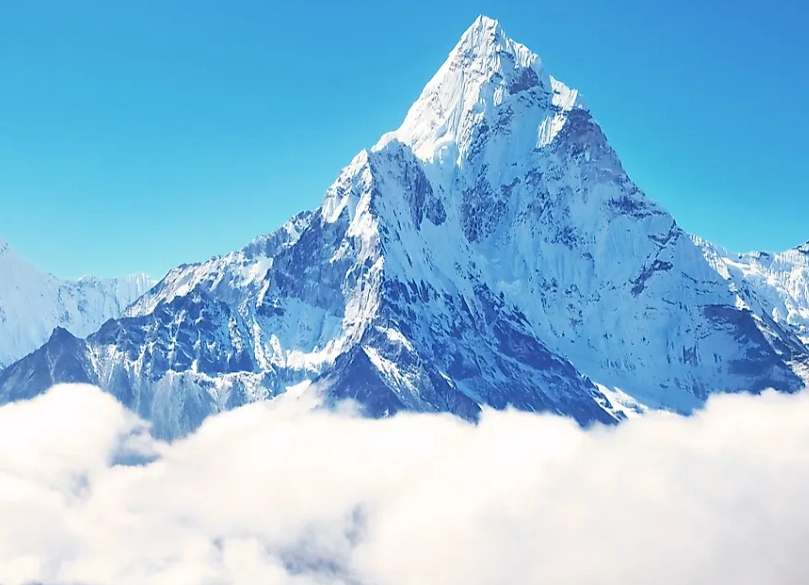
Expert Tips You Won't Find in a Brochure
After guiding trips here, I've seen the same mistakes repeatedly.
- Altitude is Your Real Adversary. It doesn't care how fit you are. The golden rule: "Climb high, sleep low." On multi-day treks, a daily ascent of 300-500m in sleeping altitude is a safe max. Drink 4-5 liters of water daily. Coca tea helps, but it's a mild stimulant, not a cure.
- Book Internal Flights with Local Airlines. LATAM is reliable, but check airlines like Sky Airline (Chile/Peru) or Amaszonas (Bolivia) for often cheaper fares on key routes like Cusco to La Paz or La Paz to Uyuni. It saves brutal 12-hour bus rides.
- Pack for Four Seasons in One Day. The sun at high altitude is fierce, the shade is freezing, and afternoon storms roll in fast. Layers are non-negotiable. A down jacket, a rain shell, a warm hat, and strong sunscreen are your core kit. Good broken-in hiking boots are worth their weight in gold.
- Carry Small Bills and Toilet Paper. Outside major cities, getting change for large bills is hard. Bathrooms in remote areas rarely supply TP. Keep a roll of your own and a stash of small denomination local currency.
One last thing: respect the local communities. Ask before taking photos of people. Buy handicrafts directly from artisans in markets. Learn a few basic phrases in Spanish (or Quechua in Peru). It changes the entire experience.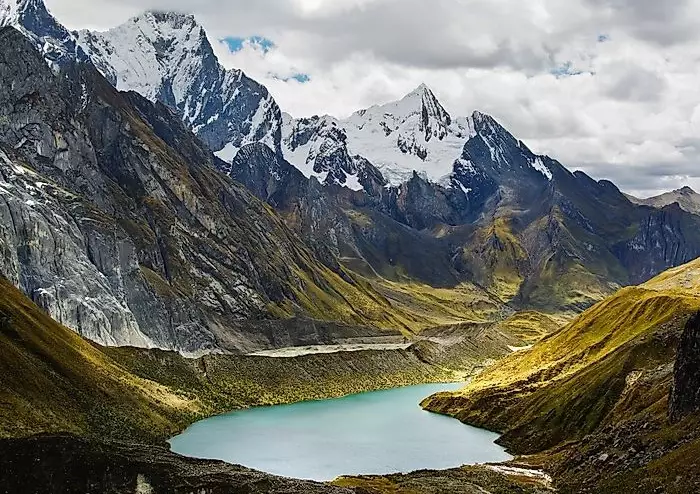
Your Andean Adventure Questions Answered
Related Articles


Comments
Join the discussion