Quick Navigation
- Alpine Skiing: The Gravity-Powered Thrill Ride
- Nordic Skiing: The Art of Self-Propelled Travel
- Head-to-Head: Alpine Skiing vs. Nordic Skiing
- Bridging the Gap: Other Styles that Blend the Two
- How to Choose: Which of the Two Main Types is Right For You?
- Answering Your Burning Questions (FAQs)
- Getting Started: Your First Steps
So you're curious about skiing. Maybe you've seen the Olympics, or your friends won't stop talking about their trips to the mountains, and you're wondering where to even begin. It can feel overwhelming. All that gear, the strange terminology, the different styles. Let's cut through the noise.
The very first thing you need to wrap your head around is the fundamental split in the skiing world. It's not just about going down a hill. The answer to the common query, "What are the two main types of skiing?", is simpler than you might think, but the implications run deep. We're talking about Alpine skiing and Nordic skiing. Downhill versus cross-country. Resort-bound versus backcountry-bound. They share a name and some basic physics, but in practice, they're almost different sports.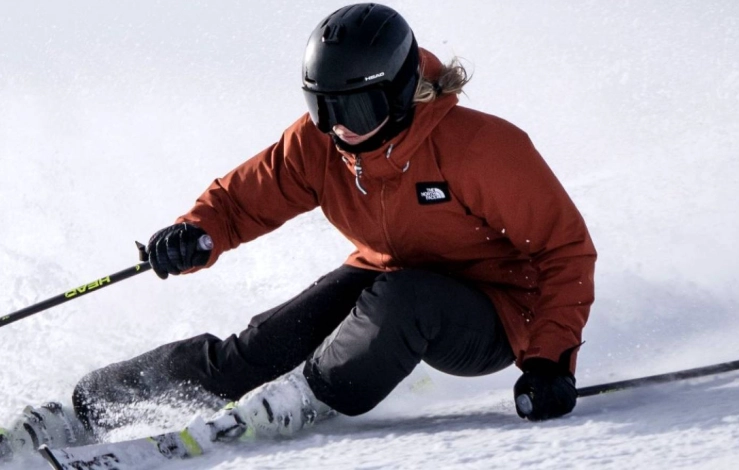
The Core Answer: The two main types of skiing are Alpine Skiing (what most people picture: riding lifts up and skiing down groomed or off-piste slopes) and Nordic Skiing (encompassing cross-country skiing on prepared tracks or untracked terrain, often involving your own locomotion). Everything else—freestyle, telemark, ski touring—typically branches off from these two trunks.
I remember my first time trying Nordic skiing after years of only doing Alpine. My brain short-circuited. The skis were skinny and flimsy-looking, the boots connected only at the toe, and the idea of having to provide my own uphill momentum was... a rude awakening. It was humbling, to say the least. But it opened up a whole new winter world.
Alpine Skiing: The Gravity-Powered Thrill Ride
When someone says "skiing," 90% of the time, this is what they mean. Alpine skiing is the king of the winter resort. It's built on a simple, beautiful premise: let a machine (a chairlift, gondola, or tram) do the hard work of getting you up the mountain, so you can focus all your energy on the pure joy and challenge of the descent.
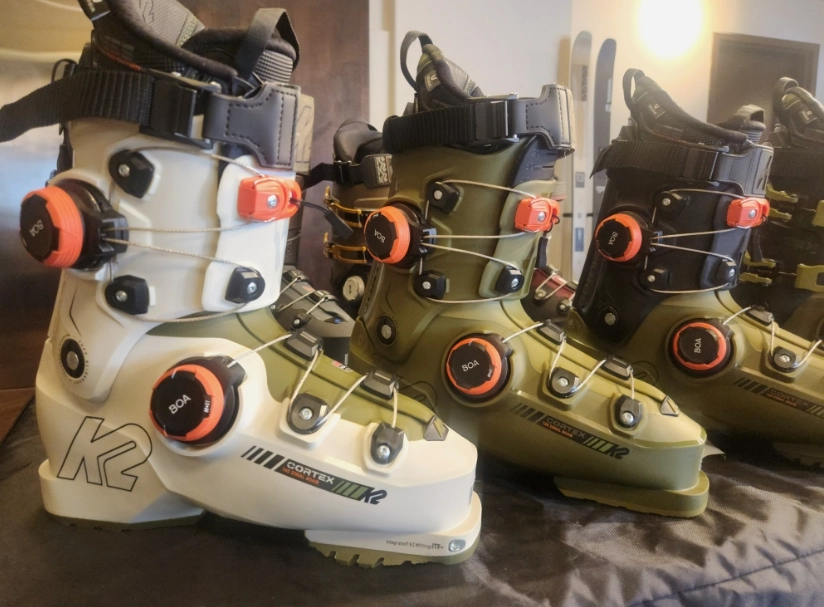
The gear is designed for control and power transfer at high speeds. Your entire foot is locked into a rigid, often uncomfortable (until you break them in) plastic boot. That boot is locked securely into a binding that only releases under extreme force to prevent injury. The skis are wide, stable, and have metal edges you can dig into the snow to carve turns.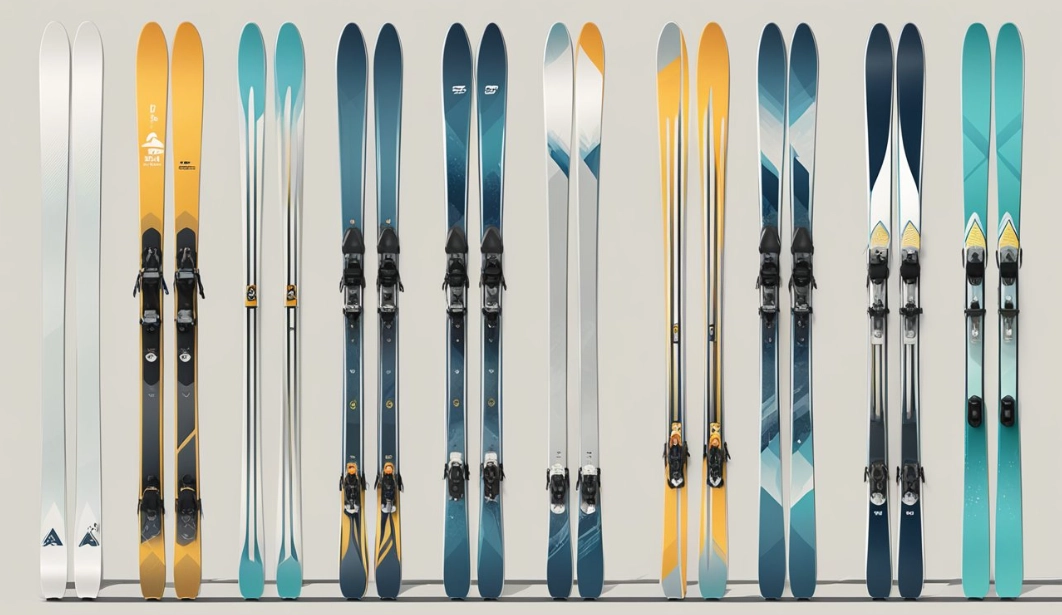
The Heart of the Alpine Experience: The Resort
Alpine skiing is inextricably linked to the ski resort ecosystem. This isn't a bad thing—it provides access, safety, and community. Resorts offer groomed trails ("pistes" or "runs") of varying difficulty, marked by a universal color system: green for beginner, blue for intermediate, red for advanced, and black for expert. There's also the growing world of off-piste and backcountry skiing accessed from resorts, which blends Alpine gear with elements of Nordic travel.
The culture is one of adrenaline, après-ski (the socializing after skiing), and often, significant expense. Lift tickets, gear rentals, lessons, and mountain lunches add up. It's a holiday sport for many.
My personal take? I love Alpine skiing for the sheer, unadulterated rush. There's nothing like the feeling of linking perfect carved turns on a crisp morning on an empty blue run. But I also find the cost can be a real barrier, and on crowded holiday weekends, the lift lines can suck the joy right out of it.
Sub-disciplines Within Alpine Skiing
Even within the Alpine realm, there's specialization. Your equipment and technique will shift slightly depending on what you want to do.
- Piste/Groomer Skiing: The bread and butter. Carving turns on machine-groomed snow. It's where most people start and many happily stay.
- Off-Piste/Powder Skiing: Venturing into the ungroomed snow beside the marked trails. Requires more skill and awareness of avalanche risk. Powder—deep, fresh snow—is the holy grail for many skiers.
- Freestyle: This is the terrain park domain—hitting jumps, rails, and halfpipes. Skis are typically twin-tipped (curved up at both ends) for landing backwards.
- Freeride/Big Mountain: Taking the off-piste mentality to extreme, steep, and often cliff-strewn terrain. It's the stuff of ski movies.
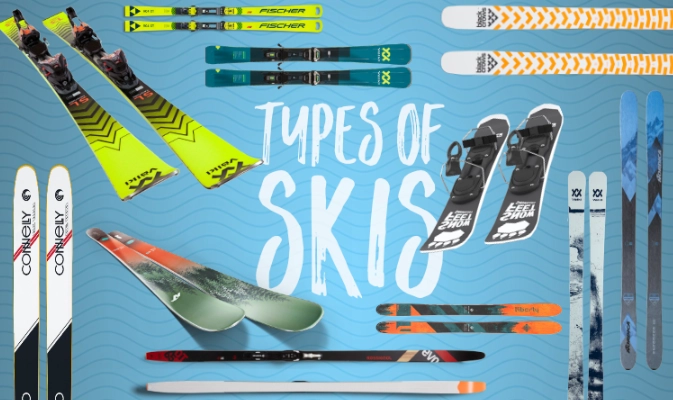
Nordic Skiing: The Art of Self-Propelled Travel
If Alpine skiing is a sprint, Nordic skiing is a marathon, a hike, and a meditation all rolled into one. Its roots are ancient, born from necessity as a mode of winter transportation in Scandinavia. Today, it's celebrated for its accessibility, low environmental impact, and incredible full-body workout.
The gear is light and minimalist. The boots are flexible, resembling sturdy hiking shoes, and they attach to the ski only at the toe with a binding that allows your heel to lift freely. This "free heel" is the defining mechanical difference. The skis are narrow and light, designed for gliding across the snow rather than slicing through it at high speed.
What are the two main types of skiing? Thinking about Nordic really clarifies the contrast. It’s the yin to Alpine’s yang.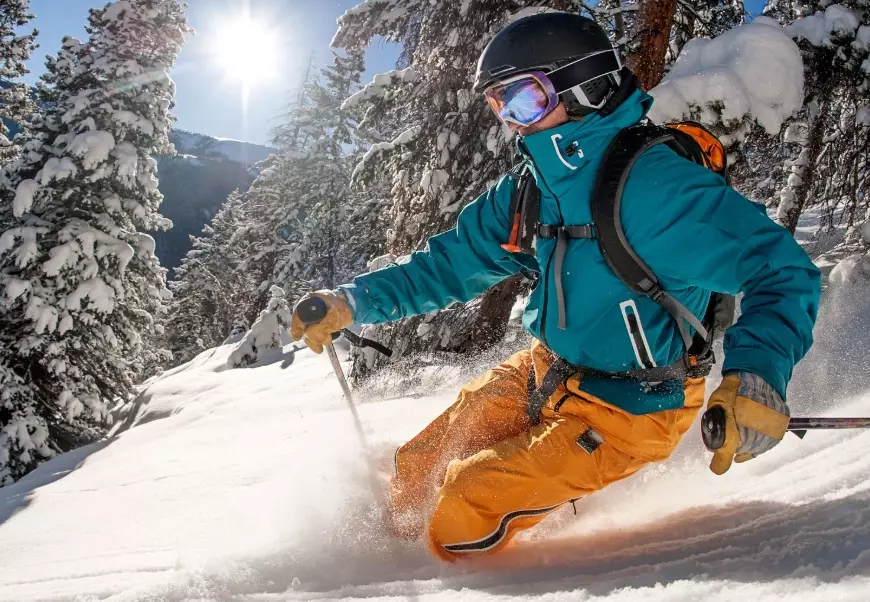
Classic vs. Skate: The Two Techniques of Nordic
Nordic skiing itself splits into two primary techniques, which require different gear and groomed track setups:
- Classic Skiing: The traditional, straight-ahead technique. It looks like walking or running on skis. You keep your skis parallel in set tracks groomed into the snow. The kick-and-glide motion uses a sticky wax or a textured "fishscale" zone underfoot to grip the snow during the push-off. It's intuitive, peaceful, and can be done almost anywhere there's flat snow.
- Skate Skiing: Born in the 1980s, this is the faster, more athletic cousin. It mimics ice skating or inline skating. Skiers push off the inside edge of each ski at an angle, propelling themselves forward on a wide, smooth, groomed lane called a skate lane. It's an intense cardio blast and has a steeper learning curve.
Quick Tip: If you're new to Nordic, start with Classic. The learning curve is gentler, and you can enjoy it on a golf course or a flat trail without needing a professionally groomed venue. Skate skiing almost requires a dedicated Nordic center with machine-set tracks.
Where You Can Do It (Hint: Almost Anywhere)
This is Nordic's biggest advantage. While Alpine skiing is tethered to mountains and multi-million dollar lift systems, Nordic skiing can happen in city parks, on golf courses, along frozen rivers, and in national forests. The barrier to entry is often just the cost of gear (which is significantly lower than Alpine gear) and a snowfall. Organizations like the Cross Country Ski Areas Association maintain directories of groomed trails, but you don't always need them.
It's a quiet, low-impact way to experience winter landscapes. You hear the snow crunch, the wind in the pines, your own breath. It's a different kind of thrill.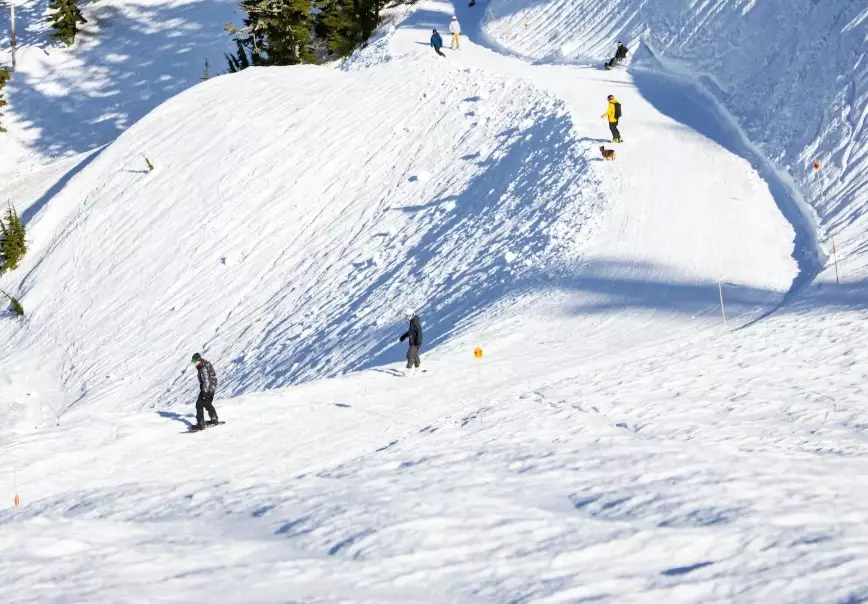
Head-to-Head: Alpine Skiing vs. Nordic Skiing
Let's break down the practical differences. This table should help visualize why asking "What are the two main types of skiing?" leads to such different answers.
| Factor | Alpine Skiing | Nordic Skiing |
|---|---|---|
| Primary Power Source | Gravity (lifts assist ascent) | Skier's own locomotion |
| Boot & Binding | Stiff boot, fixed-heel binding | Flexible boot, free-heel binding (toe only) |
| Ski Design | Wide, heavy, shaped for carving | Narrow, light, designed for gliding |
| Typical Terrain | Steep, downhill slopes at resorts | Flat to rolling terrain, varied locations |
| Physical Demand | Bursts of high intensity (legs/core) | Sustained cardio (full body: legs, arms, core) |
| Learning Curve (Basics) | Moderate to steep. Stopping and turning are imperative skills from day one. | Gentler for Classic. Basic forward movement is easy; mastering efficiency takes time. |
| Cost (Gear & Access) | High. Expensive gear, lift tickets are a major recurring cost. | Lower. Gear is cheaper, and trail passes (if needed) are a fraction of lift ticket costs. |
| Crowds & Atmosphere | Often social, bustling, can be crowded. | Generally quiet, solitary, or small-group oriented. |
| Best For... | Thrill-seekers, vacationers, those who love speed and technical challenge on descents. | Nature lovers, fitness enthusiasts, those seeking quiet winter exploration and a great workout. |
See what I mean? They solve different problems. Alpine is about mastering the descent. Nordic is about mastering movement across a landscape.
Bridging the Gap: Other Styles that Blend the Two
The world isn't perfectly binary. Several popular disciplines borrow from both main types, creating exciting hybrids.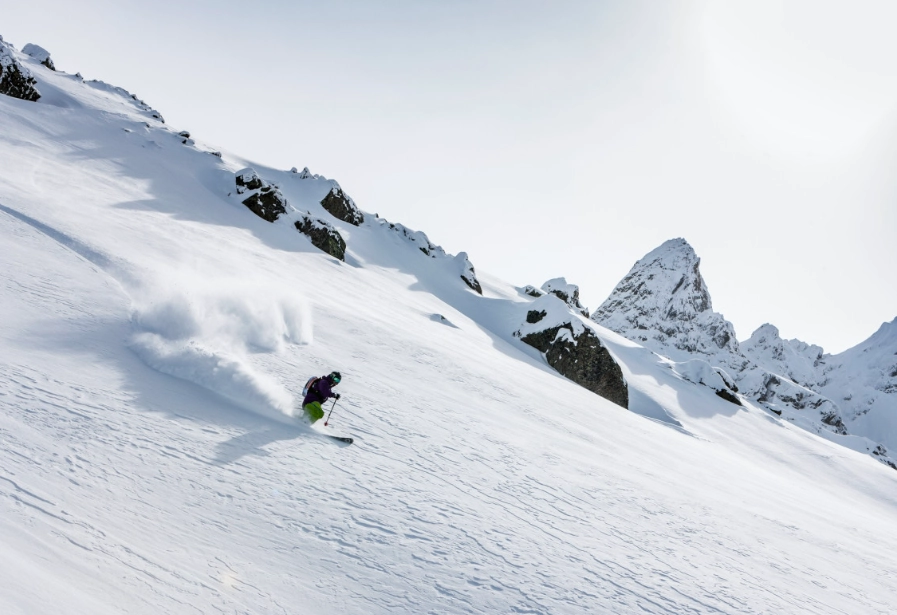
Telemark Skiing
This is the elegant, historical oddball. It uses Nordic's free-heel binding but on wider, Alpine-style skis. To turn, you drop into a graceful lunge, bending the knee of your downhill ski. It's incredibly fluid and stylish but notoriously difficult to master. It offers the uphill touring freedom of Nordic with a more Alpine-capable descent. Aficionados are a passionate bunch.
Backcountry Touring (Alpine Touring / AT)
This is arguably the fastest-growing segment. Skiers use special Alpine-style boots and bindings where the heel can unlock for the ascent (like Nordic) and lock down for the descent (like Alpine). They attach "skins"—sticky, fuzzy strips—to the ski base for grip going uphill. This allows you to climb a mountain under your own power and then ski down pristine, untracked snow, far from the lifts. It requires serious knowledge of avalanche safety and route-finding. Resources from the American Avalanche Association are essential reading before you even think about stepping into the backcountry.
Ski Mountaineering
Take backcountry touring and add technical climbing, often involving ropes, ice axes, and crampons, to access ultra-steep, high-altitude lines. It's the extreme end of the spectrum.
Important Safety Note: Any skiing outside a managed resort boundary (backcountry, sidecountry) involves inherent and serious avalanche risk. Proper education (take an AIARE or equivalent course), essential gear (beacon, probe, shovel), and never going alone are non-negotiable. The thrill is not worth your life.
How to Choose: Which of the Two Main Types is Right For You?
Still on the fence? Ask yourself these questions. Your answers will point you in the right direction.
- What's your fitness level? Nordic is a phenomenal overall workout. Alpine requires strong legs and core but in shorter bursts. You can be a couch potato and still enjoy a beginner Alpine lesson (you'll be sore later, though). Nordic will humble you quickly if you're not in shape.
- What's your budget? Be honest. Alpine skiing is a premium-priced hobby. Nordic is far more accessible. You can rent Nordic gear for a season for the price of a couple of Alpine day tickets.
- What's your location? Do you live near mountains with resorts? Or are you in a flatter area that gets snow? Your geography might make the decision for you.
- What's your personality? Do you crave adrenaline, speed, and a social scene? Lean Alpine. Do you value tranquility, nature connection, and a personal endurance challenge? Lean Nordic.
- What are your goals? Is it a fun family vacation activity? Alpine resorts are built for that. Is it a way to stay fit and sane all winter long? Nordic is your year-round winter running replacement.
You know what? Try both. Seriously. A single beginner lesson in each will tell you more than any article. Many Nordic centers offer cheap rental-and-lesson packages. A resort beginner package ("Ski School 101") is the standard Alpine entry point.
Answering Your Burning Questions (FAQs)
Which is easier to learn, Alpine or Nordic skiing?
This is tricky. The very first steps of Classic Nordic skiing are easier. Putting on the skis and shuffling forward is intuitive. The basic survival skills of Alpine skiing—snowplow (pizza) to slow down and stop—are more critical and can feel less natural initially. However, to become truly proficient and efficient, both have deep, lifelong learning curves. For pure, immediate "I'm not going to kill myself" accessibility, Classic Nordic gets the edge.
Which is better for fitness?
Nordic skiing, and it's not even close. It's consistently ranked as one of the best cardiovascular workouts on the planet. It engages your arms, shoulders, core, and legs in a rhythmic, low-impact motion. Alpine skiing is fantastic for building leg strength, balance, and core stability, but the lift-assisted nature means it's intermittent exercise unless you're racing down non-stop. An hour of hard skate skiing will burn more calories than an hour on the Alpine slopes for most people.
Can I use Alpine gear for cross-country?
No. Just don't. The boots won't allow your heel to lift, the skis are far too heavy and wide, and you'll have a miserable, impossible time. They are tools for completely different jobs. It's like trying to use a mountain bike on a road race.
What about other winter sports like snowboarding?
Snowboarding is a cousin to Alpine skiing—it exists within the same resort ecosystem, uses the same lifts, and shares the same fundamental gravity-powered premise. It's not a third "type" of skiing; it's a different sliding sport entirely. When we talk about the two main types of skiing, we're specifically referring to disciplines that use two skis and poles, rooted in the mechanical differences between fixed-heel and free-heel systems.
Is one more environmentally friendly than the other?
Generally, yes. Nordic skiing has a much lower impact. It requires minimal infrastructure (sometimes just a trail groomer), no snowmaking or massive energy-guzzling lifts, and encourages travel within natural landscapes with a light touch. Alpine resorts have a significant environmental footprint through energy use, water consumption for snowmaking, and land development. That said, the industry is aware, and many resorts are making strides in sustainability, using renewable energy and advocating for climate action. Organizations like the National Ski Areas Association have robust sustainability initiatives.
Getting Started: Your First Steps
Okay, you're convinced to try one (or both!). Here's a no-nonsense action plan.
For Alpine Skiing:
- Book a Lesson: Do not try to self-teach or have a friend "show you the ropes." A certified instructor from the Professional Ski Instructors of America (PSIA) will teach you safe stopping and turning fundamentals in a way that builds confidence.
- Rent Gear: Rent from the resort or a nearby shop. They'll set the bindings correctly for your weight and skill level—a crucial safety step.
- Start on the Green Circle: Ignore your ego. Spend your first day(s) on the easiest slopes mastering control.
For Nordic Skiing (Classic):
- Find a Nordic Center or Park: A place with groomed tracks and rentals is ideal for your first time.
- Get the Right Gear: Rent "Classic" skis, boots, and poles. The staff can usually set you up with "waxless" skis (with fishscales) which are foolproof for beginners.
- Watch a Short Video or Get a Quick Tip: The basic "kick and glide" motion is simple. A staff member can show you in 2 minutes. Then just go. Focus on relaxing and finding a rhythm.
The two main types of skiing, Alpine and Nordic, offer two distinct doorways into winter. One leads to a world of high-speed descents and mountain resort culture. The other leads to a world of peaceful, self-powered exploration and profound fitness. Understanding "what are the two main types of skiing" is the first step to discovering which winter path calls to you. Maybe, like me, you'll find room in your life for both. The mountain for the rush, the forest trail for the soul. Now go find some snow.
Related Articles


Comments
Join the discussion