Quick Guide to Ski Types
Alright, let's be real for a second. Walking into a ski shop or scrolling through an online retailer can feel like trying to read a foreign language. Twin tips, rocker, camber, waist width, all-mountain, freeride... it's enough to make your head spin. I remember my first time buying skis after renting for years. I just stood there, completely overwhelmed, hoping the guy behind the counter wasn't just trying to sell me the most expensive pair.
He probably was.
That's why we're here. Forget the jargon and the marketing fluff. I'm going to walk you through the real, practical differences between all the types of skis out there. This isn't about what's "cool" this season; it's about what will actually work for you, for the way you ski, on the mountains you plan to tackle. Consider this your friendly, no-BS map to the confusing world of ski shapes and designs.
The Big Picture: Choosing skis isn't about finding the "best" ski. It's about finding the best ski for you. A perfect ski for a pro charging down Alaskan spines would be a nightmare for a beginner on a gentle Midwest hill. We'll get you to the right match.
The Core Ski Categories Demystified
Most skis fall into a few big families. Think of these as the primary personalities. Once you get these, the rest starts to make a lot more sense.
All-Mountain Skis: The Jack-of-All-Trades
This is where probably 70% of skiers should be looking first. The name says it all. They're designed to do a bit of everything reasonably well. Groomed runs? Check. A little off-piste adventure? Check. Not amazing in deep powder or the terrain park, but they won't embarrass you there either.
What makes an all-mountain ski? They usually have a moderate waist width (somewhere between 80mm and 100mm underfoot is the sweet spot), a blend of camber and rocker (we'll get to that), and a shape that's stable but still easy to turn. They're the comfortable jeans of the ski world. Reliable, go-anywhere, no-drama.
I ski on an all-mountain pair about 80% of the time. Why? Because unless I know I'm heading out for a specific condition—like a huge powder day—I want the versatility. They handle the variable stuff you find on a typical ski day: hardpack in the morning, chopped-up snow in the afternoon, maybe a quick detour into some soft snow on the side of the trail.
Who it's for: Intermediate to advanced skiers who ski a bit of everything. The weekend warrior. The person who wants one quiver-of-one ski. If you're just moving out of beginner skis, a forgiving all-mountain model is often the perfect next step.
Powder Skis: The Floating Clouds
Ah, powder skis. The dream for anyone who loves fresh, deep snow. These are the specialists. They're typically much wider underfoot (often 100mm to 120mm+, with some extreme models going even wider), have significant rocker in the tip and tail, and are designed for one glorious purpose: to keep you on top of the fluff, not buried in it.
The wide platform provides lift, like snowshoes. The rocker means the tip doesn't dive. On a deep day, they feel magical—effortless, surfy, quiet. But take them on a hard, groomed run, and you'll feel like you're maneuvering two canoes. They're sluggish, require more effort to edge, and can feel downright clunky.
I have a pair. I love them. I use them maybe 5-10 days a year, when the forecast is undeniably epic. For the other 95% of days, they sit in the garage. That's the trade-off.
Think twice if: You live on the East Coast or ski mostly at resorts with man-made snow. A pure powder ski will be more of a burden than a benefit most of the time. They're a luxury item for most skiers.
Carving Skis / Frontside Skis: The Sports Cars
These are built for one thing: ripping turns on groomed snow. They're narrow (usually 65mm to 80mm underfoot), have lots of camber for energy and grip, and a deep sidecut (that hourglass shape) that makes them want to turn, turn, turn. They're stiff, responsive, and incredibly fun on hard snow.
If you love the feeling of laying down perfect, railroad-track arcs on a corduroy trail, this is your ski. They're precise, fast, and demanding. They give you fantastic feedback. But take them into any kind of soft, bumpy, or uneven snow, and they'll beat you up. They have no patience for slop.
You see a lot of these in Europe and on hard-snow specialists. For a skier who prioritizes technique and speed on-piste, nothing beats a good carving ski. But they're a terrible choice as your only ski if you ever venture off the manicured runs.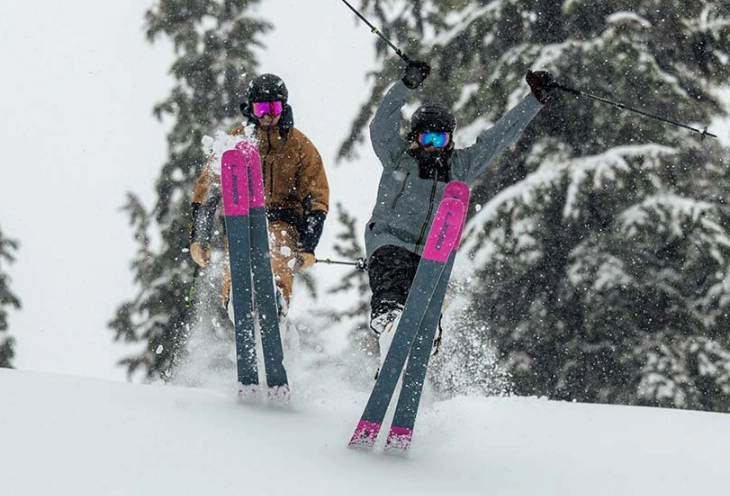
Freestyle & Park Skis: The Playground Experts
Built for jumps, rails, boxes, and creativity. The most obvious feature is the "twin tip"—both the tip and tail are turned up, allowing for skiing and landing backwards (switch). They're typically center-mounted for balance in the air, softer in flex for forgiveness on landings, and have a durable top sheet to withstand the abuse of rails.
They're playful, forgiving, and easy to maneuver. Many beginners actually like them because they're so easy to pivot and slide. The downside? That softness and centered mount makes them less stable at high speeds or when charging through variable snow. They can feel a bit vague or chattery when you're just trying to ski fast.
Even if you're not a park rat, a softer, twin-tip ski can be a blast for messing around, doing little side hits, and just having a playful day. They're the opposite of a demanding carving ski.
Beyond the Basics: Niche Ski Types
Once you move past the core four, you get into more specialized territory. You might not need these, but it's good to know they exist.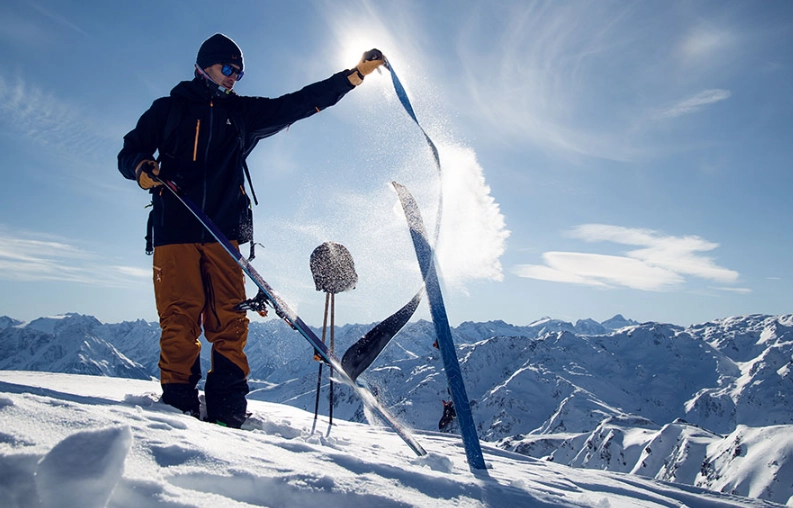
Freeride Skis
Think of these as the beefed-up, more aggressive cousin of the all-mountain ski. They're often in that similar 95mm-110mm width range but built with more metal, stiffer flex, and a directional shape (not twin-tip) for stability at high speeds in big, challenging terrain—cliffs, steep chutes, big mountain lines. They're for experts who spend most of their time off-piste. An all-mountain ski might be a comfortable SUV; a freeride ski is a rally car built for backcountry stages.
Touring / Alpine Touring (AT) Skis
These are built with one extra, critical factor: weight. When you're climbing up a mountain under your own power, every gram counts. Touring skis are significantly lighter than their resort counterparts, using different materials and construction. The trade-off is that they can feel less damp and stable on the downhill, especially in rough snow. They often pair with tech bindings and pin-compatible boots. This is a whole separate ecosystem for backcountry enthusiasts.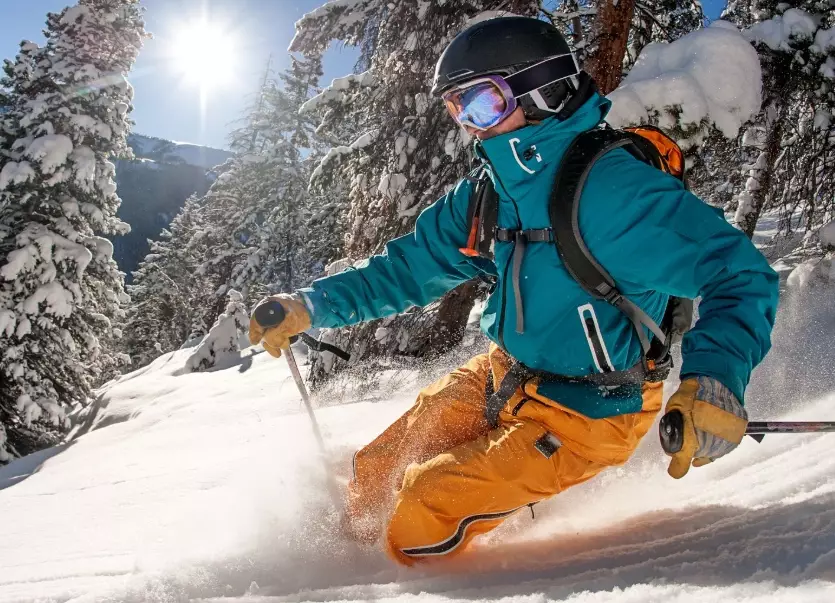
Beginner Skis
Often overlooked in these "different types of skis explained" guides! They're soft-flexing, lightweight, and have a lot of early-rise rocker in the tip. This makes them incredibly forgiving and easy to turn—the tip won't catch. They're designed to build confidence, not high performance. There's no shame in starting here; in fact, it's the smartest move. Struggling on a ski that's too demanding is the fastest way to hate the sport.
Fun Fact: The average waist width of skis has increased dramatically over the past 15 years, thanks largely to the popularity of rocker technology, which made wider skis easier to turn. Skis that were considered "fat" in 2005 are now considered narrow all-mountain models.
The Secret Sauce: Understanding Rocker vs. Camber
This is the single most important technical concept to grasp. It's not a type of ski, but a design feature that defines how a ski behaves. You'll see these terms everywhere.
- Camber: The traditional profile. The ski arches up off the snow in the middle when unweighted. When you step on it, it flattens out, pressing the entire edge into the snow. This gives you powerful edge hold, pop, and energy out of turns. Great for hard snow and carving.
- Rocker (or Reverse Camber): The ski curves upward at the tip and/or tail, like a banana or a rocking chair. This makes it easier to initiate turns, prevents the tip from diving in powder, and provides more forgiveness. It sacrifices some edge grip on hard snow.
Most modern skis use a hybrid.
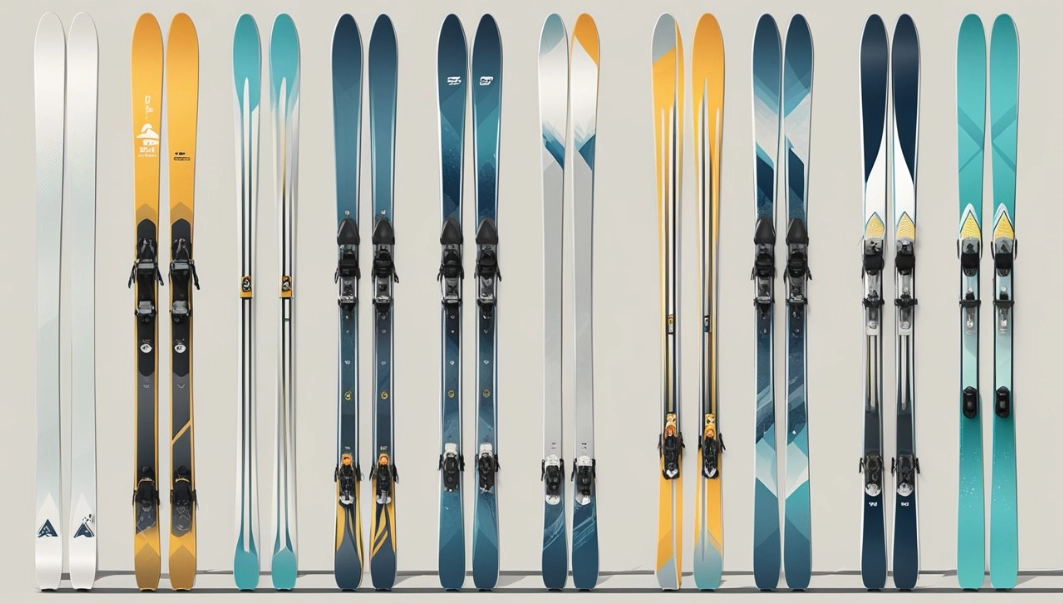
You'll see terms like "rocker-camber-rocker" (tip rocker, camber underfoot, tail rocker) or "camber-rocker" (camber underfoot, rocker in the tip). A powder ski might have a lot of rocker. A carving ski will have almost pure camber. An all-mountain ski will have a balanced mix. When you're looking at different types of skis explained, pay close attention to this profile—it tells you more about the ski's personality than almost anything else.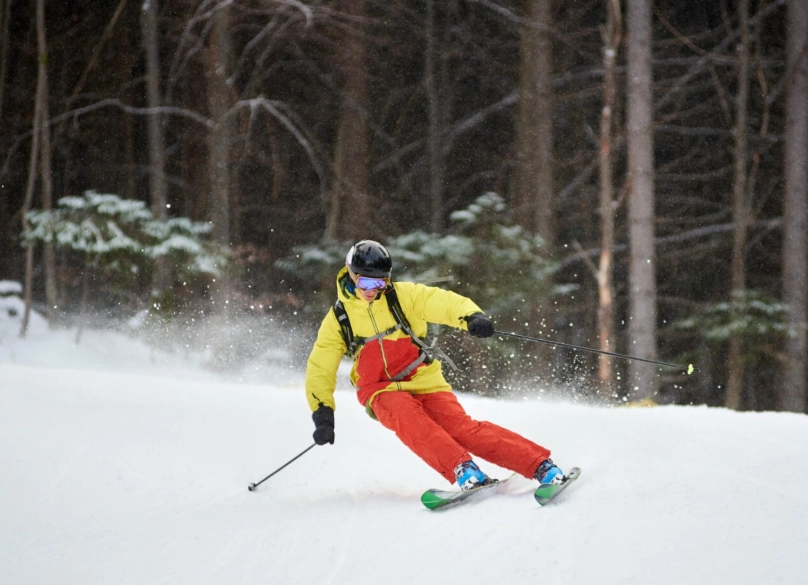
How to Actually Choose: The Decision Matrix
Okay, you know the categories. Now, how do you pick? Don't just buy the prettiest top sheet. Ask yourself these questions in order.
1. Where and How Do You Ski Most Often?
This is the biggest filter. Be brutally honest.
- Mostly groomed runs at a local hill? Look hard at carving skis or narrower all-mountain skis.
- Western resort with variable conditions? A mid-width all-mountain ski (88mm-98mm) is your safest, most versatile bet.
- Deep snow destination like Japan or Utah? You can justify a wider all-mountain or even a dedicated powder ski.
- Mostly in the terrain park? Freestyle skis, obviously.
- Dream of backcountry adventures? You need to research the separate world of touring skis, boots, and bindings, and most importantly, avalanche safety education. The American Institute for Avalanche Research and Education (AIARE) is an essential resource for education.
2. What's Your Skill Level?
This dictates the ski's flex and forgiveness.
- Beginner/Low-Intermediate: Prioritize soft flex, easy turn initiation, and rocker. Avoid stiff, demanding skis. The goal is fun and progress, not challenge.
- Intermediate/Advanced: You can handle more performance. Look for skis with more camber for grip and a medium-stiff flex. This is the broadest category.
- Expert: You can exploit stiff, damp, powerful skis. You'll want something that can handle speed and chatter without getting deflected.
The Professional Ski Instructors of America & American Association of Snowboard Instructors (PSIA-AASI) has great breakdowns of skill levels if you're unsure where you fall.
3. What's Your Skiing Style?
Are you a cautious turner? A speed demon? A playful jumper? A surfy powder hound? Match the ski's personality to yours.
4. Your Height and Weight Matter
Manufacturer size charts are a starting point, but weight is crucial. A heavier skier will flex a ski more easily than a lighter one. If you're on the heavier side for your height, you might need a stiffer ski or go slightly longer. If you're lighter, you might need a softer flex or go slightly shorter to get the ski to perform as designed.
| Ski Type | Best For Terrain | Typical Waist Width | Key Personality Trait |
|---|---|---|---|
| All-Mountain | Groomers, Moguls, Some Powder | 80mm - 100mm | Versatile, Forgiving, Do-It-All |
| Powder | Deep, Untracked Snow | 100mm - 120mm+ | Floaty, Surf-like, Specialized |
| Carving / Frontside | Hard-Pack & Groomed Runs | 65mm - 80mm | Precise, Fast, Energetic |
| Freestyle / Park | Terrain Parks & Jumps | 85mm - 100mm | Playful, Forgiving, Twin-Tip |
| Freeride | Steep, Big Mountain Lines | 95mm - 115mm | Stable, Damp, Powerful |
Common Questions Answered (The Stuff You Actually Google)
What's the big deal with waist width anyway?
It's the main number you'll see (e.g., "94mm underfoot"). In simple terms: narrower = quicker edge-to-edge on hard snow, wider = more float in soft snow. It's a primary indicator of the ski's intended habitat. Going too wide for your conditions makes the ski feel sluggish. Going too narrow for powder means you'll sink.
Should I buy skis as a beginner?
Renting is absolutely fine and smart when you're starting. It lets you try different lengths and styles as you progress. But once you're past the absolute basics and know you're committed, buying a proper beginner/intermediate ski can actually accelerate your learning because you get used to one consistent feel. Just don't buy a high-performance ski too early.
How long should my skis be?
The old "chin to forehead" rule is outdated. With modern rocker, skis often ski shorter than their stated length because the effective edge (the part actually touching the snow) is shorter. A good modern starting point is somewhere between your chin and the top of your head. Lighter/less aggressive skiers go shorter. Heavier/more aggressive skiers go longer. Always check the manufacturer's specific size chart for the model—they often have great recommendations based on weight.
What about bindings? Are they separate?
Almost always, yes. You buy skis "flat," and then you buy bindings separately and have a ski shop mount them for your specific boot size. This is crucial for safety and performance. Don't try to mount them yourself. A good shop will adjust the release settings (DIN) based on your weight, skill level, and boot sole length. This is non-negotiable for safety.
Can one ski really do it all?
The modern all-mountain ski gets remarkably close for 90% of skiers. The technology is that good. Unless you have very specific, extreme preferences (pure carver or deep powder specialist), a well-chosen all-mountain ski in the 88mm-98mm range will make you incredibly happy and handle just about anything a resort throws at you. That's why they're so popular.
Pro Tip: Before you buy, demo. Most resorts and good shops have demo programs where you can try 2-3 different pairs of skis in a day for a reasonable fee. It's the best money you can spend. A ski that sounds perfect on paper might feel totally wrong under your feet. Test them in the conditions you actually ski.
Final Thoughts: Cutting Through the Noise
Look, at the end of the day, all these explanations of different types of skis are just guides. The best ski is the one that gets you excited to go to the mountain and makes you feel confident and happy while you're there. I've seen people have the time of their life on "outdated" gear and people look miserable on the latest, most expensive hype skis.
My personal take? Err on the side of versatility and forgiveness unless you know exactly what you need. A modern, mid-width all-mountain ski with some rocker is the smartest first purchase for most people moving beyond rentals. It won't limit you; it'll enable you to explore more of the mountain and figure out what you really love to do.
Then, maybe you'll get the powder bug and add a second pair. That's how the quiver grows.
Armed with this breakdown, you're no longer walking into that shop blind. You know the questions to ask. You understand the trade-offs. You can look at a spec sheet and have a decent idea of what that ski is probably about. That's the goal of having different types of skis explained in a practical, usable way.
Now go get 'em. And maybe I'll see you out there.
Related Articles

Comments
Join the discussion