Your Essential Ski Gear Roadmap
- The Golden Rule: It's All About Layers (And Avoiding Cotton)
- Breaking Down Each Layer: What You Actually Need
- The Absolutely-Cannot-Forget Accessories
- What to Wear Underneath & Other Logistics
- Renting vs. Buying: The Smart First-Timer's Strategy
- Answering Your Burning Questions (FAQ)
- Your Final First-Time Skiing Packing List
Okay, let's be real. Figuring out what to wear skiing for the first time can feel overwhelming. You're excited, maybe a bit nervous, and then you start Googling only to be hit with a wall of technical terms like "hydrostatic head ratings" and "merino wool blends." It's enough to make you want to just wear your thickest hoodie and hope for the best.
Don't do that. I made that mistake on my first trip, and let me tell you, being cold, wet, and miserable by 10 AM is a surefire way to ruin a perfectly good day (and a lot of money on a lift ticket). The right gear isn't about looking like an Olympian; it's about staying comfortable, safe, and actually enjoying yourself.
So, forget the jargon for a minute. This guide is about the practical, no-BS essentials. We're going to break down exactly what you need, layer by layer, and why each piece matters. We'll also talk about what you can probably skip buying and what's worth renting. By the end, you'll have a crystal-clear checklist for what to wear skiing for the first time.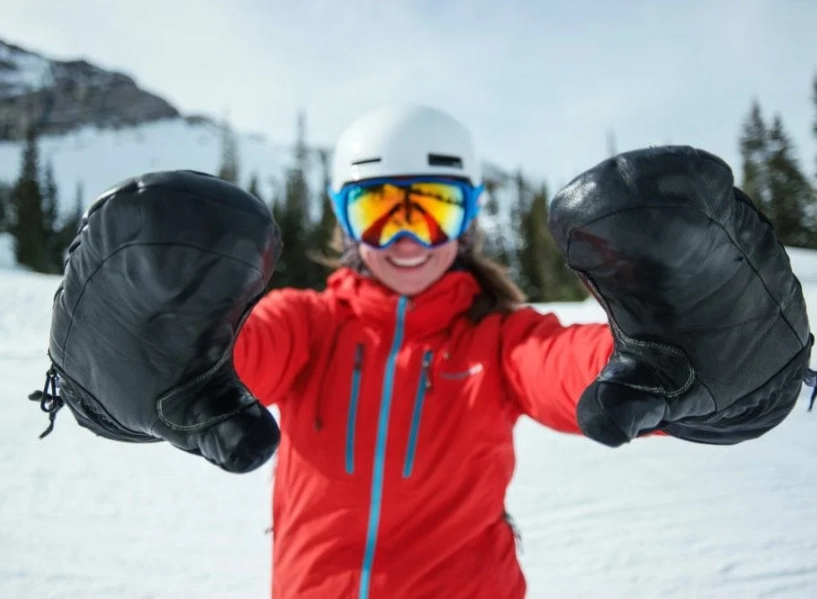
The Golden Rule: It's All About Layers (And Avoiding Cotton)
Before we get into specific items, you need to understand the core philosophy of dressing for the cold and activity. It's called the layering system, and it's non-negotiable for skiing. Why? Because weather on the mountain changes fast. The sun comes out, you work up a sweat on a run, then the wind picks up on the chairlift ride back up. Layers let you adapt.
The Cotton Rule: This is your first and most important commandment. DO NOT WEAR COTTON. Not as a base layer, not as socks, not as anything that touches your skin. Cotton absorbs moisture (sweat) and holds it against your body. When you stop moving, that wet fabric sucks the heat right out of you, leading to being cold, clammy, and at risk of hypothermia. Just don't do it.
The layering system has three main jobs, handled by three main layers:
- Base Layer (The Moisture Manager): This sits right against your skin. Its job is to pull sweat away from your body to keep you dry.
- Mid Layer (The Insulator): This is your warmth. It traps body heat in little pockets of air.
- Outer Layer (The Protector): This is your shield. It blocks wind, snow, and rain from getting in.
Here’s a quick table to visualize how it all works together:
| Layer | Primary Job | Key Materials to Look For | What to Avoid |
|---|---|---|---|
| Base Layer | Wick moisture, keep skin dry | Merino Wool, Synthetic Polyester (e.g., Polypropylene) | Cotton, Heavy Fabrics |
| Mid Layer | Insulate, retain body heat | Fleece, Down, Synthetic Insulation (PrimaLoft) | Bulky Sweaters, Hoodies (if cotton) |
| Outer Layer (Shell) | Block wind/water, allow breathability | Waterproof/Breathable Membranes (Gore-Tex, similar tech) | Raincoats without insulation, Non-breathable Materials |
Breaking Down Each Layer: What You Actually Need
1. The Base Layer: Your Second Skin
Think of this as your foundation. A good base layer is thin, snug (but not restrictive), and made from a technical fabric. You have two main choices:
- Synthetic (Polyester): This is the most common and affordable option. It wicks moisture incredibly well, dries fast, and is durable. The downside? It can start to hold odors after a while. Brands like Under Armour HeatGear or generic "thermal underwear" from sporting goods stores fall here.
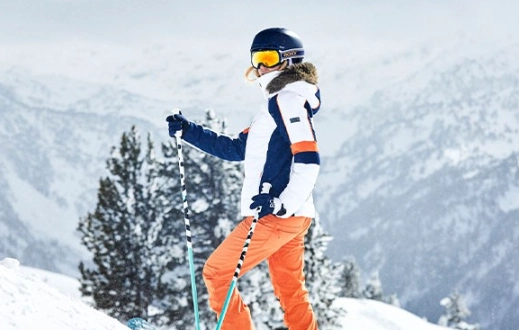
- Merino Wool: This is the gold standard for many. It wicks just as well as synthetic, regulates temperature beautifully, and has the magical property of being naturally odor-resistant. You can wear it multiple days without it getting funky. It's more expensive and can be slightly less durable, but the comfort is unbeatable. Smartwool and Icebreaker are big names.
My personal take? For your first time, a mid-weight synthetic top and bottom are perfect. They work great and won't break the bank. If you find you love skiing and go more often, then consider investing in merino.
Pro Tip: Get a base layer with a long zipper at the neck. When you're working hard, you can unzip it for a quick cooling vent without removing layers.
2. The Mid Layer: Your Personal Heater
This is where you customize for the day's temperature. The key is loft—materials that trap air.
- Fleece Jacket or Vest: The workhorse of the mid-layer world. It's lightweight, breathable, provides great warmth, and still works when damp. A simple grid fleece or a Polartec fleece jacket is incredibly versatile.
- Insulated Jacket: For colder days, you might want a puffy jacket filled with down or synthetic insulation. These are incredibly warm for their weight. A common beginner strategy is to wear a fleece and have a lightweight puffy in your backpack for the chairlift.
Can you just wear a thick sweater? If it's wool, maybe. But most sweaters are too bulky, restrict movement, and if they're acrylic or cotton, they're terrible at managing moisture. Stick with purpose-built active layers.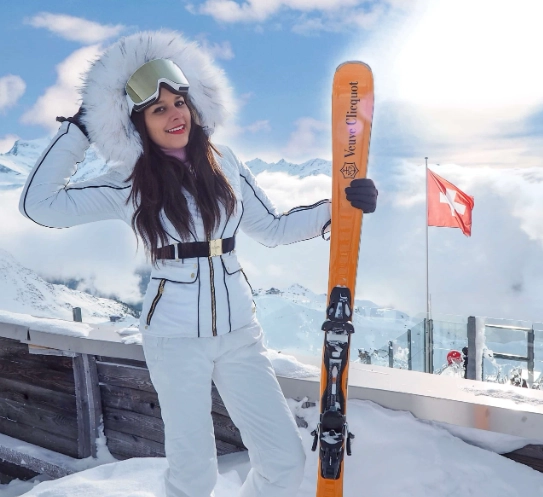
3. The Outer Layer: Your Armor
This is your ski jacket and pants (or bibs). For your first time, you will almost certainly be renting these, and that's smart. A good ski outfit is expensive. When renting or buying, look for these features:
- Waterproof & Breathable: This is the magic combo. Look for a rating like 10k/10k (waterproof/breathability). For a first-timer, anything 5k/5k or above from a rental shop is fine. It keeps the snow melt from soaking you while letting your sweat vapor escape.
- Powder Skirt: A built-in elastic skirt inside the jacket that seals around your waist to keep snow out if you take a tumble.
- Vents: Pit zips are a godsend. Open them on a sunny run to avoid overheating.
- Good Hood: One that fits over a helmet and can be adjusted snugly.
Jacket or Bibs? Bibs (overalls) are fantastic for keeping snow from going down your back when you fall. They're also often warmer. But they're a hassle in the bathroom. Pants are simpler. For a first-timer, either is fine—go with what's available or comfortable.
For detailed technical explanations on waterproof ratings and materials, the outdoor experts at REI have an excellent guide that dives deep into the science.
The Absolutely-Cannot-Forget Accessories
This is where many first-timers mess up. You can have the perfect jacket, but if your hands or feet are freezing, you're done. Here’s the accessory checklist for what to wear skiing for the first time:
Head & Neck
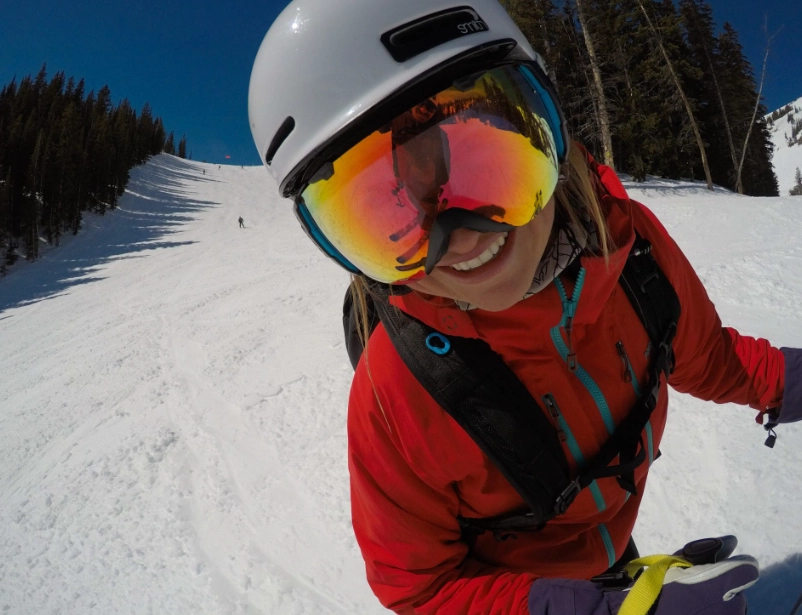
- Helmet: Non-negotiable. Rent one. They're warm, protect your head, and often have clips for goggles. Make sure it fits snugly without pressure points.
- Goggles: Sunglasses won't cut it. Goggles protect your eyes from wind, snow, and UV glare off the snow (which is intense). Rent them. Get a pair with a lens suitable for the day's light (ask at the rental shop).
- Neck Gaiter or Balaclava: A tube of fabric you pull over your head and neck. Essential for protecting your face from windburn on the chairlift. A cheap synthetic one works wonders.
- Helmet-Liner Beanie: A thin, synthetic or wool beanie to wear under your helmet for extra warmth. Don't wear a thick beanie under a helmet—it compromises safety.
Hands
- Waterproof Ski Gloves or Mittens: Mittens are generally warmer than gloves because your fingers share heat. For your first day, warmth is key, so lean toward mittens. Make sure they're waterproof and have a long cuff that goes over your jacket sleeve. Don't use cheap knit gloves—they'll be soaked and useless in minutes.
Hand Warmer Warning: Those little chemical hand warmers are great, but don't put them directly against your skin. Put them in the glove's liner pocket or on the back of your hand. I learned this the hard way with a minor burn.
Feet
- Ski Socks: This is critical. Get one pair of tall, thin-to-medium thickness socks made of merino wool or synthetic blend. Do NOT wear multiple pairs of socks. It creates pressure points and cuts off circulation, making your feet colder. Do NOT wear thick cotton socks. They get damp and freeze. Put on clean, dry socks right before you put your boots on.
- Ski Boots: You'll rent these. When you put them on, buckle them snugly but not painfully tight. Your toes should just brush the front when you stand up straight, but not be crammed when you flex your knees forward. If they hurt, ask for a different size or fit. Uncomfortable boots ruin everything.
What to Wear Underneath & Other Logistics
This seems basic, but people get it wrong.
Underwear? Synthetic or wool sport-specific underwear is best. Again, avoid cotton. For women, a sports bra made of technical fabric.
What do you do with your street clothes? You'll change in a lodge. Wear comfortable, loose pants and a top to and from the mountain. Bring a bag with a change of clothes for the ride home—trust me, getting out of your ski gear and into dry, soft clothes is heavenly.
Renting vs. Buying: The Smart First-Timer's Strategy
You do not need to buy a full kit. In fact, I'd advise against it.
Definitely Rent: Skis, Poles, Boots, Helmet. This is standard and cost-effective. You can also rent high-quality Jackets, Pants/Bibs, and Goggles from many ski shops or even online services. This is a fantastic way to try high-end gear without the commitment.
Consider Buying (or using what you have): Your Base Layers, Mid Layers (fleece), Socks, Neck Gaiter, and Gloves. These items are relatively affordable, are useful for other winter activities, and are personal items you'll want to have in your size and cleanliness.
The National Ski Areas Association (NSAA) promotes safety and provides resources for new skiers, including gear advice that aligns with starting smart by renting core equipment.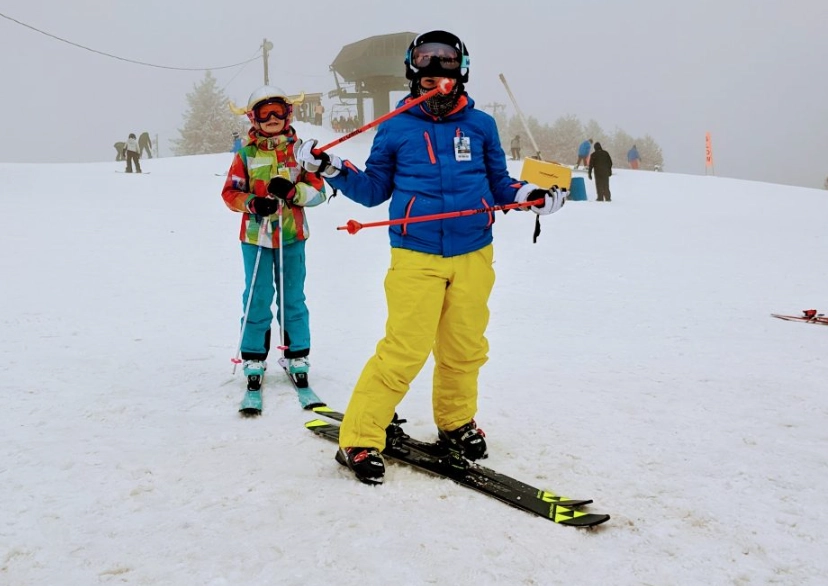
Answering Your Burning Questions (FAQ)
No. A thousand times no. Jeans are cotton. They will get wet from snow, become stiff, cold, and potentially dangerous. A regular winter coat is not waterproof or breathable enough. You will be miserable, cold, and wet very quickly.
This is exactly why we layer! If you run hot, choose lighter base and mid-layers. Use those pit zips and neck zips liberally to dump heat on the way down. The key is moisture-wicking fabric to keep sweat off your skin so you don't get a chill when you stop.
The layering system still works! You might just wear a light base layer, a very thin fleece, and your shell. Or even just a base layer and a soft-shell jacket. You still need the waterproof pants and the sun protection (goggles are crucial for UV).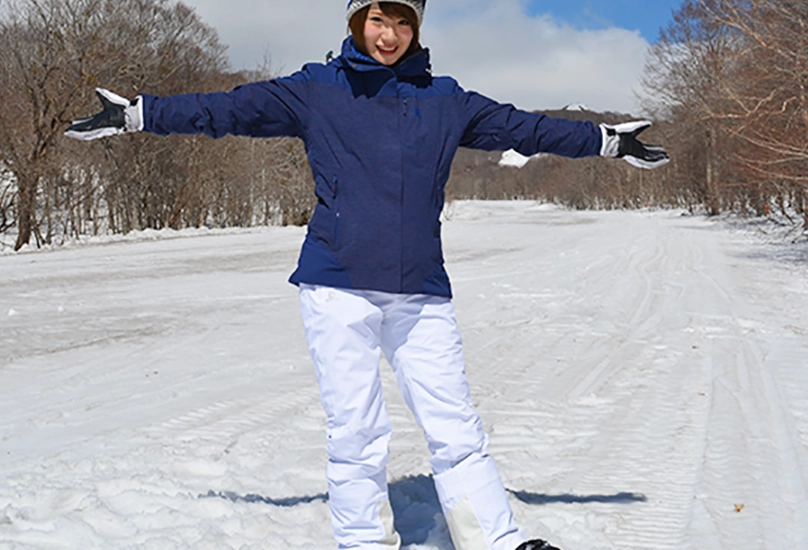
"Special" sounds fancy. You just need underwear that isn't cotton. Any synthetic or wool activewear underwear you might have for the gym or running will do the job perfectly.
The best test is to be slightly cool when you're standing still in the lodge. Once you start moving and generating body heat on the slopes, you'll warm up to a comfortable temperature. If you're perfectly warm standing still, you'll be boiling on your first run.
The principles are similar, but you can often get away with less insulation since there's no wind or extreme cold. A base layer, a light fleece, and a shell (or just a sturdy soft-shell jacket) are usually sufficient. You still need gloves, a helmet, and goggles.
Your Final First-Time Skiing Packing List
Let's boil it all down to a simple list. Pack this, and you'll be golden.
- [ ] Synthetic or Merino Wool Base Layer (Top & Bottom)
- [ ] Fleece Jacket or Pullover
- [ ] Waterproof Ski Socks (1 pair)
- [ ] Neck Gaiter / Balaclava
- [ ] Helmet-Liner Beanie (thin)
- [ ] Waterproof Ski Gloves or Mittens
- [ ] Sunglasses (for apres-ski)
- [ ] Sunscreen (high SPF, face stick is great)
- [ ] Lip Balm with SPF
- [ ] Change of clothes for the drive home
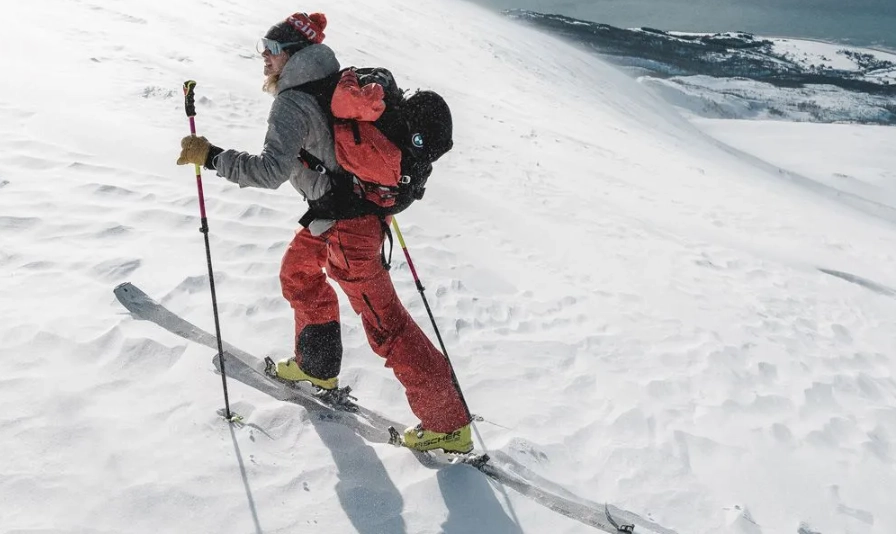
- [ ] Small backpack (optional, for carrying layers, water, snacks)
- [ ] Water Bottle (hydration is key at altitude!)
To Rent at the Mountain/Ski Shop:
- Skis, Boots, Poles
- Helmet
- Goggles
- Waterproof Jacket & Pants/Bibs
Look, the goal here isn't to make you an expert in textile technology. It's to get you out on the snow feeling confident and comfortable. When you're not fighting the cold, you can focus on the fun part—learning to ski.
Remember, the answer to "what to wear skiing for the first time" isn't about the most expensive brand. It's about smart layers, avoiding cotton, and covering your extremities. Get those basics right, and you've already won half the battle.
Now go pack your bag. The mountains are waiting.
Related Articles

Comments
Join the discussion