Your Ski Gear Roadmap
- The Absolute Core: Skis, Boots, Bindings, and Poles
- Clothing: The Art of Staying Warm and Dry (Not Just Looking Good)
- Safety and Vision: Non-Negotiable Gear
- The "Nice-to-Have" and Rental Essentials
- Putting It All Together: A Beginner's Pre-Ski Checklist
- Answering Your Biggest Beginner Ski Gear Questions
- Final Thoughts Before You Hit the Slopes
Let's be real for a second. That first time you type "what equipment do you need when skiing for beginners" into Google, it can feel totally overwhelming. Skis, boots, poles, helmets, goggles, about fifteen layers of clothing... the list seems endless, and honestly, kind of expensive. I remember my first trip. I spent more time stressing about what to bring than I did looking forward to the actual skiing.
It doesn't have to be that way. The truth is, figuring out your beginner ski gear is a puzzle, but once you know which pieces go where, it all snaps together. This isn't about buying the fanciest or most expensive stuff. It's about getting the right stuff that keeps you safe, warm, and actually lets you enjoy learning.
So, grab a coffee, and let's walk through exactly what equipment you need when skiing for beginners. We'll break it down into simple chunks, talk about what's absolutely essential versus what's nice to have, and I'll throw in some hard-earned advice from my own early (and sometimes chilly) days on the slopes.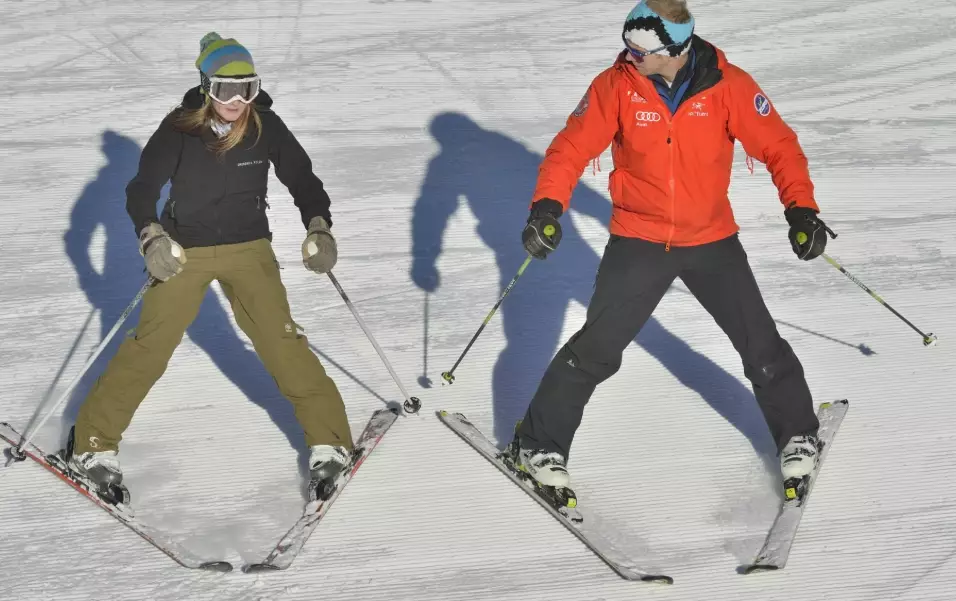
The Absolute Core: Skis, Boots, Bindings, and Poles
This is the non-negotiable foundation. You can't ski without this stuff. But for a beginner, the specifics matter a lot less than you might think.
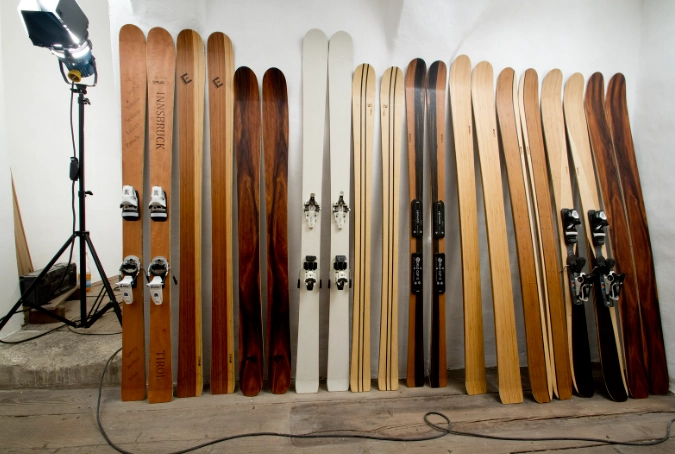
Skis: Shorter and Softer is Your Friend
Forget what you see the experts carving on. As a beginner, you want skis that are forgiving. That means two things: they should be relatively short and they should be flexible (or "soft"). Shorter skis are easier to turn and control. A good rental shop will set you up right, but a classic rule of thumb is that your beginner skis should stand somewhere between your chin and the top of your head.
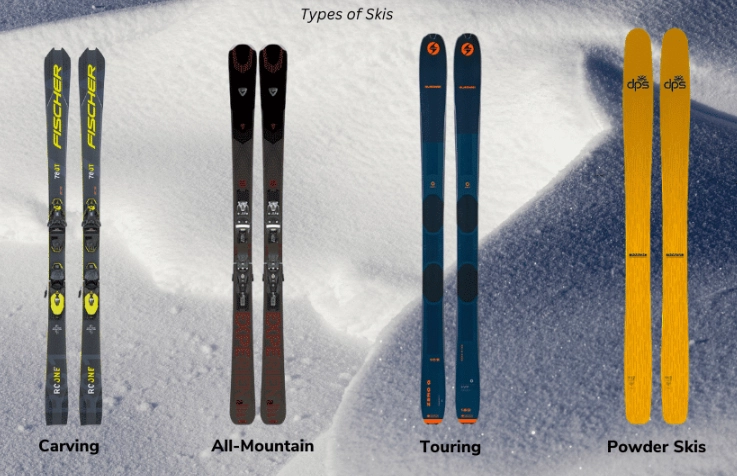
What about shape? Most modern beginner skis are "shaped" or "parabolic." This means they are wider at the tip and tail and narrower at the waist, which naturally helps you turn. You'll also hear terms like "all-mountain" skis. For a first-timer, this just means a good, versatile ski that works in most conditions you'll encounter on the beginner slopes.
Boots: Comfort and Control Are Key
If I had to pick one piece of equipment that beginners get wrong most often, it's the boots. This is the single most important interface between you and your skis. A bad boot fit ruins your day, period.
When you're trying on ski boots, they should feel snug—like a firm handshake all around your foot and calf. Not painful, but definitely not roomy. Your heel should be locked down so it doesn't lift when you flex forward. Toes should lightly brush the front when you're standing straight, but pull back slightly when you get into a skiing stance (knees bent).
Bindings and Poles
Bindings are the devices that attach your boot to the ski and release you in a fall. You don't need to know the technical details. The crucial part is that a professional at a rental shop must set the "DIN" or release setting based on your weight, height, and ability level. This is a critical safety feature—never adjust it yourself.
Poles seem simple, but there's a trick. Hold a pole upside down, gripping it just under the basket (the round ring near the tip). Your forearm should be parallel to the ground. That's the right length. As a beginner, you'll use them mostly for balance and pushing around on flat areas. Don't worry about pole plants yet.
Clothing: The Art of Staying Warm and Dry (Not Just Looking Good)
This is where most of the anxiety lives. What do you wear skiing for the first time? The secret isn't one giant coat. It's layers. This system lets you adapt to changing weather and activity levels.
The 3-Layer System: Your Blueprint for Comfort
Base Layer (The Moisture Manager): This sits against your skin. Its job is to wick sweat away. Avoid cotton at all costs. Cotton holds moisture, gets wet, and makes you cold. Use synthetic materials (polyester) or merino wool. A simple, affordable set of long underwear from an outdoor store works perfectly.
Mid Layer (The Insulator): This layer traps warmth. A fleece jacket or vest, a lightweight puffy jacket (synthetic or down), or even a thick wool sweater does the trick. You can add or remove this layer based on how cold it is.
Outer Layer (The Shield): This is your ski jacket and pants. They must be waterproof and breathable. Look for a rating like 10k/10k or higher. This keeps snow and wind out while letting some sweat vapor escape. Ski-specific gear has useful features like a powder skirt, wrist gaiters, and plenty of pockets.
Let's talk about extremities. They get cold first.
Gloves or Mittens: Mittens are almost always warmer than gloves because your fingers share heat. Get waterproof ones. I'm a fan of mittens with a separate liner glove inside—you can take the outer mitten off to fiddle with bindings without exposing your skin.
Socks: One pair. Just one. And make them thin-to-medium weight ski-specific socks, made of wool or synthetic blend. Thick socks or multiple pairs will cram your foot in the boot, cut off circulation, and make your feet colder. The insulation comes from the boot itself.
Neck Gaiter or Balaclava: A simple tube of fleece or synthetic material. It's way more versatile than a scarf (which can get caught). Pull it up over your nose and mouth on cold, windy chairlift rides.
Safety and Vision: Non-Negotiable Gear
This category isn't about comfort; it's about protection and being able to see where you're going.
Helmet: Just Wear It
The debate is over. Everyone wears helmets now, from Olympians to first-timers. It's essential safety equipment. Modern ski helmets are lightweight, warm, and have built-in ventilation. Most come with adjustable fit systems. Make sure it fits snugly without pressure points. And it needs to be certified. Look for a sticker inside from a standards body like ASTM or CE.
Renting a helmet is totally normal and highly recommended if you don't own one.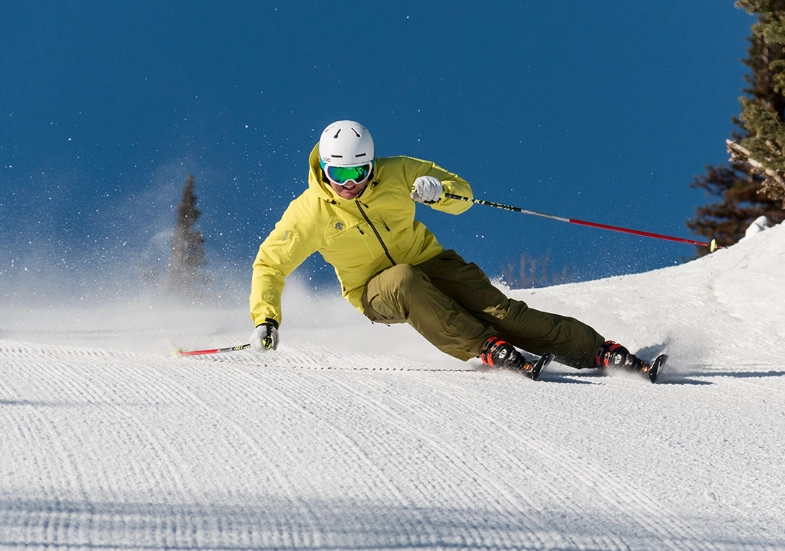
Goggles: Your Windshield on the Mountain
Sunglasses won't cut it. Goggles protect your eyes from wind, snow, glare, and UV rays at high altitude. They also don't fog up as easily if you get the right kind.
For lens color, if you're buying one pair, go with a rose or amber-tinted lens. These enhance contrast in flat light (cloudy days) but are still usable on sunny days. A clear lens is useless on a bright day, and a super-dark lens is dangerous on a cloudy day. Many goggle models offer interchangeable lenses, but that's a future-you purchase.
The "Nice-to-Have" and Rental Essentials
Let's clear up the rental picture. When you're figuring out what equipment do you need when skiing for beginners, you have two choices: bring it or rent it.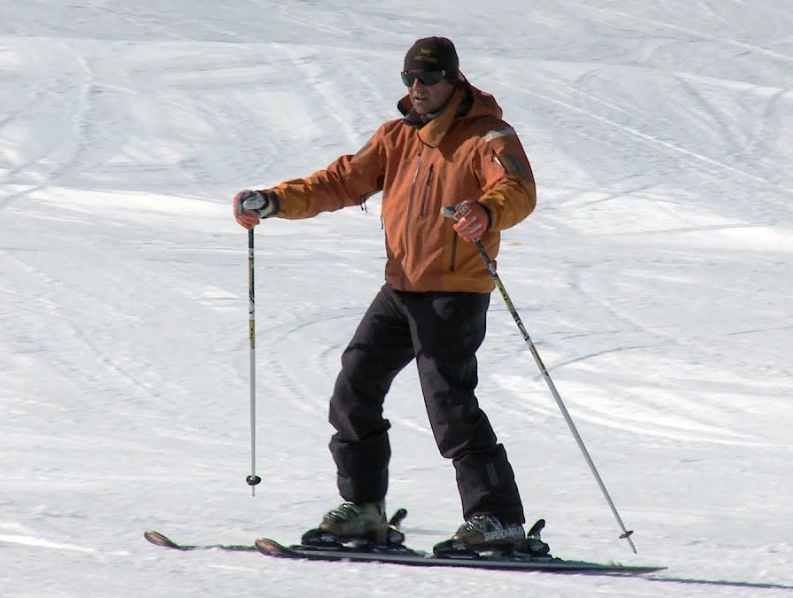
Here’s a quick table to show what most beginners do:
| Equipment Category | Typical Rental Choice | Typical Purchase/Bring-Your-Own Choice | Beginner Recommendation |
|---|---|---|---|
| Skis, Boots, Poles | Almost always rented | Rarely purchased first season | Rent. Get properly fitted beginner gear. |
| Helmet | Commonly rented | Purchased for hygiene/fit | Rent or Buy. If you rent, use the sanitizer liner. |
| Clothing (Jacket/Pants) | Available, but less common | Usually purchased/owned | Buy/Borrow. Invest in or borrow good layers. |
| Goggles & Gloves | Sometimes available | Usually purchased | Buy. For hygiene and proper fit. |
Other nice-to-haves? Hand and toe warmers are little chemical packets that are lifesavers on brutally cold days. A small backpack or hydration pack is useful for carrying water, snacks, and that extra layer. Sunscreen and high-SPF lip balm are absolutely mandatory, even on cloudy days. The sun reflecting off the snow is intense.
Putting It All Together: A Beginner's Pre-Ski Checklist
So, let's summarize. When you're packing for your trip, run through this list. It covers the core answer to what equipment do you need when skiing for beginners.
Your Essential Ski Trip Packing List
- To Rent at the Mountain: Skis with bindings, Ski boots, Ski poles, Helmet (optional but recommended).
- To Wear/Bring from Home:
- Base Layer: Synthetic or wool long underwear top and bottom.
- Mid Layer: Fleece or lightweight insulated jacket.
- Outer Layer: Waterproof ski jacket and ski pants.
- Socks: One pair of thin/medium ski socks.
- Handwear: Waterproof ski gloves or mittens.
- Headwear: Neck gaiter/balaclava. A thin beanie to wear under helmet if it's very cold.
- Eyewear: Ski goggles with a versatile lens (rose/amber).
- For the Lodge & Après-Ski: Comfortable shoes, casual clothes, swimsuit (if hotel has hot tub).
- In Your Pocket/Pack: Sunscreen (SPF 30+), Lip balm with SPF, ID, credit card/cash, phone, hand/toe warmers (optional).
Answering Your Biggest Beginner Ski Gear Questions
Final Thoughts Before You Hit the Slopes
Look, the goal here is fun, not fashion or having the pro setup. The right beginner equipment does one thing: it gets out of the way. It keeps you protected from the elements so you can focus on learning to turn, stop, and maybe, just maybe, start to feel that incredible sensation of gliding on snow.
Remember, every expert skier was once a beginner asking the same question: what equipment do you need when skiing for beginners? They figured it out, and you will too. Get the layers right, trust the rental process for the hard goods, and prioritize safety with a helmet and goggles.
Now you're equipped with the knowledge. The mountain is waiting. Go have a blast out there.
Related Articles

Comments
Join the discussion