Your Ski Fitness Roadmap
Let's be real. That first ski day of the season can be brutal if you're not ready. You know the feeling – legs screaming by lunchtime, lower back tight as a drum, and you're basically doing the "pizza" wedge down every run by 2 PM just to survive. It's not fun, and honestly, it's a bit risky. I've been there, pushing too hard on day one and spending the next three days walking like I've been on a horse for a week.
But what if this season was different? What if you could feel strong, controlled, and confident from your first chairlift ride to your last? That's what getting truly ski fit is all about. It's not about becoming an Olympic athlete; it's about building a body that's resilient and capable for the specific demands of skiing.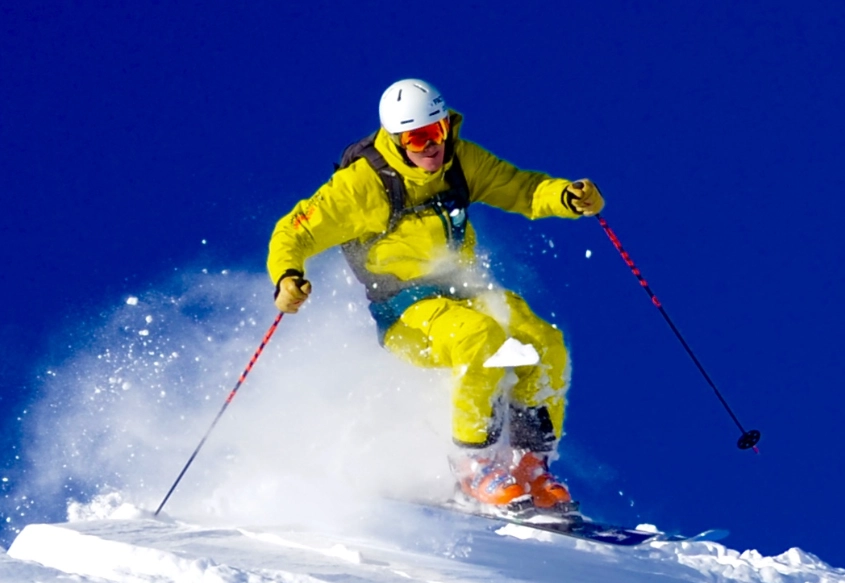
And three months? That's the perfect amount of time. It's not a last-minute panic, and it's not so long that you lose motivation. It's a solid, manageable chunk of time to make real, noticeable changes. This guide is your roadmap. We're going to break down exactly how to get ski fit in 3 months, covering everything from the foundational strength you need to the sneaky importance of balance and the food that fuels it all. No fluff, just a practical plan you can start this week.
The Core Idea: Skiing fitness is unique. It's a blend of powerful legs, a rock-solid core, insane endurance for repeated squat-like motions, and the balance of a cat. A general gym routine might help, but a targeted plan makes all the difference. This 3-month journey is about building that specific fitness, layer by layer.
Why Bother? The Real Cost of Skiing Unprepared
Okay, maybe you're thinking you can just wing it. I get it. Life's busy. But skiing is a high-intensity, high-impact sport. When you're tired, your form breaks down. You start sitting back in your skis, your edges lose their bite, and your reaction time slows. That's when minor mistakes turn into falls, and falls can turn into injuries.
Common injuries from poor fitness include knee sprains (hello, ACL), lower back strains, and shoulder issues. The American College of Sports Medicine (ACSM) consistently emphasizes sport-specific conditioning for injury prevention. Getting fit isn't just about skiing better; it's about skiing safer and being able to enjoy the whole season, not just one painful day.
Plus, let's talk about fun. When you're fit, you ski better. You have the energy to explore the whole mountain, try that black diamond run you've been eyeing, and keep up with your friends. The mountain becomes a playground, not a battleground. That's the goal.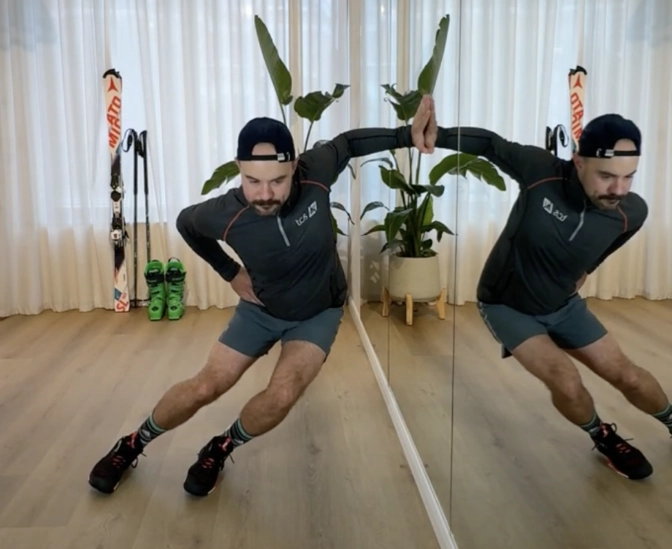
The 3-Month Ski Fitness Blueprint: A Phased Approach
We're splitting this into three distinct phases. Each one builds on the last, progressively getting more specific to skiing. Think of it like building a house: first the foundation, then the walls, then the finishing touches.
| Phase | Focus (The "Why") | Key Activities | Weekly Time Commitment |
|---|---|---|---|
| Month 1: Foundation & Base Building | Awaken muscles, build joint stability, establish a routine. Correct imbalances. | Full-body strength, moderate cardio, mobility work. | 3-4 hours |
| Month 2: Strength & Power Development | Build the muscular strength and power needed for aggressive turns and variable snow. | Heavy leg & core focus, plyometrics, increased cardio intensity. | 4-5 hours |
| Month 3: Sport-Specific & Peak Conditioning | Mimic skiing motions, build insane endurance, and sharpen reaction/balance. | Explosive circuits, ski-specific drills, high-intensity interval training (HIIT). | 4-5 hours |
Month 1: Laying the Groundwork
Don't skip this month. Seriously. Jumping straight into heavy squats or box jumps is a one-way ticket to soreness or worse. This month is about waking up the muscles you've been ignoring and teaching your body to move well.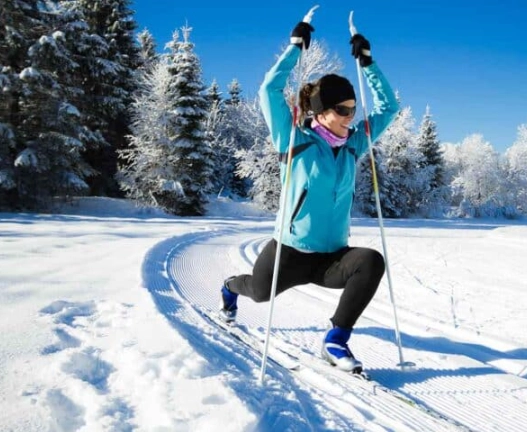
Strength Focus: Aim for 2-3 full-body sessions per week. Use bodyweight or light weights. Form is king here.
- Lower Body: Bodyweight squats, lunges (forward, reverse, lateral), glute bridges. The goal is depth and control, not weight.
- Core: Planks (front and side), dead bugs, bird-dogs. We're building anti-rotation and stability, not just six-pack abs.
- Upper Body & Back: Push-ups (knees or incline), rows with resistance bands, shoulder stability exercises. A strong back helps you maintain that forward stance.
Pro Tip: Film yourself doing a few squats and lunges. Check if your knees are caving in or if your back is rounding. These are imbalances to fix now. Resources like the UK NHS exercise guides offer great form basics.
Cardio Focus: 2-3 sessions per week of steady-state cardio. Think 30-45 minutes of an activity that gets your heart rate up but still lets you hold a conversation: brisk walking, cycling, elliptical, swimming. This builds your aerobic base, which is your engine for all-day skiing.
Mobility: This is the secret sauce. Spend 10 minutes after each workout on dynamic stretches for hips, ankles, and thoracic spine. Leg swings, hip circles, deep squat holds. I used to neglect this and paid for it with tight hips. Not anymore.
By the end of Month 1, you should feel more stable, less creaky, and ready for more.
Month 2: Turning Up the Heat
Now we add some weight and some pop. This phase is where you'll start to feel seriously stronger. The question of how to get ski fit in 3 months starts to get answered here with tangible progress.
Strength Focus: 2-3 sessions per week, now with added resistance.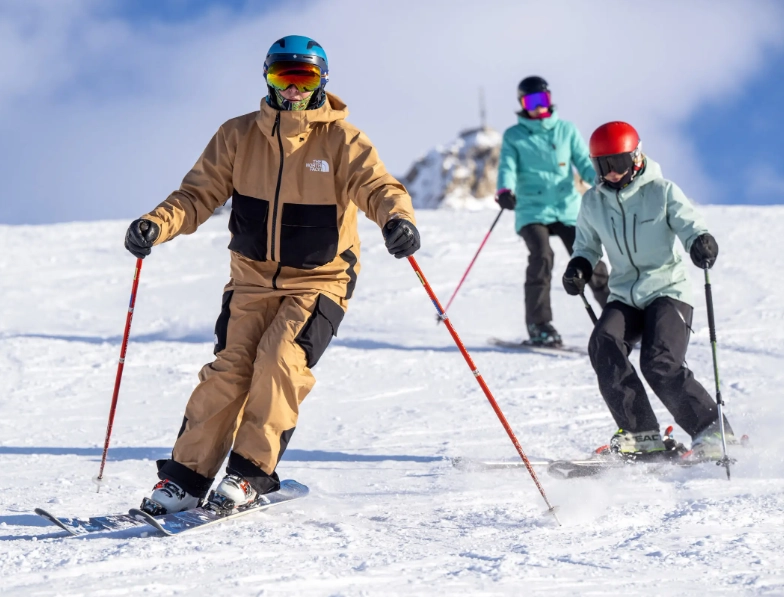
- Key Moves: Goblet squats, weighted lunges (dumbbells in hand), Romanian deadlifts (for hamstrings and glutes), weighted step-ups. Aim for 3 sets of 8-12 reps.
- Plyometrics (Power): Introduce these carefully! Start with low-box step-ups, then progress to squat jumps and lateral bounds. These teach your muscles to explode – essential for quick turns and absorbing bumps.
Cardio Focus: Increase intensity. Add one session of intervals. After a warm-up, do 1 minute of hard effort (running, bike sprints) followed by 2 minutes of easy recovery. Repeat 6-8 times. This mimics the stop-start nature of skiing runs.
Balance Work: Start incorporating single-leg exercises. Single-leg Romanian deadlifts, single-leg glute bridges. Close your eyes during a single-leg stand (near a wall for safety!). This directly trains the micro-adjustments your ankles and knees make while skiing.
Month 3: Ski-Specific Simulation
This is where it all comes together. We're going to make your workouts look and feel a lot more like skiing. This is the final push in your 3 month ski workout plan.
Circuit Training is Your Best Friend: Create circuits that combine strength, power, and cardio with minimal rest. This builds the muscular endurance to ski run after run.
 Sample "Ski Day" Circuit: Do each exercise for 45 seconds, rest 15 seconds. Complete 3-4 rounds.
- Weighted Squats
- Lateral Bounds (side-to-side jumps)
- Plank with Shoulder Taps
- Box Jumps or Step-Ups
- Mountain Climbers
- Rest 90 seconds
Sport-Specific Drills:
- Wall Sits: The ultimate ski isometric. Build up to holding for 2-3 minutes. It burns in the best way.
- Bosu Ball or Cushion Work: Do squats or lunges on an unstable surface. This fires up your stabilizer muscles like crazy.
- Agility Ladder or Cone Drills: Quick feet drills improve your coordination and reaction time for those unexpected bumps.
Cardio Focus: HIIT (High-Intensity Interval Training). Shorter, more intense intervals. 30 seconds all-out, 60 seconds rest. This builds the top-end fitness for those steep, challenging runs.
Listen to Your Body: In Month 3, the intensity is high. If you feel sharp pain (not just muscle soreness), back off. A minor strain now could derail your ski trip. Rest and recovery are part of the plan.
Fueling the Machine: Nutrition You Can't Ignore
You can't out-train a bad diet, especially when building fitness. Think of food as your construction materials and recovery tool.
For Muscle Repair & Growth: You need adequate protein. Aim for a source with each meal – chicken, fish, eggs, Greek yogurt, lentils, tofu. A post-workout shake or a yogurt can really help with recovery soreness.
For Energy: Complex carbohydrates are your primary fuel. Oats, sweet potatoes, brown rice, quinoa, whole-grain bread. These provide sustained energy, unlike the quick spike and crash from sugary snacks. The USDA's MyPlate is a simple, non-fad guide to balanced eating.
For Joint & Muscle Health: Healthy fats (avocado, nuts, olive oil) and anti-inflammatory foods like berries, leafy greens, and fatty fish (salmon) help reduce inflammation from training.
Hydration is non-negotiable. Even mild dehydration kills performance and increases injury risk. Drink water consistently throughout the day, not just during workouts.
The Mental Game & Gear Check
Fitness isn't just physical. Visualize yourself skiing smoothly. Watch ski videos and imagine the movements. This mental rehearsal primes your neural pathways.
And about gear – it matters. Boots that are too loose or skis that are poorly tuned make everything harder, no matter how fit you are. If your boots are more than 5-6 years old, get them checked. A proper tune (sharp edges, waxed base) reduces effort and increases control. Magazines like Ski Mag publish annual gear guides that are worth a look as you prepare.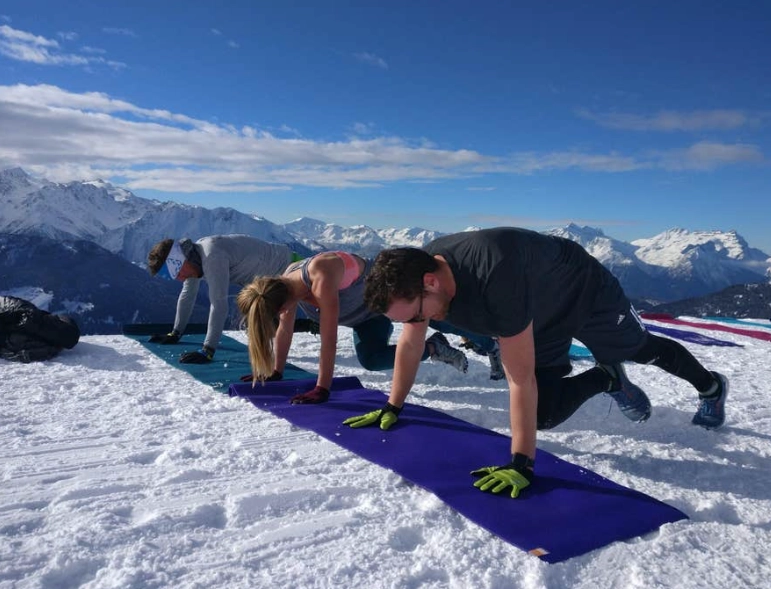
Frequently Asked Questions (FAQs)
Let's Get Started
So, that's the master plan. It might seem like a lot, but just start with Week 1. Pick your three days for exercise this week. Do your bodyweight squats and planks. Go for a couple of brisk walks. The hardest part is always lacing up your shoes on day one.
The process of learning how to get ski fit in 3 months is a journey. Some weeks you'll crush it, others you might miss a workout. That's life. The key is to get back on track. Your future self, gliding down the mountain with energy to spare, will thank you. Now get out there and build those ski legs.
Related Articles


Comments
Join the discussion