So you've booked your first ski lesson. Exciting! And maybe a little terrifying. That mix of anticipation and dread is completely normal. As someone who's taught hundreds of first-timers and seen every possible mistake (and made plenty myself starting out), I'm here to cut through the glossy brochure stuff. This isn't about becoming an Olympian in a day. It's about getting you from the lodge to the beginner slope and back with a smile, some solid skills, and without any major disasters.
Your First Ski Day: A Quick Roadmap
What to Wear & Rent: A Non-Negotiable Checklist
Let's start with the biggest source of first-day misery: being cold, wet, or uncomfortable. Getting this wrong can ruin your experience before you even click into a ski.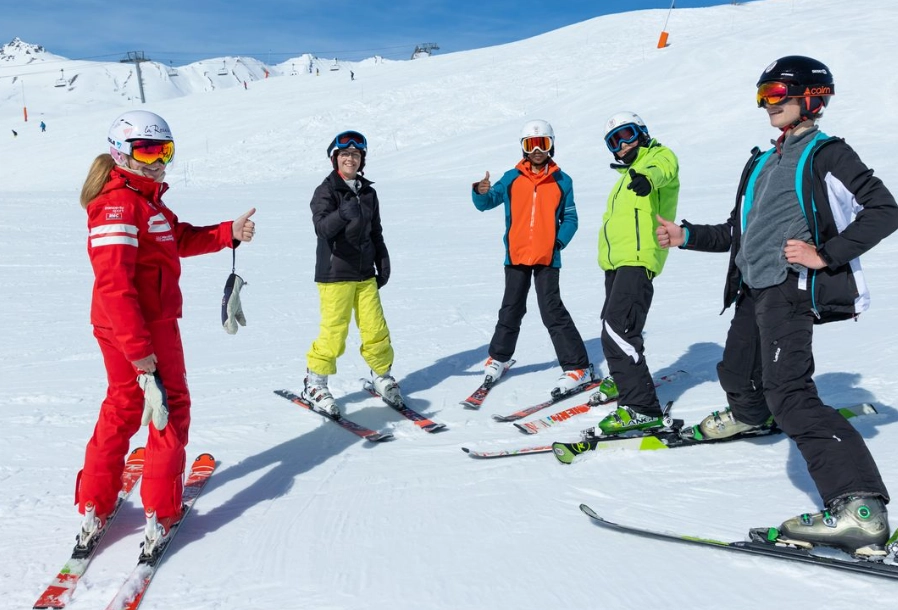
The Golden Rule: No Cotton. Cotton is the enemy. It absorbs moisture (sweat, snow) and holds it against your skin, making you cold fast. This applies to everything—socks, underwear, t-shirts.
You don't need the latest high-tech gear, but you need the right layers. Here’s the breakdown:
| Layer | What It Is & Why You Need It | Rent or Bring? |
|---|---|---|
| Base Layer | Long underwear (top & bottom). Moisture-wicking material like polyester or merino wool. Keeps sweat off your skin. | Bring. Not typically rentable. A cheap synthetic set from a sports store works perfectly. |
| Mid Layer | Insulation. A fleece jacket or pullover, or a lightweight puffy jacket. Traps warmth. | Bring. Use any outdoor fleece you own. |
| Outer Layer (Shell) | Ski Jacket & Pants. Must be waterproof and breathable. This is your shield against snow and wind. | You can rent these, but it's pricey. If you own a sturdy waterproof winter coat and snow pants, that's often fine for a first lesson. |
| Accessories | Thin ski socks (one pair!), warm gloves/mittens, neck gaiter/balaclava, goggles, helmet. | Gloves, goggles, and helmet are easy to rent. Bring your own socks and a neck warmer. |
The Rental Shop Experience
Get there early. Like, an hour before your lesson early. The process takes time. They'll measure your boot size—be brutally honest about any foot pain. A ski boot should be snug, like a firm handshake for your foot, but not cutting off circulation. Speak up if it hurts. For skis, they'll set the bindings based on your weight and beginner status. Don't touch the bindings yourself.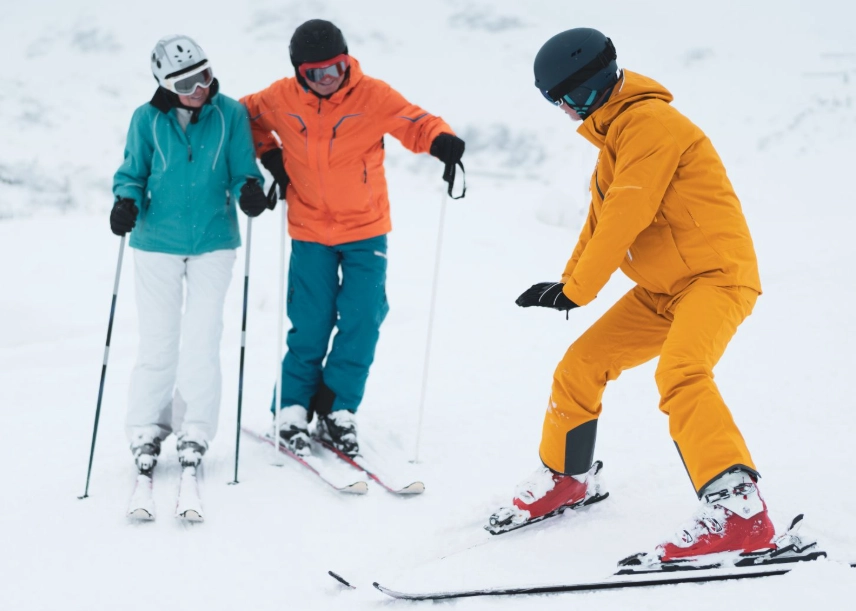
What You'll Actually Learn (And What You Won't)
Here's where reality sets in. Forget the Instagram videos of perfect turns. Your first lesson is about survival and control.
You'll likely spend the first 20-30 minutes on completely flat ground near the lodge. This is where you learn to walk in ski boots (awkward), carry your skis (clumsy), and put them on (a core workout). It feels silly, but it's essential.
The core skill of your first day is the Snowplough or Wedge. It's that pizza-slice shape you make with your skis to slow down and stop. You'll practice this on a tiny, gentle slope, often called a "bunny hill" or "nursery slope." The goal isn't speed; it's learning to control whatever speed you have.
You'll also learn how to use the beginner lift. This is usually a "magic carpet" (a moving sidewalk) or a very slow rope tow. Getting on and off is a skill in itself. Your instructor will demo it, and you'll probably fumble. Everyone does.
What you won't learn: Parallel turns, how to ski black diamond runs, or how to look cool doing it. If you can reliably stop and control your speed on the bunny hill by the end of your first lesson, that's a massive win.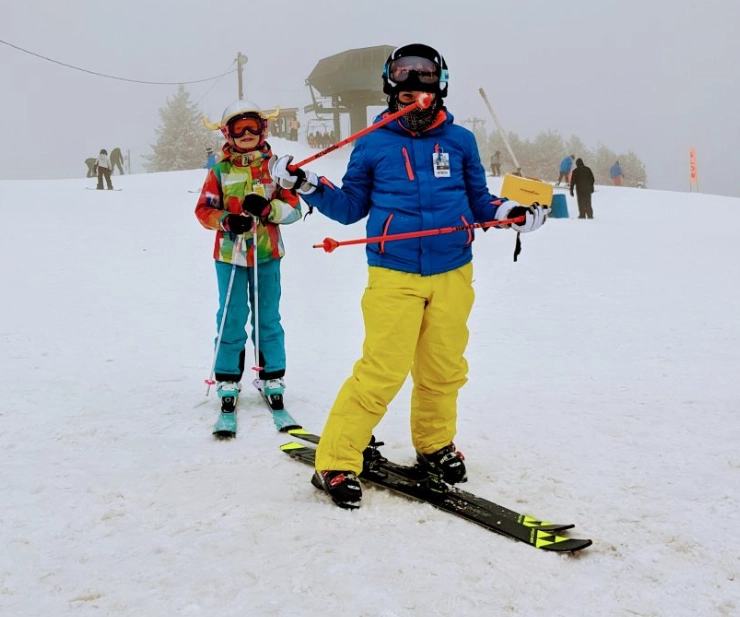
The Mental Game: Managing Fear & Expectations
The slope looks steeper when you're standing at the top. Your brain screams that sliding down is a bad idea.
Here's a truth most instructors know but don't always say: Falling is not failing. It's data. You fell because you leaned back, or your skis crossed, or you got stiff. The trick is learning to fall safely (to the side, not forward onto your wrists) and how to get up efficiently. Your instructor will show you. Practice it a few times on purpose. It demystifies the whole thing.
Set a micro-goal. "Today, I will learn to stop on command." Not "I will become a skier." The small wins build confidence.
And fatigue is real. Skiing uses muscles you forgot you had. A two-hour lesson is plenty. Don't feel pressured to keep going after. Your brain and body need to process the new movements. Call it a day, have a hot chocolate, and let it sink in.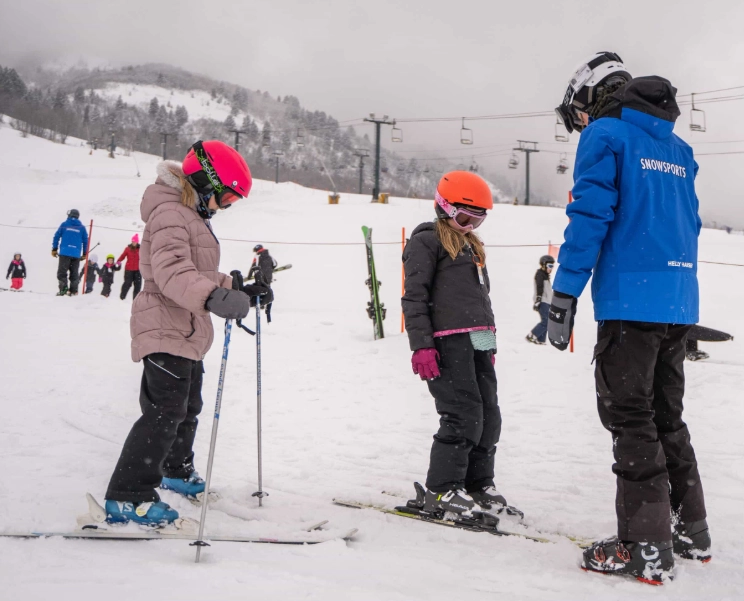
Logistics: Booking, Arriving, and Surviving the Day
Book your lesson in advance, especially during holidays. Look for "First Timer," "Never Ever," or "Beginner" packages. These often bundle a lesson, rental gear, and a beginner lift ticket at a good price.
Morning vs. Afternoon Lesson? Morning. The snow is fresher, you're less tired, and if you love it, you have the afternoon to practice. Afternoon lessons can mean choppy, "icy" snow that's harder for beginners.
Day-of timeline:
- -90 minutes: Arrive at resort. Park, find the rental shop.
- -60 minutes: Get fitted for rentals. Don't rush.
- -30 minutes: Find the ski school meeting area. Use the bathroom (getting out of ski gear is a process). Put on all your layers.
- -10 minutes: Meet your instructor. Be honest about your fitness and fears.
Pack snacks (energy bars), water, and sunscreen. The sun reflects off the snow, and you can burn badly even on a cloudy day.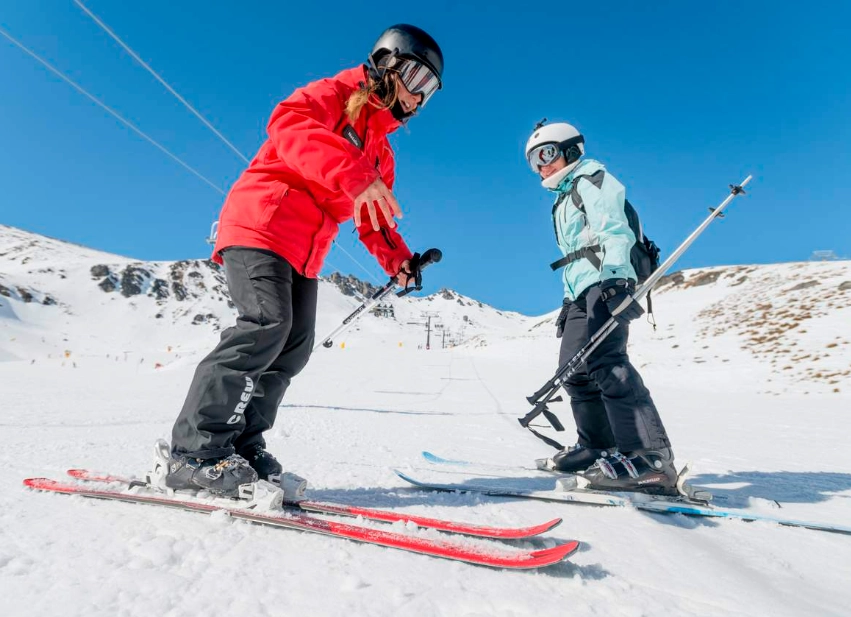
3 Beginner Mistakes Almost Everyone Makes (And How to Avoid Them)
After watching countless first-timers, these errors are universal.
1. The "Backseat Driver" Stance. Fear makes you lean back, away from the slope. This puts you off-balance, removes control from your ski tips, and makes turning or stopping nearly impossible. The fix: Consciously bend your ankles and knees, pushing your shins into the front of your boots. Keep your hands forward, like you're holding a lunch tray.
2. Staring at Your Ski Tips. Your body goes where your eyes go. Look down at your skis, and you'll go down. The fix: Look ahead 10-20 feet down the slope where you want to go. Your peripheral vision will handle the skis.
3. Using Rentable Gear as an Excuse. Yes, rental boots can be stiff and skis might not be perfect. But 95% of early struggles are technique, not equipment. Don't blame the gear prematurely. Focus on the movements your instructor is teaching. Good technique on mediocre gear beats bad technique on the best gear.
Your first time on skis is a unique experience. It's equal parts frustrating, exhausting, and exhilarating. Embrace the clumsiness. Laugh when you fall. Celebrate the small victories. That first controlled wedge stop feels like a gold medal. You're not just learning to ski; you're learning to move your body in a completely new way. And that's pretty cool.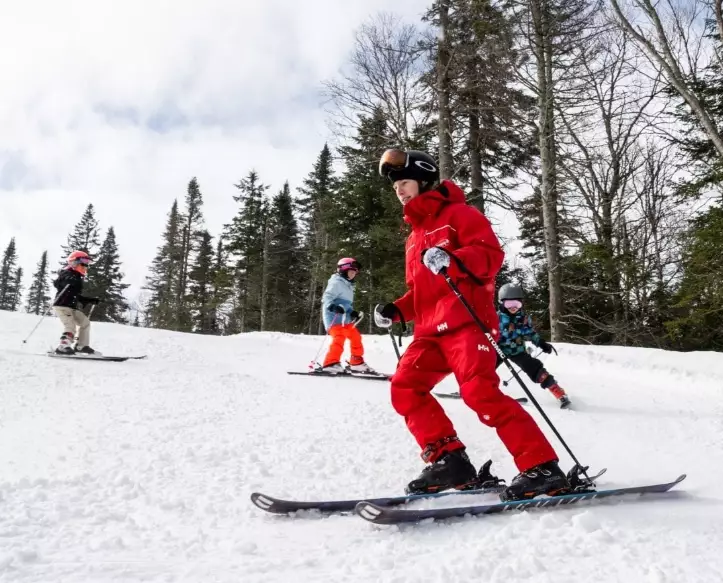
Quick Answers to First-Timer Questions
Related Articles
Comments
Join the discussion