Your Ski Fitness Roadmap
- Why Bother with Ski-Specific Fitness? (It's Not Just About Looking Good)
- The Pillars of Your Free At-Home Ski Fitness Program
- Your 8-Week Free At-Home Ski Fitness Blueprint
- Common Mistakes in At-Home Ski Training (I've Made Most of These)
- Answering Your Burning Questions (The FAQ)
- Taking Your Free Training to the Next Level
Let's be real. Gyms are expensive. Ski passes are expensive. The idea of forking out more cash for a "ski-specific" personal trainer can feel like a luxury you just can't justify. I get it. I've been there, staring at my bank account in November, wondering if my legs are going to turn to jelly by lunchtime on the first run of the season. That burning, quivering feeling halfway down a blue? Not fun. It's a sure sign you're not ski-fit.
But here's the good news. Getting your body ready for the slopes doesn't require a fancy gym membership or expensive equipment. In fact, some of the most effective ski fitness training you can do is absolutely free and happens right in your living room, hallway, or backyard. A proper ski fitness training at home free program is not only possible, it's incredibly effective. This isn't about getting bodybuilder huge; it's about building the specific strength, insane endurance, and rock-solid balance that skiing demands.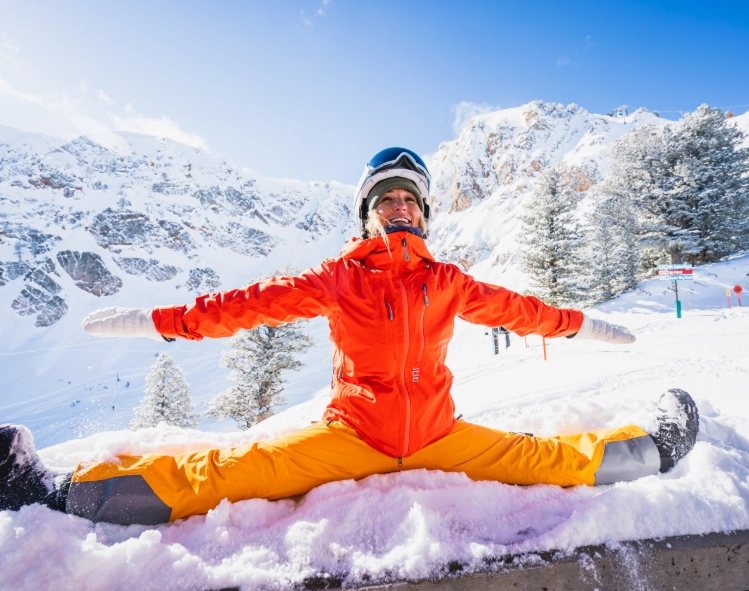
Think about what skiing asks of your body. It's a series of hundreds, maybe thousands, of isometric holds and explosive pulses. You're crouched in a dynamic stance for hours, your quads and glutes screaming as they absorb the bumps. Your core is constantly engaged, fighting to keep you upright as the terrain shifts. It's a unique beast. Training for it should be too.
The Core Philosophy: Your goal isn't to lift the heaviest weight once. Your goal is to lift your own body weight, with perfect control, for what feels like a thousand times, while standing on a moving, uneven surface. That's the mindset for effective free ski workout routines.
Why Bother with Ski-Specific Fitness? (It's Not Just About Looking Good)
Okay, let's skip the obvious "you'll ski better" part. Sure, you will. You'll tackle more runs, attack moguls with more confidence, and feel less like a newborn deer by the end of the day. But the real, often unspoken benefits are way more important.
First, injury prevention. This is huge. The American College of Sports Medicine (ACSM) consistently highlights that preparatory conditioning is a key factor in reducing sports-related injuries. Skiing puts tremendous strain on your knees (ACL, MCL, the whole gang), your hips, and your lower back. Weak muscles and poor stability make those joints bear the brunt of the force. Strong muscles, particularly around those joints, act like natural shock absorbers and stabilizers. A solid ski conditioning exercises routine at home builds that protective musculature.
Second, fatigue makes you clumsy. When your legs are exhausted, your form breaks down. You get back-seated. You stop turning with your edges and start skidding. That's when mistakes happen. Building muscular endurance means your technique stays sharp longer, which is just safer for you and everyone around you.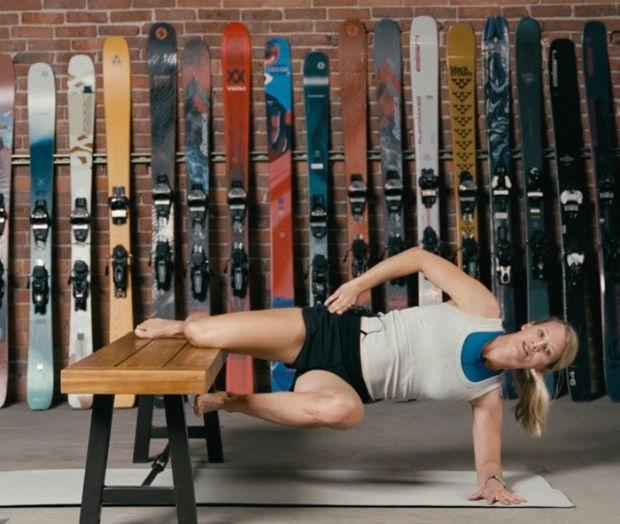
And third, pure enjoyment. There's nothing fun about being in pain. When you're fit, you can focus on the sheer joy of carving a turn, the cold air on your face, the scenery. You're not just surviving the run; you're actually enjoying it. That's the whole point, right?
The Pillars of Your Free At-Home Ski Fitness Program
Any good ski fitness training at home free plan needs to attack four key areas. Miss one, and you'll feel it on the mountain.
1. Leg Strength & Power (Your Shock Absorbers)
This is non-negotiable. Your quads, hamstrings, glutes, and calves are your primary suspension system. We're talking about exercises that mimic the skiing motion: lowering and rising with control, holding a partial squat, and pushing off laterally.
Bodyweight squats are your best friend, but you have to do them right. None of this quarter-squat business. Get deep. Feel the burn in the very bottom of the movement. That's where you need strength. Bulgarian split squats (using a chair or couch) are brutal and brilliant—they single out each leg, correcting imbalances and building serious stability. Don't neglect your hamstrings and glutes with bridges and single-leg deadlifts (a water bottle or book bag works as a weight). Weak glutes are a major culprit in knee pain for skiers.
2. Core Stability (Your Command Center)
If your legs are the engine, your core is the driver. It's not about doing a hundred crunches. It's about anti-movement. The core's job in skiing is to resist rotation and flexion, to keep your upper body quiet and stable while your legs work independently underneath. Planks are classic for a reason, but side planks are even more ski-specific. Think about resisting the G-forces in a turn. Pallof presses (using a resistance band anchored to a door) are a fantastic, underrated exercise for this. No band? Just focus on bracing your core as if you're about to be punched in the gut, and hold it while you move your limbs.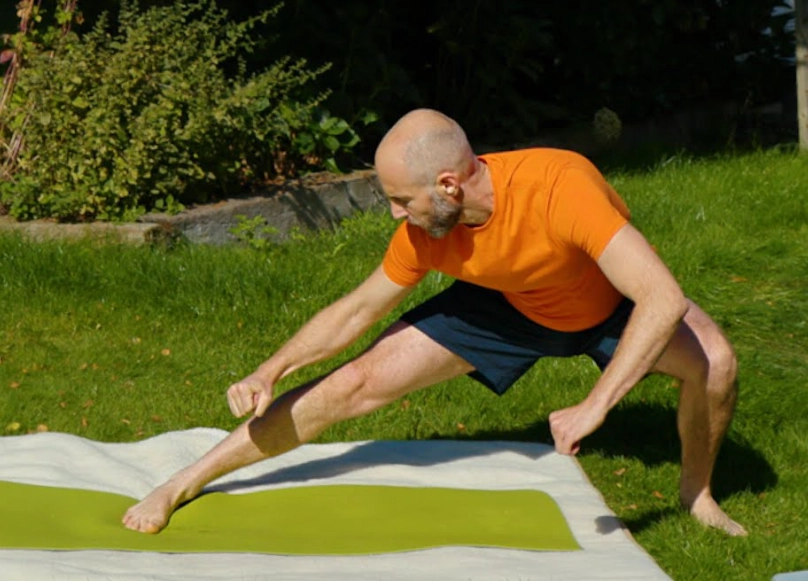
Pro Tip: Never hold your breath during core work. Breathe steadily while maintaining tension. That's how you train it for real-world endurance.
3. Balance & Proprioception (Your Internal GPS)
This might be the most overlooked aspect of free ski workout prep. Proprioception is your body's sense of where it is in space. On skis, your feet are locked in, so your ankles aren't doing much. The balance challenge moves up to your knees, hips, and core. You need to train your stabilizer muscles.
Single-leg stands are where you start. Close your eyes, and it gets ten times harder. Try doing your bodyweight squats on a folded-up towel or a couch cushion to create an unstable surface. Lunges with a torso twist (carefully!) challenge your balance in a dynamic way. This type of training has direct carryover to handling variable snow and unexpected bumps.
4. Cardiovascular Endurance (Your Fuel Tank)
Skiing is an interval sport. Short, intense bursts down a run, followed by a chairlift rest. The best cardio mimics that. Long, slow jogs have some benefit, but high-intensity interval training (HIIT) is the gold standard for ski fitness. Burpees, mountain climbers, high knees, jumping jacks—these get your heart rate soaring and then let it come down, over and over. It's miserable. It's also incredibly effective at building the specific stamina you need.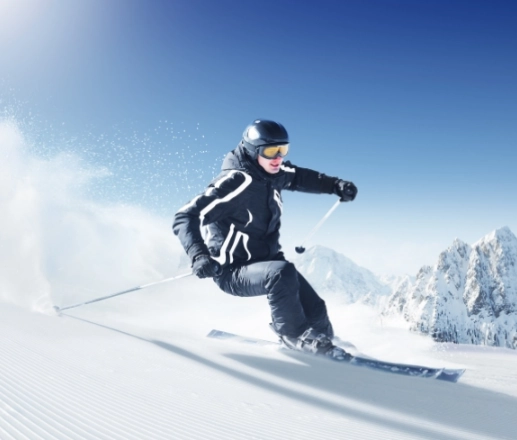
Your 8-Week Free At-Home Ski Fitness Blueprint
Alright, let's get practical. Here’s a sample week from an 8-week progressive program. This is a blueprint you can adapt. Listen to your body. If something hurts (bad pain, not good burn), stop. The goal is to get to the mountain, not the physio.
The beauty of a ski fitness training at home free plan is its flexibility. You need about 30-45 minutes, 3-4 times a week. I recommend a schedule like: Strength Day, Cardio/Balance Day, Rest, Strength Day, Cardio/Balance Day, Rest, Rest. Or mix and match based on your life.
| Day Type | Focus | Sample Workout (Perform in a circuit, 3 rounds) | Key Cue |
|---|---|---|---|
| Strength Day | Legs, Glutes, Core |
|
Go slow on the lowering phase. Control is everything. |
| Cardio/Balance Day | Heart, Lungs, Stability |
|
Form over speed. If your balance breaks, reset. |
See? No magic equipment. Just effort. As the weeks go on, you increase the reps, the hold times, or decrease the rest periods. You can add more challenging variations like jump squats or single-leg glute bridges.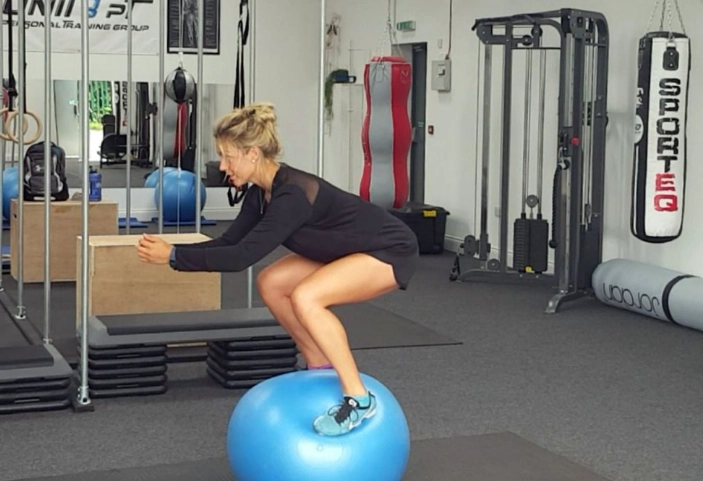
Common Mistakes in At-Home Ski Training (I've Made Most of These)
Let's be honest, it's easy to go wrong when you're coaching yourself. Here’s what to avoid to make your free ski workout actually useful.
- Neglecting the Posterior Chain: Everyone focuses on the quads. But your hamstrings and glutes are critical for knee health and power. If all you do is squat, you're only doing half the job.
- Skipping the Balance Work: It feels easy and maybe a bit silly. It's not. It's foundational. Don't skip it.
- Going Too Hard, Too Fast: You're excited, you do a crazy hour-long workout, and then you can't walk for three days. You skip the next session. Consistency with moderate effort beats heroic, sporadic efforts every time.
- Forgetting to Warm Up and Cool Down: Five minutes of leg swings, arm circles, and torso twists. Five minutes of static stretching at the end. It's not optional. It's what keeps you training consistently.
What is "Ski-Specific" Really Mean? It simply means training the movements and energy systems that skiing uses. It's not about mimicking the exact ski pose with weights (that can be risky). It's about building the component parts—strength in the right muscles, endurance for long efforts, stability for uneven loads—so your body can seamlessly put them together on snow.
Answering Your Burning Questions (The FAQ)
I get a lot of questions about this stuff. Here are the big ones.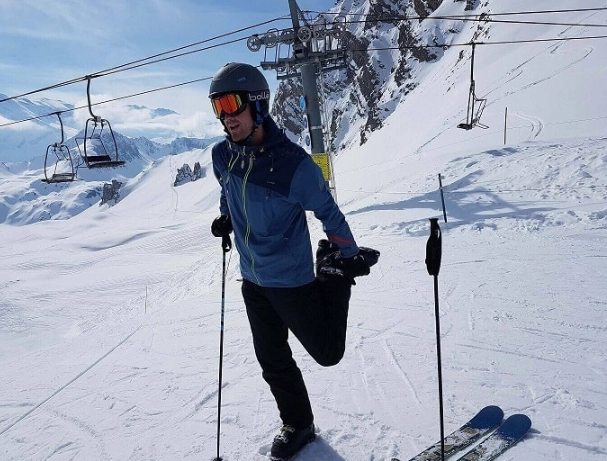
The ideal is 8-12 weeks out. That gives you time to build a base, progress, and maybe even deload a bit right before you go. But starting anything is better than starting nothing. Even 4 weeks of consistent ski fitness training at home free will make a noticeable difference compared to doing zero preparation.
Absolutely, especially if you're new to training or getting back into it. Your body weight provides plenty of resistance. The key is progression. Once standard squats get easy, you move to jump squats or pistol squat progressions. Once a regular plank is easy, you lift an arm or a leg. Your body is an endlessly adaptable piece of equipment. The National Strength and Conditioning Association (NSCA) principles of overload and progression apply just as much to bodyweight training as they do to lifting barbells.
You need about a yoga mat's worth of space. Really. Most of these exercises are stationary. For cardio, high knees and jumping jacks are compact. If you're in a tiny apartment, just be mindful of your ceiling and downstairs neighbors (maybe opt for march-in-place instead of jumps).
Form is everything. Use a mirror if you have one. Film yourself on your phone. Compare your squat to a reputable tutorial from a source like a certified physical therapist or strength coach on YouTube. Feeling the burn in the right muscle is a good cue. Knee pain during a lunge? You're probably letting your knee cave in or going too far forward. Back pain during a plank? Your hips are probably sagging. Reset.
A dedicated ski conditioning exercises routine at home is 100% enough for the vast majority of recreational skiers. It will dramatically improve your strength, endurance, and resilience. A gym offers more tools for variety and heavier loading, but it's not a requirement. Don't let the lack of a gym membership be an excuse to do nothing. The best program is the one you actually do.
The bottom line is this.
Waiting for the perfect gym setup or the perfect time is how you end up with sore legs on day one. Your living room floor is a perfectly good training ground. A water bottle is a fine weight. Your own commitment is the only truly essential piece of equipment.
Taking Your Free Training to the Next Level
Once you've mastered the basics of your free ski workout, you might crave a new challenge. Here's where to look without spending money.
Explore different exercise variations. Instead of a regular lunge, try a curtsy lunge or a lateral lunge. Add pulses at the bottom of your squat. Try a plank with alternating shoulder taps. The internet is full of bodyweight exercise libraries.
Play with workout structure. Try an EMOM (Every Minute On the Minute) workout: at the start of every minute for 15 minutes, do 10 squats and hold a plank for the remaining time. Rest during the next minute? Nope, start again. It's a brutal test of fitness and pacing.
Finally, remember that consistency beats intensity. Doing three 30-minute sessions every week for two months will transform you. A couple of heroic two-hour sessions will just make you sore and discouraged.
The mountain doesn't care how you got strong. It only cares that you are. So clear a little space, put on some music, and start building your ski legs. Your future self, cruising past the tired skiers on their third coffee break, will thank you.
Now, what are you waiting for? Your first ski fitness training at home free session starts now. Maybe just with some bodyweight squats while you're reading this. Go on.
Related Articles


Comments
Join the discussion