You've got your gear, you're staring at the pristine white slopes, and adrenaline is pumping. It's easy to think skiing is just about pointing your tips downhill. But there's another layer, a set of written and unwritten commandments that keep the mountain from descending into chaos. These aren't just suggestions from grumpy old-timers; they're the bedrock of safety for you and everyone around you. Most accidents happen because someone, knowingly or not, broke a fundamental rule.
I've seen it too many times. A skier cuts off a snowboarder without looking, a group blocks a narrow trail to chat, someone ducks a rope because "the powder looks untouched." These actions aren't just rude; they're dangerous. The rules aren't there to spoil your fun. They're the traffic laws of the slopes, and understanding what not to do is more important than knowing how to carve a perfect turn.
In This Article
The Golden Rule: The Skier's Responsibility Code
Almost every ski resort in the world bases its rules on the Skier's Responsibility Code, often posted on lift towers and trail maps. It's published by bodies like the International Ski Federation (FIS). Think of it as your mountain constitution. Violating it isn't just bad form; it can make you legally liable in an accident.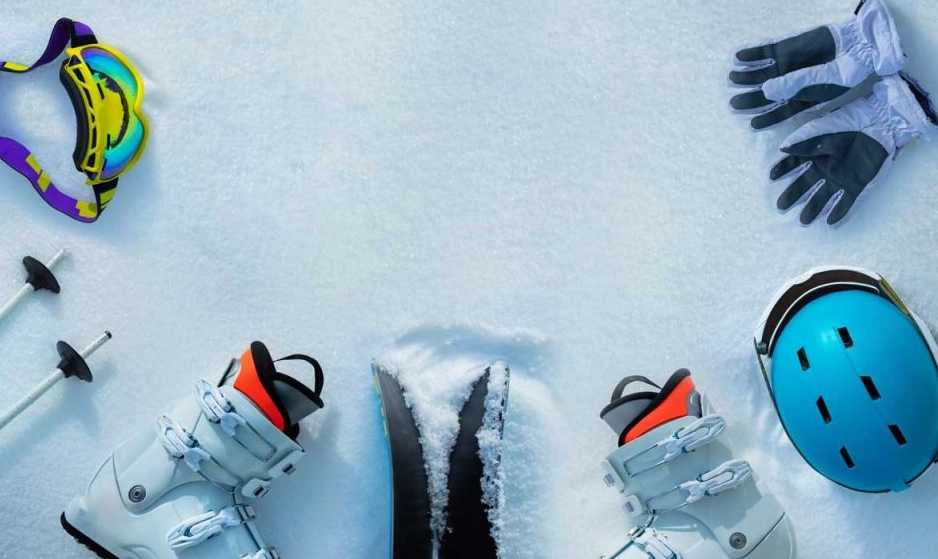
The code is a list of positive actions, but flipping it around reveals the core prohibitions. Here’s what it fundamentally asks you not to do:
The Core "Don'ts" from the Responsibility Code:
- Do not ski out of control. Your speed and turns must match your ability and the conditions.
- Do not stop where you obstruct a trail or are not visible from above. The middle of a run under a roll? A terrible idea.
- Do not start downhill or merge into a trail without looking uphill and yielding. The people above you have the right of way. Always.
- Do not ignore all posted signs and warnings. Those slow signs, closure ropes, and hazard markers are there for you.
- Do not ski in a closed area. This is non-negotiable.
- Do not use lifts unless you have the ability to load, ride, and unload safely. If you're not sure, ask the attendant for help.
That last one about lifts is a biggie. I once saw a beginner panic on a detachable high-speed chair, try to jump off early, and get tangled. The lift had to be stopped for 20 minutes. It was scary for them and frustrating for hundreds of people in line. Knowing your limits is part of the rules.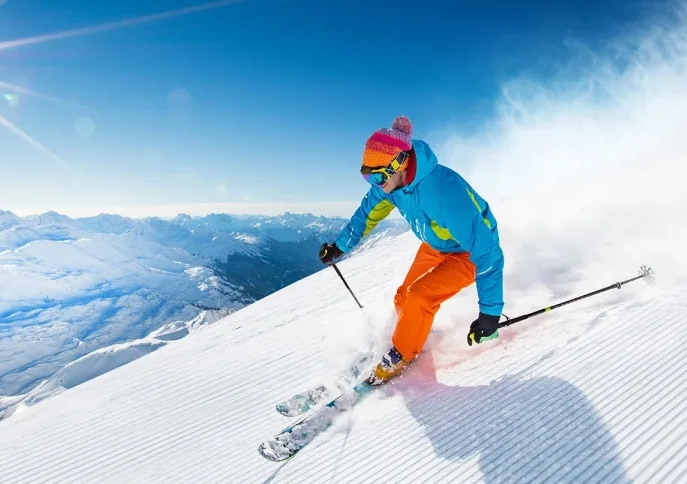
Beyond the Basics: Specific Things You Must Avoid
The Responsibility Code is the framework, but the devil is in the daily details. Here are specific, concrete actions that rules and common sense demand you avoid.
On the Slopes: The Traffic Violations
This is where most conflicts happen. The mountain is a shared space with skiers and riders of wildly different speeds and skills.
- Do not "straight-line" through crowded beginner areas. You might be practicing for a speed trial, but the green circle zone is a nursery. Your massive spray and blur of speed is terrifying to someone learning to snowplow.
- Do not treat the entire width of the trail as your personal slalom course. Making giant, unpredictable turns across the full run makes you impossible to avoid. Pick a line and be predictable.
- Do not ski while impaired. This should be obvious, but the "après-ski" can start too early. Alcohol and drugs severely impair reaction time and judgement on an already dangerous playground.
- Do not abandon your equipment in the middle of a run. A lone ski or pole lying on the snow is a lethal trip hazard. If you lose something, make every effort to mark it and retrieve it quickly.
In the Terrain Park & Off-Piste
Specialized areas have specialized rules. The Smart Style program outlines park safety, which boils down to key prohibitions.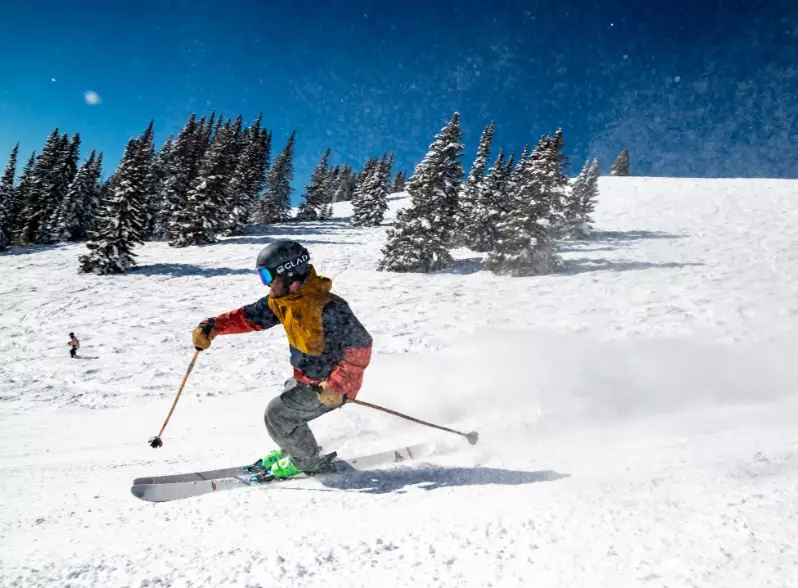
| Area | What Rules Ask You NOT To Do | Why It Matters |
|---|---|---|
| Terrain Park | Do not stop on the landings or in the middle of features. Do not hit a jump or rail without first scoping the approach and landing. Do not "snake" (cut in line) for a feature. | Landings need to be clear for the next person. A collision here at high speed can be catastrophic. Scoping prevents surprises. Snaking causes frustration and rushed, unsafe attempts. |
| Glades / Trees | Do not ski alone. Do not venture in without knowledge of the exit and avalanche risk. Do not assume a tracked line is safe. | Tree wells are a silent killer. If you fall headfirst into one, you need a partner to dig you out immediately. Avalanche danger is real in sidecountry areas. |
| Out of Bounds | Do not cross the boundary rope unless you are prepared with avalanche gear (beacon, probe, shovel), knowledge, and a partner. Do not assume ski patrol will come find you. | You are on your own. Rescue is not guaranteed and will be incredibly expensive. This is the most serious rule you can break. |
A Non-Consensus View on Control: Most people think "skiing in control" means not falling. That's wrong. I've seen expert skiers fall safely all the time. Being out of control means you are skiing at a speed or in a manner where you cannot stop or avoid other people or objects within your sight line. If you're zooming down so fast that you wouldn't be able to react to a child suddenly appearing 50 feet ahead, you're out of control, even if you're still on your feet.
How Not to Be "That Person" on the Chairlift
Lift lines are pressure cookers of frustration. The rules here are mostly about efficiency and safety.
Do not:
- Cut the line. "My friend is up there" is not a valid excuse. Merge at the appropriate point if lines join.
- Fail to lower your safety bar. Once everyone is settled, the bar comes down. It's not optional. It prevents falls and provides a footrest. Announce "bar coming down" as a courtesy.
- Throw snowballs or drop items from the lift. It's dangerous for people below and just plain childish.
- Swing or bounce the chair. You're not on a playground. It stresses the cable and scares your fellow passengers.
- Be unprepared to unload. As you approach the top, lift your ski tips, have your poles ready, and stand up smoothly when your skis hit the ramp. Hesitation or falling causes a domino effect of stoppages.
Rules for When Things Get Tough: Bad Weather & Steep Terrain
Rules aren't just for sunny bluebird days. They're most critical when conditions deteriorate.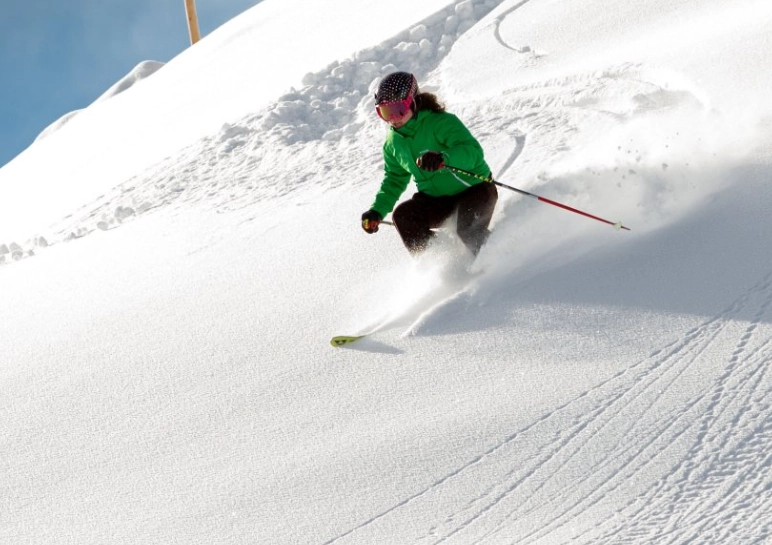
In flat light, fog, or white-out conditions, the number one rule is: do not ski blindly. Your visibility is near zero. What you must NOT do is continue charging down at your top speed. Slow down dramatically. Stick to familiar, easier trails with clear boundaries. If you can't see the next turn, you're a hazard to yourself and others.
On steep, expert terrain (double black diamonds), the social contract changes slightly. The rule here is: do not stop below the roll-over of a steep pitch. If you fall, try to scramble to the side as fast as possible. Someone coming over the lip above you will have zero time to react if you're sitting in the middle of the fall line. This is a specific, advanced application of the "don't stop where you can't be seen" rule.
It's More Than a List: The Spirit of the Rules
At its heart, the entire rule set for skiing boils down to two principles: Be predictable and Be aware.
Predictability means skiing a consistent line, signaling your intentions, and following the established flow of traffic. Awareness means constantly scanning your environment—uphill, downhill, and to the sides—and adjusting your behavior to keep everyone safe.
The rules don't ask you to be the best skier on the mountain. They ask you to be the most considerate one. They ask you not to let your pursuit of fun become someone else's emergency.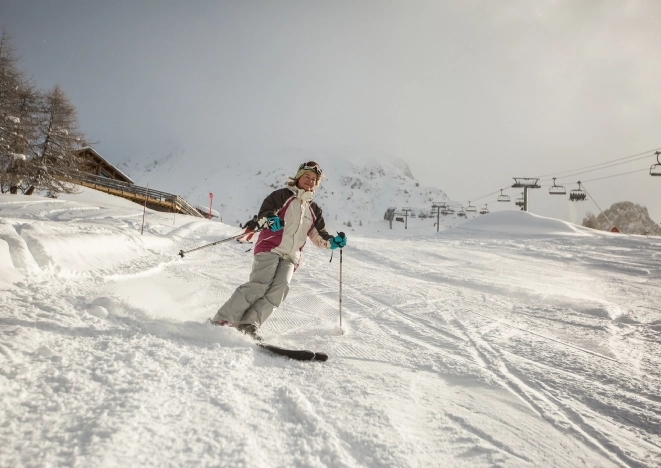
Your Burning Questions Answered
What is the single most important rule skiers often ignore?
Can I get in trouble for skiing in a closed area if it looks safe?
What should I do if I see someone clearly breaking the rules?
Are the rules different for snowboarders?
Related Articles
Comments
Join the discussion