Look, we've all been there. You can cruise down blues without thinking, maybe even tackle a black diamond if it's groomed and you're feeling good. But then you see someone absolutely ripping a line down a steep, icy chute or dancing through a field of moguls like it's nothing, and you think… how? What do they know that I don't? The gap between confident intermediate and skilled advanced skier feels huge. It's not just about bravery or fitness (though those help). It's about a toolkit of specific, learnable skills. This is where a structured approach to advanced skiing techniques step by step becomes your best friend.
Your Skiing Progress Roadmap
- The Foundation: Mindset and Gear Before Technique
- Module 1: Mastering the Carved Turn – The Cornerstone of Control
- Module 2: Conquering the Mogul Field – Rhythm Over Strength
- Module 3: Steeps, Powder, and Variable Snow – Adapting Your Toolkit
- Common Pitfalls and How to Fix Them (The "Why Am I Still Struggling?" Section)
- Your Questions, Answered (The Stuff You're Actually Googling)
I remember the season I decided to move past my plateau. I'd watch videos, try to mimic movements, and end up frustrated when my legs felt like jelly after three mogul runs or I'd skid out on a hard carve. The problem was I was trying to do the final product without understanding the ingredients. I was missing the progression.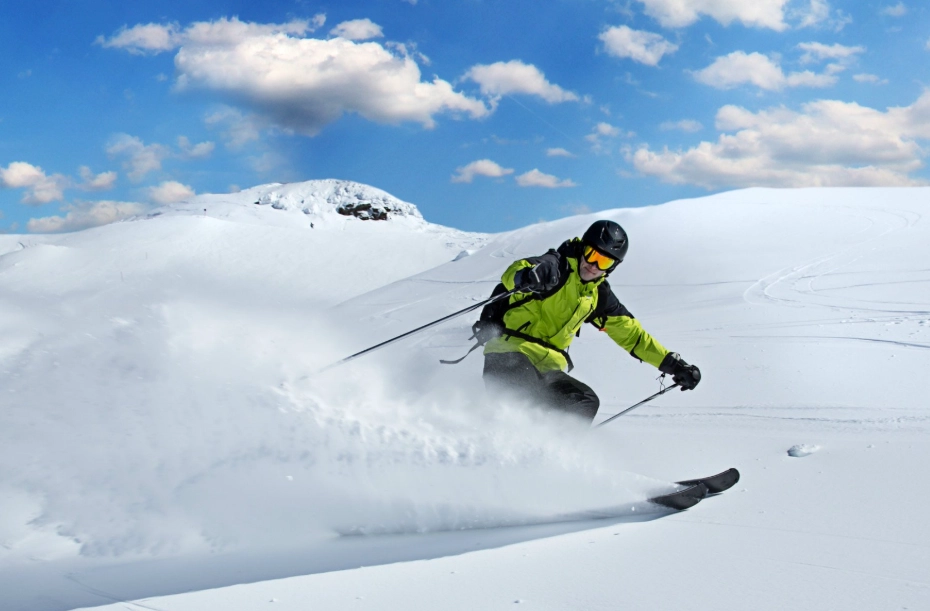
This guide is the progression I wish I'd had. We'll move beyond the "just do it" advice and get into the how. We'll cover the mental shift, the gear considerations (no, you don't always need the most expensive skis), and then dive into the core techniques for different terrains. I'm certified through the Professional Ski Instructors of America (PSIA), and their framework for skill development is solid gold, which I'll reference where it makes sense. You can check out their resources for instructor methodology on their official site, the PSIA-AASI website.
Let's get started. Forget about looking cool for a second. We're here to build competence, which ends up looking plenty cool anyway.
The Foundation: Mindset and Gear Before Technique
Before we touch a single advanced skiing technique step by step, we need to set the stage. Skiing advanced terrain with intermediate skills is a fast track to a bad time, or worse, an injury.
Your brain is your most important piece of equipment. Advanced skiing requires proactive thinking, not reactive survival. You need to be reading the terrain three turns ahead, planning your line, and committing to it. Hesitation in steeps or moguls is where things fall apart. This mental shift—from passenger to pilot—is non-negotiable.
Now, let's talk gear. I'm not a gear snob. Some of my best days were on old, beat-up skis. But for consistent progress in specific advanced skiing techniques, the right tool helps a ton.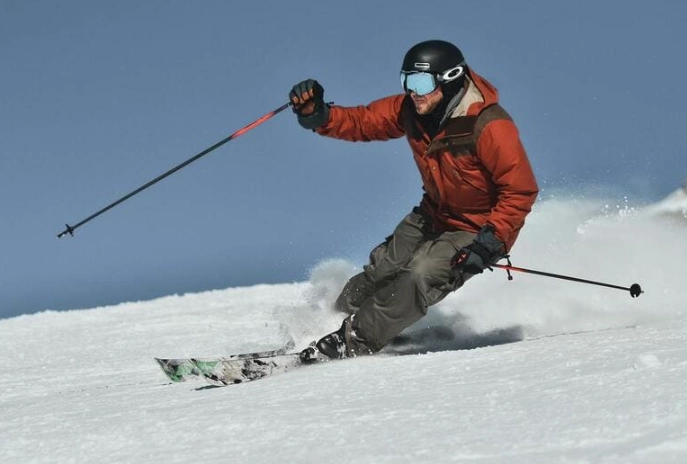
Boots, however, are where you should not compromise. Advanced techniques demand precise communication between your body and your skis. If your boots are too big, soft, or just plain wrong for your foot, you're trying to write a novel with a broken pencil. Get a professional boot fitting. It's the single best investment you can make in your skiing.
Here’s a simple table to demystify the ski choice part of the equation. It's not exhaustive, but it highlights the key differences for the techniques we'll cover.
| Ski Type / Focus | Typical Width (Underfoot) | Best For These Advanced Techniques | Where It Might Hold You Back |
|---|---|---|---|
| Frontside Carver | 65mm - 80mm | High-speed carving on groomers, firm snow, ice. Learning clean edge engagement. | Deep powder, heavy crud, very variable snow. |
| All-Mountain (Narrow) | 80mm - 95mm | Versatile daily driver. Good for carving, moguls, light powder. The "do-it-all" learner's tool. | Not exceptional in any one category, but very competent in most. |
| All-Mountain (Wide) | 95mm - 110mm | Powder, crud, variable conditions, off-piste exploration. | Hard, icy groomers where precision carving is the goal. |
| Powder Ski | 110mm+ | Deep snow flotation, surfing feel. Specialized for deep days. | Hardpack, moguls, technical skiing on firm snow. Can feel like steering a canoe on a highway. |
See? It's about matching the tool to the task. Trying to learn dynamic short-radius turns on a 115mm powder plank is an exercise in frustration.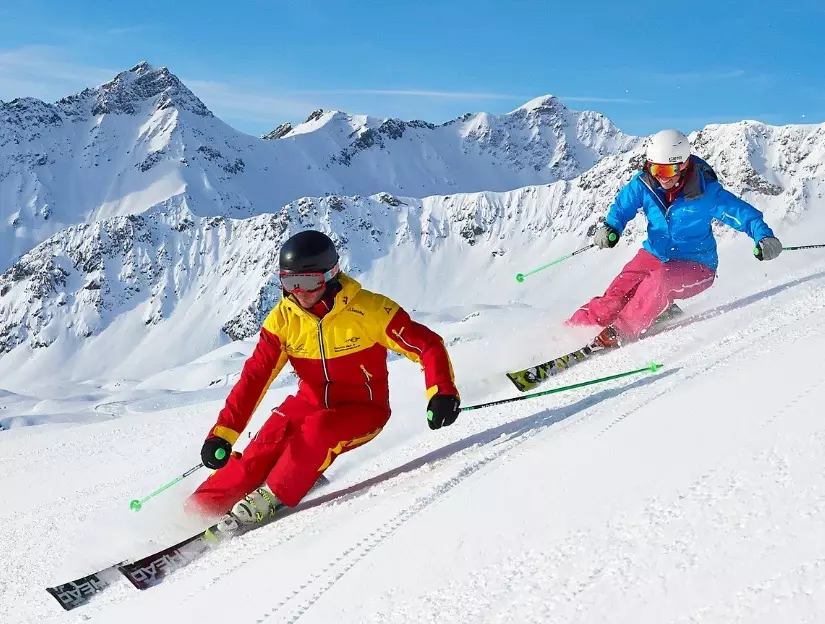
Module 1: Mastering the Carved Turn – The Cornerstone of Control
This is where it all begins for advanced skiing on groomed terrain. A skidded turn is a controlled slide. A carved turn is where your ski's metal edge cuts a clean arc in the snow, like a train on a track. It's more efficient, more stable at speed, and the foundation for everything else. Let's walk through advanced skiing techniques step by step for carving.
The feeling you're after is being pulled around the turn by your skis, not pushing them around.
The Four-Phase Carving Progression
1. Initiation and Edge Engagement: Forget about twisting your skis. Carving starts with a subtle, total-body inclination into the hill. Think about moving your inside hip and knee towards the slope. This angles your skis on their edges. The pressure should be on the ball of your outside (downhill) foot. A common drill is to try to lift the inside ski's little-toe edge off the snow at the start of the turn. If you can do that, you're edged.
2. The Build Phase: As the ski starts to bend and follow its sidecut, you need to maintain and increase pressure on that outside ski. This is where strong ankle flexion and a quiet upper body are key. Let the ski do the work. Your job is to stay balanced over it. Imagine crushing a can under the ball of your outside foot.
This is the moment most people give up and skid.
3. Managing Pressure and Steering: In a pure carve, you're not steering much with your feet. You're managing the pressure along the length of the ski. To finish the turn and start the next, you gradually roll your ankles and knees to release the edges and then engage the new edges. It's a smooth, continuous roll, not a hop or a jump. The steering comes from the ski's shape, not your muscle.
4. Completion and Transition: The turn finishes with you having maximum edge angle (leaned over quite a bit) and then—smoothly—allowing your body to come back up and over your skis as you roll into the next turn. This transition is fluid, not a reset to a neutral position.
Practice this on a gentle, wide blue slope first. Focus on the sensation of the ski tracking, not sliding. Speed is actually your friend here—too slow and the ski won't generate enough force to bend properly.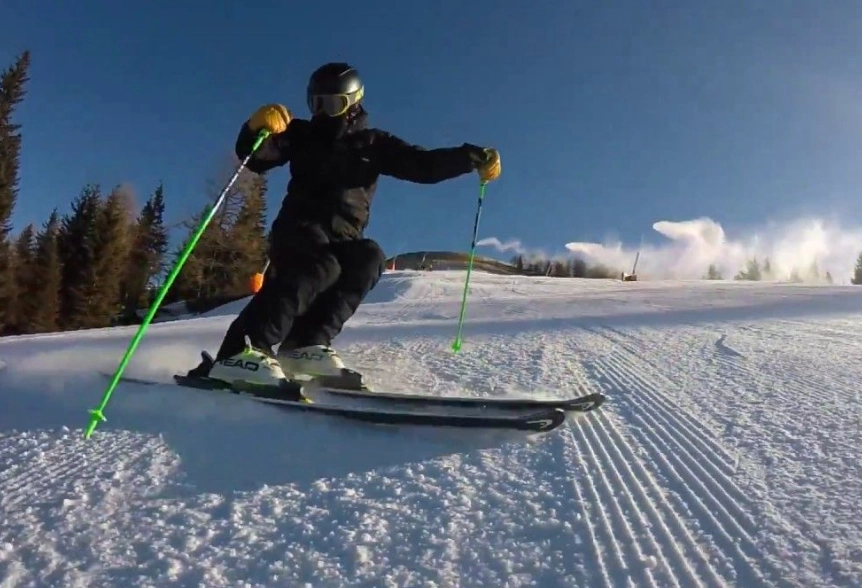
Module 2: Conquering the Mogul Field – Rhythm Over Strength
Moguls (or bumps) scare people. They look chaotic. The classic mistake is to fight each one individually, which is exhausting. The secret? Don't ski the bumps. Ski the valleys between them. Your line is the low points. This changes everything. Here's a step-by-step approach to looking graceful, not graceless, in the bumps.
First, gear choice matters slightly less here, but a softer, more forgiving ski can be a kinder teacher. The technique, however, is universal.
The Bump Skiing Checklist
- Eyes Up & Line Selection: Look two or three bumps ahead, at the valley you're aiming for. Your skis will follow your eyes. Pick a line that follows a consistent fall line—don't zigzag wildly across the hill right away.
- Absorb and Extend: This is the fundamental motion. As your skis enter the trough, bend your ankles, knees, and hips (absorb) to suck up the bump. As you crest the top and start into the next trough, extend your legs to push your skis down into the next valley. It's a constant, rhythmic pumping motion. Think of a shock absorber.
- Pole Plant is Your Metronome: A quick, light pole plant on the top of every bump is crucial. It marks your turn timing, helps with balance, and initiates the turn. It's not for support; it's a timing device. Tap, don't stab.
- Upper-Lower Body Separation: Your legs are doing this intense absorb-extend dance underneath you, but your shoulders and hips should remain facing downhill as much as possible. This keeps you stable and ready for the next turn. Don't let your whole body get thrown around by each bump.
- Start Slow, Master the Zipper Line: Don't head straight for the steepest, nastiest bump run. Find a mellower, medium-sized mogul field. Practice linking just three turns in control. Then five. Then the whole run. The famous "zipper line" (bump tops directly in the fall line) is the expert test piece—work up to it.
I used to hate moguls because I'd be gassed after one run. Once I stopped fighting each bump and started riding the rhythm, it became a fun puzzle. It still requires fitness, but it's a different kind of effort.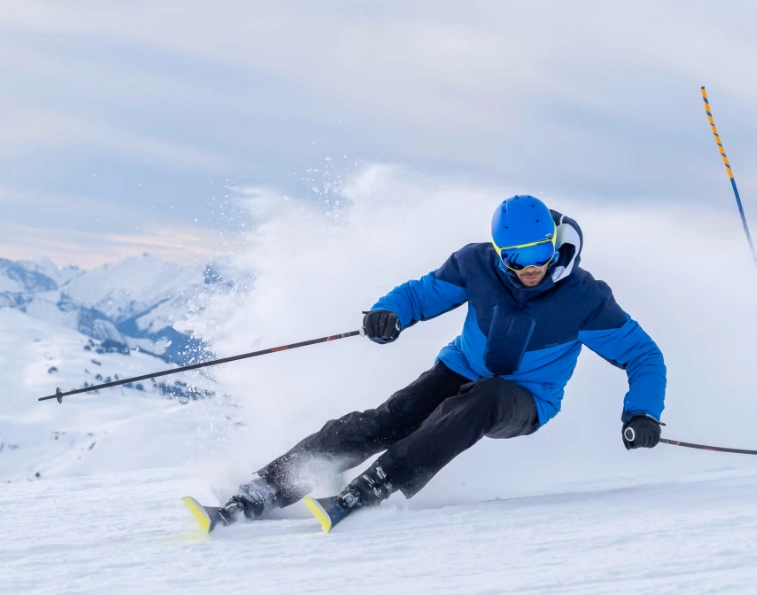
Module 3: Steeps, Powder, and Variable Snow – Adapting Your Toolkit
Advanced terrain isn't just groomers and bumps. It's the off-piste, the chutes, the powder stashes, the crud. Each demands a slight adaptation of your core skills.
Skiing Steep Terrain: The Psychology of the Fall Line
The technique on a steep, groomed black diamond isn't radically different from a blue. It's the mental game and commitment level that are. The slope wants to pull you straight down, and your instinct is to lean back and brake. That's the worst thing you can do.
You must keep your weight forward, over your boots. Make decisive, committed turns. A hesitant, half-finished turn will leave you sliding sideways with no control. Look for a safe spot to finish your turn (a slightly flatter area, near a tree well), and go for it. Pole plants become even more critical for balance and timing. The steeper it is, the more important it is to finish your turn across the hill to control speed.
Powder Skiing: The Art of Floating
Powder is the holy grail for many. The technique is the opposite of hardpack. You want to be centered or even slightly back on your skis to keep the tips up. You steer with your feet more than you carve. Wider skis help, but the motion is key.
Think of making smooth, rounded turns like you're drawing big "S" shapes in the snow. Unweighting to start the turn is helpful—a small hop or upward motion to get the skis light so you can pivot them. Keep your skis close together; this helps them act as one platform. And relax! Let the snow support you. Fighting it makes you sink. The PSIA calls this "flow state" skiing for a reason. For a great visual and technical breakdown of modern powder technique, the International Ski Federation (FIS) site, while competition-focused, often has technique analysis that highlights fundamental body positions applicable to deep snow.
Variable snow (crud, chopped-up powder, slush) is the final boss of adaptability. It requires strong, balanced legs and the willingness to let your skis deflect a bit. You can't be rigid. Make slightly wider, more powerful turns, and use your legs as active suspension, constantly absorbing unexpected lumps. It's tiring but incredibly rewarding when you can ski anything the mountain throws at you.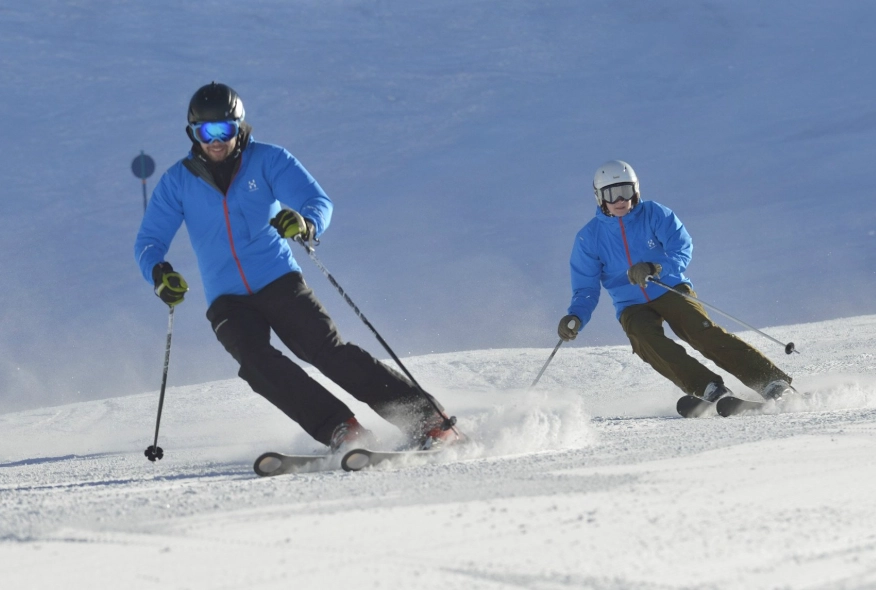
Common Pitfalls and How to Fix Them (The "Why Am I Still Struggling?" Section)
You've read the steps, you've practiced, but something still feels off. Let's troubleshoot. Here are the top three physical roadblocks I see in aspiring advanced skiers.
- The Backseat Driver: Leaning back, especially when scared. Your quads burn, you have no steering power, and you're one bump away from sitting down. Fix: Consciously press your shins into the front of your boots all the time. Practice on easy terrain by trying to lift your toes inside your boots. This forces you forward.
- The Upper Body Twister: Trying to steer the skis by rotating your shoulders and arms. This leads to skidding and a complete loss of lower-body independence. Fix: Practice holding your poles across your body in front of you, parallel to the snow. Ski easy turns without letting the poles rotate. It forces your legs to do the work.
- The Static Stance: Standing stiff-legged, trying to balance. Skiing is a dynamic sport. Fix: On a cat track or easy green, practice making little bouncing motions, flexing and extending your ankles. Get used to the feeling of active legs. Then take that feeling into your turns.
Progress isn't linear. You'll have bad days. I still do. Sometimes the conditions are trash, your legs are tired, or your head just isn't in it. That's okay. Call it early, have a hot chocolate, and try again tomorrow.
Your Questions, Answered (The Stuff You're Actually Googling)
Look, at the end of the day, this is all about having more fun. More fun carving arcs on a sunny groomer, more fun picking through a bump line, more fun floating through fresh snow. By breaking down these advanced skiing techniques step by step, you're giving yourself the tools to access that fun in more places on the mountain.
Start with one thing. Maybe this weekend, you focus solely on keeping your shins pressed forward. Next time, work on that pole-plant rhythm in some small bumps. Celebrate the small wins. That feeling when a carved turn finally clicks, or you link three moguls smoothly—that's the good stuff. That's what keeps us coming back.
Now go get some turns in. And remember, even the experts were once beginners staring down a blue run, wondering how they'd ever make it down.
Related Articles


Comments
Join the discussion