Quick Navigation
- The Expert Mindset: It's Not (Just) About Your Legs
- Revisiting the Foundation: What You Probably Got Wrong
- The Core Techniques That Define Expert Skiing
- Fixing the Top 3 Expert-Level Bad Habits
- Gear Matters (But Not How You Think)
- Your Expert Skiing Technique Toolkit: Drills & Practice
- Answering Your Burning Questions (FAQ)
- Putting It All Together: The Expert's Run
Let's be honest. You've been skiing for a while now. You can handle most black runs, maybe even some ungroomed stuff, and you don't panic when the visibility drops. But there's this nagging feeling, right? You watch those skiers who look like they're glued to the mountain, making effortless arcs with a quiet shhhhk sound, and you wonder… what's the secret? What are the best expert skiing techniques that bridge the gap between competent and masterful?
I spent years chasing that feeling. I took lessons, wore out ski DVDs (remember those?), and even had a phase where I thought buying a more expensive ski would magically fix my technique. Spoiler: it didn't. The real shift happened when I stopped trying to learn a bag of tricks and started understanding the principles behind expert-level skiing. It's less about specific moves and more about a refined, efficient application of fundamental physics and body awareness.
This isn't about looking cool (though that's a nice side effect). It's about expanding your terrain options, skiing with less fatigue, and finding a deeper, more responsive connection with the snow. The best expert skiing techniques are about control, not just speed.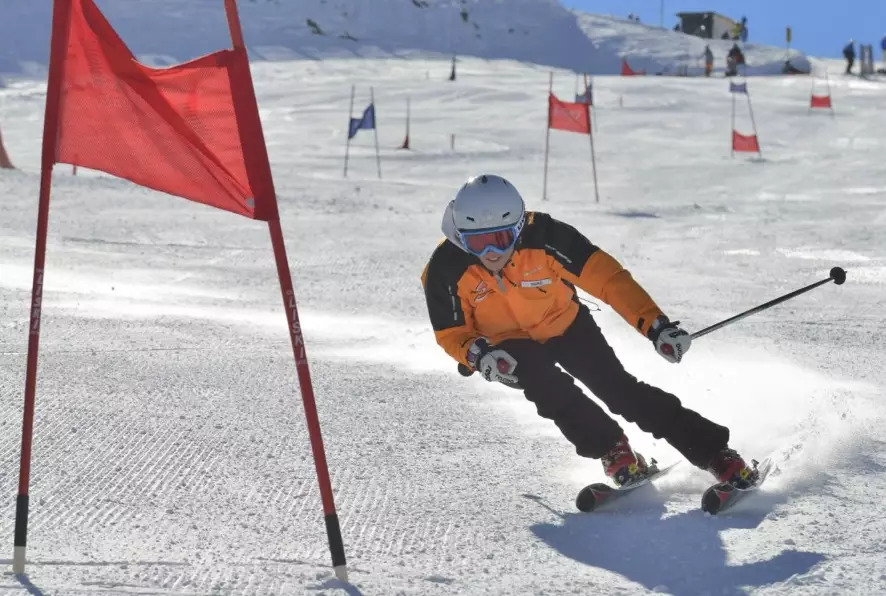
The Expert Mindset: It's Not (Just) About Your Legs
Before we dive into the physical stuff, we have to talk about the brain. This might be the most overlooked aspect of advanced skiing. At the expert level, your mind is your primary tool—or your biggest obstacle.
Fear is the great limiter. It makes you stiff, it pulls you into the dreaded "backseat," and it kills any chance of fluid movement. I remember the first time I stared down a genuinely steep, bumped-up chute. My brain screamed "NO!" and my body locked up. The best expert skiing techniques are useless if your mind is in survival mode.
So, how do you manage it?
First, acknowledge it. It's normal. Then, break the terrain down. Don't look at the entire run; pick a line two or three turns ahead. Focus on the process of making the next turn, not the consequence of falling. Breathe. Seriously, forceful exhales as you initiate a turn can work wonders to release tension. This mental management is the invisible foundation for all the physical skills that follow.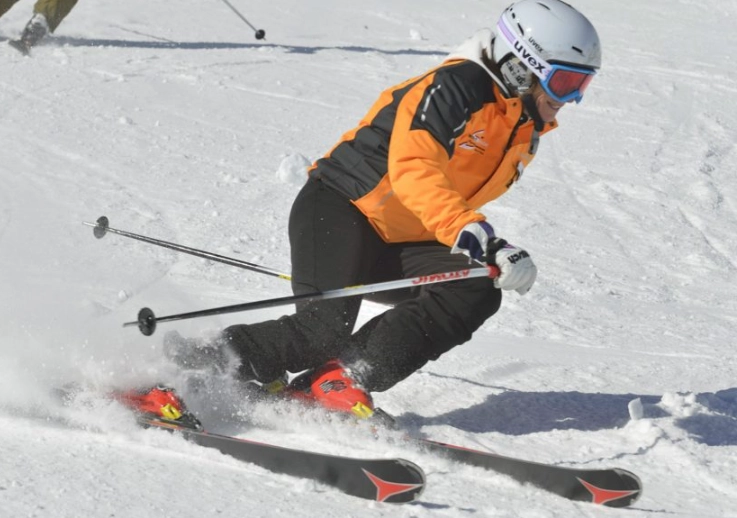
A quick reality check: Some online forums make it sound like you just need to "commit more" or "be more aggressive." That's terrible advice if your technique isn't there to support it. Aggression without precision leads to crashes. True expert technique is about calm, deliberate action, not brute force.
Revisiting the Foundation: What You Probably Got Wrong
Here's the uncomfortable truth: most intermediate-to-advanced skiers have gaping holes in their fundamental stance and balance. We think we've moved past the basics, but the best expert skiing techniques are built on a flawless, dynamic version of them.
Anterior Balance: The Holy Grail
You've heard "lean forward" a million times. That's misleading. It's not about leaning; it's about having your center of mass (roughly your navel) positioned over the middle to front of your boot. In a static position, you should feel steady pressure against the shins of your boots. When you're moving, this "anterior balance" allows you to direct pressure to the shovel (front) of the ski instantly, which is where you initiate a carved turn.
Try this next time: On a gentle slope, lift your toes inside your boots. Feel how that pulls you back? Now, press your shins firmly into the front of the boot. That's the feeling. The ski becomes an extension of your leg, not a plank attached to your foot.
Quiet Upper Body, Active Lower Body
This is the classic separation. Your shoulders and hips should generally face downhill, acting as a stable platform. All the turning action comes from your legs rotating underneath that stable torso. A common mistake is "shoulder steering"—twisting your upper body to force the skis around. It works on easy terrain but falls apart completely in challenging snow or at speed. The best expert skiing techniques rely on independent leg action.
"The goal is to have your lower body look like it's in a washing machine while your upper body remains as calm as a librarian." – An old instructor of mine who had a way with words.
The Core Techniques That Define Expert Skiing
Alright, let's get into the meat of it. These aren't separate tricks but interconnected components of a single, fluid motion.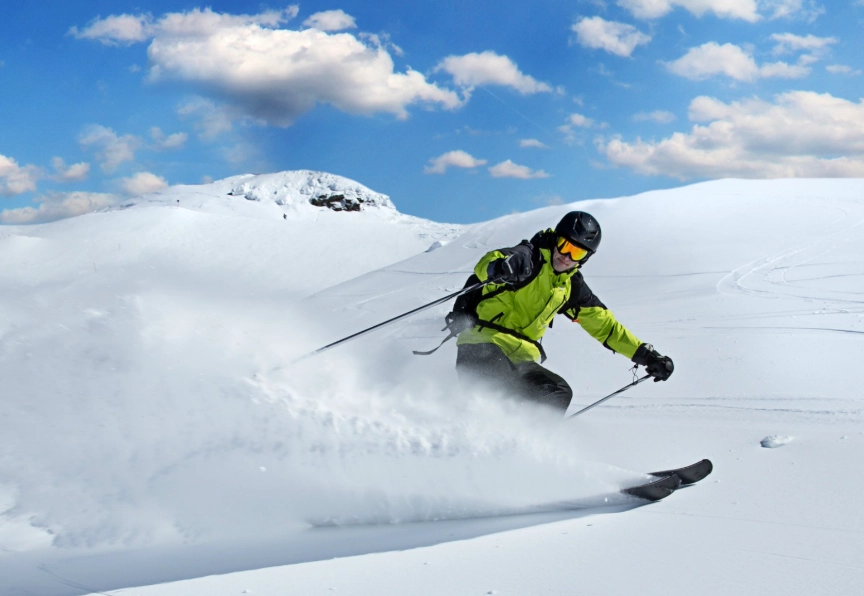
Dynamic Parallel Turns with Early Edge Engagement
This is the bread and butter. The expert turn starts at the end of the previous turn. As you finish one arc, you begin to subtly lighten the pressure on your skis (this can be a tiny up-motion or just a relaxation). This unweighting allows you to swiftly and cleanly pivot your skis to the new edge. The key is engaging that new edge early.
Don't wait until you're pointing downhill to set your edges. Start the edge engagement while your skis are still pointing across the hill. This controls speed from the very start of the turn and sets you up for a powerful, carved finish. It's one of the most critical best expert skiing techniques for maintaining control on steep terrain.
Carving vs. Skidding: Knowing the Difference
Most skiers skid 90% of their turns. Skidding is using the edge to brake and slide the tails sideways. Carving is using the sidecut of the ski to ride it like a rail, with the tails following precisely in the tracks of the tips. Expert skiers choose which to use and when.
To practice pure carving, find a wide, groomed blue run. Make a turn and try to leave two clean, pencil-thin lines in the snow. If you see a fan-shaped smear, you're skidding. Focus on rolling your knees and ankles laterally to bend the ski onto its edge, then let the shape of the ski do the work. It requires commitment and trust. The sensation is one of being pulled around the turn by your skis, not pushing them around.
Personal Aha Moment: I used to think carving was just for race courses. I was wrong. Learning to carve on groomers fundamentally changed how I ski everything else. It teaches you precise edge control and balance, which translates directly to better performance in moguls, powder, and crud. It's the single most transformative skill in the list of best expert skiing techniques.
Pressure Control and Absorption (The Bumps & The Steeps)
This is where you separate the resort skiers from the all-mountain experts. On smooth groomers, you can get away with a lot. In moguls, variable snow, or on steep fall lines, you must actively manage the pressure between your skis and the snow.
Think of your legs as shock absorbers. As you hit a bump or a patch of heavy snow, you need to flex your ankles, knees, and hips to absorb the impact and keep your skis in contact with the snow. Conversely, on the backside of a bump or when you need to generate rebound for the next turn, you extend your legs to pressurize the skis.
It's a constant, rhythmic pulse: absorb, extend, absorb, extend. This technique keeps you in control and prevents you from getting bucked into the backseat. Without mastering pressure control, the best expert skiing techniques for carving are useless off-piste.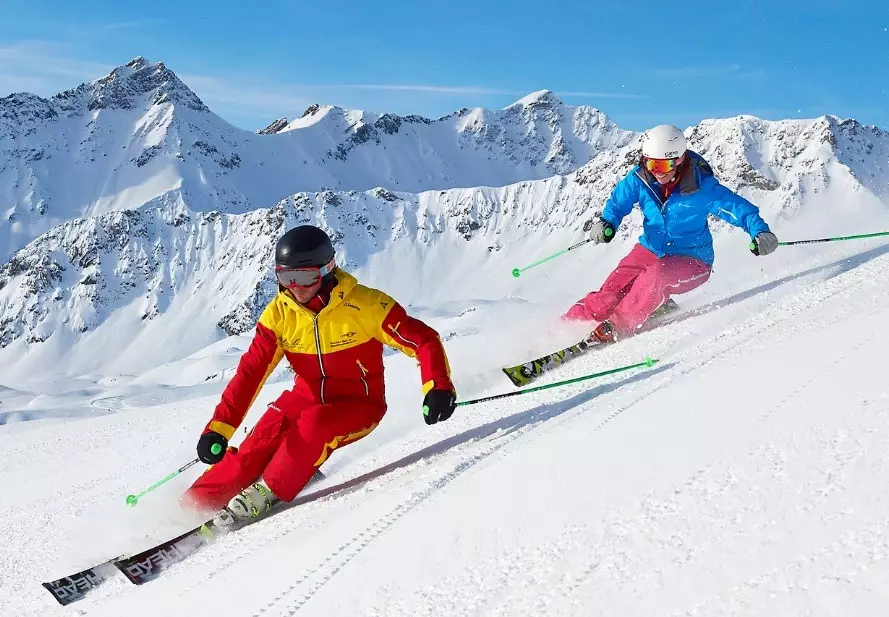
Fixing the Top 3 Expert-Level Bad Habits
We all have them. Here's a quick diagnostic table. Be brutally honest with yourself.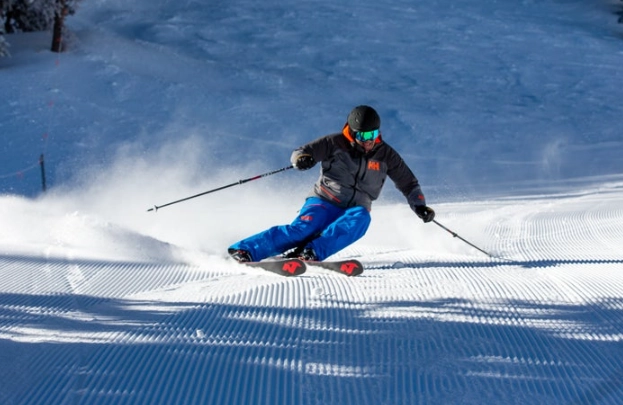
| The Bad Habit | How It Manifests | The Fix (One Drill to Try) |
|---|---|---|
| A-Framing | One knee (usually the outside ski's) drives in, but the inside knee collapses inward, making an 'A' shape. The inside ski loses edge grip. | Javelin Turn Drill: Lift the tail of your inside ski off the snow, keeping only the tip engaged. Make turns using only your outside ski. This forces proper alignment and balance on the outside ski. |
| Over-Rotation | You finish a turn with your upper body completely facing across the hill or even uphill, then have to wrench it back around to start the next turn. | Pole Touch Focus: Keep your hands forward and in your peripheral vision. Touch your pole to the snow next to your boot, not behind you. This keeps your upper body facing downhill. |
| Static Stance | You ride in a fixed, rigid position. You get tired quickly and can't adapt to terrain changes. | Silent Skiing: On a flat cat-track or easy green, try to make zero sound with your skis. This forces you to move fluidly, absorbing every tiny bump with your joints. |
Gear Matters (But Not How You Think)
You don't need the latest $1,200 race stock ski. But your gear needs to be appropriate and well-tuned. An expert technique applied to a dull, soft, beginner ski is an exercise in frustration. Here's the lowdown:
Skis: At the expert level, you want a ski that supports your input. Generally, that means a ski with some metal in its construction (for stability and power transmission) and a waist width suited to your primary playground. A narrow-waisted carving ski (68-80mm) is a fantastic tool for honing the best expert skiing techniques on groomers. For all-mountain, something in the 85-100mm range is versatile.
Boots: This is the most important piece. Your boots are your control center. If they don't fit perfectly—snug heel hold, even pressure along the instep, toes brushing the front when standing but not when flexed—you will struggle. A boot that's too big forces you to clench your toes to maintain control, which fatigues your entire lower leg. Investing in a professional boot fitting is arguably the best money you can spend to improve your skiing.
Edges and Waxes: Keep your edges sharp. A dull edge will slip when you need it to hold, undermining your confidence and technique. A basic seasonal tune-up is non-negotiable. The difference is night and day.
Your Expert Skiing Technique Toolkit: Drills & Practice
Knowledge is useless without practice. Don't just ski runs mindlessly. Spend 20-30 minutes each session focusing on a specific drill.
- Railroad Tracks: On a gentle slope, make parallel tracks. Then try to place your second set of tracks directly on top of the first. This forces precision and identical turns.
- One-Ski Skiing: As mentioned earlier, but do it on progressively steeper terrain. It's humbling and incredibly effective.
- Garlands: Traverse across a slope, then gently tip your knees into the hill to make a small arc (a garland) that brings you to a stop facing slightly more downhill. Step around and repeat. This isolates the edge engagement motion without the commitment of a full turn.
Progress is slow. Some days you'll feel like you've gone backwards. That's normal. The path to mastering the best expert skiing techniques isn't linear.
Answering Your Burning Questions (FAQ)
Let's tackle some specifics that often come up when skiers are searching for the best expert skiing techniques.
I'm scared of speed on steep runs. How do I control it?
Speed control on steeps comes from turn shape, not braking. The instinct is to skid sideways, which often puts you in a vulnerable position. Instead, focus on making complete, round, C-shaped turns that start across the hill. Use the top part of the turn, where you're still facing somewhat across the fall line, to control your speed. The turn finishes across the hill again, setting you up for control in the next one. This is where early edge engagement is critical. For authoritative guidance on skiing steep terrain safely, the resources from professional bodies like the Professional Ski Instructors of America (PSIA) are invaluable, as they set the standard for ski instruction methodology.
What's the #1 thing I can do to look more "expert"?
Quiet your upper body. Watch any World Cup skier. Their shoulders are like a gyroscope, pointed downhill. All the action is in the legs. If you stop swinging your arms and stop twisting your shoulders to initiate turns, you'll instantly look more competent and, more importantly, ski more efficiently.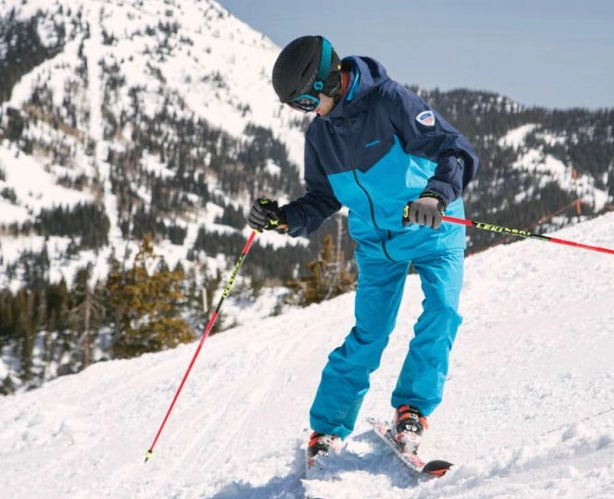
How do I know if I'm ready for true expert terrain (e.g., couloirs, extreme steeps)?
Can you make rhythmic, controlled short-radius turns on a black-diamond bumped run without stopping? Can you sideslip confidently on both edges? Can you hockey-stop powerfully on either side? If the answer to any of these is no, spend more time mastering the best expert skiing techniques in-bounds. Expert terrain often has severe consequences for failure. Mastery in the resort is the prerequisite. Avalanche safety training (like an AIARE course) is also mandatory for backcountry expert terrain—no exceptions. For understanding the risks and preparation needed, information from organizations like the American Avalanche Association (A3) is a critical starting point.
My legs burn out so fast! Am I just weak?
Probably not. Leg burn is usually a sign of using muscular strength to compensate for poor technique. If you're in the backseat, you're constantly fighting to keep your balance, which torches your quads. If you're A-framing or stemming, you're using small stabilizer muscles inefficiently. Focus on getting forward into an athletic stance and balancing over your outside ski. The burn should subside as you use skeletal alignment instead of brute muscle force.
Putting It All Together: The Expert's Run
So what does it look like when these best expert skiing techniques come together? It's not about aggression; it's about economy of motion. From the lift, you'll see a skier with a relaxed, tall upper body. Their turns are initiated with a subtle, almost invisible movement of the knees and ankles. The skis engage early and cleanly, carving an arc that builds pressure smoothly. At the turn's completion, there's a quiet release and immediate transition to the next edge. In bumps, the motion is fluid and rhythmic—absorb, extend, pivot—with no hesitation. They make difficult conditions look easy because they are not fighting the mountain; they are working with it.
The journey to mastering these techniques is endless, and that's the beauty of it. There's always a finer point of balance to discover, a more challenging condition to conquer. It moves from being a sport to something closer to an art form or a moving meditation. Start with your mindset, solidify your fundamentals, then layer on the precision of carving and pressure control. Be patient with yourself, and for heaven's sake, get your boots fitted.
The mountain is the best teacher, but you have to show up ready to listen.
Related Articles

Comments
Join the discussion