Your Skiing Compass
- The Foundation: Mindset and Mechanics Before Moves
- Carving: The Cornerstone of High-Performance Skiing
- Conquering the Bumps: Mogul Skiing Techniques That Don't Beat You Up
- Floating on Clouds: Advanced Powder Skiing
- Steeps, Trees, and Variable Crud: The Adaptability Test
- Training Drills You Can Do Anywhere
So you can link your turns down a blue run without thinking. Maybe you even feel pretty confident on most black diamonds. But there's this nagging feeling, right? You watch those skiers who look effortless in the moguls, who leave a single, razor-thin track on a steep groomer, or who float through deep powder like it's nothing. You want that. That's the next level. That's what we're here to talk about.
Moving from intermediate to expert skiing isn't just about going faster or steeper. It's a fundamental shift in how you use your body and equipment. It's less about surviving the mountain and more about dancing with it. The best advanced skiing techniques are all about precision, efficiency, and adaptability. They're what separate a good skier from a truly great one.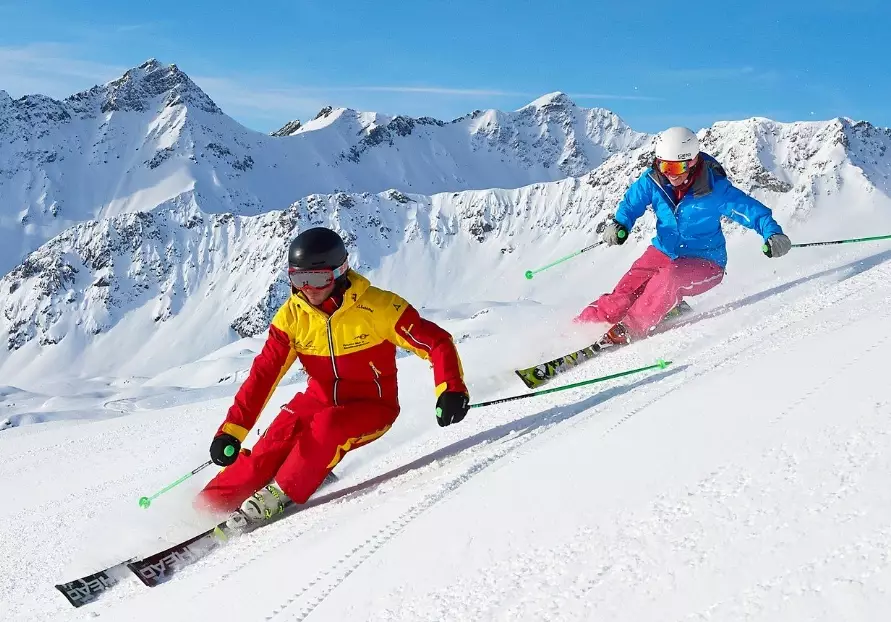
I remember the first time I tried to properly carve. I'd been skidding my turns for years, thinking I was carving because my skis were on edge. A coach took one look and just laughed. "You're using your skis like butter knives," he said. "We need to turn them into scalpels." That shift in mindset changed everything. This guide is that coach for you, breaking down the scalpels you need for every condition.
The Foundation: Mindset and Mechanics Before Moves
Before we dive into specific techniques, let's get one thing straight. You can't build a skyscraper on a shaky foundation. Your intermediate habits will hold you back if you don't address them first. The core of all best advanced skiing techniques is balance and independent leg action.
Are you still steering with your shoulders? Leaning back when you get scared? Letting your skis get too far apart? These are the ghosts we need to banish. True advanced skiing comes from the feet up, not the shoulders down. Your upper body should be quiet, facing downhill, acting as a stable platform while your legs work like pistons underneath you.
It feels weird at first. Unnatural. You'll feel vulnerable. That's normal.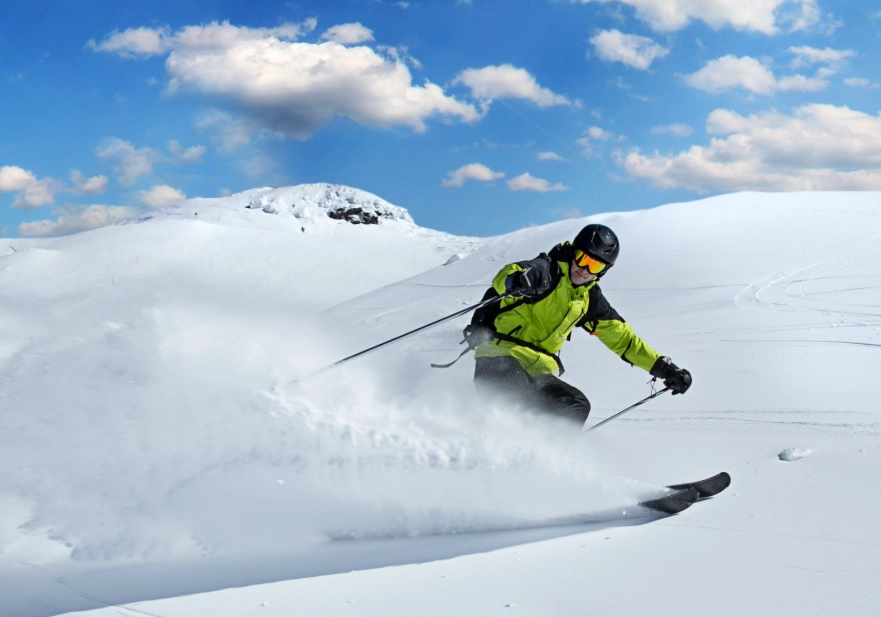
Carving: The Cornerstone of High-Performance Skiing
If there's one skill that defines modern expert skiing, it's carving. Not that washed-out, semi-skidded turn you might be doing now, but true, high-edge-angle carving where your ski bends like a bow and propels you across the hill. This is arguably the most important of the best advanced skiing techniques for groomed snow.
How Real Carving Differs from Skidding
In a skidded turn, you're pushing the tail of the ski out to slow down and change direction. There's friction. In a carved turn, the metal edge of your ski is engaged so precisely that it cuts a clean arc in the snow, with no sideways slide. The energy from bending the ski rockets you into the next turn. It's faster, more efficient, and looks incredibly cool.
The feeling? It's like being on a rail. A smooth, powerful, almost silent acceleration through the turn's apex.
The Step-by-Step Carving Drill That Actually Works
Drill: Railroad Tracks on a Gentle Slope
- Find a wide, gentle green or easy blue run. Speed is not your friend here yet.
- Start traversing. Without turning, roll your knees and ankles slightly downhill to engage your edges. Feel the ski start to track.
- Now, gently increase the edge angle by pressing your shin into the front of your boot and rolling your knee further inward. Don't twist your body! Let the ski's sidecut do the work.
- Your goal is to make the ski turn you. You should leave two clean, pencil-thin lines in the snow. If you see a brushed or fan-shaped track, you're still skidding.
- Practice this until you can make the ski hook up and complete an arc back across the hill without any conscious steering effort from your upper body.
My Experience: I spent a whole afternoon on a bunny hill doing this. Felt ridiculous. But by the end, the muscle memory of letting the ski work was locked in. It's boring but transformative.
Common carving mistakes? Leaning inward with your whole body (instead of just angulating your legs), trying to steer from the heel, and not having enough forward pressure. If you're not feeling the front of your boot against your shin, you're probably in the backseat, and the ski won't initiate properly.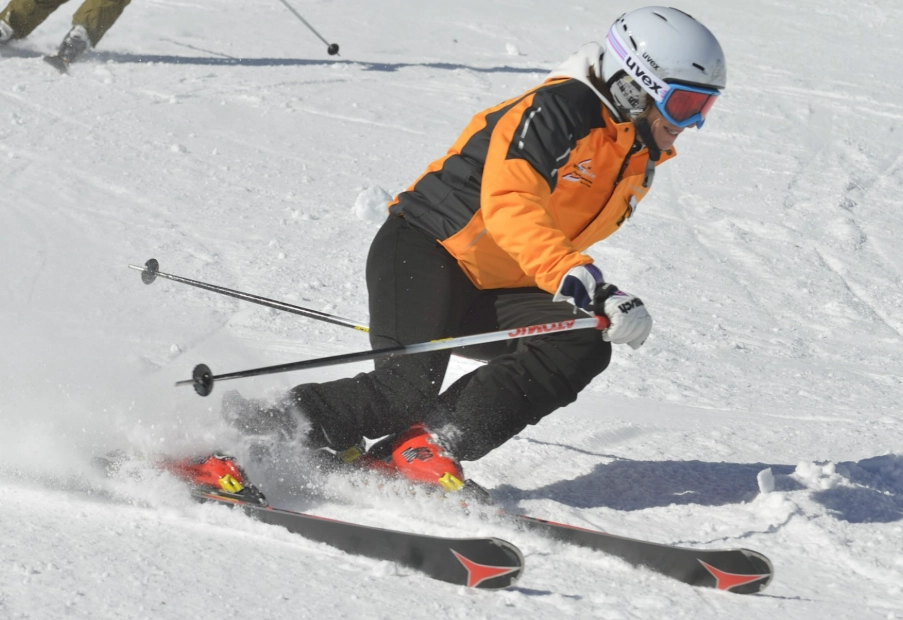
Where can you learn more? The Professional Ski Instructors of America (PSIA) has fantastic resources on the modern mechanics of carving. Their materials break down the physics in a way that's actually useful on snow.
Conquering the Bumps: Mogul Skiing Techniques That Don't Beat You Up
Moguls. They look terrifying from the chairlift. A field of icy, uneven lumps that seem designed to swallow skis and eject humans. But for experts, a mogul run is a playground. The best advanced skiing techniques for moguls are about rhythm, absorption, and line choice. It's less about brute force and more about finesse.
You can't muscle your way through. You'll be exhausted in three turns.
The Three Pillars of Efficient Mogul Skiing
- The Line: You don't ski *over* every mogul. You ski *around* them. The key is finding the "line"—the path of least resistance down the fall line that uses the shape of the bumps to your advantage. Look for the zipper line, the series of troughs between the bumps.
- Absorption and Extension: This is the up-and-down motion. As your skis climb the face of a bump, you extend your legs to keep your skis in contact with the snow. At the very top, you quickly retract (absorb) your legs to pull the skis over the crest and into the trough. It's like a constant, quick leg pump.
- Pivot and Slip: In moguls, a pure carve is often too slow to set up. You need to be able to quickly pivot your skis in the trough to change direction. This is a controlled, quick skid, not a sloppy one. It's about using the geometry of the bump to help you turn.
I used to hate moguls. My strategy was to point 'em and pray, which resulted in a lot of yard sales (that's skier talk for crashing and losing all your gear). What changed? I stopped trying to control every single turn and started trying to find a rhythm. Let the terrain dictate the timing. Sounds zen, but it works.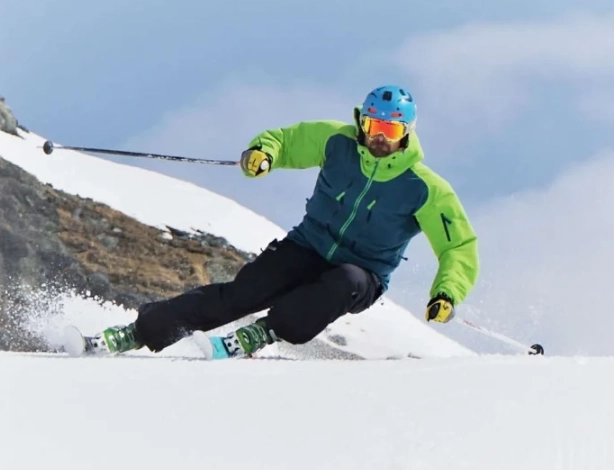
| Mogul Mistake | Why It Exhausts You | The Expert Fix |
|---|---|---|
| Back-seating | Forces you to fight the bump, losing all control. | Aggressively keep hands forward and shins on boot tongues. |
| Stiff Legs | Every bump jars your spine; you get bounced off line. | Think "soft knees" and actively absorb with the ankles and knees. |
| Looking at Your Tips | You react to each bump instead of planning 2-3 ahead. | Look 2-3 moguls down your line to anticipate the rhythm. |
| Wide Stance | Your legs can't absorb independently, throwing you off balance. | Keep skis hip-width apart for independent leg action. |
Floating on Clouds: Advanced Powder Skiing
Deep, fresh powder is the holy grail. It's also where intermediate techniques completely fail. Leaning back, making slow rotary turns... you'll be swimming, not skiing. The best advanced skiing techniques for powder are surprisingly centered and active.
Modern powder skis (wider underfoot, with rocker) have changed the game, but the principles remain. You need to keep both skis evenly weighted and surf the snow. The old "sit back and pray" method just makes you tired and puts you out of control.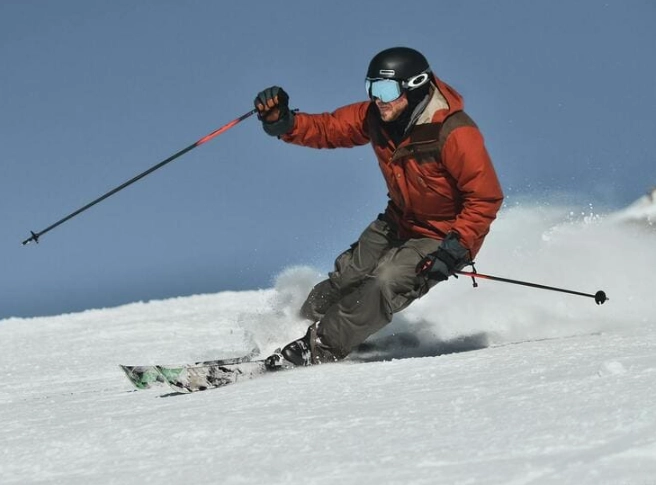
The Powder Turn Rhythm
Initiate the turn with a solid pole plant (this is crucial for timing and balance). As you start to turn, imagine you're compressing a spring. You sink down slightly. Then, as you finish the turn and start the next one, you extend back up. This up-and-down motion helps keep your skis near the surface and provides the pop to initiate the next turn.
Your turns need to be round and complete. Don't rush them. Let the skis come around. If you try to slam them across the fall line, they'll dive. It's a slower, more patient rhythm than on groomers.
The first time I got it right in deep powder, the silence was deafening. No scraping, just a soft *whoosh*.
What about that fear of the tip dive? It's real. The fix is mental: trust that if you keep your weight centered and make a committed turn, the ski's shape will keep you afloat. If you panic and lean back, you kill the steering power of the front of the ski, guaranteeing a crash.
Steeps, Trees, and Variable Crud: The Adaptability Test
This is where the rubber meets the road. Or, more accurately, where the edge meets the ice, the crud, the slush, and whatever else the mountain throws at you. The single best advanced skiing technique for all of this is adaptability. You need a big toolbox.
- Steeps: The technique is similar to carving, but with a hyper-focus on edge control and committing your center of mass down the hill. The biggest mistake is side-slipping or traversing because you're scared. You need to turn across the fall line, not just slide down it. Quick, decisive edge sets are key. Check out analyses from FIS (International Ski Federation) on how world cup skiers attack extreme gradients—it's all about minimal skid and maximum grip.
- Tree Skiing: This is about short-radius turns, quick reflexes, and reading the terrain three moves ahead. You're not doing perfect carved arcs. You're doing quick pivots, hockey stops, and survival turns. Keep your hands up and in front for quick pole plants to help you pivot.
- Crud (Chopped-up, heavy snow): You need to be more aggressive. Punch through it. A passive stance will get you bucked. Keep your skis together, weight forward, and drive your knees through the uneven snow. Let your legs be shock absorbers.
My most humbling day was on an icy, steep, bumped-up run littered with chunks of frozen crud. Every technique I thought I knew failed in isolation. The only way down was to mix them all: a carve here, a pivot there, a heavy absorption through a bump. It was ugly, but I got down. That's advanced skiing.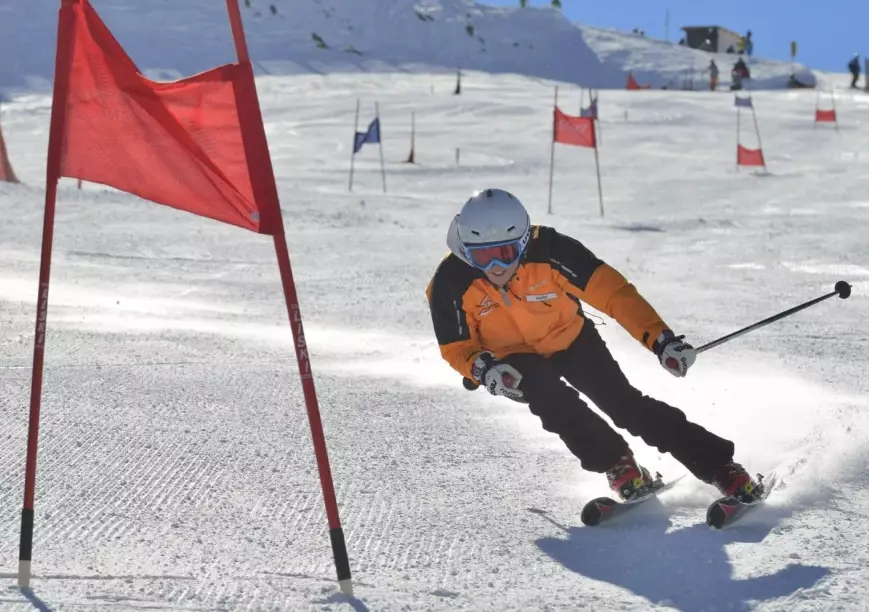
Training Drills You Can Do Anywhere
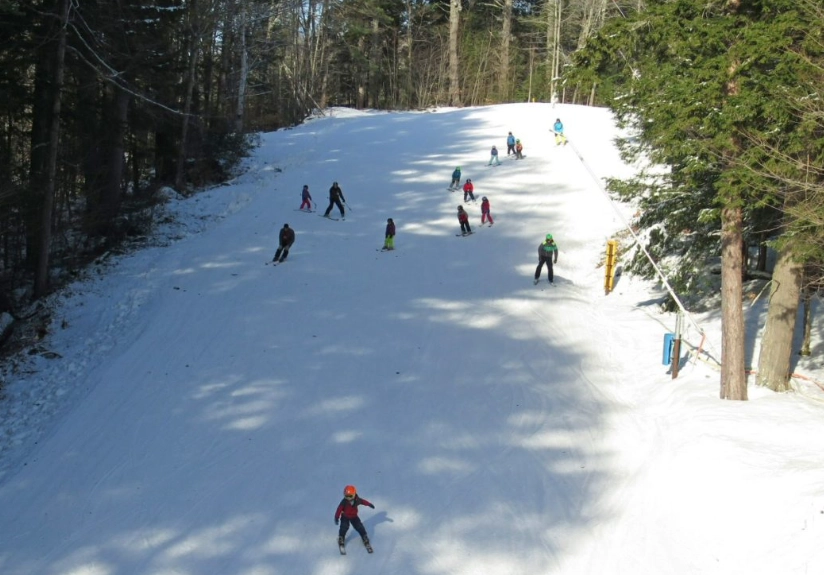
You don't need a black diamond to practice. Some of the best advanced skiing techniques are honed on easy terrain.
- One-Ski Skiing: Take one ski off. Seriously. Ski on one leg down a gentle slope. This forces perfect balance and teaches you to pressure the entire ski. It's brutally effective for curing back-seat habits.
- Pole Drag: Hold both poles horizontally in front of you, dragging them in the snow. This locks your upper body in a forward, quiet position. If you start to rotate your shoulders, the poles will drag unevenly or come out of the snow.
- J-Turns: On a moderate slope, point your skis straight downhill to build speed. Then, ever so gently, roll your edges on. Don't turn your feet. Just roll the edges and see how far you can go before the skis naturally bring you back across the hill. This teaches you edge sensitivity.

Frequently Asked Questions About Advanced Skiing
What's the most important piece of gear for advancing?
Boots. Full stop. Ill-fitting boots are the number one barrier to progress. You need a boot that fits snugly, with no heel lift, and that allows you to flex forward easily. A good boot fitter is worth their weight in gold. Skis matter, but boots are the interface between you and the mountain.
I'm physically fit. Why do I still get exhausted quickly on advanced terrain?
Because you're fighting the mountain instead of working with it. Inefficient technique uses 10x the energy of efficient technique. That exhaustion is your body telling you you're muscling through turns, staying tense, and not using the ski's design to help you. Focus on smoothness, not power.
How long does it take to master these best advanced skiing techniques?
There's no "mastery" endpoint. It's a lifelong journey. But you can see dramatic improvements in a single season with focused practice. Don't just ski aimlessly. Pick one skill per day—like carving or absorption—and work on it for a few runs, even on easier terrain. Deliberate practice beats mileage alone.
Are lessons worth it for an advanced skier?
Absolutely. In fact, they're more valuable now than when you were a beginner. A good instructor can see the one small flaw you can't feel—like a subtle weight shift to your inside ski or a late pole plant—and give you a specific drill to fix it. It shortcuts years of trial and error.
How do I overcome the mental block on super-steep runs?
Break it down. Don't look at the whole run. Look at the first turn. Make that turn. Then look at the next turn. Focus on the technique, not the exposure. And breathe. Seriously, people hold their breath when they're scared, which tenses every muscle. Force yourself to exhale during the turn initiation.
Look, at the end of the day, the pursuit of the best advanced skiing techniques is what keeps the sport fresh after decades. It's not about collecting vertical feet; it's about collecting skills. It's about that moment when a technique you've been grinding on for weeks suddenly clicks, and a whole new part of the mountain opens up to you.
It's frustrating, humbling, and sometimes painful. But when you nail a line of perfect carved turns on a steep groomer, or find the rhythm in a mogul field, or float through untouched powder, there's nothing else like it. It's worth the work.
Now go get after it. And maybe I'll see you out there, leaving those perfect railroad tracks right next to mine.
Related Articles

Comments
Join the discussion