Quick Guide
- The Three Core Pieces: Skis, Boots, and Bindings
- Non-Negotiable Safety Gear
- The Clothing System: Layering is Your Superpower
- Essential Accessories (The Difference Between Okay and Great)
- Optional But Highly Recommended Gear
- Putting It All Together: A Beginner's Gear Checklist
- Answers to Common Beginner Gear Questions
- Final Thoughts Before You Hit the Slopes
So you've decided to try skiing. Awesome. The mountain is calling, the snow looks perfect in the pictures, and you're ready for that iconic post-run hot chocolate feeling. But then you start looking at gear. Skis, boots, bindings, helmets, goggles, layers upon layers of clothing... it's enough to make anyone's head spin and wallet whimper. I remember my first time walking into a ski shop. I felt like I needed a PhD just to understand the sales guy. All those numbers, weird terms like "sidecut" and "flex index" – it was overwhelming.
Let's cut through the noise. You don't need to become a gearhead. You just need to know what works, what's safe, and what won't waste your money. This guide is here to walk you through every single piece of beginner ski gear, explaining why it matters in plain English. We'll talk about the core essentials you can't ski without, the clothing system that keeps you from freezing (or sweating to death), and those extra bits that can make your day way more comfortable. Think of it as your friendly, slightly opinionated shopping list.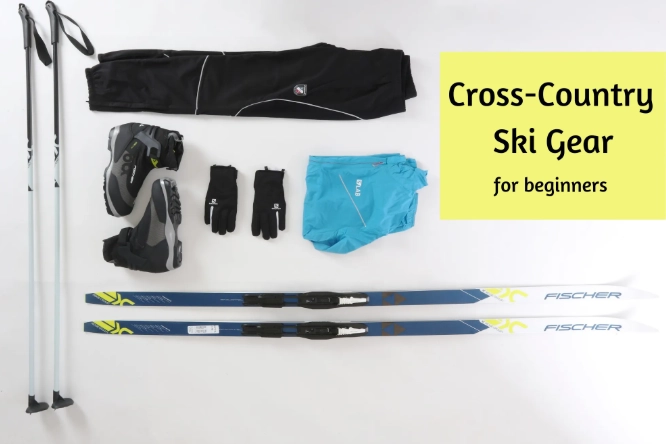
By the end, you'll know exactly what to look for, what questions to ask, and how to prioritize your spending. Because let's be honest, skiing isn't cheap, but getting the right gear shouldn't feel like solving a mystery.
The Three Core Pieces: Skis, Boots, and Bindings
This is the holy trinity. Get these wrong, and your day is going to be a struggle. Get them right, and you're giving yourself the best possible chance to learn and have fun.
1. Skis: Finding Your Mountain Match
Forget what the pros use. Beginner skis are designed to be forgiving and easy to turn. The main goal is stability and helping you learn the basic pizza (snowplow) and french fry (parallel) motions without the skis fighting you.
Here’s what to look for in your first pair:
- Shorter Length: A common rule of thumb is a ski that stands somewhere between your chin and the top of your head. Shorter skis are easier to pivot and control. Don't go long because it looks cool – you'll just tire yourself out.
- Waist Width: This is the width of the ski under your boot. For groomed runs (where you'll spend 99% of your beginner time), look for a narrow to medium waist, around 75-85mm. These "all-mountain" skis are versatile and easy to get on edge.
- Rockered Tip: This is a big one. Rocker means the tip (and sometimes the tail) of the ski curves upward. It makes initiating turns easier and helps prevent the dreaded "tip dive" in softer snow. Most modern beginner skis have this feature.
- Softer Flex: A softer ski flexes more easily, making it more forgiving when your technique isn't perfect. It's less demanding and helps you build confidence.
My personal take? I made the mistake of buying a pair of aggressive, stiff skis too early because they were on sale. Bad move. They felt like planks of wood and made learning way harder than it needed to be. Stick to the beginner-friendly specs.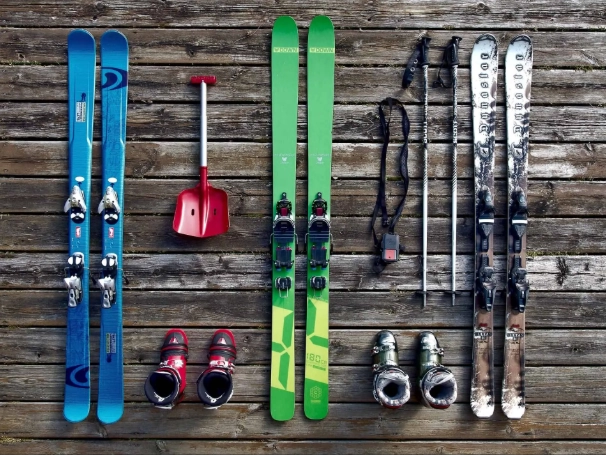
| Ski Type | Best For | Key Feature for Beginners | Consideration |
|---|---|---|---|
| All-Mountain Frontside | Groomed resort runs, learning basics | Forgiving flex, rockered tip | The most recommended starting point. Versatile and easy. |
| All-Mountain | Groomed runs & occasional off-piste | Slightly wider, stable | Good if you're confident you'll stick with it and explore. |
| Carving Skis | Hard-packed, icy groomers | Deep sidecut for sharp turns | Can be less forgiving. Maybe a second-season purchase. |
2. Ski Boots: The Most Important Purchase
I cannot stress this enough: boots are everything. They are the direct interface between you and your skis. Uncomfortable boots ruin a day faster than anything else. This is the one item where a professional boot fitting is worth every penny.
Forget about shoe size. Ski boots use the Mondopoint system (in centimeters). You need to be measured for your mondo point. A good fit should be snug, even slightly uncomfortable when you first stand up, but without any sharp, painful pressure points. Your toes should just brush the front when you stand straight, and pull back when you flex your knees into a skiing stance.
Look for a boot with a softer flex rating (often between 60-90 for beginners). This means the boot is easier to flex forward, which is crucial for learning proper posture. Also, ensure it has a walk mode – a lever that allows the upper cuff to pivot back for those awkward, clompy walks from the car to the lodge. Trust me, it's a game-changer.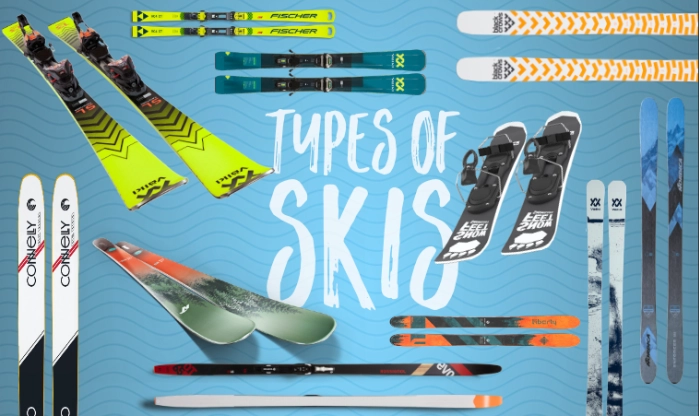
3. Bindings: The Safety Link
You don't typically buy bindings separately as a beginner. When you buy skis, they often come with a "system binding" or you get them mounted. The critical thing here is that they are professionally adjusted to your DIN setting.
DIN is the release setting. Too high, and the ski won't release during a fall, potentially causing injury. Too low, and you'll pop out when you don't want to. A certified ski tech will set this based on your weight, height, age, and ability level. This isn't a DIY job. The Professional Ski Instructors of America & American Association of Snowboard Instructors (PSIA-AASI) emphasizes proper equipment setup as a fundamental of slope safety.
So, for your first set of types of skiing gear for beginners, focus on the skis-boots-binding combo. Rent it first, then invest in boots with a pro fitting, and consider buying skis with bindings in your second season.
Non-Negotiable Safety Gear
This isn't optional. Period.
Helmet
Modern ski helmets are lightweight, warm, and comfortable. They're not the bulky, awkward things from the 90s. Look for one with MIPS technology (Multi-directional Impact Protection System), which is designed to reduce rotational forces on the brain during an angled impact. It's become a standard in many mid-to-high-range helmets and is worth the extra investment for the added safety margin.
Fit is key again. It should be snug but not squeeze your head. Try it on with your goggles to ensure they integrate well without a gap (this is called the goggle-to-helmet interface, and it keeps snow out).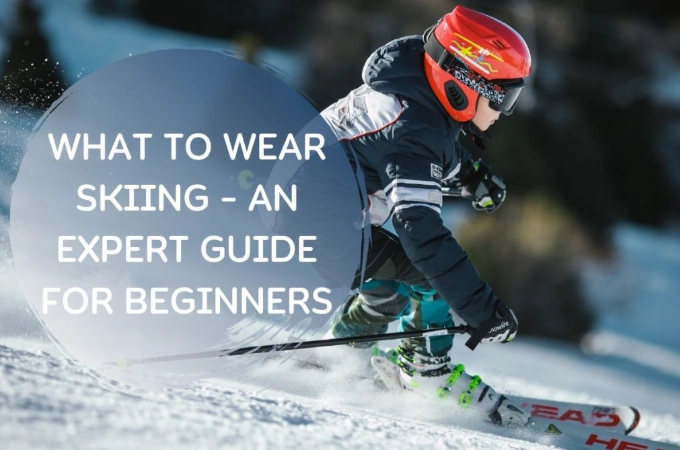
Goggles
Goggles protect your eyes from wind, snow, and harmful UV rays (which are intense at high altitude). More importantly, they help you see the terrain.
The main feature is the lens. For beginners, a low-light or rose-colored lens is often more useful than a dark one. You'll likely be skiing on overcast days or in the shade of trees, and a dark lens can make everything too dim. Many goggles come with interchangeable lenses, which is ideal. Look for anti-fog coating and good peripheral vision.
I learned the hard way that the cheapest goggles often fog up irreparably the first time you sweat. Don't go for the $20 special. A decent mid-range pair from a reputable brand will save you a lot of frustration.
The Clothing System: Layering is Your Superpower
Cotton is the enemy. It absorbs moisture (sweat) and holds it against your skin, making you cold and miserable. You need a technical layering system that manages moisture and temperature.
Base Layer (The Wicking Layer)
This sits directly on your skin. Its job is to pull sweat away (wick) to the outer layers where it can evaporate.
- Material: Merino wool or synthetic fabrics like polyester. Merino is fantastic—naturally odor-resistant, warm, and wicks well. Synthetics are great too and often more affordable.
- Fit: Snug but not tight. You want it in contact with your skin to do its job.
Mid Layer (The Insulating Layer)
This traps warm air close to your body. You can add or remove this layer based on the weather.
- Options: A fleece jacket, a lightweight puffy jacket (with synthetic or down fill), or a wool sweater.
- My Go-To: A grid fleece. It's breathable, warm, and not too bulky under a shell.
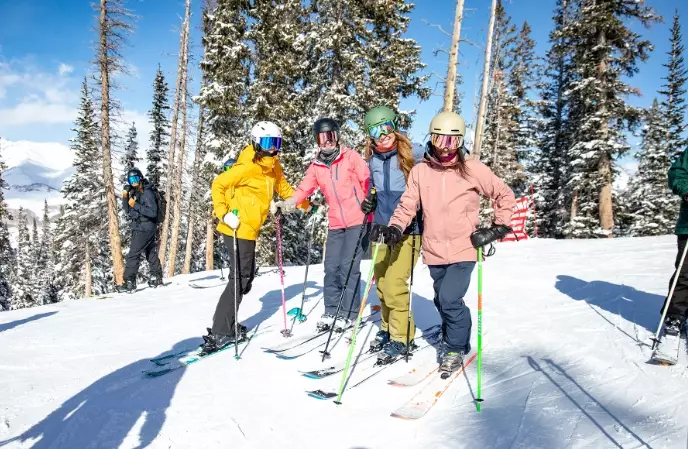
Outer Layer (The Shell)
This is your waterproof and windproof barrier. It keeps the elements out while allowing internal moisture vapor to escape (breathability).
- Ski Jacket & Pants: Look for a waterproof rating (e.g., 10k/10k or higher) and a breathability rating. Taped seams are essential to prevent leaks. Features like a powder skirt (to keep snow out if you fall), a good hood that fits over a helmet, and plenty of pockets are useful.
- Insulated vs. Shell: An insulated jacket is easier (one less layer to think about) but less versatile. A shell jacket gives you more control over your layering system for different conditions.
See? It's a system, not just a big coat.
Essential Accessories (The Difference Between Okay and Great)
These items often get overlooked but are critical for comfort and safety.
Gloves or Mittens
Waterproof. Breathable. Get the best you can afford. Cold hands are miserable. Mittens are generally warmer than gloves because your fingers share heat. Look for a model with a long cuff that goes over your jacket sleeve to block snow. Some have a separate liner glove, which is great for using your phone without exposing your main glove's interior to snow.
Ski Socks
One pair. Not two. Not cotton athletic socks. One pair of thin-to-medium weight ski-specific socks made of merino wool or synthetic blend. They should come up to just below your knee. Thick socks do not equal warm boots; they just compromise the fit of your boot. This is a cheap upgrade that makes a huge difference.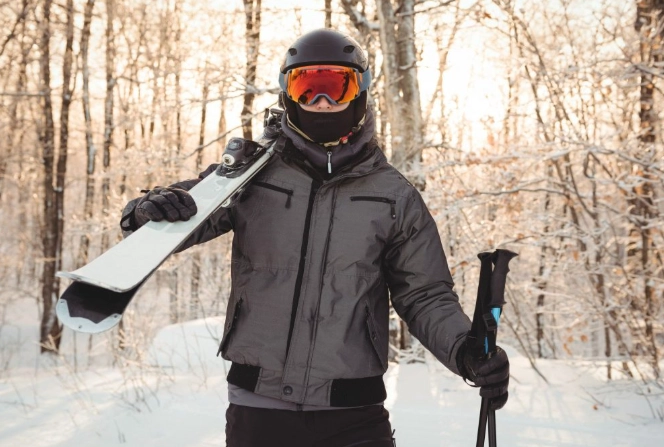
Neck Gaiter or Balaclava
A simple tube of fabric (a buff) is incredibly versatile. It can be a neck warmer, a face mask on a cold chairlift, or a hat liner. On windy or very cold days, protecting your face is essential.
Optional But Highly Recommended Gear
Once you have the essentials, these items can elevate your experience.
- Backpack (Small): A slim hydration pack (like a 12L) is perfect for carrying water, snacks, an extra layer, and sunscreen. Staying hydrated at altitude is crucial.
- Wrist Guards: A very common beginner injury is a wrist sprain or fracture from falling on an outstretched hand. Some ski gloves have built-in guards, or you can wear separate ones. Seriously consider these.
- Knee Pads/Impact Shorts: If you're worried about falling (and you will fall), these can provide great confidence and protection, especially for your hips and tailbone.
- Ski Lock: A simple cable lock to secure your skis when you pop into the lodge for lunch. Theft is rare, but it happens.
Putting It All Together: A Beginner's Gear Checklist
Let's summarize the complete list of types of skiing gear for beginners you'll need to think about:
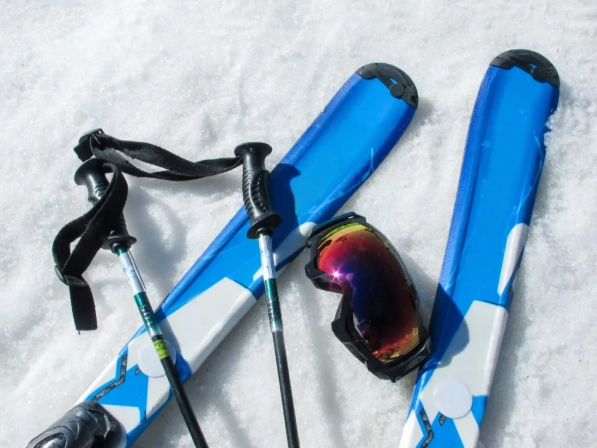
- Core Equipment: Skis, Bindings, Ski Boots, Ski Poles (often provided with rentals).
- Safety Essentials: Helmet (with MIPS), Goggles.
- Clothing System: Moisture-wicking Base Layer (top & bottom), Insulating Mid Layer(s), Waterproof Ski Jacket, Waterproof Ski Pants.
- Critical Accessories: Ski Gloves/Mittens, Ski Socks (2-3 pairs), Neck Gaiter/Balaclava.
- Highly Recommended: Sunscreen (SPF 30+), Lip Balm with SPF, Small Backpack, Wrist Guards.
Answers to Common Beginner Gear Questions
Final Thoughts Before You Hit the Slopes
Getting the right gear isn't about having the flashiest or most expensive stuff. It's about having the right tools that are safe, comfortable, and suited to learning. It removes variables and lets you focus on the fun part: actually skiing.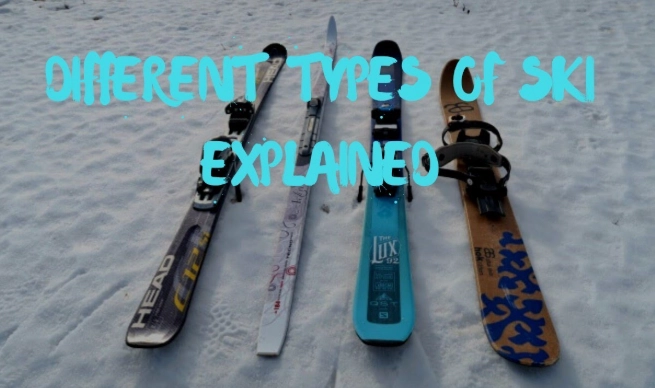
Start with rentals. Buy boots when you're ready. Layer smartly. Protect your head and eyes. And remember, every expert skier was once a beginner staring at a wall of confusing equipment. Take it step by step, and you'll be set up for success. Now go enjoy the mountain.
The journey through the various types of skiing gear for beginners might seem long, but each piece has a purpose. Once you have your kit dialed in, you'll spend less time thinking about being cold or uncomfortable and more time enjoying the incredible feeling of gliding down a snowy mountain. That's the whole point, isn't it?
Related Articles

Comments
Join the discussion