Navigate This Article
It's a question that nags at a lot of us who spend our winters chasing snow. You can handle the black diamonds, you don't fall much, and your friends might even call you a "really good skier." But that label "expert"... that feels like it belongs to someone else. Someone in a ski movie, maybe. The truth is, the line between a very strong advanced skier and a true expert is blurry, and it's less about ego and more about a specific set of capabilities and, frankly, a different way of thinking on the mountain.
How do you know if you are an expert skier? It's not just one thing. It's a combination of what you ski, how you ski it, and why you make the choices you do. I've been there, stuck in that "am I or aren't I?" phase for seasons. I remember confidently tackling a steep chute only to realize my technique completely fell apart the moment the snow got funky. That was a humbling moment that redefined my own definition of "expert."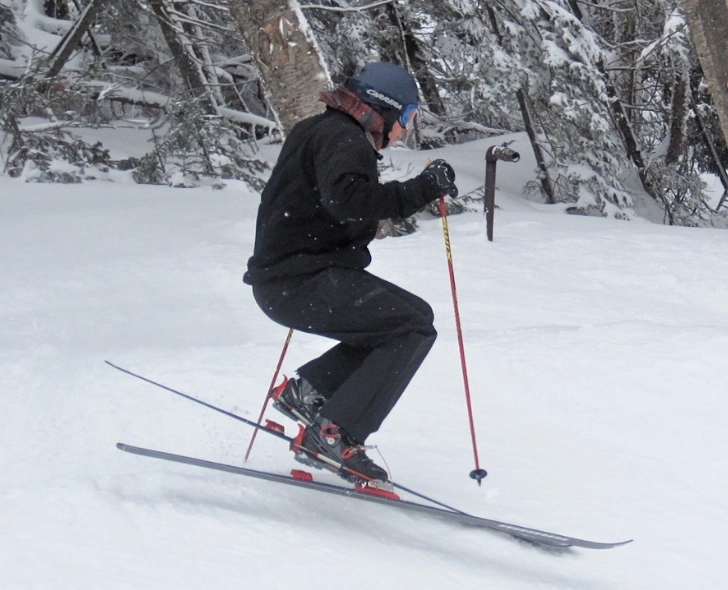
This isn't about gatekeeping. It's about giving you a clear, honest framework to assess your own skiing. Knowing where you truly stand is the first step to meaningful improvement, whether your goal is more fun, more safety, or tackling that dream line.
The Expert Skier Skill Matrix: Beyond the Trail Map
Forget the trail map ratings for a second. They're a decent starting point, but a true expert's playground is defined by conditions and features, not just a color. Let's break down the tangible skills.
Terrain Mastery: The True Test
An expert skier isn't just comfortable on difficult terrain; they are adaptable and effective on it. It's the difference between surviving a run and actually skiing it with purpose and style.
- Steep Couloirs & Chutes: Can you maintain rhythmic, controlled turns in a narrow, committing space where the pitch feels like it's dropping away beneath you? The mental game here is huge.
- Mogul Fields (The Whole Mountain): Not just the groomed bump run, but natural, irregular bump lines across the mountain. Experts absorb and pivot efficiently, choosing their line dynamically, not just fighting through each mound.
- Variable & Adverse Conditions: This is a big one. Crud, breakable crust, heavy Sierra cement, ice patches, wind-scoured slabs. An expert skier adjusts their technique, speed, and pressure for each without coming to a panicked stop. Their skis stay connected to the snow, even when it's trying to buck them off.
- Ungroomed, Natural Obstacles: Logs, rocks, creek beds, small cliff drops. An expert reads the terrain fluidly, incorporating these features into their line rather than seeing them as scary obstacles to avoid at all costs.
See, it's not about never falling. It's about your recovery being instant and your confidence unshaken. If you find yourself only skiing confidently on perfect corduroy or soft powder, that's a sign. The mountain serves up a messy menu most days.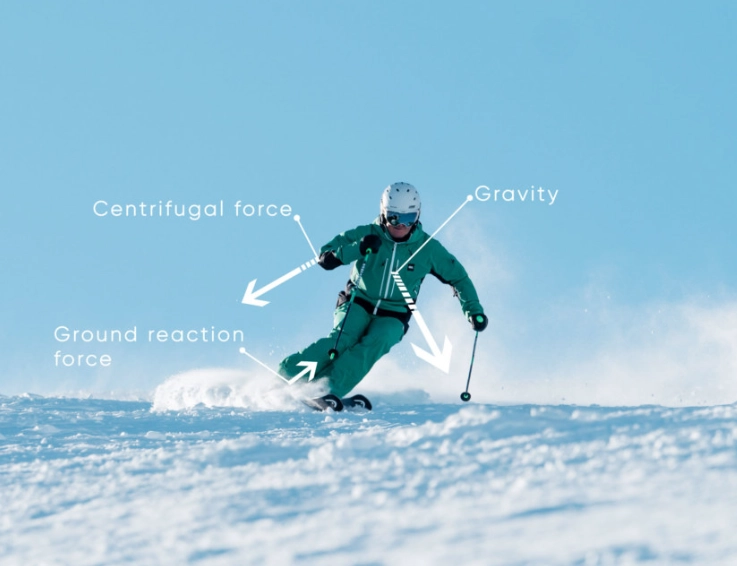
Speed and Control: The Delicate Balance
Anybody can point their skis straight down a hill. An expert controls high speed with precision, using it as a tool, not an accident.
You know you're watching an expert when their speed looks effortless and completely intentional. They're not out of control; they're managing energy. They can make a hard, carving turn to scrub speed at any moment, or let the skis run to cross a flat section. Their body is quiet and balanced, not bouncing or wobbling. If you're constantly in the "backseat" or making survival skids when you pick up speed, that's a key area to work on. True control means you dictate the terms of your descent.
Technical Fluency & Equipment Savvy
This is where it gets into the weeds a bit, but it's important. An expert understands *why* things work.
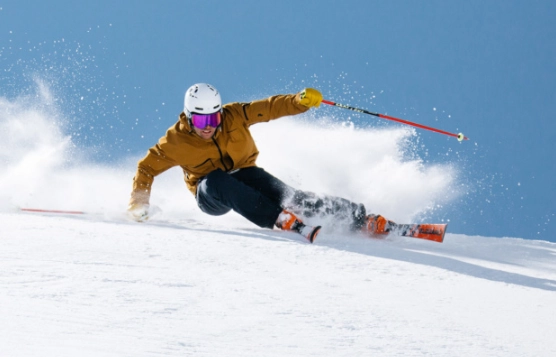
- Edge Control: Can you consciously engage and release your edges? Not just carve on a groomer, but use a slight edge to pivot in tight trees or smear a turn in deep snow? It's a nuanced feel.
- Independent Leg Action: Your legs aren't glued together. In bumps or variable snow, they work independently to absorb impacts, allowing your upper body to remain relatively stable and facing downhill. This is a non-negotiable skill for true all-mountain fluency.
- Gear Knowledge: You don't just ride whatever the shop gave you. You understand how ski width, sidecut, and stiffness affect performance in different snow types. You know when your bindings need a check-up and you can tune your own edges (or at least know exactly what you want from a shop tech). Resources like the Professional Ski Instructors of America & American Association of Snowboard Instructors (PSIA-AASI) have great educational content on the mechanics of skiing, which feeds this deeper understanding.
Think of it like driving. An advanced driver can handle the highway. An expert driver can handle a gravel road, a snowstorm, and a mechanical issue, all while understanding how the car's systems are interacting.
The Expert Mindset: This Might Be More Important Than Skill
Here's the secret sauce. Technical skill gets you on the terrain. The right mindset keeps you safe, learning, and honestly, makes the whole experience more rewarding. This is often the biggest gap between advanced and expert.
Risk Assessment & Decision Making: This is paramount. An expert is constantly reading the environment. They check avalanche forecasts (using resources like the American Avalanche Association's education hub) before heading into the backcountry. They look at the snowpack, the weather change, the slope angle. They know when to say "not today" to a tempting line. They understand that the best skier on the mountain is the one who makes it home. Bravery is tempered with a heavy dose of calculated caution.
Quiet Confidence, Not Loud Ego: You'll rarely hear a true expert boast. Their skiing does the talking. They're often the ones offering a quiet tip to a struggling friend, not showing off. They have nothing to prove—to themselves or others. This is a huge sign. If you're constantly trying to prove you're the best skier in your group, you're probably not there yet. The confidence is internal.
The Pursuit of Refinement, Not Just Thrills: Experts still take lessons. They watch video of themselves. They obsess over a tiny detail in their turn shape. The goal shifts from conquering harder runs to skiing *everything* with more efficiency, grace, and economy of motion. The thrill comes from perfecting the craft, not just the adrenaline drop.
I used to think needing a lesson was for beginners. Then I took a high-level clinic. Having a certified instructor break down my stance on ice was a game-changer. It humbled me and improved my skiing more in a day than the previous three seasons of just "skiing hard."
Behavior & Habits: The Day-to-Day Giveaways
How do you know if you are an expert skier? Sometimes, it's in the mundane habits, the things you do without thinking.
| Behavior | Advanced Skier | Expert Skier |
|---|---|---|
| First Run of the Day | Needs a groomer or two to warm up legs. | Uses the first run to actively assess snow conditions, temperature, and light across different aspects. |
| Approach to a New Challenging Line | Might scout from below, feels a spike of nerves. | Systematically scouts from multiple angles, identifies key entry/exit points and potential hazards, formulates a plan. Nerves are present but channeled into focus. |
| When Conditions Get Tough (Ice, Crud) | Slows down significantly, may resort to defensive skidding, might decide to leave the area. | Adjusts technique (more edge engagement, quieter upper body), may even find a rhythm and enjoyment in the challenge. Sees it as a puzzle. |
| Role in the Group | Focuses on keeping up and having fun. | Naturally takes on a leadership/guide role, aware of group positioning, suggests appropriate terrain, is the first to notice a change in weather or snow. |
| After a Fall | Might be frustrated, takes a moment. | Instantly analyzes *why* they fell (caught an edge, misjudged snow depth), gets up and continues, often correcting the issue immediately. |
Look, nobody does all of this perfectly all the time. I definitely don't. But these behaviors form a pattern. Experts ski with intention. Every run, even an easy one, has a purpose—even if that purpose is just pure, mindful enjoyment of movement.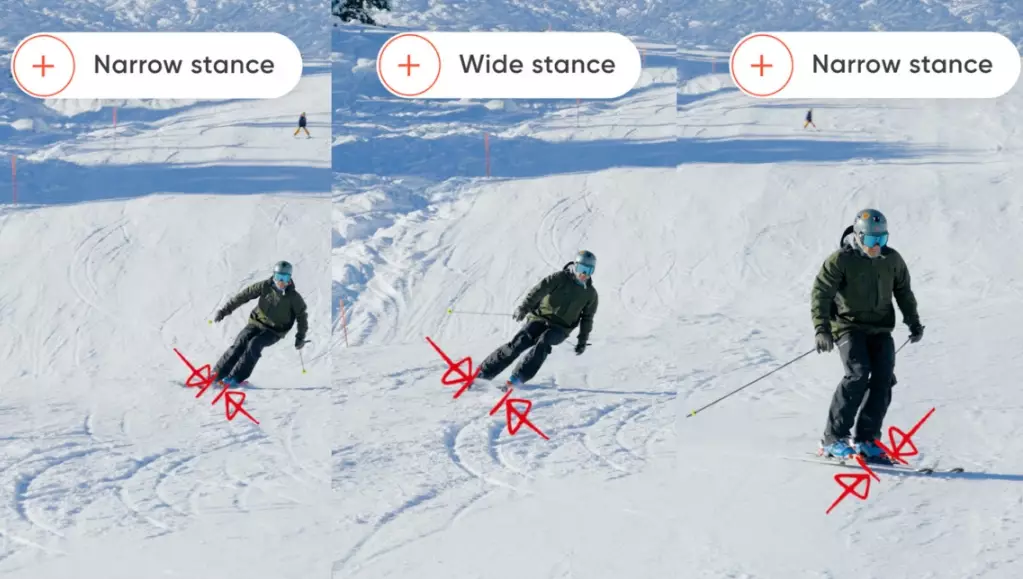
Common Questions (And Straight Answers)
"I can ski double black diamonds at my local resort. Am I an expert?"
Probably an advanced skier. Resort double blacks are a great benchmark, but they are a controlled environment. An expert should be able to ski them in virtually all conditions (ice, moguls, crud) with control, not just survival. The real question is: could you ski that same pitch if it was in the backcountry, with no grooming, variable snow, and full responsibility for your own safety? That's a different ballgame.
"I'm fearless and love going fast. Does that make me an expert?"
No. That makes you brave and possibly reckless. Speed without precise control and situational awareness is dangerous, not expert. In fact, many experts will ski slower than advanced skiers in complex terrain because they are reading more variables and choosing a more technical, deliberate line. Fearlessness is often a lack of understanding of the consequences.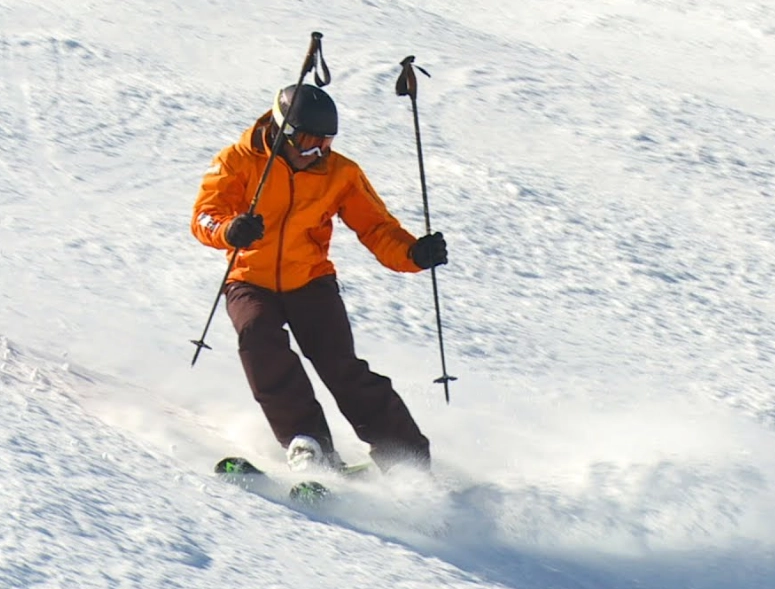
"Do I need to ski backcountry to be an expert?"
Not necessarily. There are incredible expert-level skiers who rarely leave resort boundaries. However, the backcountry demands and therefore develops the expert *mindset*—risk assessment, route-finding, snow science—faster than anything else. It's the ultimate synthesis of skill and judgment. So while not a requirement, it's a common path for those seeking the highest level of the sport.
"I have great technique on video but panic in steep trees. What's wrong?"
Nothing is "wrong." This highlights the difference between technical skill and applied, tactical skiing. The mental pressure of a committing, complex environment (like steep trees) can override perfect technique. Bridging that gap is a core part of becoming an expert. It requires exposing yourself to those environments progressively, in small, manageable steps, to build the mental comfort alongside the physical skill. It's totally normal.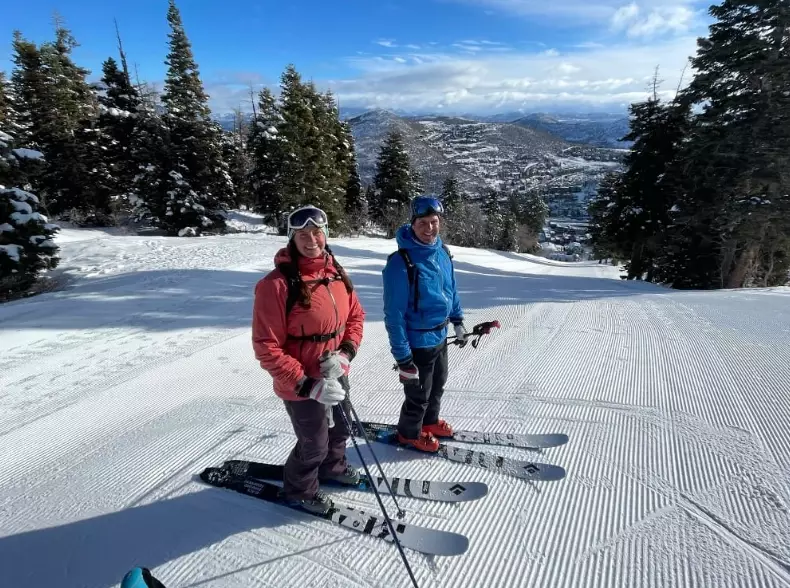
Putting It All Together: Your Personal Checklist
Don't get overwhelmed. Use this as a personal audit, not a final exam. Mark where you feel solid and where you see a gap. Those gaps are your roadmap.
- Terrain: Can I confidently and consistently ski steep, technical terrain in a variety of snow conditions (powder, crud, crust, ice)?
- Control: Is my speed always a conscious choice? Can I make a powerful, carved turn to stop or change line at any moment?
- Technique: Do I understand and can I apply independent leg action, nuanced edge control, and maintain balance in unpredictable snow?
- Mindset: Do I make safety-conscious decisions based on conditions? Do I ski to improve my craft, not just my adrenaline level? Can I easily dial back my intensity to match a less experienced group?
- Habits: Do I actively read the mountain and conditions throughout the day? Am I a resource for my skiing partners?
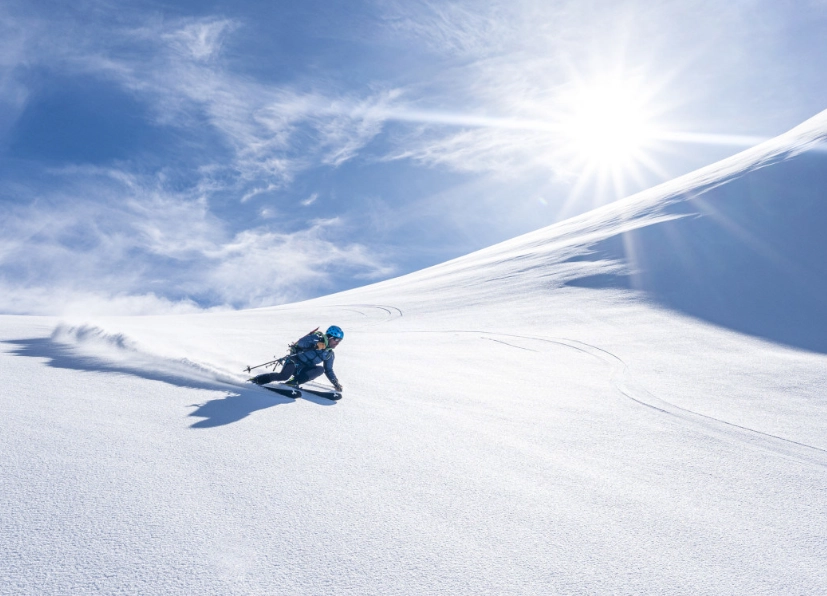
If you're hitting most of these, you're likely operating at an expert level. If you see several areas for growth, you're a solid advanced skier with a clear path forward. And that's a fantastic place to be.
At the end of the day, the label matters less than the journey. The pursuit of answering "how do you know if you are an expert skier?" leads to better, safer, and more joyful skiing. It pushes you to notice more, learn continuously, and respect the mountain deeply. That, in itself, is a sign you're on the right track. Now go grab your skis—there's always another turn to make a little better than the last.
Related Articles

Comments
Join the discussion