Quick Guide
- Alpine Skiing 101: The Foundation of the Sport
- Breaking Down the Different Flavors of Alpine Skiing
- How Alpine Skiing Stacks Up Against Other Types
- Getting Started with Alpine Skiing: A Realistic Look
- Top Destinations for the Classic Alpine Experience
- Frequently Asked Questions (FAQs) About "Normal" Skiing
- The Culture and Community of Alpine Skiing
- Final Thoughts: Embracing the "Normal"
You know that classic image of skiing? The one with people gracefully (or sometimes not so gracefully) schussing down a snow-covered mountain, carving turns, and riding lifts back to the top? That's the picture most of us have in our heads when someone just says "skiing." It's the default. The standard. The normal one.
But if you're new to the sport, or just curious, you might find yourself asking a surprisingly common question: what is the name of normal skiing? It feels like there should be a specific term for it, right? Especially when you hear people talking about cross-country, freestyle, or backcountry skiing.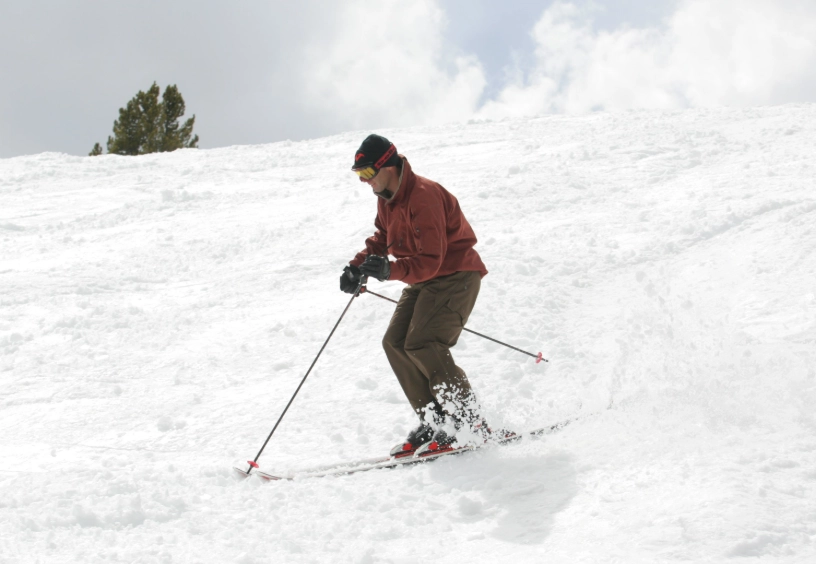
The direct answer is Alpine Skiing. That's the official, universal name for what most people consider "normal" skiing. It's also commonly called downhill skiing, though that's a bit of a misnomer (you do have to ride a lift up first!). The core idea is simple: use fixed-heel bindings to attach skis to rigid boots, ride a mechanical lift up a prepared slope, and ski down. The goal is recreation, speed, and the pure joy of descent.
I remember the first time I heard the term "Alpine skiing." I was a kid, and I just called it... skiing. My family would go to the local hill, and that was that. It wasn't until a friend mentioned he was trying "Nordic" skiing that I realized my "normal" had a proper name. It was a bit of a lightbulb moment.
This guide is for anyone who's ever wondered about that name, or wants to understand what Alpine skiing really entails. We'll peel back the layers on the gear, the techniques, the best places to go, and how it stacks up against other types of skiing. Consider this your one-stop resource.
Alpine Skiing 101: The Foundation of the Sport
Let's start with the basics. Alpine skiing is named after the Alps, the mountain range in Europe where the modern, recreational form of the sport really took off in the late 19th and early 20th centuries. Before that, skiing was largely a practical mode of winter transport. The invention of the ski lift and releasable bindings transformed it into the leisure activity we know today.
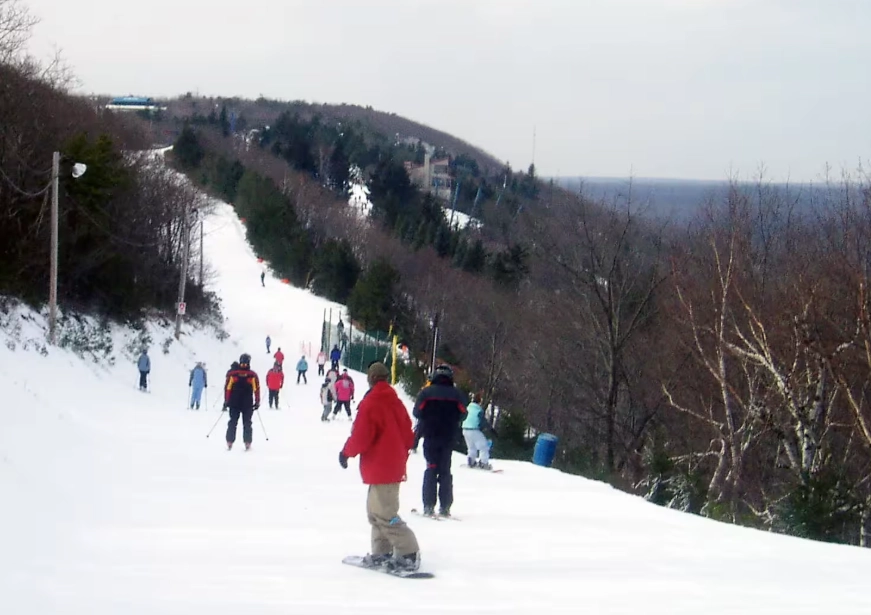
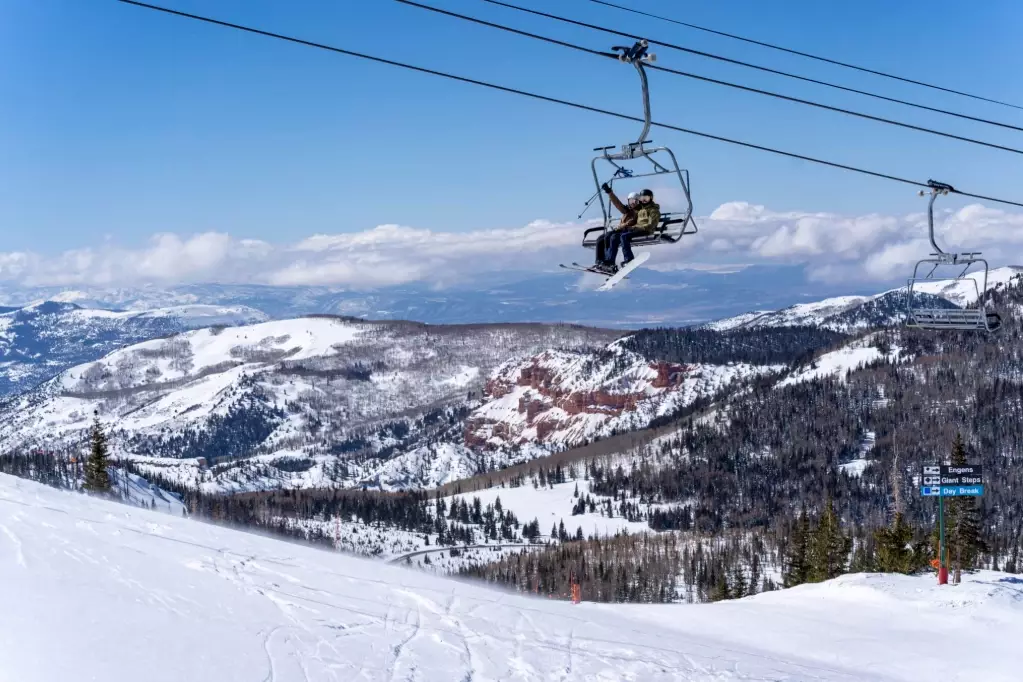
The heart of Alpine skiing is the prepared ski resort. Groomed trails (called pistes in Europe), a network of lifts (chairlifts, gondolas, surface lifts), and a focus on downhill travel define the experience. It's a managed, accessible environment designed for fun and progression.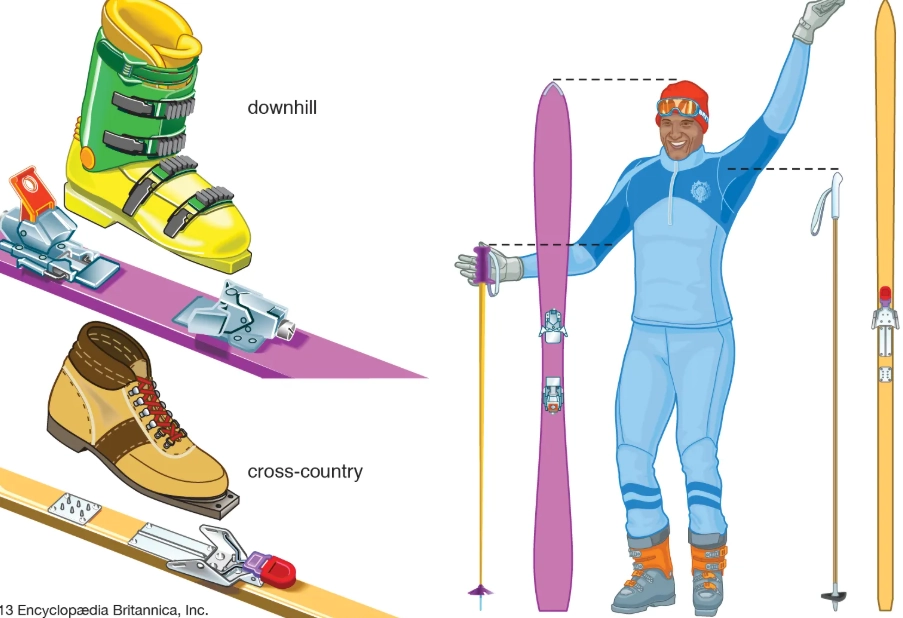
If you've ever rented skis, boots, and poles at a mountain lodge and spent the day following colored trail signs down the slope, you've been Alpine skiing. That's the essence of it.
It's a social sport, often done with friends or family. It's also incredibly versatile. You can cruise gentle green circles, challenge yourself on steep black diamonds, explore terrain parks with jumps and rails, or even venture into off-piste powder between the trees (with proper safety knowledge, of course).
The Core Gear: What Makes Alpine Skiing "Normal"
The equipment is what most visually distinguishes Alpine skiing from its cousins. It's designed for one primary purpose: controlled descent and turning on downhill slopes.
- Skis: Wider underfoot than Nordic skis, with curved-up tips and tails (sidecut) to facilitate turning. They have metal edges for grip on hard snow.
- Boots: This is the big one. Alpine boots are hard, plastic shells that clamp tightly around your foot and ankle. They're not meant for walking comfortably—they're meant for transmitting precise movements to your skis. The heel is completely locked down.
- Bindings: These are the mechanisms that attach the boot to the ski. In Alpine skiing, they fix both the toe and the heel of the boot to the ski. Their key feature is a release function that pops the boot out during a bad fall to help prevent leg injuries.
- Poles: Used for timing, rhythm, and a bit of propulsion on flat spots.
When you see someone clomping around a ski village in stiff, bulky boots, they're almost certainly an Alpine skier. That distinctive walk is a dead giveaway.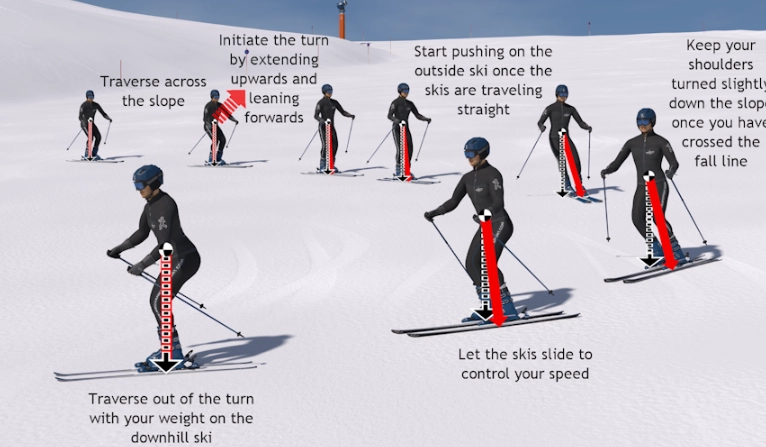
Quick Comparison: Alpine vs. Nordic Boots
To really grasp why Alpine skiing feels "normal," compare the boots. An Alpine boot is like a rigid race car seat, holding you firmly in place for high-performance control. A Nordic (cross-country) boot is more like a flexible hiking shoe, allowing your ankle to lift your heel for a natural striding motion. That fundamental difference dictates the entire experience.
Breaking Down the Different Flavors of Alpine Skiing
Even within the world of normal downhill skiing, there are specialties. Your gear and technique might shift slightly depending on what you love to do. It's not all just pointing your skis straight down the hill.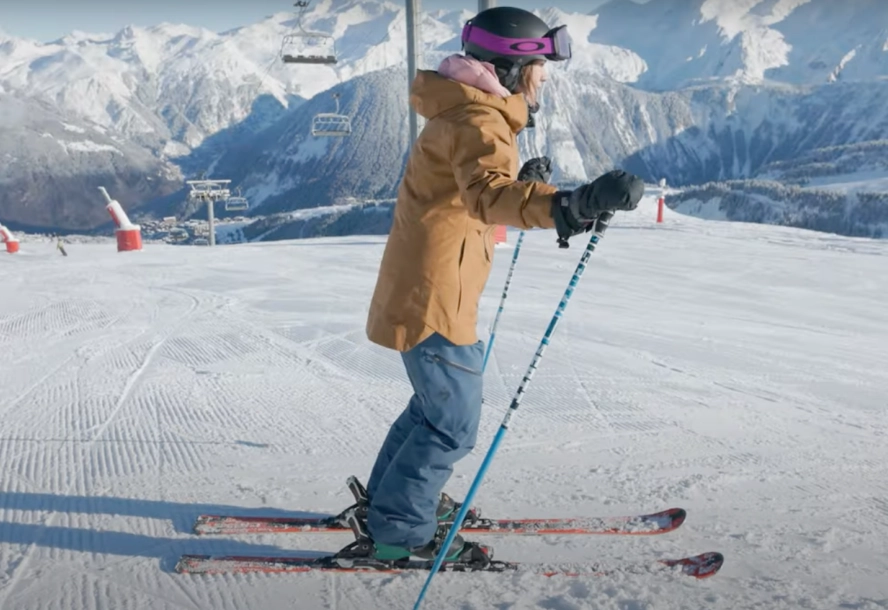
| Discipline | Focus | Typical Gear Traits | Where You'd Do It |
|---|---|---|---|
| All-Mountain/Piste Skiing | The most common form. Enjoying groomed runs of all difficulties. Versatility is key. | Medium-width skis (85mm-100mm underfoot), all-mountain boots. The jack-of-all-trades setup. | Any ski resort, on the marked trails (pistes). |
| Freestyle/Park Skiing | Jumps, rails, halfpipes, and terrain park features. Creativity and tricks. | Twin-tip skis (curved up at both ends), softer flex for easy spinning, specialized park boots. | Designated terrain parks within a resort. |
| Powder Skiing | Skiing deep, untracked snow. A sublime, floating sensation. | Very wide skis (100mm+ underfoot), often with rocker (upturned tip and tail) to stay on top of the snow. | Off-piste areas, backcountry, or after a big snowfall on open resort slopes. |
| Racing & Carving | Speed, precision, and holding an edge on hard snow. Gates, giant slalom, etc. | Narrow, stiff skis with a deep sidecut, ultra-stiff race boots. Built for high-speed turns. | Race courses, or on steep, groomed hardpack runs. |
Most recreational skiers are All-Mountain skiers. They might dip into a bit of powder after a storm or try a small jump in the park, but their main diet is the resort's trail network. That's the bread and butter of what is traditionally called normal skiing.
I personally live for those powder days, but I'll admit, my all-mountain skis are what I use 80% of the time. They're just so dependable for whatever the mountain throws at me.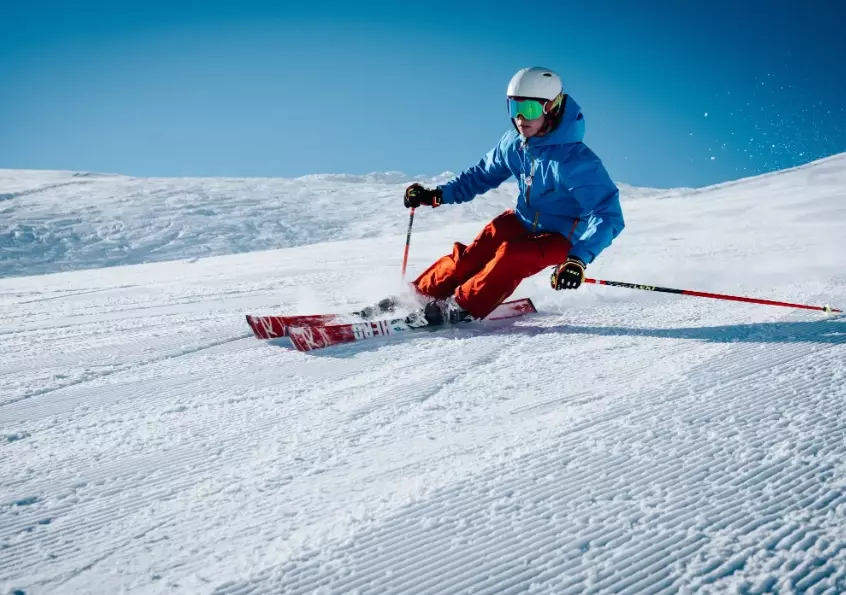
How Alpine Skiing Stacks Up Against Other Types
To truly understand Alpine skiing, it helps to see what it's *not*. The contrast with Nordic skiing is the most illuminating.
Alpine Skiing vs. Nordic (Cross-Country) Skiing: The Key Differences
- Heel Freedom: Alpine = heel locked down. Nordic = heel free to lift.
- Terrain: Alpine = focused on descending prepared slopes. Nordic = focused on traveling across flat and rolling terrain, often on dedicated trails.
- Goal: Alpine = recreation, thrill, sport. Nordic = fitness, endurance, exploration (and also sport).
- Gear Weight: Alpine gear is significantly heavier. Those boots are no joke.
- Access: Alpine typically requires a lift ticket at a resort. Nordic can often be done on golf courses, in parks, or on trail networks for a lower cost.
Then there's Telemark skiing, which is like a quirky hybrid. It uses Nordic's free-heel binding but on wider, downhill-oriented skis. It requires a deep-knee-bending turn and has a cult following for its grace and challenge. It's definitely not "normal" skiing—it's a distinct and demanding discipline.
And let's not forget Backcountry Skiing (or Ski Touring). This involves using special bindings that allow your heel to be free for climbing uphill with "skins" on your skis, then locked down for the descent. It's Alpine skiing's adventurous, untethered cousin, requiring avalanche safety training and a whole other level of knowledge. The U.S. Forest Service and organizations like the American Avalanche Association (avalanche.org) provide critical resources for anyone considering this path.
So when you ask "What is the name of normal skiing?", you're really asking about the resort-based, lift-served, fixed-heel experience. That's Alpine.
Getting Started with Alpine Skiing: A Realistic Look
If you're inspired to try it, here's the unvarnished truth. The learning curve can be tough at the very beginning. Your feet will hurt in new boots, your legs will burn, and you'll probably fall. A lot. But that first time you link a few turns together without thinking about it? Pure magic.
Lesson #1: Get a Lesson. This is non-negotiable for a true beginner. A certified instructor from the resort or an independent school will teach you how to stop, turn, and use the lifts safely—things YouTube videos can't fully impart. The Professional Ski Instructors of America (PSIA) sets the standard for instruction in the U.S. Look for their certified pros.
Rent your gear first. Ski technology changes, and a good rental shop will fit you properly. Don't buy boots online as a newbie—it's a recipe for misery. A bad boot fit ruins everything.
Start on the beginner (green circle) slopes. They are gentle, wide, and perfect for building confidence. There's no shame in spending your first day or two right there. I see too many new skiers get dragged onto a blue square by overzealous friends and have a terrible, scary time. Go at your own pace.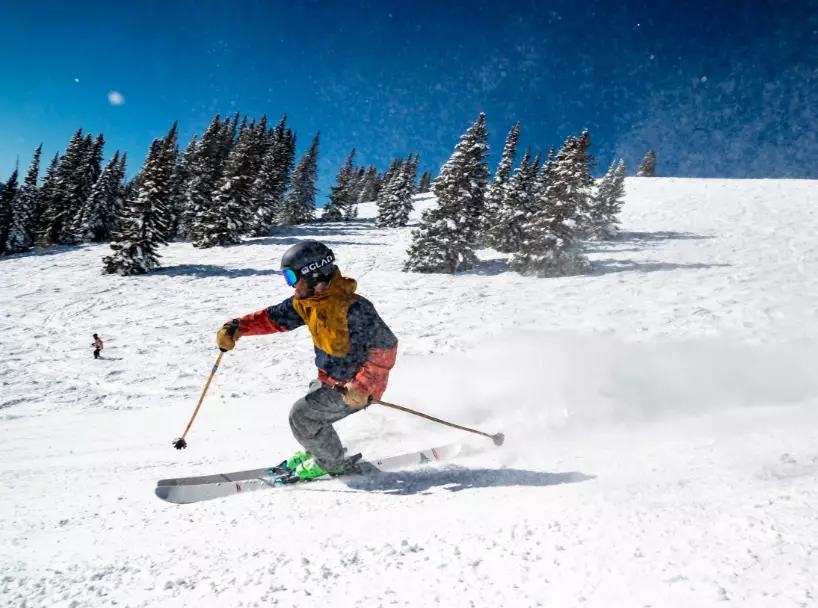
Essential Skills for Normal Downhill Skiing
Beyond the basic snowplow (pizza) stop and turn, progressing in Alpine skiing is about mastering a few core concepts:
- Edging: Learning to roll your ankles and knees to engage the metal edges of your skis into the snow. This is what creates a carve instead of a skid.
- Pressure Control: Shifting your weight along the length of the ski—forward to initiate a turn, centered through the middle, and sometimes back in deep snow.
- Rotary Movement: Using your legs to steer the skis, not your upper body. Your shoulders should generally stay facing downhill.
- Reading the Terrain: Looking ahead to plan your line, anticipating changes in steepness or snow conditions.
It's a physical and mental puzzle, and that's what makes it so addictive. Every run can be a little better than the last.
Top Destinations for the Classic Alpine Experience
Part of the allure is the travel. While you can find great skiing all over, some places are synonymous with the Alpine ideal.
- The Alps (France, Switzerland, Austria, Italy): The birthplace. Massive, interconnected ski areas (think the 3 Valleys in France), charming villages, and a long, rich ski culture. The scale is mind-boggling.
- The Rocky Mountains, USA & Canada: Famous for dry, light "Champagne" powder. Think Aspen, Vail, Whistler Blackcomb, and Lake Louise. Big mountains, reliable snow, and world-class infrastructure.
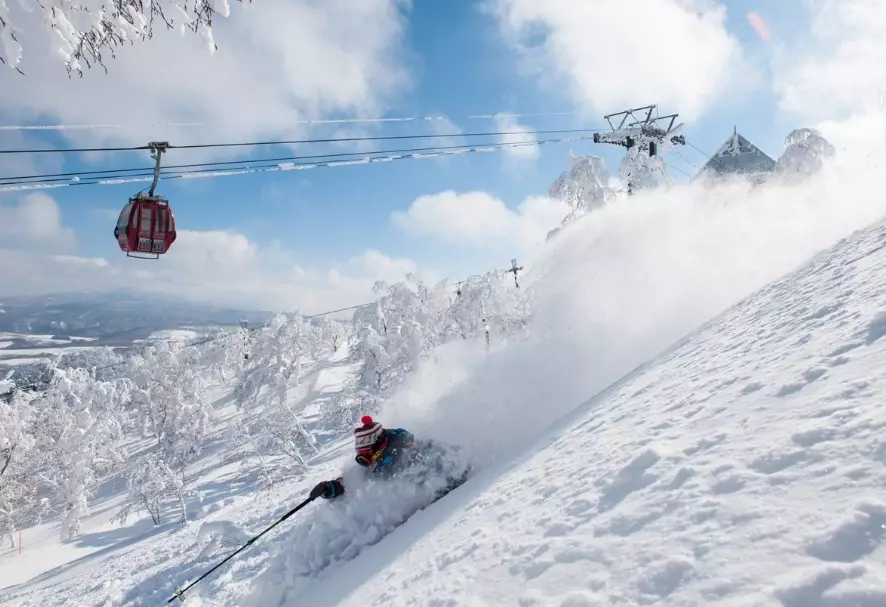
- Japan (Hokkaido): A pilgrimage site for powder hounds. The snow is famously deep and frequent. The culture and food are an incredible bonus.
- Your Local Hill: Never underestimate it. This is where most people learn, progress, and ski most often. It's affordable, accessible, and the heart of the community.
I have a soft spot for smaller, local mountains. The big resorts are amazing, but there's something special about knowing every bump and tree on your home hill.
Frequently Asked Questions (FAQs) About "Normal" Skiing
They're hard in different ways. Alpine has a steeper initial learning curve for basic control and stopping. It's also more physically intense in short, powerful bursts (thigh burn!). Cross-country has a lower barrier to entry for basic movement but demands incredible cardiovascular endurance for long distances. Alpine feels more technical at the start; Nordic feels more athletic over time.
If you're on two planks with poles, it's skiing (specifically Alpine skiing if you're at a resort). If you're on a single board with no poles, it's snowboarding. They share the same mountains and lifts but are different sports with different techniques, cultures, and gear. This is a common point of confusion—the name of normal skiing doesn't change based on the presence of snowboards.
The name is historical, describing the style and origin of the sport, not your geographic location. Just like you can play "American" football outside of America, you can go Alpine skiing anywhere there's a suitable slope, from Colorado to New Zealand. The term defines the method, not the map coordinates.
Yes, for all practical purposes. If you are skiing at a commercial resort with lifts and groomed trails, you are almost certainly Alpine skiing. The resort is the primary venue for the Alpine discipline.
See? The question "what is the name of normal skiing?" opens up a whole world.
The Culture and Community of Alpine Skiing
It's not just a sport; it's a lifestyle for many. There's an entire ecosystem around it—the apres-ski scene (drinks and socializing after skiing), the gear-obsessed forums, the film festivals showcasing jaw-dropping feats, and the shared camaraderie of enduring a storm chairlift ride together.
Governing bodies like the International Ski Federation (FIS) oversee competitive Alpine skiing at the World Cup and Olympic level, setting rules and safety standards that trickle down to the recreational world. Following events like the Hahnenkamm downhill in Kitzbühel is a rite of passage for ski fans—it's the pinnacle of what this equipment and technique can do.
There's also a constant dialogue about the sport's future: sustainability, resort access, inclusivity, and adapting to climate change. It's a living, evolving community.
Final Thoughts: Embracing the "Normal"
So, the next time you hear someone ask, "What is the name of normal skiing?", you can confidently say: It's Alpine skiing. It's the gravitational joy of turning down a mountain, the clatter of skis in a lift line, the sting of cold air on your face, and the deep satisfaction of a day spent outdoors in winter.
It's "normal" because it's the most accessible, widespread, and iconic form of the sport. But as we've seen, within that normality lies incredible depth—from the physics of a carved turn to the global search for perfect snow.
Don't get hung up on the jargon. Whether you call it Alpine, downhill, or just plain skiing, the goal is the same: to have fun on the snow. Now you know what to Google for lessons.
My advice? Start where you are. Find a local hill, take that lesson, and embrace the learning process. The mountain will teach you everything else you need to know. And who knows? Maybe you'll find that this "normal" skiing becomes your favorite abnormal passion.
Related Articles
Comments
Join the discussion