Quick Navigation: What's Inside This Guide
Let's be honest. You've mastered the pizza slice (the snowplow, I mean). You can get down a blue run without too much panic, though maybe with a few wide, skidding turns. You see people gliding past, skis perfectly parallel, making those clean, crisp arcs in the snow, and you think... I want to do that. But then you also think: isn't that for experts? Am I even ready?
Here's the secret they don't always tell you in week-one group lessons: advanced skiing techniques for beginners aren't a myth. They're the natural next step. Moving beyond the basics isn't about doing black diamonds or jumping off cliffs. It's about efficiency, control, and frankly, way more fun. This guide is for you—the skier who's done the bunny hill shuffle and is hungry for the next level.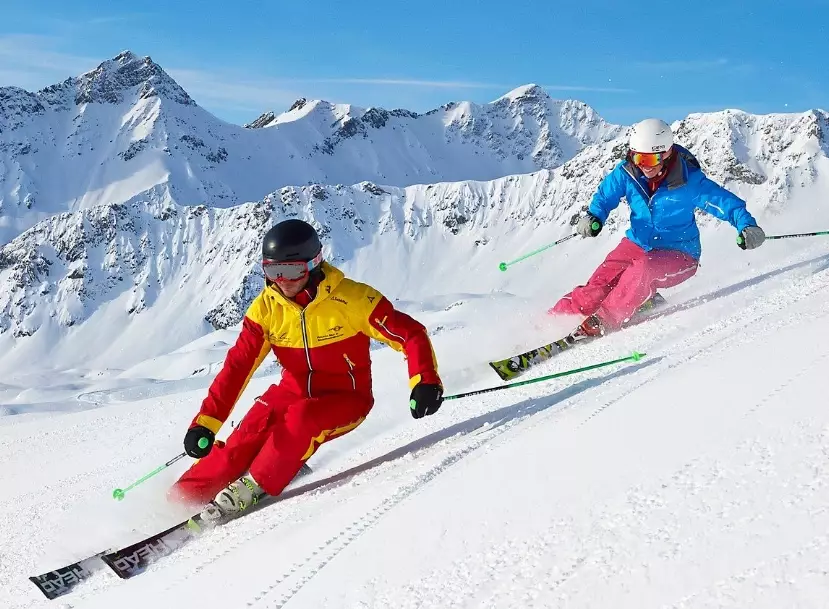
We're going to break it down without the jargon. No Olympic-level expectations. Just clear, actionable steps to transition from a cautious beginner to a confident intermediate skier, focusing on the core skills that actually matter.
Mindset and Foundation First: The Unsexy Truth
Before we dive into the flashy stuff like carving, we need to talk about the boring foundation. Skiing is a sport of balance and pressure management. If your stance is a crouched, defensive mess, no technique in the world will work smoothly.
Think about it. If you're always leaning back (the infamous "backseat driver" position), your ski tips are light. You can't steer. You're just along for the ride, using your muscles to fight the mountain. It's exhausting and scary.
The single most important advanced skiing technique for a beginner to master isn't a turn shape—it's a strong, athletic, and forward stance. Hips over boots, knees flexed, shins pressing lightly into the boot tongues, hands forward and visible. This gives you control.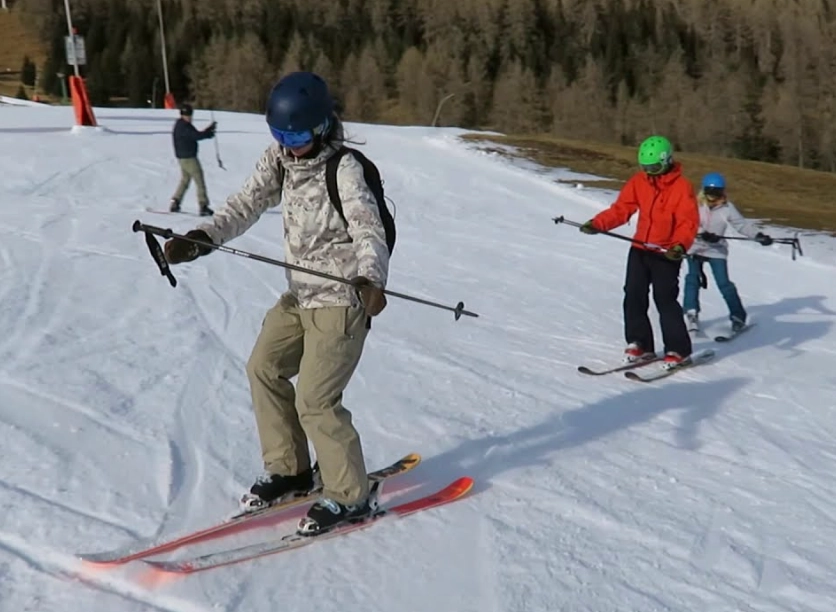
And safety? Non-negotiable. You're going to be moving faster with more commitment. A proper helmet is a must—not some rented, decade-old bucket. Know the Your Responsibility Code from the National Ski Patrol. It's not just rules; it's the grammar of how to move safely on a crowded slope. Looking uphill before merging, stopping in safe spots—these habits become ten times more critical as you progress.
Breaking Down the Core Advanced Techniques
Okay, foundation check. Let's get into the meat of it. What are these advanced skiing techniques for beginners we keep talking about? They're the building blocks of efficient skiing.
The Holy Grail: Parallel Turns
This is the big one. The goal isn't just to snap your skis together magically. The goal is to steer both skis together, using your edges and lower body, not your upper body twisting.
Forget trying to jump from a wide snowplow to perfect parallels. It's a progression. Here's how I teach my friends (and how I finally learned):
- Start with a Wedge Christie: Begin your turn in a small pizza/wedge. As you start to turn across the hill, let your inside (uphill) ski slowly come parallel to your outside ski. Finish the turn with both skis parallel. It's like a hybrid. Do this a million times on a gentle slope until it feels less forced.
- Focus on the Outside Ski: 90% of your pressure and steering should be on the downhill, outside ski in the turn. This is the golden rule. If you're evenly weighting both skis, you'll skid. Really stand on that outside leg. Feel it.
- Use Your Edges, Not Just Your Legs: A turn happens when you roll your ankles and knees slightly into the hill. This engages the metal edge of your ski, which then wants to follow an arc. It's less about muscling the ski around and more about letting the design of the ski do the work.
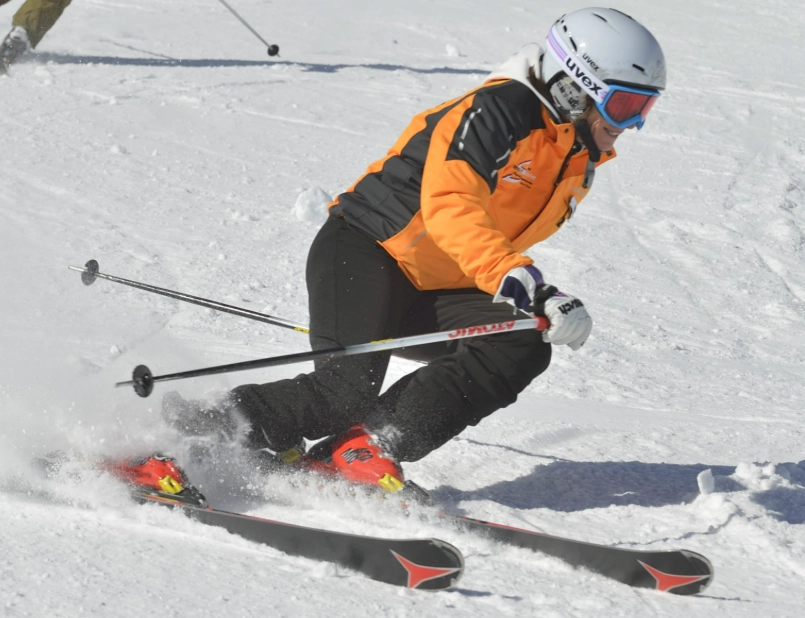
It feels weird at first. You're committing your weight to one leg while moving sideways. But when it works, the turn becomes quiet and controlled, not a noisy skid.
Carving: The Next Level of Edge Control
If parallel turns are about getting both skis working together, carving is about making them rail like train tracks. A carved turn leaves a thin, pencil-line arc in the snow. A skidded turn (what most beginners do) leaves a washed-out fan of snow.
How do you start carving as a beginner? You don't start on a steep pitch. You start on a very gentle, groomed slope where you can build a little speed without fear.
The key difference from a basic parallel turn is the angle. To carve, you need to incline your body more into the turn, creating higher edge angles. This means more commitment. You lean your hips and shoulders slightly inside the turn arc, while your skis and ankles are edged away from you. It's a counter-balance.
A great drill is the "J-turn." Traverse across a gentle slope, then gently roll your knees into the hill. Don't steer. Just let the edges engage and see if the skis start to turn uphill on their own, drawing a "J" shape in the snow. That's pure carving initiation.
Honestly, pure carving is tough and requires good conditions and tuned skis. But working towards it—trying to make cleaner arcs with less skid—is what teaches you incredible edge control. It's the heart of advanced skiing techniques for beginners who want precision.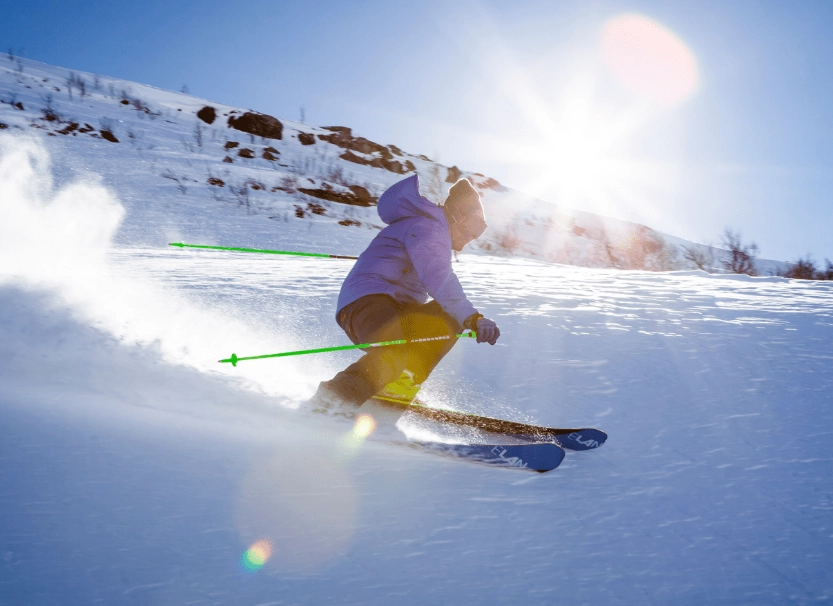
Venturing Beyond the Groomers: Powder and Bumps
Once you're comfortable with linked parallel turns on groomed blue runs, the mountain opens up. Two classic next challenges: soft snow (powder) and moguls (bumps).
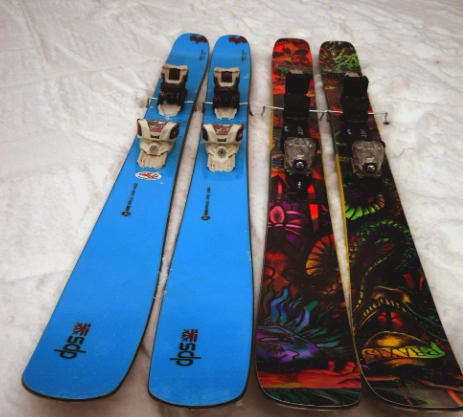
Powder Skiing Basics: Everyone makes it look like floating on clouds. The reality for a beginner is that it can feel like wrestling two giant noodles. The technique shift is major: you need to stay centered or even slightly back to keep the ski tips from diving, use a wider stance for stability, and make slower, more rounded turns. The snow pushes back, so you need to be more active with your legs, almost bouncing or pumping to initiate the turn. My first powder day was equal parts euphoria and utter exhaustion. Rent fatter skis if you can—they make a world of difference.
Moguls (Bumps): This is the ultimate test of independent leg action and quick reflexes. The goal isn't to hit each mogul at top speed. Start slow. Pick a line. The key is absorption. As your skis go up the back of a bump, you extend your legs. As you go down the front side, you retract them (bend your knees). This keeps your skis in contact with the snow and absorbs the impact. Your turns happen in the troughs between bumps. It's a rhythm. And it's brutally hard at first. Don't be discouraged if you can only do three bumps before needing to stop. That's normal. Focus on the up-and-down motion first, the turns second.
The Non-Negotiables: Safety and Gear for Progression
As you try these advanced skiing techniques for beginners, the consequences of a mistake are higher. You'll be on steeper terrain, moving faster. Your gear and mindset need to level up too.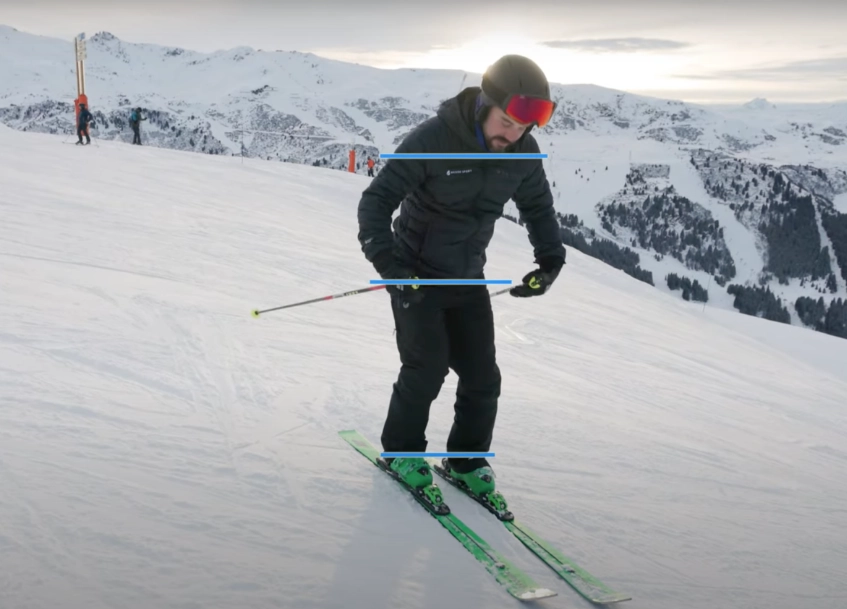
Gear That Actually Helps (Not Just Looks Cool)
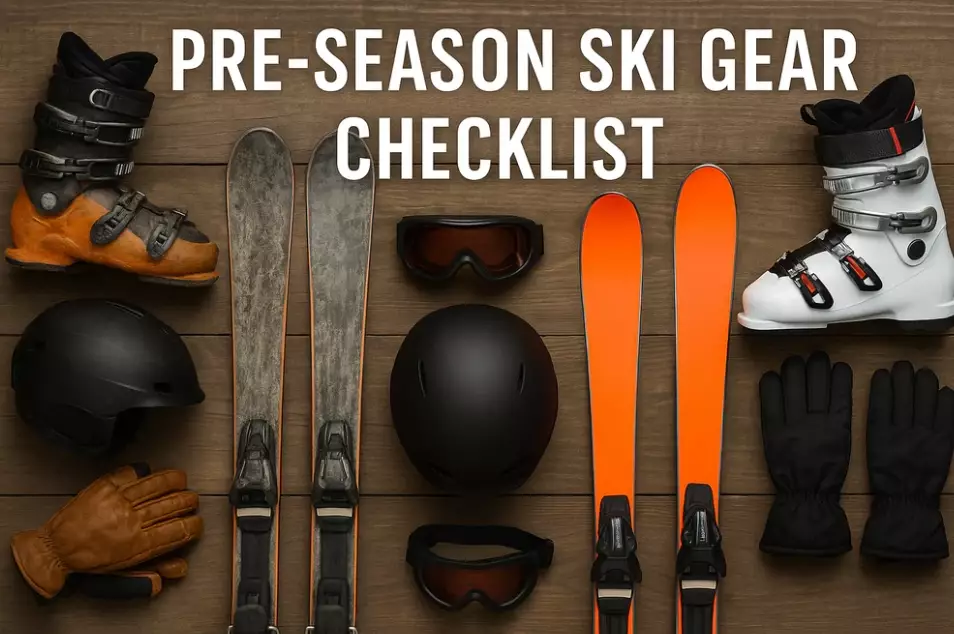
Your rental shop beginner package might be holding you back. Here’s what to think about:
| Gear Item | Beginner Setup | Progression Setup (What to Look For) | Why It Matters |
|---|---|---|---|
| Skis | Short, soft, full rocker (tip rises early). | Mid-width (75-85mm underfoot), all-mountain shape with camber underfoot. Length around chin to nose height. | Camber provides pop and edge grip on hard snow. A bit more length/stability helps at speed. All-mountain shape lets you try a bit of everything. |
| Boots | Very soft flex (60-70 flex index). | Medium flex (80-95 flex). PROFESSIONAL FIT IS CRITICAL. | A stiffer boot gives you more precise control and support for higher edge angles. A proper fit eliminates pain and power loss. |
| Poles | Often an afterthought. | Correct length (forearm parallel to ground when holding grip, tip on floor). | Proper poles aid rhythm and timing, especially in bumps and during pole plants to initiate turns. |
| Helmet | Basic rental model. | Your own, well-fitted MIPS helmet. | MIPS technology reduces rotational forces on the brain in a crash. Comfort and fit mean you'll wear it all day. |
Consider getting your own boots first, even before skis. A great boot fitter is worth their weight in gold. They'll align your stance, eliminate pressure points, and give you a direct connection to the ski. It's the single best investment for improvement.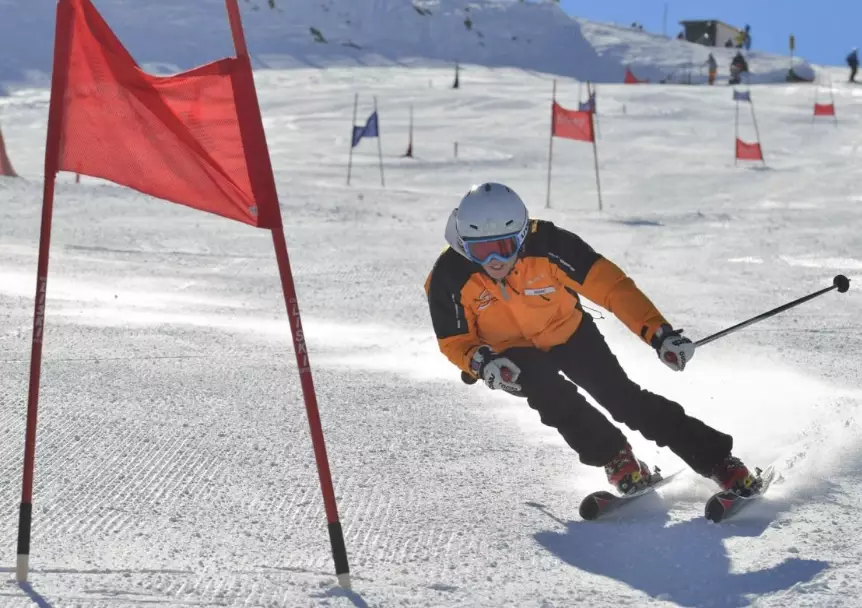
Reading Terrain and Conditions
Ice, crud, slush, wind-scoured hardpack—they all ski differently. An advanced skiing technique for beginners is learning to adapt. On ice, make slower, more deliberate edge engagements. In heavy slush, be more aggressive and power through. Always ski a run that's within your ability for the conditions, not just the trail map rating. A blue run that's a sheet of ice is harder than a groomed black diamond.
Check the weather and snow report. Talk to the lifties or ski patrol about conditions. The U.S. Forest Service and local ski area sites provide crucial avalanche safety info for backcountry access (which is NOT where you are yet—stay in bounds!).
Common Mistakes and How to Fix Them
We all make them. Here’s a quick-hit list of what's probably holding you back, based on watching hundreds of learners (and being one myself).
- The "A-Frame" Turn: Your outside ski is parallel, but your inside ski is still in a pizza, knee dropped in. Fix: Focus on rolling the knee of your inside ski inward to match the angle of the outside ski. Think "knees together."
- Upper Body Rotation: You wind up your shoulders and throw them around to start the turn. Fix: Keep your shoulders facing mostly downhill. Initiate the turn from your feet and knees, letting your hips follow. Practice holding your poles horizontally in front of you to keep your upper body quiet.
- Static Stance: You get into a position and freeze. Fix: Skiing is dynamic. You should be making constant micro-adjustments. Practice bouncing lightly on your skis on a flat area to feel the flexion and extension.
- Looking Down at Your Skis: This automatically puts you in the backseat. Fix: Look 20-30 feet ahead where you want to go. Your body will follow your gaze. Pick a tree or a lift tower as your target.
Practice Drills That Actually Work
Don't just ski run after run the same way. Isolate skills with drills. Spend 15 minutes at the start of your day on these.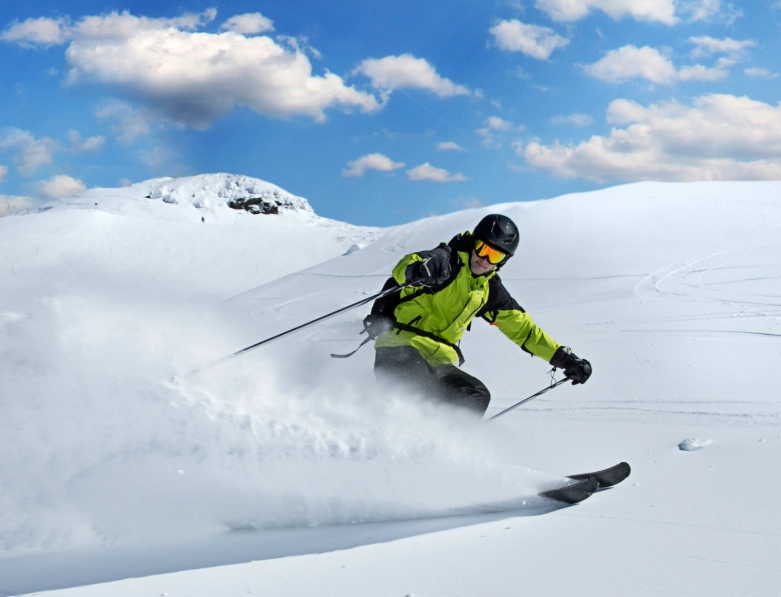
On a very gentle slope, try to make two perfectly parallel tracks in the snow. No skidding. This forces clean edge engagement and weight on the outside ski.
On a flat green run, lift your inside ski entirely off the snow for the entire turn. Balance completely on your outside ski. Switch. This is the ultimate teacher of outside ski dominance.
Hold both poles horizontally behind your back, tucked in the crook of your elbows. Make turns. This prevents you from using your arms for balance and highlights any upper body rotation instantly.
Your Advanced Beginner Skiing Questions, Answered
Let's tackle some of the specific things you're probably typing into Google.
The journey from cautious beginner to confident skier tackling varied terrain is one of the most rewarding experiences in sports. It's not about being the fastest or the most extreme. It's about the quiet satisfaction of linking a series of beautiful, carved turns on a sunny morning, or successfully picking your way through a bump field without stopping.
It's about making the mountain your playground, not your obstacle.
Focus on the fundamentals of stance and balance. Break down the parallel turn into manageable steps. Respect the conditions and your gear. And most importantly, be patient with yourself. Every expert skier you see was once exactly where you are now, wondering how they'd ever move past the snowplow. They just kept at it, one turn at a time.
Now go find some soft snow and put those edges to work.
Related Articles
Comments
Join the discussion