Quick Navigation
Let's be real, walking into a ski shop or scrolling through an online store can be overwhelming. You see these weird shapes, crazy widths, and a bunch of jargon that sounds like a different language. Carving skis, powder skis, all-mountain, twin-tips... what does it all mean? And more importantly, which of these types of skis used by everyone from pros to weekend warriors is actually right for YOU?
I remember my first time buying skis without a clue. I just picked the coolest-looking graphics. Big mistake. They were way too stiff and demanding for my intermediate skills, turning a fun day into a battle. That's why I'm writing this – to save you from that headache.
This isn't just a dry list. We're going to dig into why these different types of skis exist, who they're for, and where they shine (or suck). By the end, you'll be able to look at a ski and have a pretty good idea of what it wants to do. You might even impress the shop tech.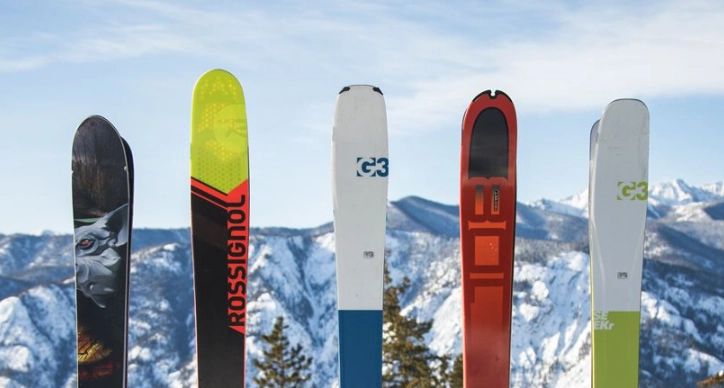
The Core Idea: It's All About the Waist
Before we dive into categories, you need to understand one number: the waist width. This is the narrowest point of the ski, usually underfoot, measured in millimeters. It's the single biggest clue to a ski's personality.
This waist width, combined with the shape (or sidecut) and stiffness, dictates where the ski will feel at home. Get this wrong, and you're fighting your equipment all day.
The Main Categories of Skis: Breaking Down the Mountain
Alright, let's get into the meat of it. Here are the primary types of skis used across resorts and backcountry zones today.
All-Mountain Skis: The Jack-of-All-Trades
This is the most popular category for a reason. It's the Swiss Army knife. The idea is one ski that can handle a bit of everything you'll find on a typical resort day: groomed runs, some chopped-up snow, maybe a venture into a bit of soft snow on the side.
Waist Width: Typically 85mm to 105mm. The sweet spot for most recreational skiers is right around 90-100mm.
Who it's for: The vast majority of skiers. If you're an intermediate to advanced skier who likes to explore the whole mountain without switching gear, this is your zone. If you're only buying one pair of skis, this is likely where you'll land.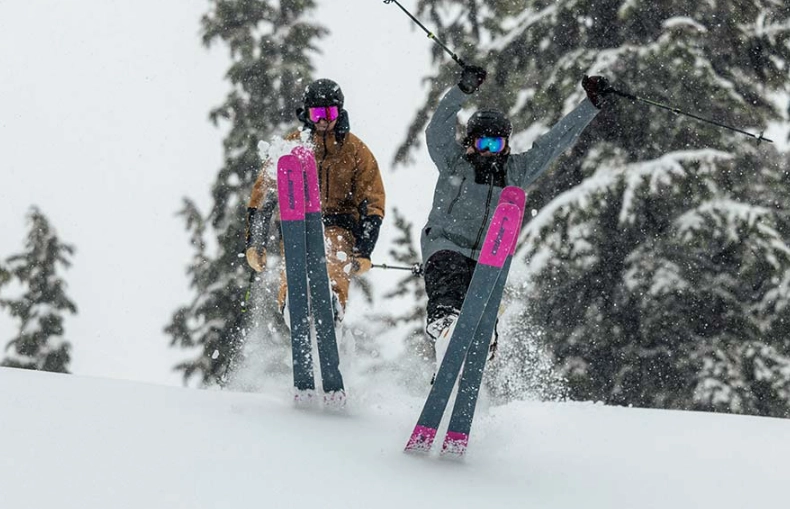
The Not-So-Good: Master of none. They won't rail on ice like a dedicated carving ski, and they won't float in deep powder like a dedicated powder ski. They're a compromise—but a very smart one for most people.
Personally, I think the marketing around "one-ski-quivers" is a bit overhyped. Yes, an all-mountain ski can do it all, but if you develop a strong preference for one type of skiing (like deep powder days), you'll start to feel its limitations.
Frontside / Carving Skis: For the Need for Speed on Groomers
These are the precision instruments. Also called piste skis or on-piste skis. They live for the corduroy—those perfectly groomed, firm runs. If you love laying down railroad-track carves, feeling your edges grip, and going fast, this is your category.
Waist Width: Narrow, usually between 65mm and 85mm.
Key Features: A deep, aggressive sidecut (big difference between tip, waist, and tail width) for quick, tight turns. They're often stiffer torsionally (twist resistance) for powerful edge hold on hard snow. Many have metal laminates (titanal) for dampness and stability at speed.
Who it's for: Skiers who spend 90% of their time on groomed trails. Racers, ex-racers, and anyone who gets their kicks from perfect technique on firm snow. They are less common as a primary ski for casual skiers now, as all-mountain skis have gotten so good.
I'll admit, on a perfect hardpack day, nothing beats the feel of a good carving ski. It's like driving a sports car on a winding road. But take it off the groomer? It's a nightmare. I made the mistake once of taking a pair of stiff, demanding frontside skis into a bit of chopped-up crud. It was like trying to waterski through molasses.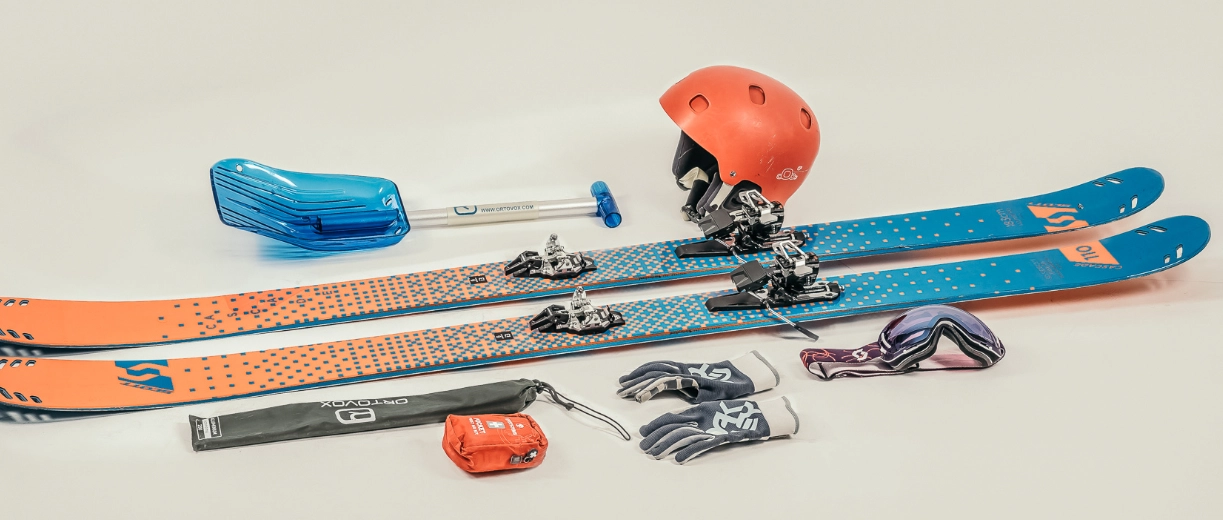
Powder Skis: Your Surfboards for the Snow
When it dumps a foot of fresh snow, these are the types of skis used by everyone chasing the deep stuff. Their entire design philosophy is about floating on top of the snow, not plowing through it.
Waist Width: Wide, typically 105mm and up. True dedicated powder skis often start at 115mm and can go way beyond.
Key Features: Massive width is the main one. But look for "rocker"—an upward curve in the tip and tail, and sometimes even underfoot. This rocker profile prevents the tips from diving. They're often softer flexing to be more playful and surfy. Many have a "tapered" shape (tip wider than the tail) to further enhance float.
Who it's for: Powder hounds, freeride skiers, and anyone who lives for deep days. If you get a lot of snow where you ski, or plan trips chasing storms, these are worth it.
All-Mountain Wide Skis: The Quiver-of-One for Snowier Places
This is a sub-category that's exploded in popularity. Think of it as an all-mountain ski that's biased towards soft snow. It's the go-to choice for skiers in the Western US, Canada, or the Alps who see more frequent powder but still want a ski that can handle the groomer back to the lift.
Waist Width: 100mm to 115mm.
Who it's for: The advanced intermediate to expert skier in a snowy climate. It's for the person who wants to be ready for a powder day but doesn't want a ski that's useless when it's not dumping. This category has arguably become the new "standard" for expert skiers in many regions.
Freestyle / Park Skis: For the Jump and Jib Crew
Built for the terrain park: jumps, rails, halfpipes. Durability and maneuverability are key here.
Key Features: "Twin-tip" design is standard—the tail is turned up like the tip, allowing for skiing and landing backward (switch). They're usually symmetrical in shape (same sidecut tip and tail) for balanced performance going forward or backward. Flex is often softer and more forgiving for presses on rails and buttering. They have reinforced edges and topsheets to withstand impacts.
Who it's for: Park rats. If you spend your days hitting features, this is non-negotiable. Some all-mountain skis have twin-tip designs now, blurring the line, but a true park ski is built tougher for the abuse.
These types of skis used in the park often sacrifice some high-speed stability and hard-snow edge grip for their playful, durable nature. Don't buy these expecting a calm, carving experience.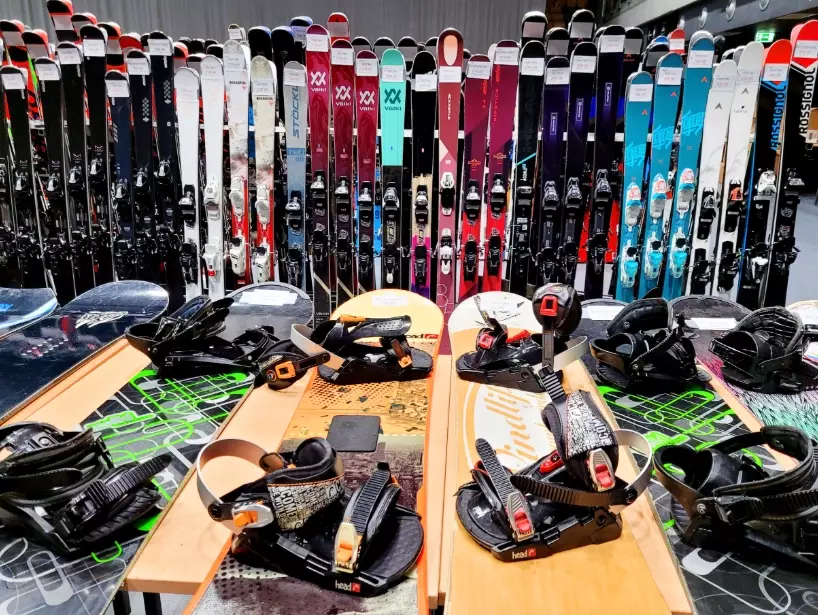
Freeride / Big Mountain Skis: For the Steep and Deep
These are the skis for charging big lines, cliff drops, and steep, variable terrain. They are the SUVs of the ski world—built for stability and power in challenging conditions.
Waist Width: Often in the 105mm-120mm+ range.
Key Features: Stiff, damp, and stable. They often have metal for confidence at high speeds in choppy snow. They usually have rocker in the tip (for float in variable snow) but may have a flatter tail for powerful driving and control. They are demanding skis that require a strong, aggressive skier to bend them.
Who it's for: Expert skiers who seek out the most challenging in-bounds and sidecountry terrain. They are overkill for most people and can feel like planks if you're not going fast and charging hard.
Touring / Alpine Touring Skis: For the Uphill Journey
These are designed for skiing in the backcountry, where you need to climb up under your own power with skins before skiing down. Weight is a huge factor.
Key Features: Lightweight construction (special cores, less metal). Often paired with tech bindings that allow a free-heel pivot for walking. The shapes can mirror any category above (all-mountain touring, powder touring, etc.), but they are built lighter.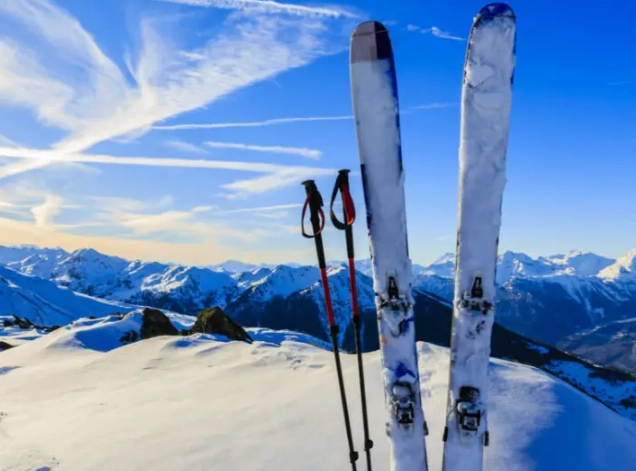
Who it's for: Backcountry skiers. A critical note: Backcountry skiing requires specific avalanche safety training and equipment. Do not venture out without the knowledge, a partner, a beacon, probe, and shovel. Resources like the American Institute for Avalanche Research and Education (AIARE) are essential starting points.
The trade-off is real. Lighter skis are easier to climb with but can get knocked around more on the descent compared to their heavier resort counterparts. It's a constant balancing act.
Putting It All Together: A Quick-Reference Table
Sometimes you just need to see it side-by-side. Here’s a breakdown of the main types of skis used and their key traits.
| Type of Ski | Typical Waist Width | Best For Terrain | Ideal Skier Profile |
|---|---|---|---|
| Frontside / Carver | 65 - 85 mm | Groomed runs, hardpack, ice | Speed demons, carving enthusiasts, mostly stay on-piste |
| All-Mountain | 85 - 105 mm | Everything in-bounds (groomers, crud, some powder) | Most recreational skiers, one-ski quiver seekers |
| All-Mountain Wide | 100 - 115 mm | Soft snow, frequent powder, variable conditions | Advanced skiers in snowy regions, powder-chasers who still ski groomers |
| Powder | 105 mm+ | Deep, untracked powder | Powder specialists, deep-day dedicated skis |
| Freestyle / Park | Varies (85-100 common) | Terrain parks, jumps, rails | Park and pipe skiers, those who ski switch often |
| Freeride / Big Mountain | 105 - 120 mm+ | Steep, challenging, variable in-bounds/sidecountry | Expert, aggressive skiers charging hard lines |
| Touring | Varies by purpose | Backcountry (uphill & downhill) | Backcountry skiers with proper safety training |
Beyond the Category: Other Factors That Scream "Try Me"
The category tells you the intent, but these details tell you about the feel. When you're researching, these specs matter just as much.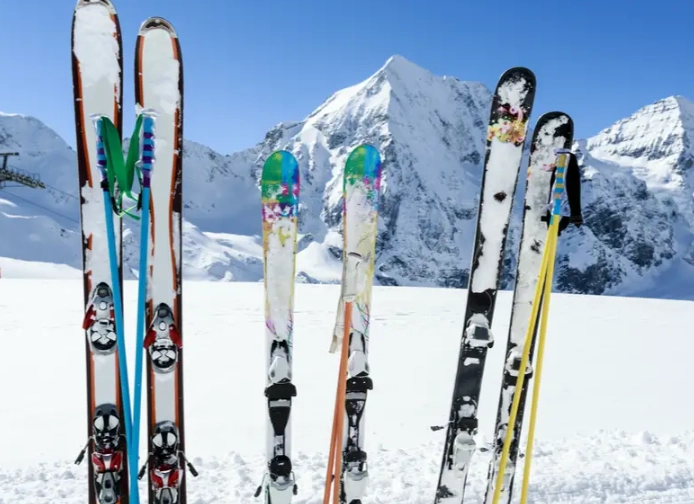
Rocker vs. Camber: The Profile Story
This is about the curve of the ski's base when laid flat.
- Camber: The classic. The middle of the ski arches off the snow, with the tip and tail touching. This provides powerful edge engagement, pop, and energy. Great for carving, hard snow. Most carving skis are full camber.
- Rocker (or Reverse Camber): The tips and/or tails curve upward. This makes initiating turns easier, improves float in powder, and makes the ski feel looser and more playful. Powder skis have lots of rocker.
- Rocker-Camber-Rocker: The modern hybrid. Rocker in the tip and tail for easy turn initiation and float, camber underfoot for edge grip and power. This is the most common profile on all-mountain and all-mountain wide skis today. It's a fantastic do-it-all design.
Stiffness vs. Flex: The Personality Gauge
How much force does it take to bend the ski?
Stiff Skis: Stable at high speed, powerful, hold well on ice. Demand good technique and aggression. Can be punishing if you're in the backseat.
Soft Skis: Forgiving, playful, easier to pivot and smear. Better in bumps and for less aggressive skiers. Might feel chattery or less stable when you push them hard.
Most skiers, especially intermediates, are better off with a medium to medium-soft flex. It's more forgiving as you learn.
Length: The Eternal Question
The old "chin to nose" rule is outdated because of modern shapes (rocker especially). A rockered ski skis shorter than its stated length because less edge is in contact with the snow.
Answering Your Burning Questions (FAQ)
The Final Piece of Advice: Demo, If You Can
All this reading is great, but nothing replaces feeling the ski under your feet. Most resorts and good shops have demo programs. For maybe $50-$80 a day, you can try 2-3 different pairs. It's the best money you'll spend.
Try a narrower all-mountain ski and a wider one. Feel the difference between a stiff and a soft ski. It will crystallize everything you've read here.
Choosing from the vast array of types of skis used today is about matching a tool to your home mountain, your skill, and your goals. There is no single "best" ski, only the best ski FOR YOU. Ignore the hype, think about where you actually ski most, and be honest about your ability level. Do that, and you'll find a pair that feels like an extension of your body, not a pair of planks you're wrestling with. And that's when the real fun begins.
Now get out there.
Related Articles
Comments
Join the discussion