Quick Navigation
- It All Starts With One Thing: Your Edges
- The Three Main Ways to Turn Your Skis
- Why Your Turns Feel Wrong: The Top 5 Mistakes (And How to Fix Them)
- Drills That Actually Work (No Gimmicks)
- Your Terrain & Condition Cheat Sheet
- Answers to the Questions You're Actually Searching For
- Gear That Actually Helps (And What Doesn't Matter)
- Final Thought: It's a Journey, Not a Destination
Let's be honest. The whole point of skiing isn't just pointing your skis straight down a hill and hoping for the best. That's a one-way ticket to a speed you didn't sign up for and a crash you definitely didn't want. The real magic, the thing that transforms you from a passenger on two planks into a pilot, is the turn. Knowing how to properly turn when skiing is the difference between fear and flow, between surviving the mountain and actually enjoying it.
I remember my first season. I'd snowplow (or wedge, if you're fancy) my way across a green run, my legs burning from the effort, convinced I was doing it right. Then I'd see a little kid zip past me, making effortless S-shaped tracks in the snow. It was humbling. It made me ask the real question: what were they doing that I wasn't? The answer wasn't strength or bravery. It was technique. It was understanding how to make the skis do the work.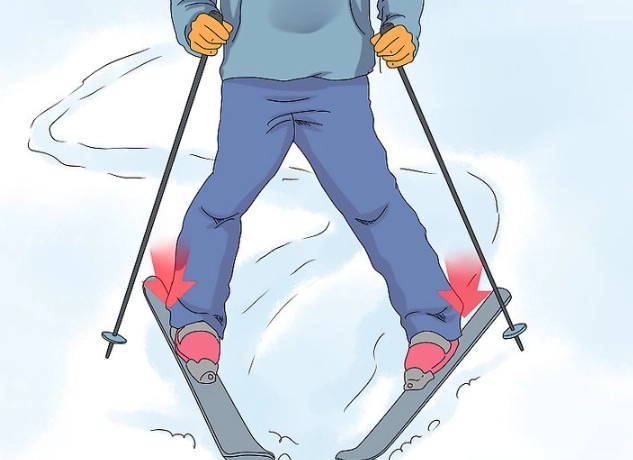
It All Starts With One Thing: Your Edges
Before we dive into the different turns, you gotta get this one concept. Your skis aren't just slippery boards. The metal edges running down their sides are your brakes, your steering wheel, and your stability control, all in one. A turn happens when you engage your edges into the snow. More edge angle usually means a sharper, more controlled turn. Less edge angle lets you slide or skid. Think of it like a knife. Press the flat side against butter and it slides. Tilt it onto its edge and it cuts. Your skis work the same way on snow.
So, how do you move from understanding edges to actually linking turns down a slope? It's a progression. You wouldn't try to run before you can walk, and in skiing, you shouldn't try to carve before you can snowplow. Let's break down the family of turns, from the trusted beginner method to the holy grail of advanced skiing.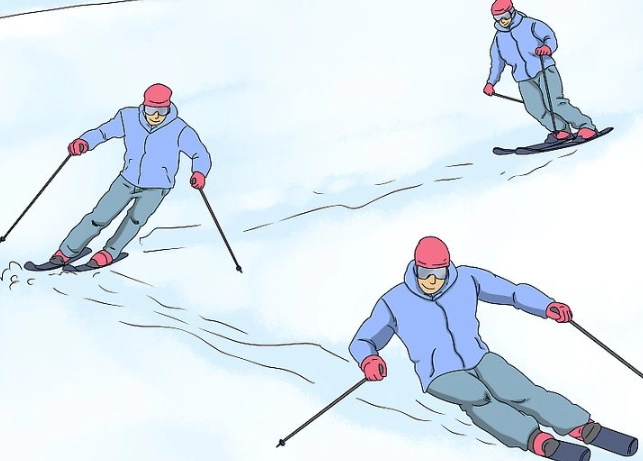
The Three Main Ways to Turn Your Skis
Each of these techniques serves a different purpose and skill level. Getting the order right is half the battle.
The Snowplow Turn (or Wedge Turn): Your Best Friend on Day One
This is where almost everyone starts. You form a "pizza slice" or a wedge with your skis (tips close, tails wide). To turn left, you apply more pressure to your right ski. To turn right, more pressure on the left ski. It's simple, effective, and gives you a huge margin for error because that wedge shape is naturally slowing you down.
But here's the thing most instructors don't emphasize enough: it's not just about pushing one foot. You need to combine that foot pressure with a subtle rotation of your upper body towards the direction you want to go. Look where you want to turn. Your shoulders and hips will follow, and your skis will come along for the ride. The biggest mistake I see? People leaning back and trying to muscle the skis around with their arms. Don't do that. Stay forward, look ahead, and let the pressure do the work.
The Parallel Turn: The Gateway to Feeling Like a Real Skier
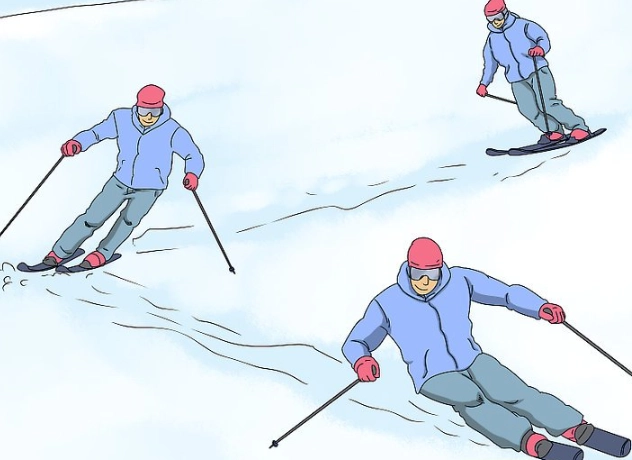
This is the big leap. The goal is to have your skis parallel (side-by-side) throughout the entire turn, not just at the end. This is where you truly start to learn how to properly turn when skiing with efficiency and style. It's faster, uses less energy, and looks a million times cooler.
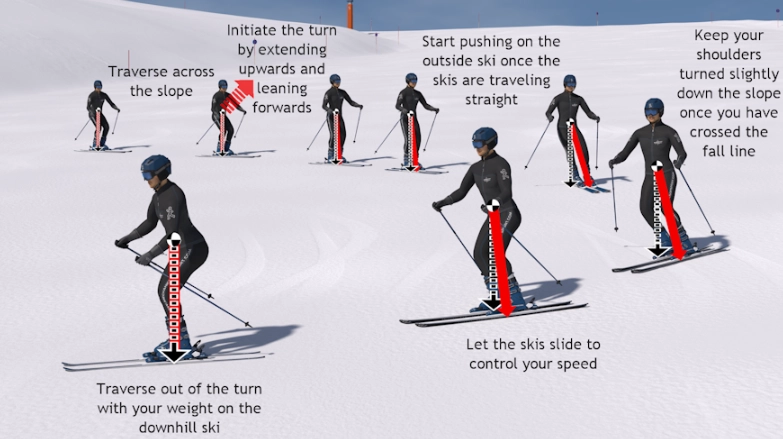
The secret sauce here is unweighting and edging. At the end of one turn, you quickly but smoothly lift your edges out of the snow (unweight) to release the old turn, then immediately roll your knees and ankles into the new direction to set the edges for the next turn. It's a rhythm: down the hill, set the edge, ride the arc, release, and repeat. Your upper body should stay relatively quiet and facing downhill—imagine a dinner tray you're carrying that you don't want to spill. The turning happens from the feet up, not the shoulders down.
Honestly, this transition from wedge to parallel is where most people get frustrated. Your brain knows what to do, but your legs refuse to cooperate. It feels unnatural to commit to having both skis pointing the same way while you're moving. The only way through is practice on a mellow, forgiving slope.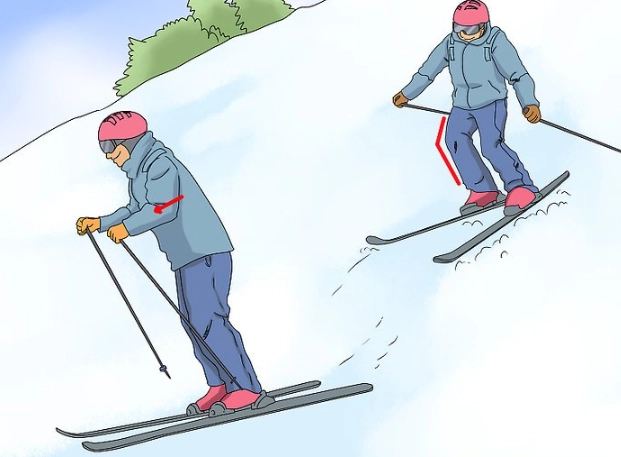
The Carved Turn: The Pinnacle of Control and Grace
If a parallel turn can have some skidding (like a controlled slide), a pure carved turn is like riding on a railroad track. Your skis bend, their sidecut (that hourglass shape) engages, and they literally carve a clean, thin line in the snow. There's no scraping or sliding sound, just a quiet shhhh as you arc across the hill. This is the most efficient way to turn because you're using the ski's design to its fullest, converting your speed into a smooth, G-force-inducing arc.
To carve, you need more speed, more edge angle, and more commitment. You really have to lean into the turn, allowing your body to angulate—meaning your knees, hips, and shoulders tilt into the hill while your head and outside shoulder remain over your outside ski. It's a powerful, athletic stance. You're not just turning; you're driving the ski. When you get it right, it's the best feeling in skiing. You feel connected to the snow, totally in control, and it looks effortless (even though it's not).
Side-by-Side: What's the Real Difference?
This table might help clear up when and why you'd use each technique. It's not that one is "better" than the other universally; it's about using the right tool for the job.
| Turn Type | Best For | Skis Are... | Key Feeling | Speed Range |
|---|---|---|---|---|
| Snowplow (Wedge) | Absolute beginners, very steep or icy spots for intermediates, slow-speed control. | In a wide "V" shape, tails apart. | Pushing one foot forward/out to steer. Safe and slow. | Very Slow to Slow |
| Parallel (Skidded) | Intermediates to advanced, most on-piste conditions, controlling speed on steeper terrain. | Parallel, but sliding sideways a bit to scrub speed. | A rhythmic "step" from edge to edge. Dynamic and controlled. | Slow to Fast |
| Carved | Advanced skiers, groomed runs, maximizing performance and grip. | Parallel, bending and tracking perfectly on their edges. | Leaning in and letting the ski pull you around an arc. Powerful and smooth. | Medium to Very Fast |
Why Your Turns Feel Wrong: The Top 5 Mistakes (And How to Fix Them)
We've all been there. You think you're doing everything right, but you still feel off-balance, out of control, or just plain awkward. Chances are, you're committing one of these classic errors.
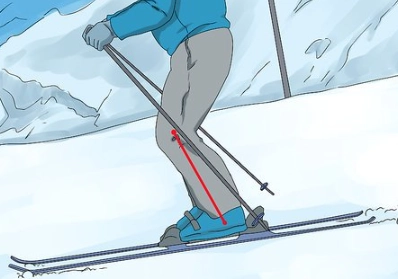
- The Backseat Driver: Leaning back. This is public enemy number one. It disengages your shovels (the front of your skis), makes steering impossible, and turns your legs into useless noodles. Fix: Consciously feel your shins pressing against the front of your ski boots. Always. On every turn.
- The Upper Body Twister: Rotating your shoulders and arms to initiate the turn. This winds you up and leads to a jerky, unbalanced motion. Fix: Keep your hands up and in front, like you're holding a steering wheel. Initiate the turn by rolling your lower leg and knee inward.
- The Stem Christie (The Stuck-in-Between): Starting every turn with a tiny wedge before bringing the skis parallel. It's a hard habit to break after learning the snowplow. Fix: Practice on a very gentle slope where you feel no fear. Focus on keeping the skis perfectly parallel the entire time, even if it means making wider, slower turns.
- The Static Stance: Staying in one, stiff position. Skiing is a dance, not a statue. Fix: Actively move your body up and down with the terrain. Extend your legs to start a turn, flex them through the middle, and extend again to finish. This up-and-down motion is the "absorption" that makes turns fluid.
- Looking Down: Staring at your ski tips. Your body goes where your eyes go. If you look down, you'll go down. Fix: Pick a spot two or three turns ahead on the slope and keep your eyes locked on it. Your peripheral vision will handle the immediate terrain.
Drills That Actually Work (No Gimmicks)
Reading is one thing. Doing is another. Here are a few drills I've used myself and with friends that deliver real results. Don't just do them once; make them part of your warm-up on an easy blue run.
Drill 1: The J-Turn to a Stop
Perfect for feeling edge engagement. On a gentle slope, point your skis straight down the fall line to pick up a little speed. Then, gently but firmly roll both knees to the left, engaging your left edges. Don't try to turn sharply; just let the skis make a big, sweeping "J" shape in the snow until you come to a complete stop. Repeat to the right. This isolates the feeling of setting an edge and letting it do the work.
Drill 2: The Railroad Tracks
This is for parallel turn rhythm. Make a turn, and as you finish, try to hold your skis perfectly parallel and ride straight across the hill for a count of two. Make two clean, parallel tracks in the snow. Then initiate the next turn. This forces you to finish one turn completely before starting the next, killing that rushed, stemmy habit.
Drill 3: Hands on Knees
To stop upper body rotation, ski with your hands firmly planted on your knees. You can't swing your arms around if they're stuck to your legs. This drill forces you to initiate turns with your lower body. It feels silly, but it works wonders.
Your Terrain & Condition Cheat Sheet
How to properly turn when skiing isn't a one-size-fits-all formula. Ice, powder, crud, and steep bumps all demand adjustments.
- Ice/Hardpack: This is all about precise, confident edge engagement. Make smoother, rounder turns. Avoid any sudden, jerky movements. Pressure your edges progressively and evenly. If you're tentative, you'll slip.
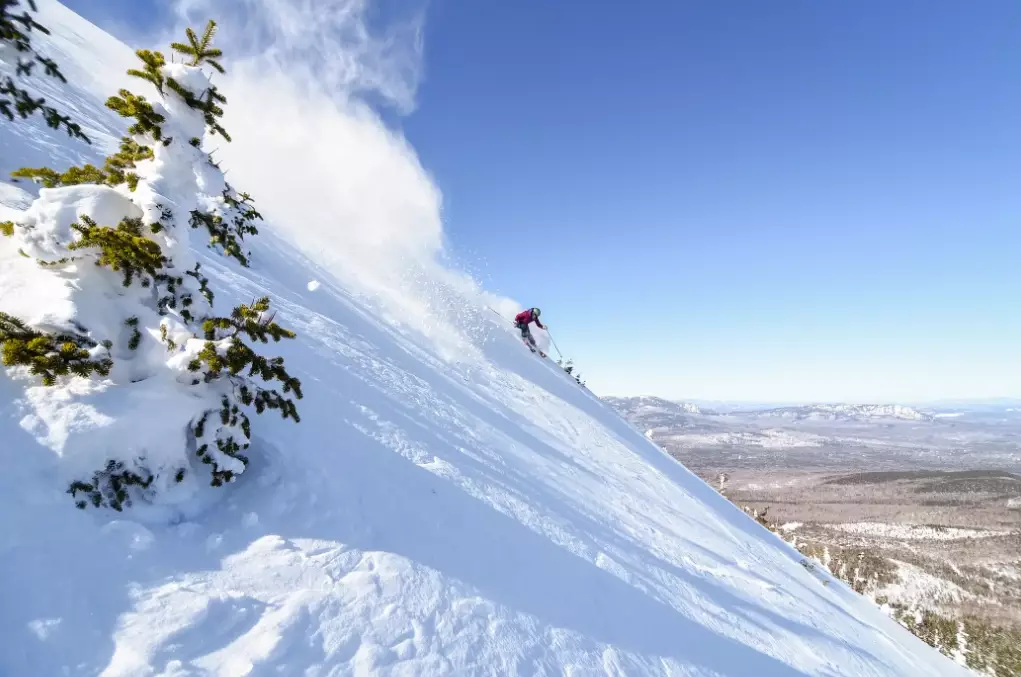
- Powder: Forget about leaning back! (That's an old myth). You need to stay centered or even slightly forward to keep the ski tips up. Make wider, more sweeping turns. Let the skis plane on top of the snow. It's less about sharp edges and more about a surfy, banking motion. The Professional Ski Instructors of America (PSIA) has great resources on modern powder technique that debunk the "sit back" advice.
- Moguls (Bumps): The key is absorption and quick edge changes. You don't have space for big, carved turns. Use a quick, skidded parallel turn to pivot around the bump, flexing your legs deeply to absorb the shape of the mogul. Look two or three bumps ahead, not at your feet.
- Steep Terrain: The mental game is huge here. Commit to your turn. The worst thing you can do is hesitate halfway through. Make a decisive, strong edge set at the top of the turn and ride it across the hill to control your speed. Trust your edges.
Answers to the Questions You're Actually Searching For
Gear That Actually Helps (And What Doesn't Matter)
Good technique trumps fancy gear every time. But the right gear can make learning easier.
- Ski Boots: This is the most important piece. They must fit snugly with no heel lift. If your foot is swimming in the boot, you'll never have precise control over your edges. A proper boot fitting is worth every penny.
- Skis: As a beginner/intermediate, a softer, more forgiving ski with pronounced sidecut will make learning to turn much easier. They'll want to turn for you. Don't get talked into stiff, racing skis.
- Bindings: Just make sure they're set to the correct DIN (release tension) for your weight and ability by a certified shop. This is a safety must.
- Poles: For learning turns, they're almost irrelevant. Don't focus on pole plants until you have your basic parallel turn down. They're for timing and rhythm, not for pulling you around.
For authoritative information on ski equipment standards and safety, organizations like the International Ski Federation (FIS) provide guidelines that influence much of the industry.
Final Thought: It's a Journey, Not a Destination
Learning how to properly turn when skiing is a lifelong pursuit. Even Olympic skiers are tweaking their technique. The goal isn't perfection. The goal is incremental improvement—feeling more in control this run than you did last run, linking three turns smoothly where before you could only do one.
My advice? Take a lesson, even just a half-day. A good instructor can spot your core issue in five minutes and give you a drill to fix it, saving you a season of frustration. Then, practice deliberately. Don't just mindlessly ski run after run. Pick one thing to focus on each day: "Today, I'm keeping my hands forward." "Today, I'm feeling my shins against my boots."
Because when it clicks, when you stop thinking about the mechanics and just feel the rhythm of edge to edge, flowing down the mountain... that's the moment you're hooked for life. Now go get some turns in.
Related Articles

Comments
Join the discussion