Your Skiing Journey at a Glance
- The Big Four: Core Skiing Disciplines Everyone Should Know
- Beyond the Basics: Niche and Emerging Skiing Styles
- How to Choose Your Skiing Type: A Practical Decision Matrix
- Common Questions About Different Types of Skiing
- Getting Started: Your First Steps for Any Type
- So, What Are All The Different Types of Skiing? A Final Word.
So you're standing at the base of a mountain, looking up at the snow-covered slopes, and a question pops into your head: what are all the different types of skiing, anyway? It's not just about pointing your skis downhill anymore. The world of skiing has exploded into a dozen different sports, each with its own gear, terrain, and tribe. I remember my first time seeing a telemark skier gracefully drop a knee in deep powder—I had no idea what I was watching, but I knew it was something completely different from what I was doing on my rental skis.
That moment got me curious. Really curious. And after years of trying (and sometimes failing at) various styles, I've put together this guide to answer that exact question. Whether you're a complete newbie trying to figure out where to start, or an experienced skier looking to branch out, understanding the landscape is key. Let's break it down, from the groomed corduroy to the wild backcountry.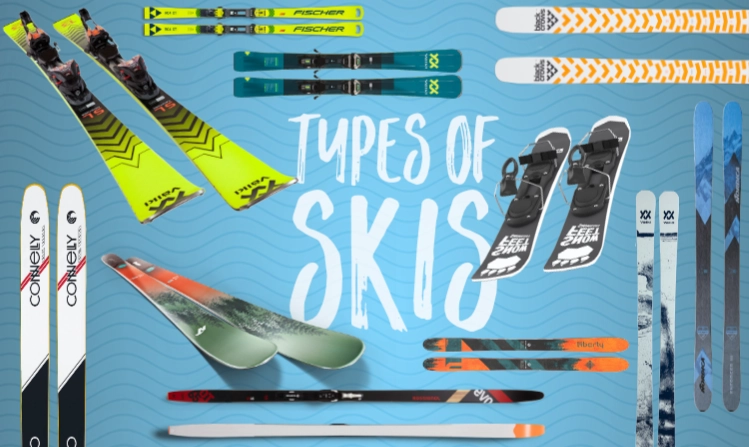
The Core Idea: Fundamentally, all skiing involves sliding on snow with long, narrow planks attached to your feet. But the how, where, and why create massive differences. The equipment changes, the techniques diverge, and the entire mindset shifts. Getting this right saves you money, time, and a lot of frustration.
The Big Four: Core Skiing Disciplines Everyone Should Know
When most people picture skiing, they're thinking of one of these. They're the pillars of the sport.
Alpine Skiing (Downhill Skiing)
This is the king. The resort classic. You ride a lift up, you ski down. Your boot is locked firmly to the ski at both toe and heel. It's about speed, carving turns on prepared slopes (they call it "groomed" or "piste" skiing), and accessing the whole mountain via a network of lifts. Within alpine skiing, you've got sub-genres too.
- Carving/Piste Skiing: This is what ski schools teach. Making clean, linked turns on smooth snow. It's incredibly fun when you get it right—the ski does the work, you just guide it. The sound of a perfect carve is pure satisfaction.
- All-Mountain Skiing: The most popular category for good reason. You want one pair of skis that can handle a bit of everything—groomers, some chopped-up snow, maybe a venture into some easier ungroomed terrain. Versatility is the name of the game.
- Freeride/Big Mountain Skiing: This is where you leave the groomers behind. We're talking steep chutes, deep powder, cliffs, and natural terrain features. It's high-consequence, high-reward skiing that demands respect for the mountain. The gear gets wider and more specialized.
I made the mistake of taking my beginner all-mountain skis into what locals called a "freeride zone" once. Let's just say the skis were not happy, and I spent more time digging myself out than actually skiing. Lesson learned.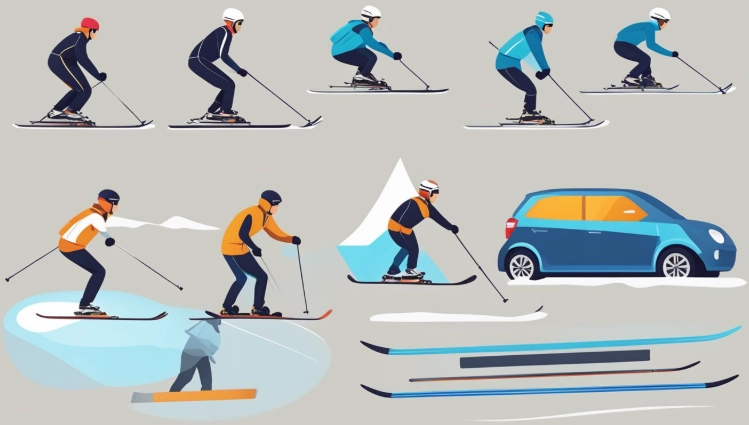
Honestly, if you're asking "what are all the different types of skiing" because you're new, start here with Alpine. Take a lesson. The learning curve is steep at first (pun intended), but it opens up the whole world.
Nordic Skiing (Cross-Country Skiing)
This is the other ancient pillar of skiing, and it's a world apart. Your heel is free, connected only at the toe. It's about propulsion across flat or rolling terrain. It's a phenomenal workout—often called the best cardiovascular exercise in the world—and it connects you with winter landscapes in a quiet, peaceful way. The International Ski Federation (FIS) governs the competitive side, which shows you how serious and technical it can get.
Nordic breaks down into two main techniques:
- Classic Technique: Think of it like walking or running on skis. You kick and glide in parallel tracks. It's intuitive and the most common way for beginners and recreational skiers to enjoy groomed trails.
- Skate Skiing: This looks more like ice skating. You push your skis out at an angle to propel yourself. It's faster, more athletic, and has a steeper learning curve. The first time I tried it, I looked like a newborn deer on an ice rink. It's brutally hard until something clicks.
Freestyle Skiing
This is the acrobatic, creative branch of skiing. It exploded in popularity with the rise of terrain parks. If Alpine skiing is about the line you take down the mountain, freestyle is about the tricks you do along the way.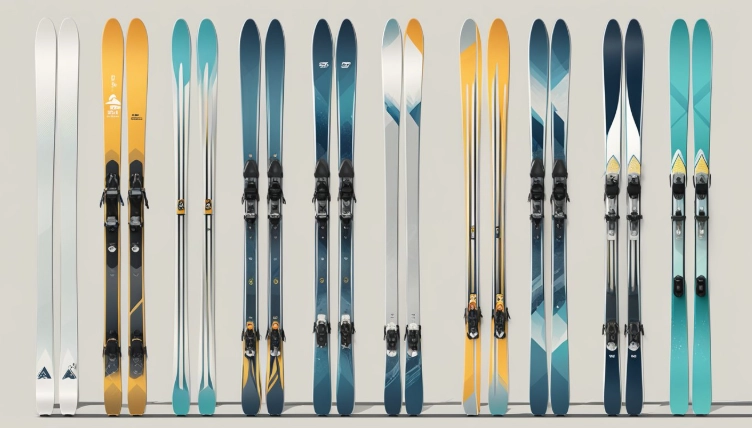
- Park & Pipe: This includes jumps, rails, boxes, halfpipes, and slopestyle courses. It's where you see the spectacular spins and flips. The culture is young, vibrant, and revolves around progression and style.
- Mogul Skiing: A specific, brutally demanding discipline. Racing down a steep slope of large, carved-out bumps (moguls) while performing two aerial jumps. It's a leg-burner like no other. The precision required is insane.
- Big Air & Slopestyle: The Olympic events that showcase the pinnacle of aerial awareness and technical trickery.
Freestyle gear is distinct—twin-tip skis (curved up at both ends for landing backwards), softer flex, and often center-mounted bindings.
Backcountry Skiing (Ski Touring)
This is the purest, and arguably most dangerous, form of the sport. No lifts. You use special bindings that free your heel for the uphill climb (with "skins" on the bottom of your skis for grip), then lock down for the descent. You earn your turns. The reward? Untracked powder, complete solitude, and terrain most people never see.
Critical Warning: Backcountry skiing requires serious education in avalanche safety, terrain assessment, and self-rescue. Never go without proper training, a trusted partner, and the essential gear: beacon, probe, and shovel. Relying on information from your local avalanche forecast center is non-negotiable.
The mindset here is mountaineering, not just skiing. It's about planning, patience, and humility in the face of nature. A bad day in the backcountry is a very, very bad day.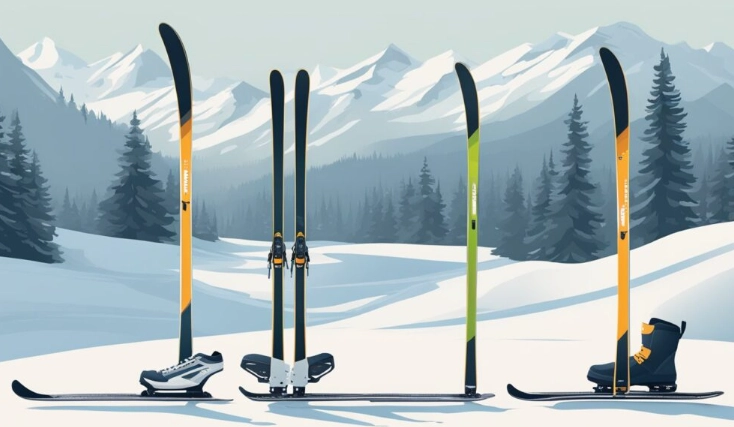
Beyond the Basics: Niche and Emerging Skiing Styles
Once you get past the big four, you find these incredible subcultures. This is where answering "what are all the different types of skiing" gets really fun.
Telemark Skiing
Ah, the free-heel turn. Often called "tele" or referred to with a reverent "telemark turn." It's a hybrid. You use Nordic-style free-heel bindings, but you ski Alpine-style terrain—downhill, powder, bumps, everything. The signature move is the lunging turn, dropping the back knee. It's fluid, graceful, and notoriously difficult to master. The learning curve is a cliff. But its devotees are cult-like in their passion. It offers a unique connection to the ski and the snow that many find addictive.
Adaptive Skiing
This isn't one style, but a whole category that adapts all the other styles for skiers with physical or cognitive disabilities. It's one of the most inspiring parts of the skiing world. Using specialized equipment like mono-skis, bi-skis, outriggers (forearm crutches with mini-skis), and guided support, adaptive programs make the mountains accessible to everyone. Organizations like Disabled Sports USA run fantastic programs nationwide.
Grass Skiing / Dry Slope Skiing
No snow? No problem. Well, sort of. This uses short skis with rolling treads or specially designed plastic matting on slopes. It's a way to train technique year-round, though the sensation is... different. It's popular in places without consistent snow. Let's be real, it's not as fun as real snow, but it keeps the muscles memory alive.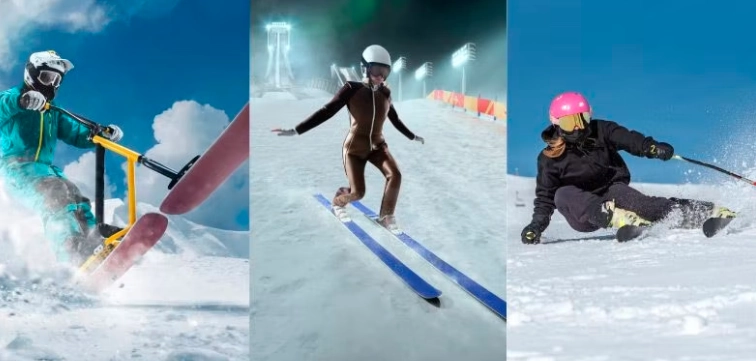
Cross-Country Downhill (XC Downhill) / Telemark's Cousin
Imagine taking your lightweight cross-country skis and pointing them down a blue run. It's a wild, squirrelly, and surprisingly fun experience that requires quick reflexes and a good sense of humor. Not for the faint of heart.
Ski Mountaineering (SkiMo)
Take backcountry skiing and add racing, high-altitude objectives, and even more minimal, ultra-light gear. It's an endurance sport that combines the fitness of Nordic skiing with the technical demands of Alpine and backcountry. Competitions involve skinning up steep slopes, sometimes carrying your skis, and racing down.
How to Choose Your Skiing Type: A Practical Decision Matrix
Okay, so you know the list. But which one is for you? Let's get practical. It comes down to your answers to a few key questions.
| Your Priority | Best Skiing Type to Try First | Why It Fits | Gear & Cost Consideration |
|---|---|---|---|
| Ease & Social Fun You want a resort vacation with friends/family. |
Alpine Skiing (All-Mountain) | Everything is provided (lifts, lessons, rentals). The social scene is built-in. You can progress from easy to hard slopes at your own pace. | Rentals are ubiquitous and affordable for beginners. Boot rental fit is crucial—don't suffer in pain! |
| Fitness & Nature You want a workout and quiet trails. |
Nordic Skiing (Classic) | Low impact, high cardio. Explore forests, parks, and golf courses. Very low barrier to entry on gentle terrain. | Gear is generally cheaper than Alpine. Trail passes are inexpensive. You can often use your own winter hiking boots with certain binding systems. |
| Adrenaline & Tricks You're drawn to jumps, rails, and creativity. |
Freestyle Skiing (Park) | The park is a dedicated, progressive learning environment. Start small on beginner features. The community is very supportive of progression. | You'll want specific twin-tip skis. A good helmet is non-negotiable. Consider impact shorts when starting—your tailbone will thank you. |
| Adventure & Solitude You hate crowds and love earning your experience. |
Backcountry Skiing (WITH A GUIDE or Course First) | The ultimate freedom and connection to the mountains. Untracked snow is a magical experience. It's a full-day, immersive pursuit. | High startup cost (skins, touring bindings, avalanche safety gear). Education cost is mandatory, not optional. A guided day is the perfect first step. |
| Technical Challenge & Tradition You love mastering unique skills with deep roots. |
Telemark Skiing | It's a beautiful, flowing turn that feels amazing when you nail it. The community is tight-knit and passionate. It works everywhere. | Requires specific telemark boots and bindings. The gear market is smaller. Finding a dedicated instructor is hugely beneficial. |
My personal journey started with Alpine, dabbled in Nordic for fitness, got hooked on backcountry for the adventure, and now I appreciate them all for different reasons. There's no right answer, only what's right for you today. It can change!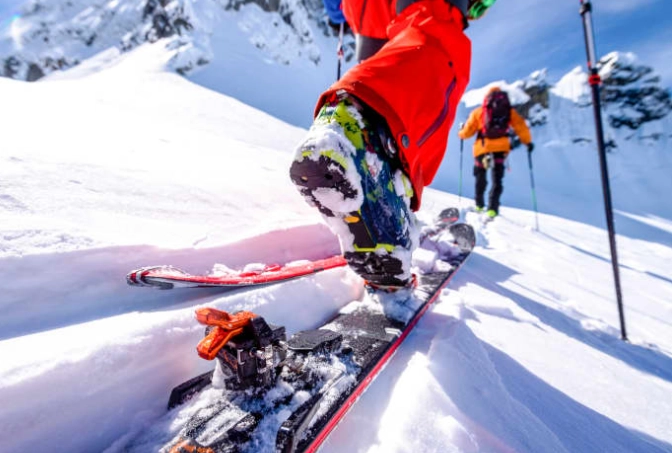
Common Questions About Different Types of Skiing
Did You Know? The Professional Ski Instructors of America & American Association of Snowboard Instructors (PSIA-AASI) provides separate certification pathways for Alpine, Nordic, Telemark, and Adaptive skiing instruction. That's how distinct the teaching methodologies are for each discipline.
Getting Started: Your First Steps for Any Type
The universal rule: start with a lesson.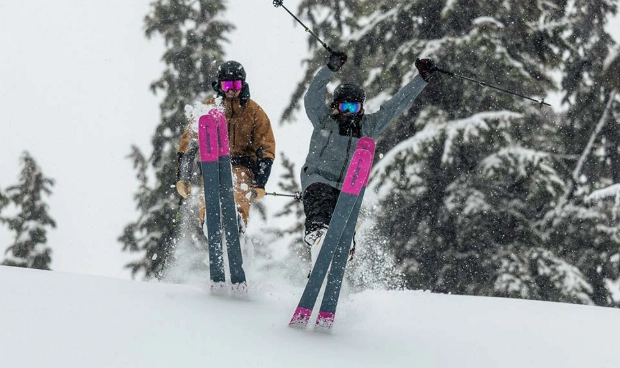
I don't care if you're an elite athlete. The nuances of balance, equipment, and safety are best learned from a certified pro. For Alpine, Nordic, or Telemark, a single group lesson will accelerate your progress more than three days of struggling on your own. For Freestyle, start with a park-specific lesson to learn park etiquette and how to hit features safely. For Backcountry, your first "lesson" is a full Avalanche Safety Course (like AIARE 1 in the US). There is no shortcut here.
Rent gear before you buy. Try a few different types if you can. Many resorts offer "discovery" packages for Nordic or Telemark. See what clicks with your body and your psyche.
The biggest mistake I see? People buying the most expensive, high-performance Alpine skis as their first pair because they look cool. They're often the hardest to learn on. Start with forgiving, beginner-friendly gear. You'll progress faster and have more fun.
So, What Are All The Different Types of Skiing? A Final Word.
It's a rich, diverse family of sports united by snow and sliding. From the high-speed carve of an Alpine GS ski to the silent glide of a Nordic track, from the creative expression of a park jump to the profound commitment of a backcountry descent—they're all skiing. They just speak different dialects of the same beautiful language.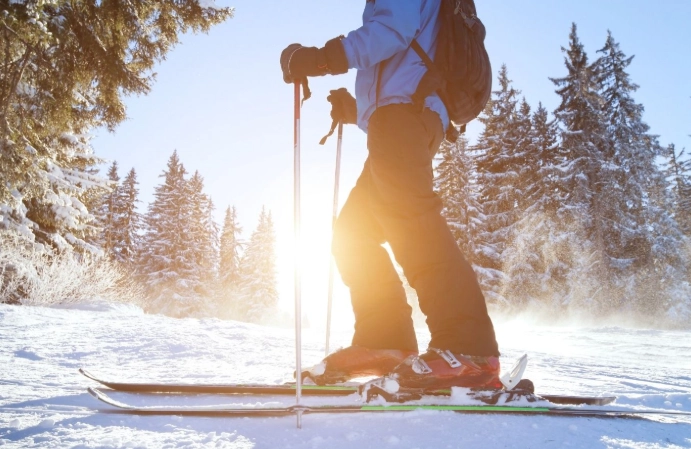
The best way to answer "what are all the different types of skiing" for yourself is not just to read about them, but to go experience them. Start with one that matches your current goals. Get a lesson. Rent the gear. See how it feels. Your mountain journey doesn't have to be confined to one path. Many of us are hybrids, choosing our tool for the day based on the snow, the company, and our mood.
The mountain is your playground. Now you know the full menu of games you can play on it. Go get some turns, whatever kind they may be.
Related Articles
Comments
Join the discussion