Quick Guide
- Before You Even Click Into Your Skis: The Mindset
- The Non-Negotiable Foundation: Your Stance and Balance
- The Core Techniques, Broken Down Step-by-Step
- Your Gear: A Simple Guide to What Actually Matters
- Leveling Up: From Surviving to Actually Enjoying It
- Answers to the Questions You're Probably Too Embarrassed to Ask
- Wrapping It Up: Your First-Day-on-Snow Action Plan
Let's cut to the chase. Your first time on skis is equal parts exhilarating and terrifying. You see people gliding down the mountain like it's nothing, and then you look down at your own feet, which suddenly feel like two clumsy planks of wood. I remember that feeling well. My first run ended with me sitting down more than standing up, wondering why I'd spent good money on this. But here's the thing – it doesn't have to be that way. With the right approach, you can skip a lot of the painful learning curve. That's what this guide is about. We're not just talking about 'how to not fall.' We're talking about expert skiing techniques for beginners – the foundational moves that good skiers use every single run, explained in a way that actually makes sense when you're standing on a slope.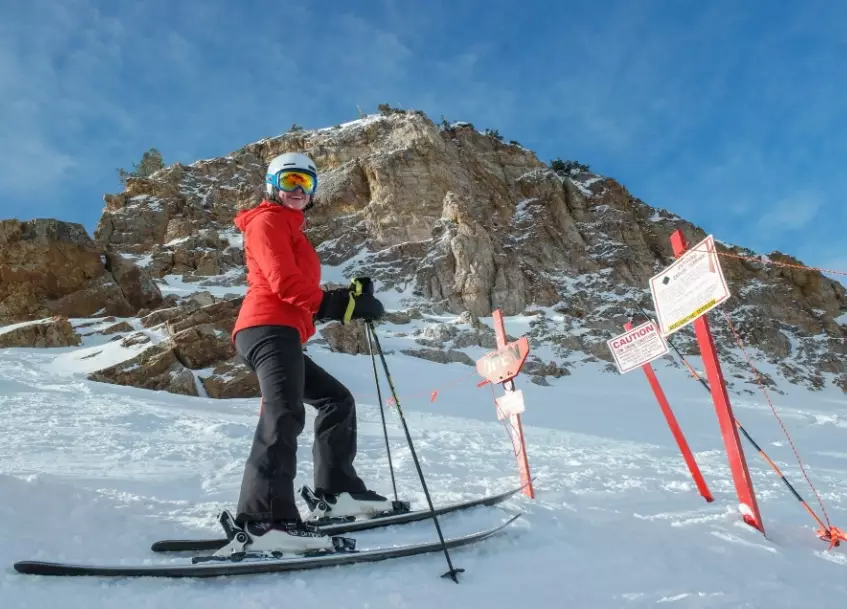
The biggest mistake beginners make is thinking skiing is about strength or bravery. It's not. It's a skill, a technique. It's about balance, pressure, and subtle movements. Once you get that, everything changes. This guide will walk you through exactly that process, from the mental game to the physical moves that make you feel in control.
Before You Even Click Into Your Skis: The Mindset
Everyone obsesses over gear and technique (and we'll get to that), but your head is the most important piece of equipment you have. If you're tense and scared, your body locks up. Stiff skiers are falling skiers. It's that simple.
So, what's the right mindset? It's not 'be fearless.' That's nonsense. It's about being focused on the process, not the outcome. Don't stare at the bottom of the hill. Look just a few feet ahead of your skis. Your goal isn't to get down; your goal is to make the next turn correctly. Break the slope into tiny, manageable pieces.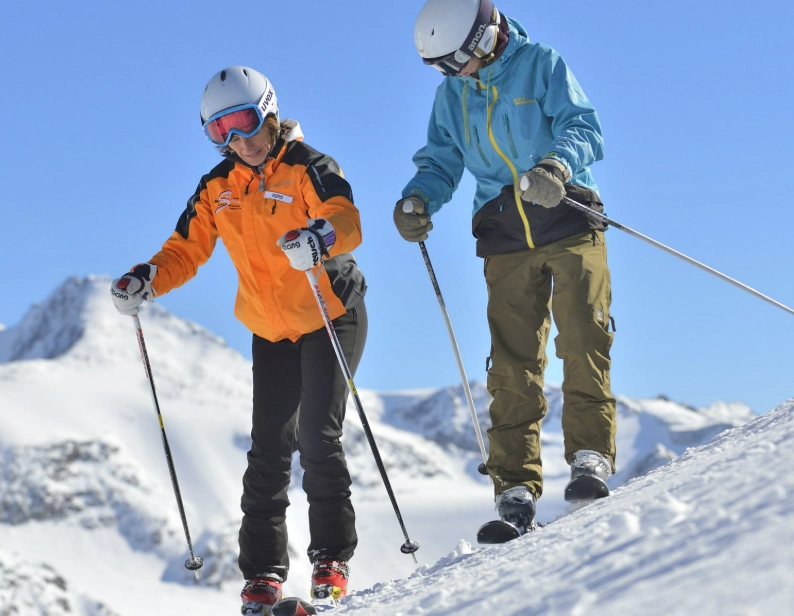
Another key mental shift? Embrace the fall. You will fall. It's part of learning. The snow is (usually) soft. The trick is learning how to fall safely – to the side, not forward onto your poles or backward onto your head. Tuck your limbs in like a turtle. It takes the panic away when you know it's not a disaster.
The Non-Negotiable Foundation: Your Stance and Balance
If your stance is wrong, nothing else works. Period. I see so many beginners in the 'backseat' – leaning back as if trying to sit in an invisible chair. It feels safe because you're pulling away from the slope, but it makes your skis uncontrollable.
Practice this on flat ground first. Feel the pressure on the balls of your feet and your shins against the boot tongue. This connection is how you steer the ski. A good drill is to gently bounce up and down in this stance, feeling the flex in your ankles and knees.
Why Edge Control is Your Secret Weapon
Skis aren't just slippery boards. The metal edges on the sides are what let you carve, slow down, and steer. Expert skiing techniques for beginners always come back to using your edges effectively. Think of it like riding a bike. You don't turn the handlebars sharply; you lean. Skiing is similar. To turn left, you roll your ankles and knees slightly to the right, putting the ski's left edge into the snow. This is the core of all skiing.
It feels counterintuitive at first. You want to lean into the turn, but for initial edge engagement, you need to tip the ski onto its edge by rolling that lower body inward. Your upper body should stay relatively quiet and facing downhill. This separation is crucial.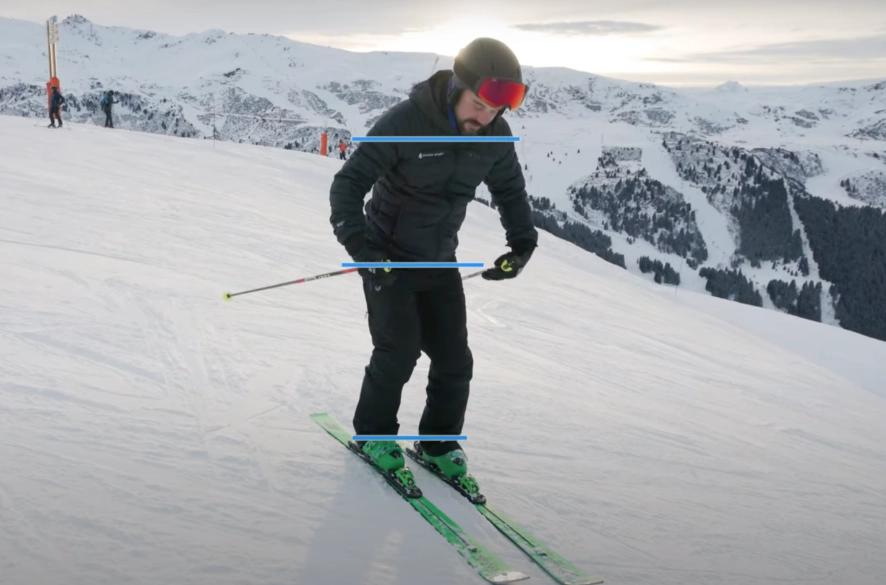
The Core Techniques, Broken Down Step-by-Step
Alright, let's get into the meat of it. These are the movements you'll use every time you ski.
Mastering the Wedge (The Pizza Slice)
Love it or hate it, the wedge (or snowplow) is your best friend for your first few days. It's your brake and your steering wheel. The goal isn't to make a perfect triangle, but to bring the tips of your skis closer together than the tails.
How to do it: From your ready stance, gently push your heels out to the sides, keeping your ski tips about a fist's width apart. Don't let them cross! You should feel the inside edges of both skis biting into the snow. The more you push your heels out, the more you slow down. To turn in a wedge, simply apply more pressure to the foot in the direction you want to go. More pressure on the right foot turns you left. It's that simple.
The Holy Grail: Linking Your Turns
This is the moment it starts to feel like real skiing. You're not just going straight and stopping. You're flowing from one turn to the next. The fundamental expert skiing technique for beginners here is the wedge turn to parallel progression.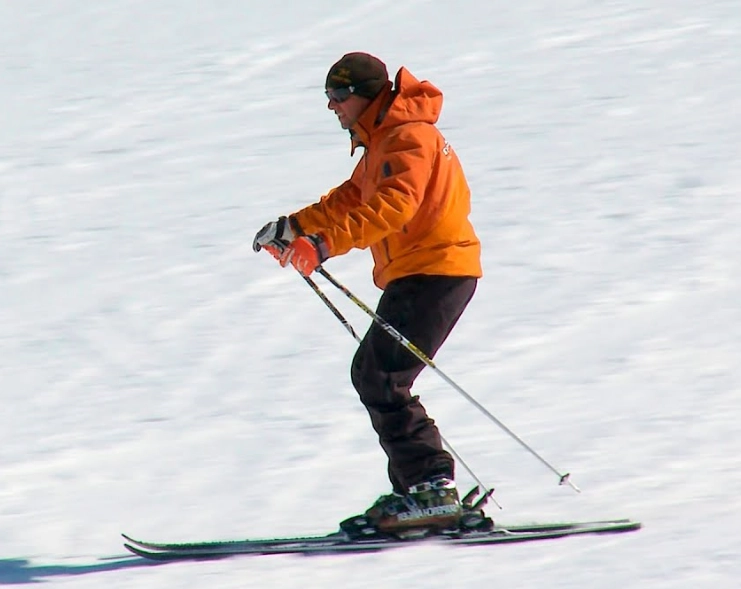
- Start in a gentle wedge across a mild slope.
- To initiate a turn (let's say left), increase the pressure on your right ski. Really stand on it.
- As you start to turn, allow your left (uphill) ski to slowly come parallel to your right ski. Don't force it; let it happen naturally as you complete the turn.
- At the end of the turn, you should be facing downhill, skis parallel or nearly so.
- To start the next turn (to the right), gently roll your ankles and knees to the left to set the edges, then transfer pressure to the left ski.
The rhythm is key: pressure, turn, parallel. Pressure, turn, parallel. It's a slow, patient shift, not a jerky motion.
Stopping with Authority (Beyond the Wedge)
The wedge stop is fine, but it's slow and burns your legs out. The faster, more confident stop is the hockey stop. It uses your edges aggressively.
How to practice: On a flat, gentle area, shuffle sideways. Then, quickly and simultaneously, roll your ankles and knees uphill and lean your upper body slightly downhill. Your skis will dig their edges in and stop you sideways. It's a powerful, quick stop that makes you feel in total control. It's noisy and sprays snow – that's how you know you did it right.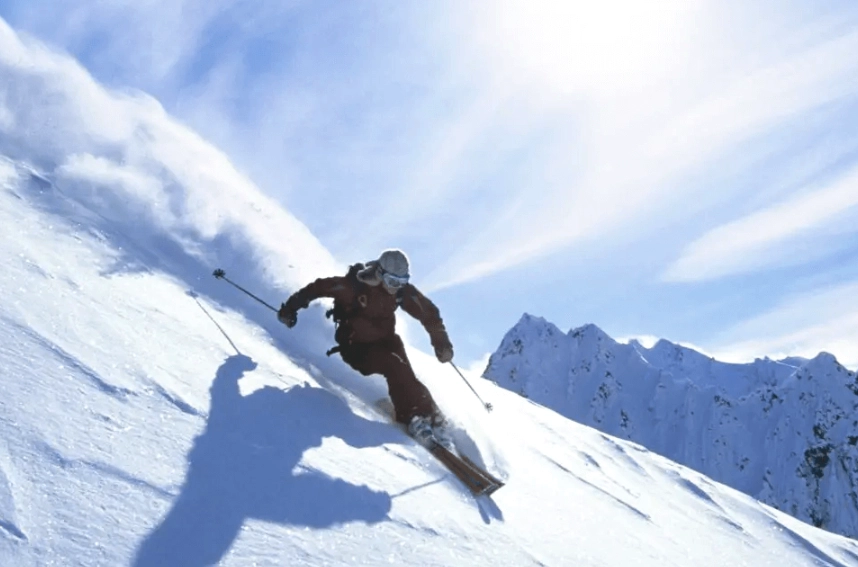
Your Gear: A Simple Guide to What Actually Matters
You don't need the latest $1,200 skis. But bad gear can make learning miserable. Here’s a no-fluff breakdown.
| Gear Item | What Beginners Should Look For | Why It Matters |
|---|---|---|
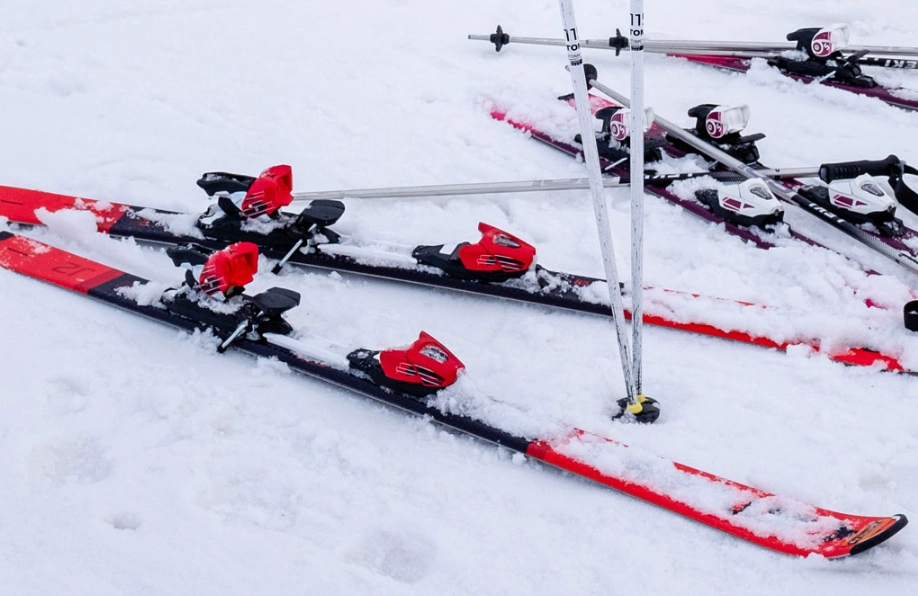
| Skis | Shorter, softer-flexing skis. Look for "all-mountain" or specifically "beginner" models. Rent first! | Shorter skis are easier to turn. Softer skis are more forgiving when you make mistakes. The folks at a good rental shop (like these industry experts) can set you up perfectly. |
| Boots | COMFORT is king. They should be snug but not painfully tight. You should be able to wiggle your toes. | Boots are your control center. If your feet are screaming, you can't focus on technique. This is the one item worth spending time to get right. |
| Poles | Hold them upside down; your elbow should be at a 90-degree angle. Don't death-grip them. | Poles are for rhythm and timing, not for stopping or pushing yourself along. They're an accessory, not a crutch. |
| Helmet | Non-negotiable. Get one that fits snugly. Goggles that fit with it. | Safety first, always. It also keeps you warm. Organizations like the National Ski Areas Association (NSAA) have great safety resources. |
My personal take? Spend your money on good boots and a helmet. Rent the skis and poles until you know what you like. And for goodness' sake, wear sunscreen. The mountain sun is no joke.
Leveling Up: From Surviving to Actually Enjoying It
Once you can link turns on a green circle (beginner) slope without panic, it's time to refine. This is where the real fun begins.
Start looking further ahead. Your turns should be where you look. If you want to go around that little mound of snow, look at the path *around* it, not at the mound itself. Your body will follow your eyes.
Also, play with the shape of your turn. Make some long, lazy 'C' shapes across the whole width of the run. Then try quicker, shorter turns. This variation builds skill faster than just doing the same thing over and over.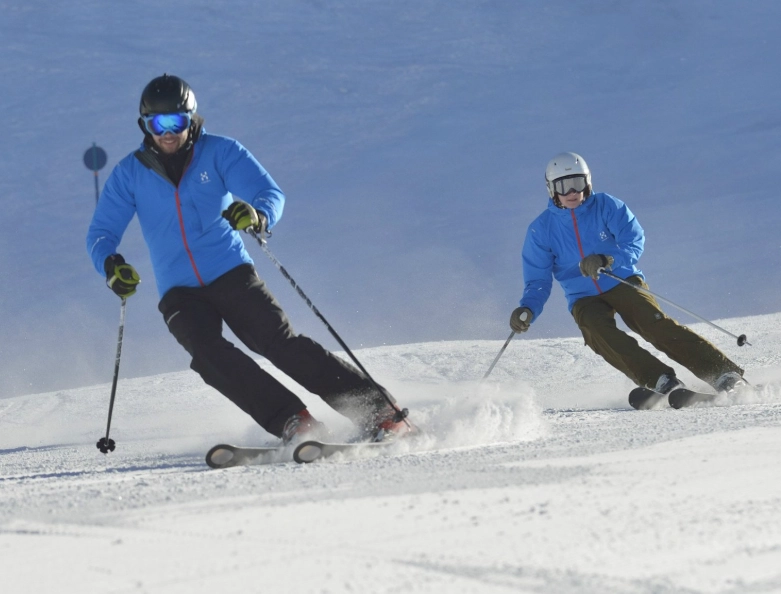
Answers to the Questions You're Probably Too Embarrassed to Ask
Wrapping It Up: Your First-Day-on-Snow Action Plan
Feeling overwhelmed? Don't be. Here's a simple checklist for Day 1:
- Get Fitted: Rent boots that are snug, skis that are short. Get a helmet.
- Find the Magic Carpet/Bunny Slope: Start on the absolute easiest terrain.
- Practice the Feel: Slide around on flat ground. Practice your ready stance. Feel your edges by tilting your feet.
- Master the Wedge: Go up the magic carpet, point your skis slightly downhill, and make a wedge to slow down and stop. Do this ten times until it's muscle memory.
- Make a Wedge Turn: Once you can stop, try turning by pressing on one foot. Make a big 'C' shape across the slope.
- Link Two Turns: Turn to the left, come across the hill, then turn to the right. That's it. You're skiing.
- Celebrate: Seriously. You just learned a complex physical skill. Have that hot chocolate.
The path from wobbly beginner to confident skier is just a series of these small, expert-approved techniques stacked together. It's not magic. It's practice, good information, and a willingness to look a bit silly while you learn. The mountain isn't going anywhere. Take your time, focus on the fundamentals we've covered here, and most importantly, remember to look up and enjoy the view every now and then. That's the whole point, after all.
Stick with these expert skiing techniques for beginners, and you'll be surprised how quickly those clumsy planks of wood start to feel like natural extensions of your feet. See you out there.
Related Articles


Comments
Join the discussion