Quick Navigation
- The Main Cast of Characters: Your Guide to Every Type of Ski Lift
- Chairlift vs. Gondola vs. Surface Lift: A Quick Comparison
- How to Actually Use a Ski Lift: A Step-by-Step Guide for First-Timers
- Are Ski Lifts Safe? Addressing the Elephant in the Room
- How to Choose the Right Lift for Your Skill Level
- Beyond the Basics: Fun Facts and Common Questions
You're standing at the bottom of a snowy mountain, skis or board strapped on, ready to go. But between you and that perfect run is this... thing. A line of chairs or bubbles slowly crawling up the hill. You turn to your friend and ask the question every new skier and snowboarder has asked since the dawn of time: "What is the ski lift thing called?"
It seems simple, right? But the answer is a bit more interesting than you might think. That "thing" is generically called a ski lift, or sometimes a surface lift if it's the type that drags you along the ground. But within that broad category, there's a whole world of different names, designs, and technologies. Knowing what you're getting on isn't just trivia—it can save you from embarrassment, help you plan your day, and honestly, make you feel a lot more confident on the slopes.
I remember my first time. I stared up at this towering metal structure with chairs swinging in the wind, and my brain just said "nope." It looked complicated and slightly terrifying. But once you break it down, it all makes sense.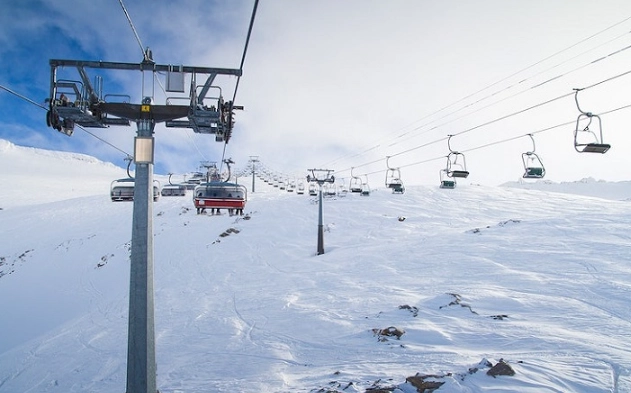
The Main Cast of Characters: Your Guide to Every Type of Ski Lift
Think of ski lifts like cars. You wouldn't just say "vehicle." You'd say sedan, SUV, or truck. Same idea here. Each type has a specific name, purpose, and... personality. Some are your friend, some are a bit tricky, and some are pure luxury.
The Chairlift: The Classic Workhorse
This is probably the image that pops into your head. A series of chairs, usually seating 2, 3, 4, 6, or even 8 people, suspended from a moving cable. You sit down, a safety bar comes down (please, always pull it down!), and you ride up with your skis or snowboard dangling. They're everywhere.
Chairlifts themselves have sub-categories. A fixed-grip chairlift moves at a constant, often slower speed, and you have to be a bit more alert getting on and off. A detachable chairlift is the fancy version. The chair detaches from the cable in the loading and unloading zones, slowing way down so it's super easy to get on and off, then re-attaches and speeds up for the journey. It's a game-changer for beginners and families.
My personal take? I love a good high-speed detachable quad on a cold day. But some of those old, slow two-seaters have a charm all their own—great for long conversations.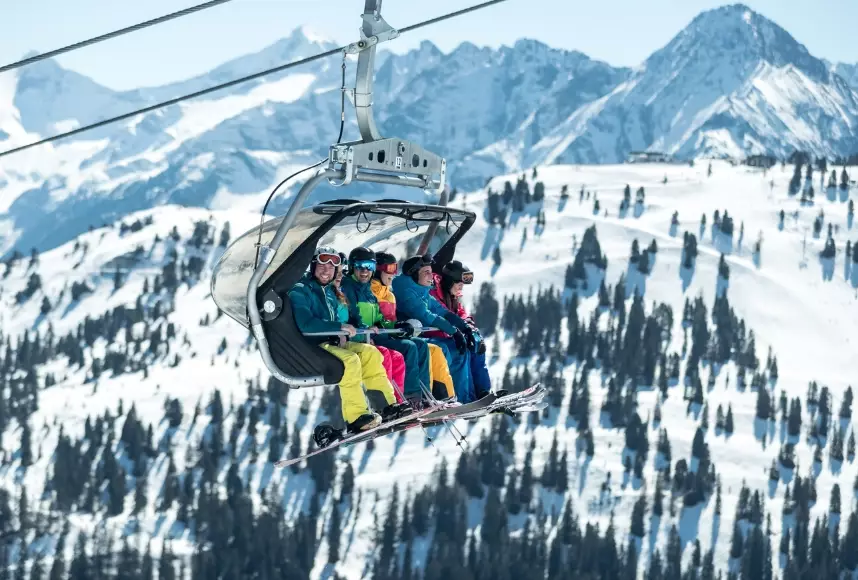
The Gondola (or Cable Car): The Enclosed Luxury Suite
If a chairlift is a convertible, a gondola is a luxury sedan with heated seats. These are enclosed cabins that hang from a cable. They protect you from wind, snow, and cold. You can take your skis off, relax, and enjoy the view. Some are big enough for 8-15 people. In Europe, you might hear the term telecabine or funitel for larger versions.
Gondolas are often used for covering long distances or going from a town base up to the ski area. They're fantastic, but on a perfect bluebird day, I sometimes miss the sun on my face you get from a chair.
The Surface Lifts: The Love-Them-or-Hate-Them Crew
These don't get you off the ground. They drag you along the snow's surface. They're usually found on beginner slopes or connecting flats.
- Magic Carpet: The absolute best invention for beginners. It's literally a moving conveyor belt on the snow. You just stand on it with your skis on and it gently pulls you up a small slope. Zero skill required. Pure genius.
- T-Bar and J-Bar: These are drag lifts. A T-shaped (or J-shaped) bar comes behind you, you place it under your rear, and it tows you up while you stand on your skis/board. They take practice. My first encounter with a T-bar ended with me tangled in the rope like a cartoon character. They're efficient for short, steep pitches but can be a workout.
- Rope Tow: The most basic. A moving rope you grab onto and hold. Great for tiny hills, brutal on your gloves and arms if it's a long one. You don't see these as much anymore, thankfully.
Chairlift vs. Gondola vs. Surface Lift: A Quick Comparison
To make it crystal clear, here’s a breakdown of the key differences. This table should help you instantly know what you're dealing with.
| Lift Type | What Is It? | Best For | The Vibe |
|---|---|---|---|
| Chairlift | Open chairs on a cable. | Most terrain, all ability levels (with practice). | The classic, social, sometimes breezy workhorse. |
| Gondola / Cable Car | Enclosed cabins on a cable. | Long distances, bad weather, base-to-summit travel. | Comfortable, scenic, relaxed. The luxury option. |
| Magic Carpet | Moving conveyor belt on snow. | First-time beginners, very gentle slopes. | Easy, safe, zero stress. The confidence builder. |
| T-Bar / J-Bar | A dragging "T" or "J" shaped bar. | Short, steep sections, expert slopes, some beginner areas in Europe. | Efficient but tricky. Can be a physical challenge. |
| Rope Tow | A simple moving rope to hold. | Very small hills, terrain parks, old-school hills. | Basic, physical, rough on gloves. |
See? Now you can look at a lift and not just wonder "what is that ski lift thing called?" You can say, "Ah, that's a fixed-grip triple chairlift," or "Great, a magic carpet for the beginners."
How to Actually Use a Ski Lift: A Step-by-Step Guide for First-Timers
Knowing the name is half the battle. The other half is not falling over when you try to use it. Let's walk through the most common one: the chairlift.
- The Line (Maze): Get in the correct lane. Look for signs—"Singles," "Doubles," "Groups." If you're alone, the singles line is your fast-pass to making friends and getting on quicker.
- The Loading Zone: This is the colored line or marked area on the snow. Wait here until the chair in front of you has passed the loading point. Then, look behind you and shuffle forward to the next marked spot as a group.
- The Sit: As the chair swings behind you, reach back with one hand to guide it, then sit down firmly. Don't "plop," just sit. Immediately center yourself and get your back against the seat.
- The Safety Bar: Once everyone is settled (and only then!), pull down the safety bar or footrest. Always yell "Bar coming down!" as a courtesy. This is non-negotiable for safety. Use the footrest to take weight off your boots—it's a lifesaver.
- The Ride: Relax! Don't swing the chair. Keep ski tips up and poles in hand. Enjoy the view.
- The Unloading Zone: As you approach the top, the bar goes up. Get ready. Skis should be pointed straight ahead, leaning slightly forward. As your skis touch the snow, stand up and simply ski or slide straight down the gentle ramp. The chair will gently push you forward. Keep going! Don't stop right in the exit path—that's how pile-ups happen.
The biggest mistake? Hesitation. Be deliberate in your movements.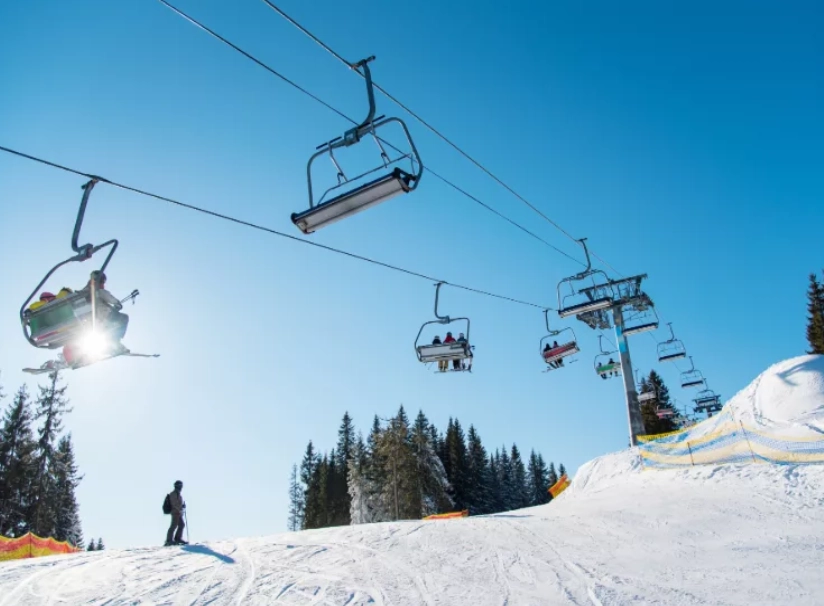
Are Ski Lifts Safe? Addressing the Elephant in the Room
It's a fair question. You're sitting on a metal chair dangling from a cable dozens of feet in the air. But statistically, they are remarkably safe. According to data compiled by industry bodies like the NSAA, the rate of injury related to ski lifts is extremely low when compared to the injury rate from skiing and snowboarding itself.
Modern lifts are engineering marvels with multiple redundant safety systems: backup engines, emergency brakes, and constant monitoring. The real risks come from user error—not using the safety bar, messing around on the chair, or improper loading/unloading. Follow the rules, pay attention, and you're in very good hands.
The design has evolved dramatically since the first simple rope tows. The International Society for Skiing Safety (ISSS) and other groups continue to research and improve standards globally.
How to Choose the Right Lift for Your Skill Level
Not all lifts are created equal for all people. Here’s a quick guide to match the lift to your comfort zone.
- First Day Ever: Your kingdom is the Magic Carpet. Do not attempt anything else until you can stop and turn reliably on the beginner slope. Seriously.
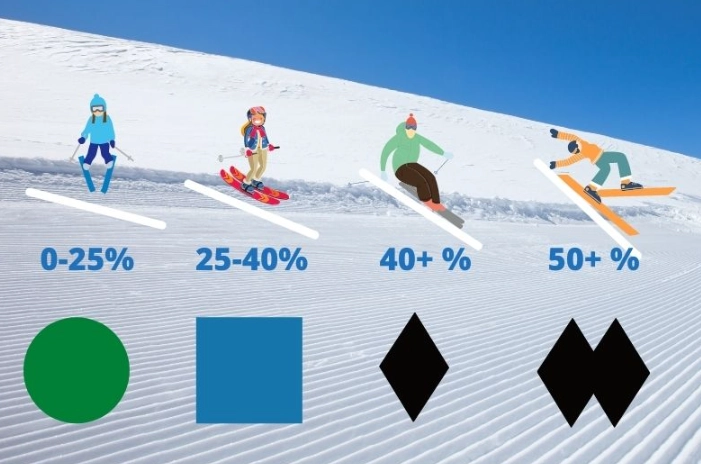
- Beginner (Green Circle Skier): Stick to lifts labeled as serving green runs. Look for detachable chairlifts—they are slower in the load zone. Avoid T-bars and rope tows on your first few days.
- Intermediate (Blue Square): You're ready for most chairlifts. Start paying attention to the trail map—some chairlifts only serve advanced terrain from the top. A gondola is a great, stress-free way to access higher mountains.
- Advanced/Expert (Black Diamond & Double Black): You'll encounter it all: steep, fast chairlifts, and surface lifts like T-bars that access extreme terrain. You know the drill by now.
What is the ski lift thing called that you should avoid as a newbie? Probably a T-bar serving a double black diamond run. The trail map is your best friend here.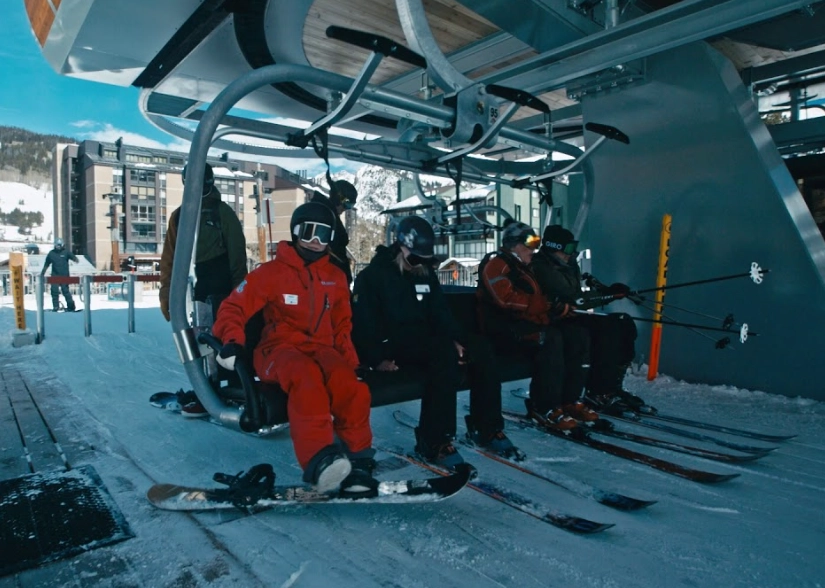
Beyond the Basics: Fun Facts and Common Questions
Let's dig into some of the other things people wonder about after they learn what the ski lift thing is called.
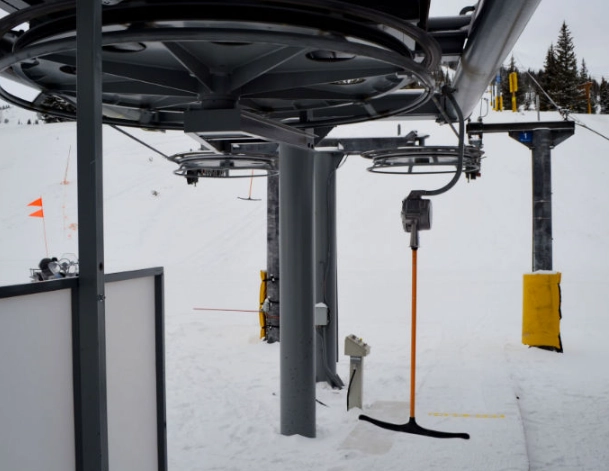
It all boils down to this: that "thing" is your ticket to the fun. It's the uphill taxi that makes the glorious downhill possible. Understanding the different types—knowing a chairlift from a T-bar—takes the mystery out of it and lets you focus on the real reason you're there: making turns in the snow.
Now get out there. The mountain is waiting, and you know exactly what to call your ride up.
Related Articles
Comments
Join the discussion