Quick Guide Highlights
- Why a Good Ski Equipment List for Beginners Matters
- The Ultimate Checklist: Breaking Down Your Ski Equipment List for Beginners
- The Hardware: To Rent, to Buy, or to Demo?
- Building Your Kit: A Prioritized Spending Guide
- Common Beginner Questions (The Stuff You're Actually Wondering)
- Final Walkthrough: Packing Your Bag for Day One
Let's be honest, staring at a wall of ski gear online or in a shop can feel like trying to read a foreign language. Skis, bindings, boots, poles, layers upon layers of clothing... where do you even start? I remember my first time. I showed up with jeans and a sweatshirt, thinking that's what you wore in the snow. I was cold, wet, and miserable by 10 AM. A complete disaster.
You don't want that. You want to have fun, feel confident, and not blow your entire vacation budget on stuff you might not even need.
That's why I put this ski equipment list for beginners together. It's not a fancy, technical manual. It's the plain-English, no-BS guide I wish I had. We'll break down exactly what goes into a beginner ski gear list, what's absolutely essential, what you can skip for now, and the smartest ways to get kitted out without going broke. The goal is simple: get you from overwhelmed to on the slopes, safely and happily.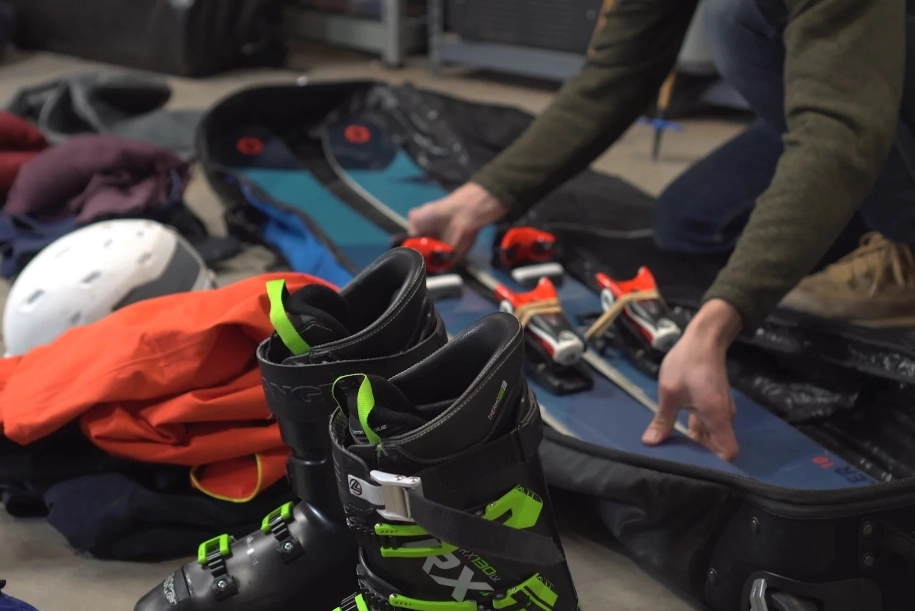
The Core Idea: As a beginner, your gear needs to do three things: keep you safe, keep you warm/dry, and be forgiving enough to help you learn. Fancy performance features come later. We're focusing on the foundation.
Why a Good Ski Equipment List for Beginners Matters
It's not just about having stuff. The right gear makes learning easier and safer. Stiff, advanced skis will fight you every turn. Ill-fitting boots will torture your feet and ruin your day. Poor quality goggles will fog up the second you move, leaving you blind.
A proper beginner ski gear list prioritizes comfort, ease of use, and value. It's the difference between a day of frustrating struggle and a day of genuine progress and joy. Think of it as investing in the experience itself.
The Ultimate Checklist: Breaking Down Your Ski Equipment List for Beginners
We'll tackle this in layers, just like you dress for the cold. We'll start with what touches your skin and work our way out to the hardware.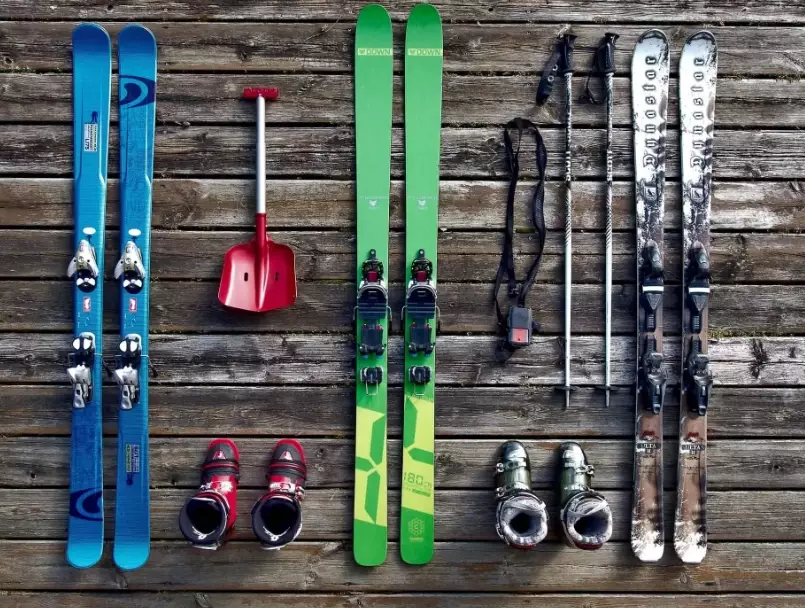
Layer 1: The Base Layer (No, Not Your Underwear... Well, Sort Of)
This is your foundation for warmth and dryness. Cotton is the enemy here. It absorbs sweat and holds moisture against your skin, making you cold—a phenomenon called "cotton kills" in the outdoors world.
- Top: A long-sleeved thermal top made of merino wool or synthetic materials like polyester. Merino is fantastic (itch-free, naturally odor-resistant) but pricier. Synthetics work great and are more budget-friendly.
- Bottom: Thermal leggings or long johns. Again, wool or synthetic.
- Socks: This is crucial. Dedicated ski or snowboard socks. They are taller, have padding in the shin and footbed, and are made of wool/synthetic blends. One pair. Do not double up—it causes blisters. I made that mistake once. Never again.
Pro Tip: Your base layer manages moisture. Its job is to wick sweat away from your skin to the next layer where it can evaporate. If you remember nothing else, remember: NO COTTON.
Layer 2: The Insulating Layer (Your Personal Furnace)
This layer traps the warmth your body generates. The key here is versatility.
- Mid-Layer Top: A fleece jacket or pullover, or a lightweight puffy/down jacket. I prefer a fleece because it breathes well during activity. The puffy is amazing for super cold days or when you're stationary on the lift.
- Mid-Layer Bottom (Optional): If you run very cold, fleece-lined pants or an extra pair of thermal bottoms. Most beginners are fine with just base layer + ski pants initially.
The beauty of layering is you can add or remove based on the weather and how hard you're working. Chilly morning? Wear both. Sunny afternoon spring skiing? Maybe just the base layer under your shell.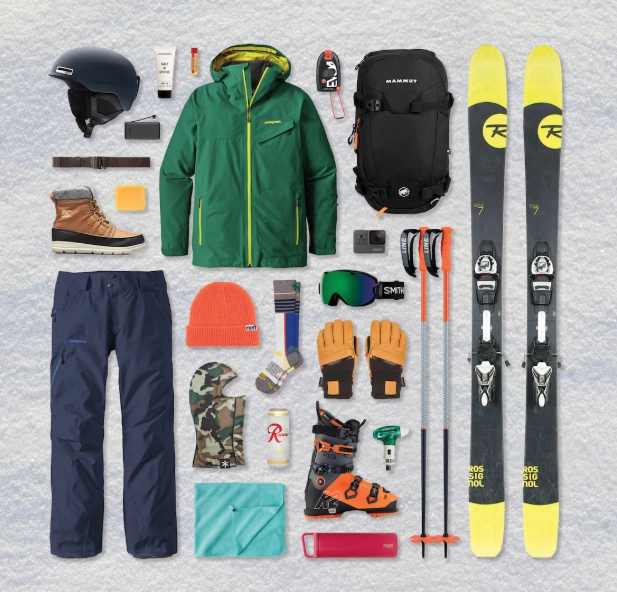
Layer 3: The Outer Shell (Your Armor Against the Elements)
This is what keeps wind, snow, and water out. It consists of a jacket and pants.
- Ski Jacket: Look for a waterproof and breathable rating. A rating of 10,000mm waterproofing and 10,000g breathability is a great starting point for beginners. Features to look for: a powder skirt (to keep snow out), a hood that fits over a helmet, pit zips for ventilation, and plenty of pockets.
- Ski Pants (or Bibs): Same waterproof/breathable specs as the jacket. Bibs (overalls) are fantastic for keeping snow from going down your back when you fall (and you will fall). Pants are a bit easier for bathroom breaks. Both work. Ensure they have reinforced patches on the inner legs/cuffs from boot buckles.
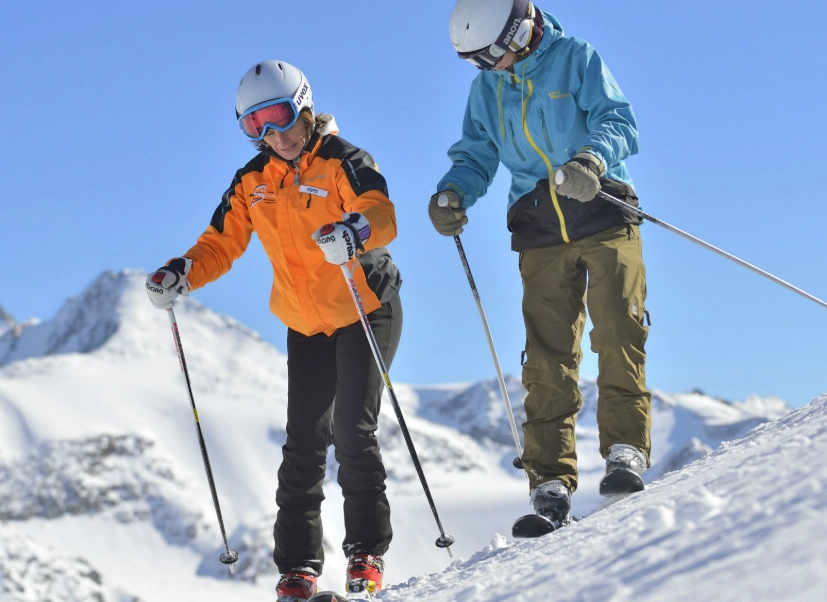
The Essential Accessories (The Difference Between Good and Great)
These small items have an outsized impact on your comfort and safety.
- Gloves or Mittens: Waterproof ski gloves at a minimum. Mittens are generally warmer than gloves because your fingers share heat. Look for a waterproof rating and some insulation. A cheap pair of glove liners (thin silk or synthetic) underneath add a ton of warmth and let you handle your phone without exposing your skin.
- Goggles: Non-negotiable. Sunglasses don't cut it—they let in wind and snow, and the lenses aren't designed for flat light on overcast days. Look for dual-pane lenses to prevent fogging. A versatile lens color for beginners is a rose or amber tint; it works well in both sun and flat light. The Snowsports Industries America (SIA) is a great resource for understanding gear standards, though they're more trade-focused.
- Helmet: Please, just wear one. It's not a debate anymore. Modern ski helmets are lightweight, warm, and comfortable. Rent one if you don't own it. Ensure it fits snugly without pressure points. Many now come with integrated audio pockets too.
- Neck Gaiter or Balaclava: A simple tube of fleece or synthetic material. Protects your face and neck from windburn on the lift. Much easier than a scarf.
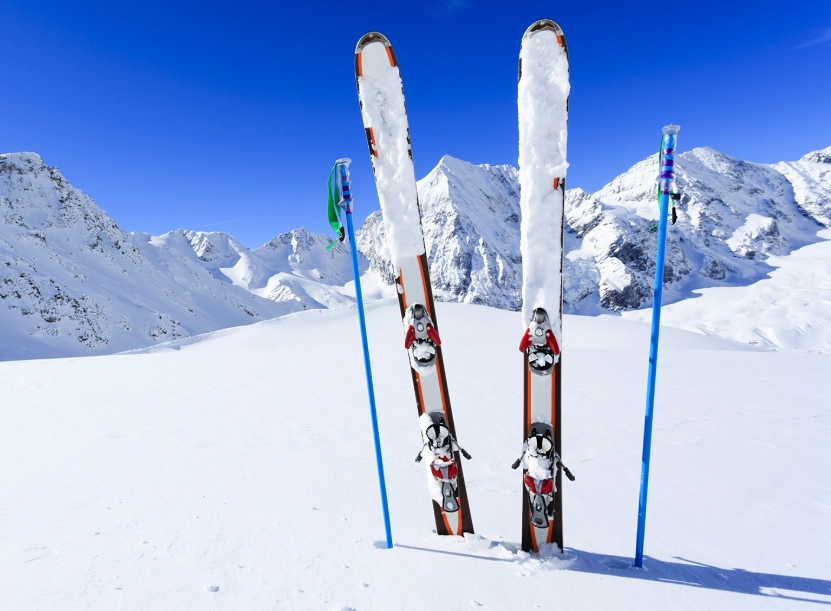
See? We haven't even gotten to skis yet, and you're already suited up for success. The clothing part of your ski equipment list for beginners is 80% of the comfort battle.
The Hardware: To Rent, to Buy, or to Demo?
This is the big question for first-timers. My strong, strong recommendation for your absolute first time(s) skiing: RENT. Here's why.
| Option | Pros | Cons | Best For |
|---|---|---|---|
| Rental (Shop or On-Mountain) | Low upfront cost. No maintenance. Experts fit you. Can try different setups. Includes skis, boots, poles. | Can be lower-end gear. Fit may not be perfect. Recurring cost if you ski often. | First 1-5 times skiing. Testing the sport. |
| Season Rental | Great value for a whole season. Better quality gear than daily rentals. You keep it all season to get used to it. | You're committed for a season. Still not *your* gear long-term. | Beginners who know they'll ski 5+ days in one winter. |
| Buying New | Perfect fit and customization. Choose exact model for your growth. Long-term investment. | High initial investment. Need to store and maintain. Your needs/skill may change quickly. | Beginners who are committed after 5-10 days and see a long future in the sport. |
| Buying Used | Significant savings. Can find high-quality gear. Good for growing kids. | Requires knowledge to avoid bad/outdated gear. May need binding adjustments/checks. | Budget-conscious beginners with a knowledgeable friend or who've done research. |
If you rent, you can often get a package that includes skis, boots, and poles. This lets you focus on learning without the burden of a major purchase. A good rental shop will ask about your height, weight, and ability level to set you up with appropriate gear.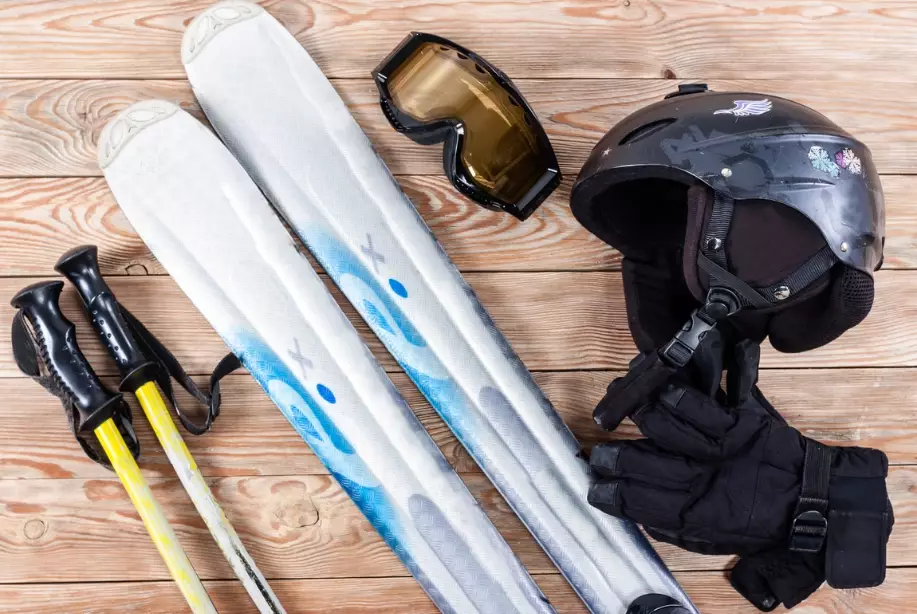
What Makes Gear "Beginner-Friendly"?
When you're looking at gear (for rental or purchase), these are the features that make up an ideal beginner ski equipment list:
- Skis: Shorter, softer, and wider. Shorter is easier to turn. Softer flex forgives errors. Wider underfoot (somewhere in the 75mm-85mm range) provides more stability. Look for "all-mountain" or "frontside" skis with rocker-camber-rocker profiles—rocker in the tip makes initiating turns easier. Brands like Rossignol and Atomic have excellent, well-documented beginner lines like the Experience or Easy Turn series.
- Boots: The most important piece! A softer flex (60-80 flex rating) is key. It allows your ankle to bend forward without a fight. A good fit is paramount—snug everywhere with no pressure points, heel locked down, toes lightly touching the front. A professional boot fitting is worth every penny if you buy. Don't just order boots online blind for your first pair.
- Bindings: These come mounted to the skis. The rental shop or store will set the DIN (release tension) based on your weight, height, and ability. For beginners, this is set lower so the skis release easily in a fall to prevent injury. Never adjust these yourself.
- Poles: Honestly, for day one, poles are almost optional. Instructors often have beginners start without them. To size: turn a pole upside down and grab it under the basket. Your forearm should be parallel to the ground. Aluminum poles are fine and cheap.
Safety First: Never use old, hand-me-down bindings from the 90s. Binding technology and safety standards have evolved. Modern bindings must be indemnified (certified as safe) by the manufacturer. A shop can check this. The ASTM International sets many of the safety standards for ski equipment, which gives you an idea of the engineering involved.
Building Your Kit: A Prioritized Spending Guide
Let's say you've tried it, loved it, and want to start building your own kit. What order should you buy things in? Here's my suggested priority list, which is a bit different from a standard ski equipment list for beginners.
- Boots. Number one, no contest. Properly fitted boots improve your control and comfort more than any other item. You can rent skis, but your own boots are a revelation.
- Helmet & Goggles. Safety and vision. These are personal items (hygiene) that dramatically affect your experience. Get a helmet that fits your head perfectly.
- Outerwear (Jacket & Pants). You'll use this every time. Investing in good waterproofing pays off season after season.
- Skis, Bindings, Poles. Now you're committing. Buy skis that match your current ability with a little room to grow into over 2-3 seasons.
- All other accessories (base layers, gloves, neck gaiter).
This approach spreads the cost and lets you invest in the most impactful pieces first.
Common Beginner Questions (The Stuff You're Actually Wondering)
Final Walkthrough: Packing Your Bag for Day One
Let's visualize the morning of your first ski day. You're packing your bag. Here’s what should be in it, beyond the obvious big items you're wearing.
In your ski backpack or lodge bag:
- Extra socks. A dry pair for the ride home is bliss.
- Lightweight shoes or boot slippers. For après-ski or walking in the lodge. Your feet will thank you.
- Sunscreen & lip balm. Said it once, saying it again.
- A small snack (energy bar, trail mix). Learning is exhausting.
- A water bottle. Hydration is key at altitude, even in the cold.
- An extra mid-layer. That fleece or light puffy, in case the weather shifts or you get cold.
- Cash/Card, ID, phone. Obviously.
- A small tube of ski wax (if you own skis). A quick rub on the bases at lunch keeps them gliding.
That's it. That's the complete, no-fluff guide.
Creating your first ski equipment list for beginners shouldn't be a source of stress. It's the first step of the adventure. Start with the mindset of comfort and learning, not performance. Rent the hardware until you're sure. Invest in good boots and a helmet when you're ready. Layer up smartly.
Most importantly, remember that everyone on the mountain started exactly where you are. We all had that first wobbly ride on a chairlift, that first pizza slice down a green run. The right gear simply removes the obstacles so you can focus on the sheer, ridiculous fun of sliding on snow.
Now go get your gear sorted, and I'll see you out there.
Related Articles


Comments
Join the discussion