Look, I remember my first time on a real ski slope. The excitement was off the charts, but so was the anxiety. Everyone else seemed to know exactly what they were doing—gliding into the lift line, merging onto runs, stopping with purpose. I felt like I was in everyone's way, a total newbie just hoping not to cause a pileup. Sound familiar?
That feeling, that's exactly why understanding proper ski etiquette for beginners is so crucial. It's not about stuffy rules to make you feel bad. It's the opposite. It's a shared language of safety, respect, and efficiency that makes the mountain fun and safe for everyone, from the grizzly expert carving perfect turns to the kid on their first green run. When you know the basics, your confidence skyrockets. You stop worrying about annoying others and start enjoying the ride.
So, what is proper ski etiquette for beginners, really? It boils down to a few core principles: be predictable, be aware, and be courteous. It's knowing where to stand, when to go, and how to share this amazing, sometimes crowded, space. Let's walk through it all, step by step, lift by lift.
Quick Guide to Ski Etiquette
- The Golden Rule: Safety First, Always
- Navigating the Lift Line: The Ultimate Test of Patience
- On the Slopes: Sharing the Space
- Respect for the Mountain, the Staff, and Other People
- Your Quick-Start Checklist for Proper Ski Etiquette
- Common Beginner Questions (And Real Answers)
- The Bottom Line: It's About Community
The Golden Rule: Safety First, Always
Before we even talk about lift lines or trail merging, we have to start with safety. The National Ski Areas Association (NSAA) has a clear, official code called Your Responsibility Code. This isn't just suggestions; it's the foundation of proper ski etiquette for beginners and experts alike. Ignoring it is how people get hurt.
People ahead of you have the right of way. Always. It's your job to avoid them. They can't see you coming from behind. This is probably the most violated rule by beginners who are just trying to keep their own skis pointed downhill. I've been there, focusing so hard on my own balance that I didn't see the family stopped just ahead. A near miss that was entirely my fault.
When stopping, never just plant yourself in the middle of a run, especially below a roller or on a blind corner. Pull off to the side where you're visible from above. And if you're climbing up a hill (to retrieve a lost pole, for instance), always keep to the very side of the run. Walking up the center is asking for trouble.
The Lifesaver: How to Fall (and Get Up) Politely
You're going to fall. Everyone does. How you handle it is a huge part of beginner ski etiquette.
When you wipe out, try to shuffle yourself and your gear to the side of the run as quickly as you can. Don't just lie there contemplating the sky. It blocks the trail. If you're in a group and someone falls, one person should help while the others move to the side. Don't create a committee meeting in the middle of the slope.
Getting up can be a struggle. If you need a minute to collect yourself, that's okay. Just make sure you're out of the main traffic flow. And for the love of all things snowy, make sure your skis are pointing across the hill, not straight down, before you try to stand up. I've seen too many beginners stand up only to instantly rocket downhill again because their tips were pointed the wrong way.
Navigating the Lift Line: The Ultimate Test of Patience
This is where proper ski etiquette for beginners is most visible and, frankly, where tensions can rise. Lift lines are a study in crowd dynamics.
First, have your pass ready *before* you get to the scanning point. Fumbling in your pocket while the line stacks up behind you is a classic beginner move. It slows everyone down. Second, pay attention to the maze. Merge when it's your turn, like a zipper. Don't cut lines. It's incredibly rude, and people will call you out on it. I've heard some very creative insults shouted at line-cutters.
When you get to the loading area, be ready. Have your pole straps off your wrists (a major safety issue if they get caught). Know how many people your chair holds (usually 4 or 6). Look at the signs and group up accordingly. If it's a quad lift and your group is three, it's perfectly polite to say "We have three!" to the single skier behind you, inviting them to join. It fills the chair and keeps the line moving.
The actual loading is a dance. Look behind you, watch for the chair, and sit down when it touches the back of your legs. Don't jump or lunge for it. Once seated, pull the safety bar down *after* everyone is clear of the ground and only after saying "Bar coming down!" It's a simple courtesy. Not everyone likes it slammed down on their head unexpectedly.
On the Slopes: Sharing the Space
Okay, you're off the lift and at the top of the run. This is where the real fun begins, and where proper ski etiquette for beginners keeps the traffic flowing.
When starting from a stopped position at the top of a run, always look uphill first. It's like checking your blind spot when driving. Just because you have the right of way once you're moving doesn't mean someone isn't already barreling toward that spot.
Merging onto a trail is similar. Treat it like merging onto a highway. Look, find a gap, and go. Don't just shoot out blindly. When skiing across a trail (traversing), do a quick uphill glance before cutting across. Someone might be coming down that line.
Passing others is a delicate operation. The rule is simple: pass on the left or right, but leave **plenty** of room. Imagine the other skier suddenly makes a wide turn. Would you hit them? If yes, you're too close. A good rule of thumb is to leave at least a ski-length of space for every 10 mph you think you're going. And never, ever pass directly below someone on a steep slope. If they fall, they slide right into you.
It’s all about predictability.
Making predictable, smooth turns is the best thing you can do. Erratic, jerky movements are hard for others to read. If you need to make a sudden stop or drastic turn to avoid something, try to throw an arm out or make an obvious signal if you can. It alerts the people behind you.
Trail Signage and Difficulty Levels: Know Your Place
This is a big one. Trail ratings (Green Circle, Blue Square, Black Diamond) exist for a reason. They are your best guide for what is proper ski etiquette for beginners in terms of terrain choice.
| Trail Symbol | Difficulty | What It Means for Beginners | Etiquette Priority |
|---|---|---|---|
| Green Circle | Easiest | Your home base. Wide, gentle slopes for learning turns and speed control. | Perfect for practicing all etiquette. Expect slower skiers, kids, and lessons. |
| Blue Square | Intermediate | More pitch, maybe narrower. You should be confident linking turns and stopping on greens before venturing here. | Be aware of faster skiers. Look uphill before starting. Stick to the side if you're going slow. |
| Black Diamond | Advanced | Steep, may have moguls, trees, or other challenges. | Generally not for beginners. If you find yourself on one by accident, sidestep or carefully sideslip down the very edge. |
Sticking to terrain appropriate for your skill level is the ultimate act of slope etiquette and safety. It prevents bottlenecks and dangerous situations. I made the mistake of following a friend onto a blue square way too early. I spent the entire run terrified, snowplowing across the entire width of the trail, blocking everyone. It was miserable for me and annoying for others. Not worth it.
Respect for the Mountain, the Staff, and Other People
Proper ski etiquette for beginners extends beyond just movement. It's about the vibe you bring to the mountain.
Litter is a massive no-go. If you brought a snack bar wrapper, it goes back in your pocket. Those colorful bits of trash don't just disappear in the spring; they pollute a beautiful environment. Same goes for cigarette butts. Just don't.
Be decent to the mountain staff. The lift operators, the ski patrollers in their red jackets, the folks in the rental shop—they have long, cold, often thankless jobs. A simple "thank you" or a smile goes a long way. If you see ski patrol assisting someone, give them a wide berth. They're doing important work.
In the lodge, it's shared space. Don't spread your gear over three tables for your group of two. Be mindful of the wet floors. If you're booting up in a crowded area, try to keep your stuff contained. The American Alpine Club has great general guidelines for outdoor ethics that apply perfectly to the ski resort environment.
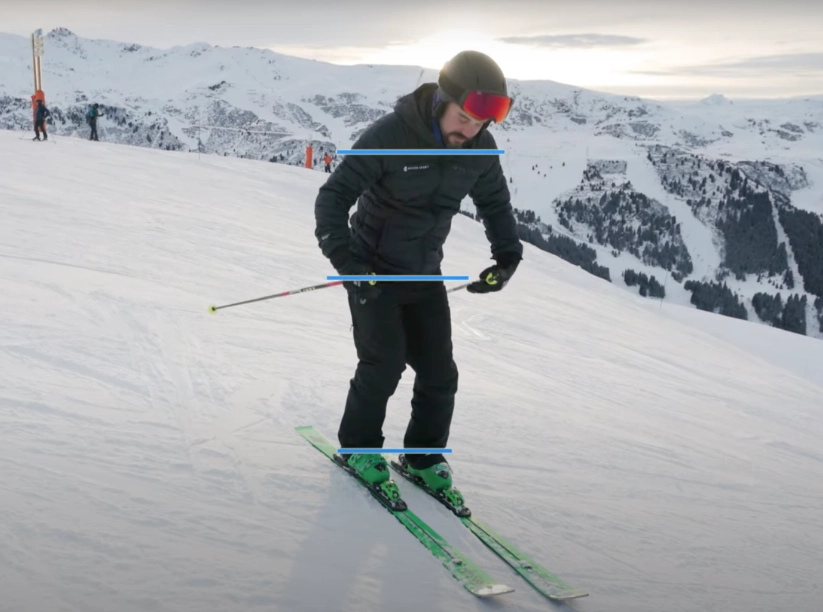
Your Quick-Start Checklist for Proper Ski Etiquette
Let's summarize the absolute must-knows. Think of this as your pre-ski mental checklist.
- Control and Right of Way: Ski in control. The person downhill always has the right of way. It's your job to avoid them.
- Lift Line Readiness: Have pass ready. Merge politely. Load efficiently and announce the safety bar.
- Smart Stopping: Stop only at the side of a run, never in the middle or over a blind crest.
- Awareness: Look uphill before starting, merging, or traversing. Be predictable in your turns.
- Terrain Choice: Honestly assess your skill level and stick to appropriate runs (start on Greens!).
- Passing: Give a wide berth. Pass as if the other skier might suddenly turn into your path.
- Respect: No litter. Be kind to staff and other skiers. Manage your gear in shared spaces.
Print that out. Stick it in your jacket pocket. Review it on the ride up.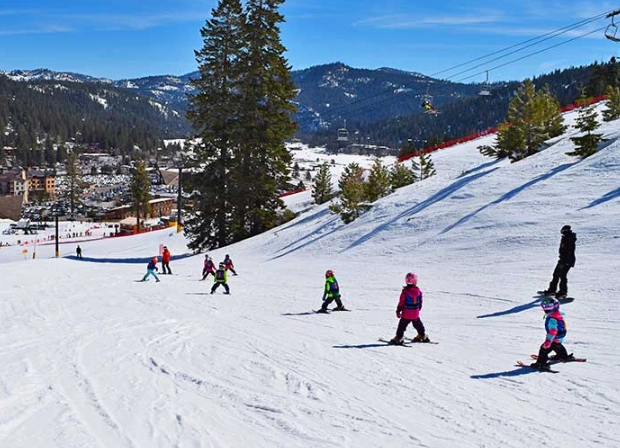
Common Beginner Questions (And Real Answers)
See? It’s mostly common sense, just applied to snow.
The Bottom Line: It's About Community
Learning what proper ski etiquette for beginners entails isn't about memorizing a list of rules to be a robot. It's about joining a community. The mountain is a shared, wonderful, but potentially dangerous playground. These "unwritten rules" (which are mostly written down, as we've seen) are what keep it fun and safe.
When you follow them, you stop being "that beginner" and start being just another skier, learning and improving. You'll feel the difference. The anxiety of the first day melts away because you know what you're doing. You know where to stand, when to go, how to interact.
So take a deep breath, review the checklist, and get out there. Start on the green circle. Practice your turns. Be aware of your surroundings. Be cool in the lift line. You've got this. The fact that you're even reading this guide means you're already ahead of the curve and on your way to not just being a skier, but a good one.
Now go enjoy the snow.
Related Articles

Comments
Join the discussion