Let's be honest. That first ski day of the season can be brutal. You're excited, the snow is perfect, but by lunchtime, your legs feel like concrete, your lower back is screaming, and you're just trying to survive until the last chairlift. I've been there more times than I'd like to admit. Wondering how to improve fitness for skiing isn't just about looking good in your gear; it's about actually enjoying the sport you love, from the first run to the last, without pain or exhaustion holding you back.
This isn't another generic list of "do some squats." We're going deep. We'll break down exactly why your body fails on the slopes (spoiler: it's not just your legs) and build a complete, actionable plan to fix it. Whether you're a weekend warrior or aspiring to tackle bigger terrain, the right preparation changes everything.
It's about training smarter, not just harder.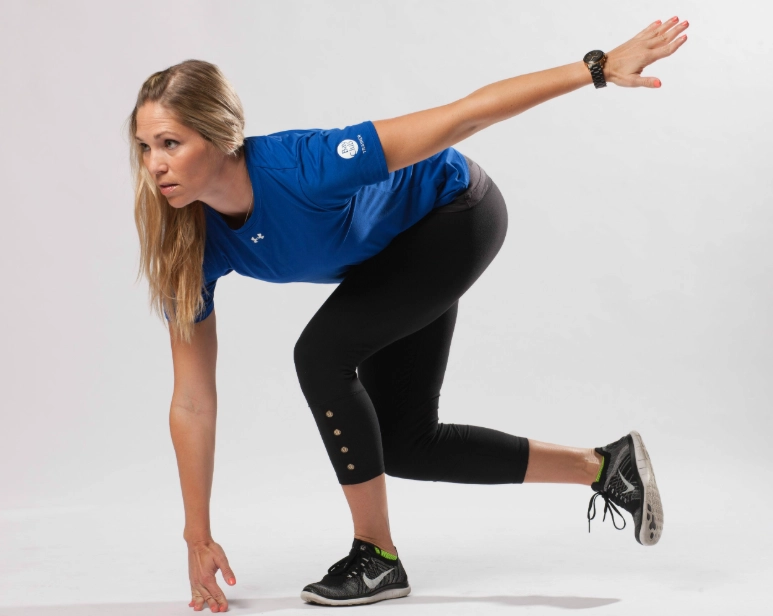
The Core Truth: Skiing and snowboarding are unique beasts. They demand a wild combination of muscular endurance, explosive power, crazy balance, and cardiovascular stamina—all while dealing with altitude, cold, and unfamiliar movements. A general gym routine often misses the mark completely.
Your Ski Fitness Roadmap
Why Generic Fitness Fails on the Slopes
You might be able to run a 5k or lift decent weights, but skiing exposes very specific weaknesses. The burning in your thighs? That's muscular endurance. The wobble in your core when you hit a bump? That's stability. Gasping for air at the top of a long run? That's cardio meeting high intensity.
Skiing is a series of isometric holds (holding a turn position) combined with quick, powerful extensions (initiating the next turn). It's lateral movement, rotational forces, and absorbing impacts. If your training is only up-and-down or forward-and-back, you're leaving huge gaps.
I learned this the hard way. One season, I focused purely on heavy squats and leg presses. Sure, I felt strong in the gym. But on my first black diamond run, my legs fatigued in minutes because I hadn't trained them to fire and recover repeatedly for hours. The strength was there, but the specific endurance was totally missing. That's the key distinction.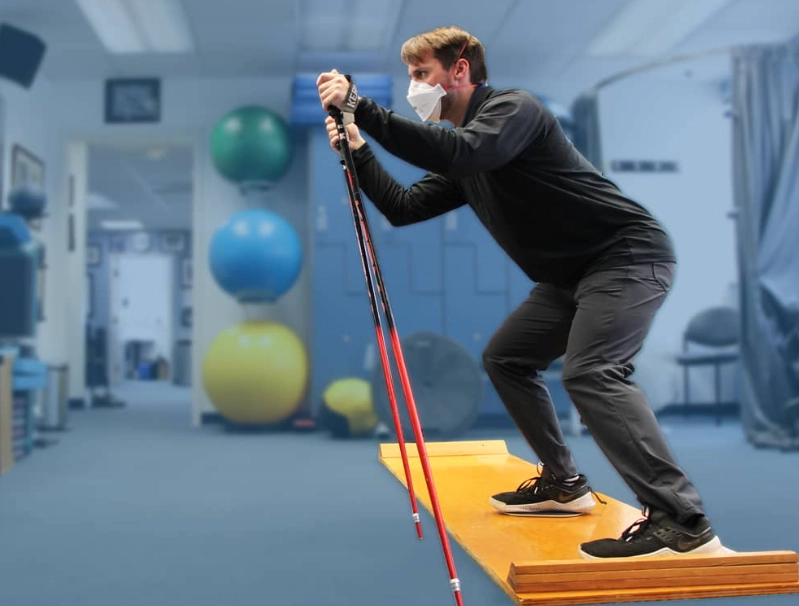
The Four Pillars of Ski-Specific Fitness
To truly crack the code on how to improve fitness for skiing, you need to attack it from four angles simultaneously. Neglect one, and you'll feel it.
Pillar 1: Leg Strength & Muscular Endurance
This is the obvious one, but we need to get specific. It's not about one-rep max strength. It's about your quads, hamstrings, glutes, and calves being able to perform hundreds, even thousands, of high-quality contractions over several hours. You need a mix of exercises that build foundational strength and others that mimic the exhausting, repetitive nature of skiing.
My go-to exercise that made the biggest difference? Wall sits. Boring as heck, but holding a deep wall sit for 2-3 minutes, a few times a week, builds a type of burn tolerance that directly translates to holding a turn. It's mental as much as physical.
Top Exercises for Ski Legs:
- Bulgarian Split Squats: Unilateral (single-leg) work is non-negotiable. Skiing is a one-leg-at-a-time sport. This builds stability and strength in each leg independently, correcting imbalances. Go for higher reps (12-15 per side).
- Lateral Lunges: Skiing is side-to-side. Standard lunges are great, but lateral lunges train the adductors (inner thighs) and abductors (outer hips/glutes) that control your skis' edges. These muscles are often neglected.
- Eccentric Focus on Squats & Leg Press: Spend 3-4 seconds on the lowering (eccentric) phase. This builds control for absorbing bumps and puts more time under tension, boosting endurance.
- Calf Raises (Bent Knee & Straight Knee): Your calves are constantly working to maintain forward pressure in your boots. Do them with a knee slightly bent to mimic the skiing stance.
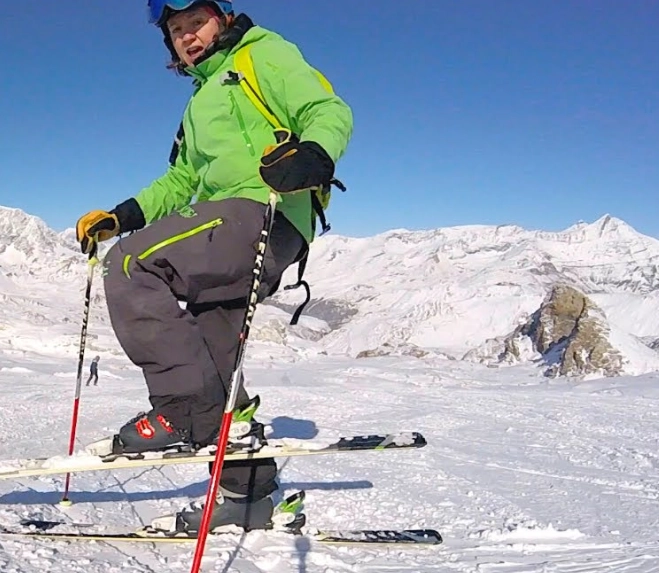
Pillar 2: Core & Trunk Stability
Your core is your command center. It's not about doing a hundred crunches for a six-pack. It's about anti-movement. A strong core resists rotation and lateral flexion, keeping your upper body quiet and stable while your legs work independently underneath. This is what gives you control in variable snow and when you're tired.
A weak core leads to over-rotation, back pain, and inefficient energy transfer. You end up fighting your own body.
Forget sit-ups. Train these instead:
- Planks & Side Planks: The classics for a reason. Hold a perfect plank for 60-90 seconds. For side planks, add leg lifts or dips to engage the obliques more.
- Dead Bugs & Bird-Dogs: These teach your core to stabilize while your arms and legs move. They're fantastic for preventing lower back strain by promoting proper pelvic positioning.
- Pallof Press: This is a game-changer. Using a cable machine or resistance band, you resist being pulled into rotation. It's the exact type of stability you need when your skis want to shoot out from under you.
- Russian Twists (with weight): Okay, a little rotation is okay! This builds power for quick pole plants and upper-lower body separation.
Pro Tip: Try doing your planks or Pallof presses after your leg exercises are already fatigued. This mimics the real ski scenario where your core has to work hardest when your legs are toast.
Pillar 3: Cardiovascular Conditioning
Altitude is a beast. Even at modest resorts, you're at 8,000+ feet. The air is thin, and skiing is interval training: hard bursts of effort (a steep section, moguls) followed by short rests (on the chairlift). If your cardio is poor, you'll be gasping, your technique will fall apart, and you'll be exhausted by noon.
You need to train your heart and lungs for these bursts. Slow, steady-state jogging helps, but it's not enough.
Best Cardio for Ski Fitness:
- HIIT (High-Intensity Interval Training): This is the gold standard. 30 seconds of all-out effort (sprinting, biking, rowing) followed by 60-90 seconds of active recovery. Repeat for 15-20 minutes. It trains your body to recover quickly between runs.
- Stair Sprints or Hill Repeats: Brutally effective. The motion is similar to the explosive extension in a ski turn. Find a long flight of stairs or a steep hill and sprint up, walk down, repeat.
- Cycling (Outdoor or Spin): Excellent for building quad endurance without the joint impact of running. Mimic interval sessions here too.
- Jump Rope: Cheap, portable, and fantastic for foot speed, coordination, and cardio. Try double-unders for a real challenge.
Pillar 4: Balance, Agility & Proprioception
This is the secret sauce most people skip. Proprioception is your body's sense of where it is in space. On skis, your feet are locked into long planks, and the ground is constantly moving. You need exceptional ankle, knee, and hip stability to manage it.
"Ski fitness isn't just in your muscles; it's in your nerves. Training your balance is training your brain to communicate with your muscles faster."
Simple Drills with Big Impact:
- Single-Leg Balances: Stand on one leg while brushing your teeth. Close your eyes to make it harder. Progress to doing it on a folded towel or a cushion.
- Bosu Ball or Balance Board Work: Doing bodyweight squats or even just standing on an unstable surface forces all the little stabilizer muscles in your ankles and knees to fire. You can find great progression guides on sites like ACE Fitness.
- Lateral Hops: Hop side-to-side over a line, landing softly with bent knees. This trains the quick, lateral adjustments you make on skis.
Building Your 8-Week Pre-Season Training Plan
Okay, so we have the pieces. How do we put them together? Here’s a sample weekly structure. This assumes you have about 8 weeks before your first ski trip. The goal is to start more general and become more ski-specific as you get closer.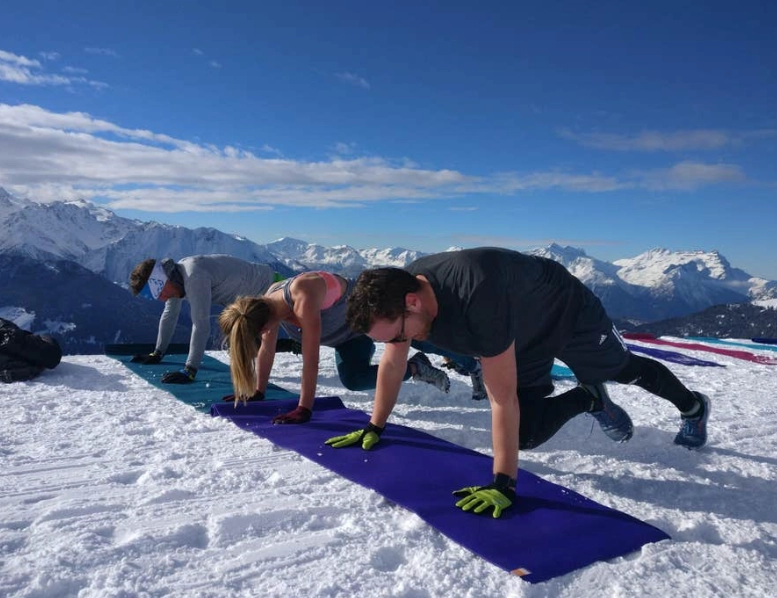
| Week Phase | Focus | Strength Days (2-3x/week) | Cardio Days (2-3x/week) | Balance/Recovery |
|---|---|---|---|---|
| Weeks 1-3: Foundation | Build general strength & cardio base. | Full-body workouts. Higher volume (3 sets of 12-15 reps). Focus on form in split squats, lunges, planks. | Moderate-intensity steady-state (MISS) cardio (30-45 min jog, bike) + 1 HIIT session. | Daily 5-min balance drills. Focus on mobility/stretching. |
| Weeks 4-6: Sport-Specific | Increase intensity, add ski-mimicking moves. | Introduce more unilateral work, eccentric focus, and plyometrics (box jumps, lateral bounds). Lower reps (8-10), higher weight. | Increase HIIT to 2 sessions/week. Add stair sprints or hill repeats. Steady-state becomes active recovery. | Balance drills on unstable surfaces (Bosu, cushion). Incorporate agility ladder drills. |
| Weeks 7-8: Peak & Taper | Simulate ski demands, then rest before trip. | Circuit training: Combine strength exercises back-to-back with minimal rest (e.g., squat jumps, then Pallof press, then lateral hops). Build muscular endurance. | HIIT only. Shorter, sharper sessions. Prioritize recovery. | In-week 8, drastically reduce volume. Focus on dynamic stretching and mental prep. |
The trick is consistency. Three 45-minute focused sessions per week are infinitely better than one sporadic two-hour grind.
Listen to Your Body: This plan is a template. If you're new to exercise, start slower. If something hurts (sharp pain, not muscle burn), stop. The goal is to get to the slopes healthy. Pushing through an injury is the fastest way to ruin your season. For reliable information on exercise modifications and injury prevention, the American Academy of Orthopaedic Surgeons site is an excellent resource.
Common Questions About How to Improve Fitness for Skiing
Let's tackle some of the real-world questions that pop up when you're trying to get ski-fit.
How soon before my trip should I start training?
Ideally, 8-12 weeks. You can see significant improvements in 6 weeks if you're consistent. Even 4 weeks is better than nothing—focus on the muscular endurance and balance pillars. Starting late is no excuse to not start at all.
I hate the gym. What can I do at home?
No problem! You need minimal equipment:
- For strength: Bodyweight squats, lunges, lateral lunges, single-leg glute bridges, push-ups (for overall strength). Add a backpack with books for weight.
- For cardio: Jumping jacks, high knees, burpees, running in place. Go for a run or bike outside.
- For core: Planks, side planks, dead bugs, leg raises.
- For balance: Single-leg stands, towel-balancing.
A simple home circuit can be incredibly effective.
What about flexibility and mobility?
Crucial, but often misunderstood. You don't need to be a gymnast. You need functional mobility in your hips, ankles, and thoracic spine (upper back). Tight hips limit your ability to get forward and into an athletic stance. Tight ankles prevent proper forward flex. Spend 10 minutes after each workout stretching these areas. Dynamic stretches (leg swings, hip circles) are great before activity.
How do I prevent "ski knee" (ACL injuries)?
This is huge. Most non-contact ski knee injuries happen when the body rotates over a fixed, bent knee. The prevention formula is:
- Strong Hamstrings & Glutes: They protect the ACL. Romanian deadlifts and glute bridges are key.
- Proprioception/Balance: So your body corrects itself before a dangerous position occurs.
- Proper Technique: Learning to keep your hands forward and skis together in a fall. Consider a lesson early in the season.
- Fatigue Management: Most injuries happen late in the day when you're tired. This is where your cardio and endurance training pay off in injury prevention.
Research from institutions like the Vail Health Steadman Clinic (a leader in ski medicine) consistently emphasizes strength and neuromuscular training as primary prevention tools.
The best way to improve fitness for skiing is to make the training relevant. If an exercise feels nothing like the burn or movement on snow, it's probably not the most efficient use of your time.
The Final Run: Putting It All Together
Figuring out how to improve fitness for skiing isn't about finding one magic exercise. It's about building a resilient, adaptable body that can handle the specific, multi-directional demands of the mountain.
Start by assessing your weakest pillar. Is it cardio? Do your legs give out first? Does your form collapse when you're tired? Be honest. Then, build your plan around bringing that pillar up, while maintaining the others.
The payoff is immense.
It's not just about fewer sore days (though that's a great benefit). It's about having the energy to say "yes" to that last run with friends. It's about confidently exploring new terrain because your body can handle it. It's about the pure, unadulterated joy of skiing, without the constant background noise of fatigue and pain.
Your skis are ready. Your pass is waiting. Now it's time to get your body ready. Start today, even if it's just with a set of bodyweight squats and a 60-second plank. The first turn of your best season ever starts right now.
Related Articles

Comments
Join the discussion