Explore the Guide
So you're watching the Winter Games, see skiers flying down mountains, launching off jumps, or gliding through forests, and you find yourself asking: wait, how many different types of skiing are in the Olympics anyway? Is it all just... skiing? I used to think that too, until I spent a winter season working near a resort and got a crash course from some seriously dedicated fans and amateur racers. The variety is honestly staggering.
It's not just one sport. It's a whole family of sports under the Olympic banner, each with its own unique personality, history, and set of thrills. If you're new to watching, the differences can seem subtle. But trust me, once you know what to look for, watching the Olympics becomes infinitely more engaging. You start appreciating the sheer guts needed for a downhill racer versus the rhythmic endurance of a cross-country skier.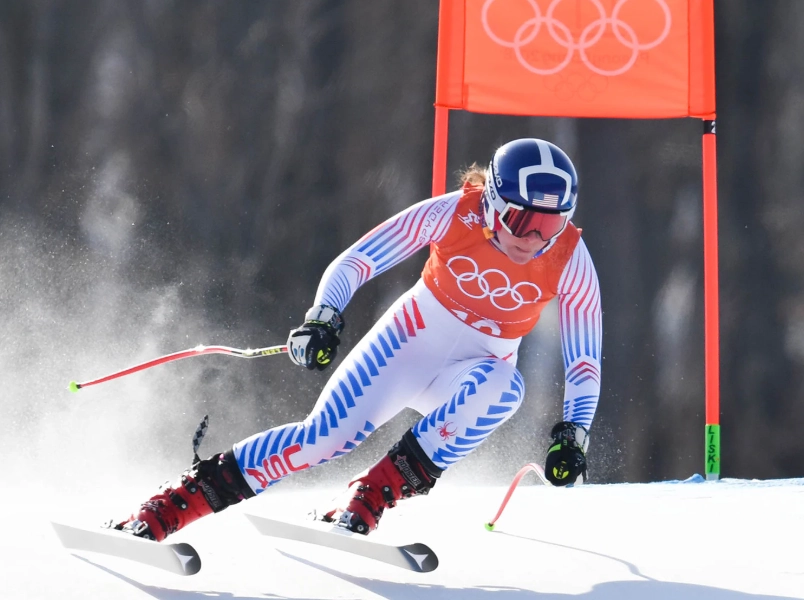
Quick Answer: As of the most recent Winter Games, there are six distinct types of skiing in the Olympics. These are: Alpine Skiing, Cross-Country Skiing, Ski Jumping, Nordic Combined, Freestyle Skiing, and Snowboarding. Yes, snowboarding is technically under the "skiing" umbrella for the Olympics (governed by the International Ski Federation, or FIS). It's a common point of confusion!
This guide is for the curious fan, the aspiring athlete wondering which path to take, or the parent trying to explain to their kids why the skiers on this channel look so different from the ones on the last channel. We're going to break down each one, not just with dry facts, but with a feel for what makes each discipline tick. What's the vibe? Who typically excels at it? What's the coolest thing about it? Let's dive in.
The Big Picture: Six Disciplines, One Winter Festival
First, a bit of context. Skiing has been a cornerstone of the Winter Olympics since the very beginning in Chamonix 1924. Back then, it was just Nordic events (Cross-Country and Ski Jumping). Alpine skiing, the one most people picture first, didn't join the party until 1936. The newer, flashier kids on the block, Freestyle and Snowboarding, are products of the late 20th century, bringing a whole new youth culture and energy to the slopes.
The governing body for most of these Olympic skiing disciplines is the International Ski and Snowboard Federation (FIS). Their site is the absolute authority for rules, schedules, and athlete rankings—a fantastic resource if you really want to go deep. The International Olympic Committee's official site is another goldmine for historical results and athlete profiles.
Understanding the types of skiing in the Olympics means understanding two broad traditions: Nordic and Alpine. Nordic skiing originates from Scandinavia and is all about travel across flat or rolling terrain—the heel of your boot isn't fixed to the ski. Alpine is about descending slopes—your boot is locked in at heel and toe. Everything else, including the modern hybrids, branches off from these two roots.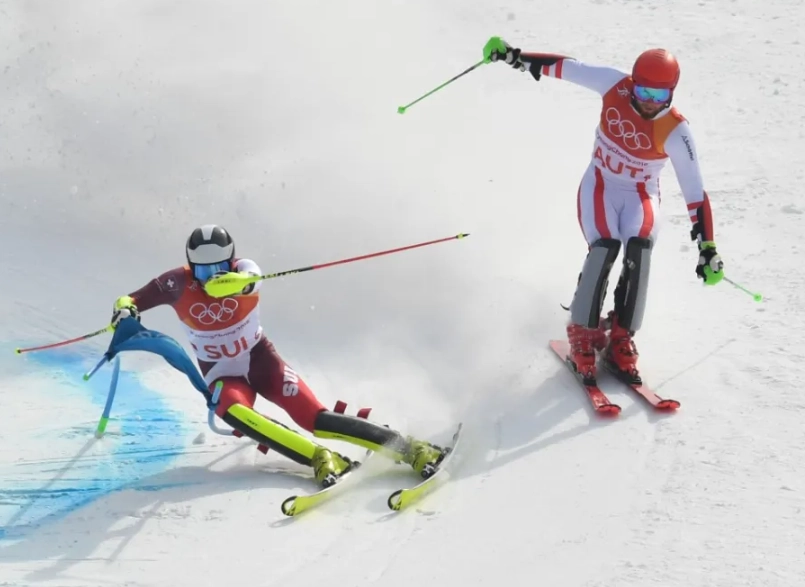
| Olympic Skiing Discipline | Core Idea | Olympic Debut | Key Equipment Note | The Vibe |
|---|---|---|---|---|
| Alpine Skiing | Speed and precision downhill | 1936 (Garmisch-Partenkirchen) | Boots fixed at heel & toe | Classic, high-stakes racing |
| Cross-Country Skiing | Endurance and stamina over distance | 1924 (Chamonix) | Boots attached at toe only; "free heel" | Grueling, rhythmic marathon |
| Ski Jumping | Flight distance and style off a ramp | 1924 (Chamonix) | Very long, wide skis for lift | Pure, breathtaking spectacle |
| Nordic Combined | Ski Jumping + Cross-Country in one event | 1924 (Chamonix) | Uses specialized jumping & XC skis | The ultimate all-rounder test |
| Freestyle Skiing | Aerial tricks, moguls, and park skiing | 1992 (Albertville) as medal sport | Shorter, twin-tip skis common | Creative, acrobatic, and youthful |
| Snowboarding | Riding a single board; racing & freestyle | 1998 (Nagano) | A single board, soft boots | Cool, counter-culture turned mainstream |
That table gives you the lay of the land. But the real fun is in the details.
Breaking Down Each Olympic Skiing Type
1. Alpine Skiing: The Need for Speed
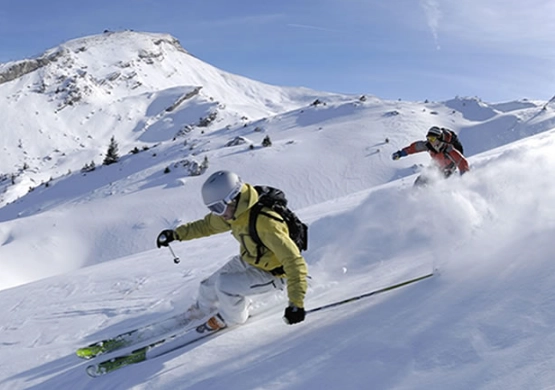
When most people imagine what types of skiing are in the Olympics, this is the picture that pops up: a skier tucked low, screaming down a steep, icy mountain face. It's visceral. The events here are all about getting from the top to the bottom of a set course in the fastest time possible, but the courses demand different skills.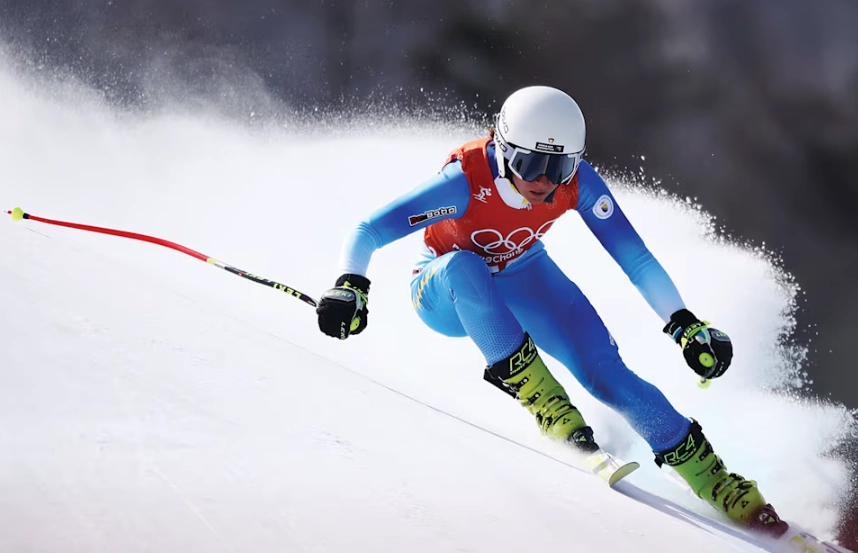
- Downhill: The king. The fastest. Longest course, biggest jumps, highest speeds (often over 90 mph/145 kph). It's a pure, unadulterated adrenaline rush with minimal turns. One run decides it all. The margin for error is basically zero.
- Super-G (Super Giant Slalom): A slightly shorter, more technical version of Downhill. The gates are tighter, requiring more turns, but it's still blisteringly fast. It's a great mix of speed and precision.
- Giant Slalom (GS) & Slalom: The technical events. GS features wide, flowing turns. Slalom is the quick-twitch monster—rapid, short-radius turns around closely spaced gates. Slalom skiers take two runs on different courses, and the times are combined. This is where you see incredible edge control and agility. Personally, I find slalom the most impressive to watch up close; the physical punishment they take from hitting the gates is insane.
- Alpine Combined: An old-school test that pits one downhill run against one slalom run. It's a true measure of an all-around alpine skier—bravery and power meets technical finesse.
- Mixed Team Parallel Slalom: A newer, head-to-head team event. It's chaotic, fun, and great for TV. Two skiers from different countries go head-to-head on identical side-by-side slalom courses. Super exciting.
Watch For: The sound. Downhill has a deep, powerful roar as skiers cut through the air. Slalom has a sharp, rhythmic *clack-clack-clack* as skiers punch the gates. Also, the body position—downhill racers are in a full, aerodynamic tuck. Slalom skiers are more upright, constantly pumping their legs.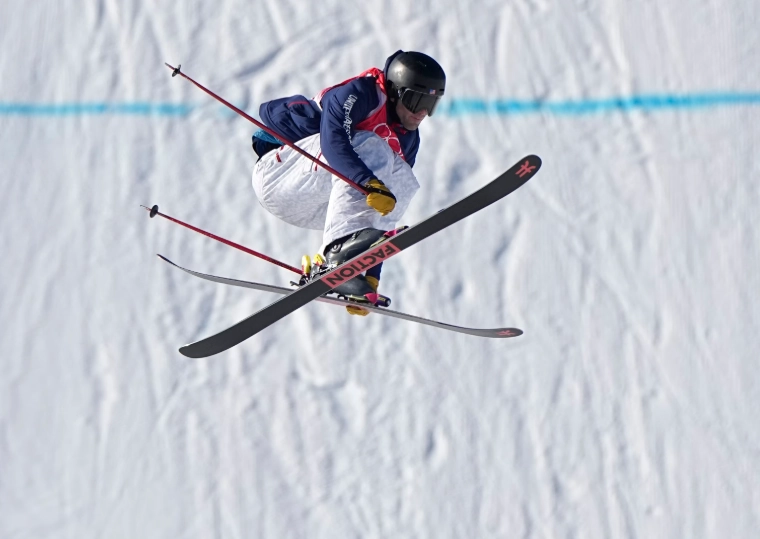
2. Cross-Country Skiing: The Engine Room
This is the endurance beast. If Alpine is a sprint, Cross-Country (or XC) is a marathon on skis. Athletes use two main techniques: Classical (a straight-ahead, striding motion in groomed tracks) and Freestyle (which looks like ice-skating and is generally faster). It's arguably the most physically demanding sport in the entire Winter Olympics. The lactic acid burn just watching it is real.
Events range from short, intense sprints (where they go all-out for just over 3 minutes) to the grueling 50km mass start for men and 30km for women, which is a war of attrition lasting over two hours. There are also team relays and pursuit races, where they switch from classical to freestyle technique mid-race. The strategy and pacing are fascinating. It's less about a single moment of brilliance and more about sustained, brutal power.
3. Ski Jumping: Defying Gravity
The most iconic image of winter sports? Possibly. Athletes fly off massive ramps (the large hill is about 140m, the normal hill about 106m). It's not just about distance; style and landing stability count for points too. The key is an aerodynamic V-shaped ski position they adopted in the 90s, which revolutionized the sport.
There are individual events on the normal and large hills, a team event on the large hill, and since 2014, a women's individual event. The tension as they wait at the top of the inrun, then the sheer silence of their flight... it's magical television. The new mixed team event is a fantastic addition, bringing a different dynamic.
4. Nordic Combined: The Ultimate Dual Challenge
This one is niche but utterly compelling. It's the only Winter Olympic sport without a women's event (though one is finally coming soon!). Athletes compete in one ski jumping round and then a cross-country race. The twist? Your jump score determines your starting position in the XC race. The winner of the jump starts first, and everyone else starts behind them based on a time handicap. The first person to cross the XC finish line wins the whole thing. It leads to incredible chase scenes. It answers the question: can a great jumper hold off a superior XC skier? The tactics are mind-bending.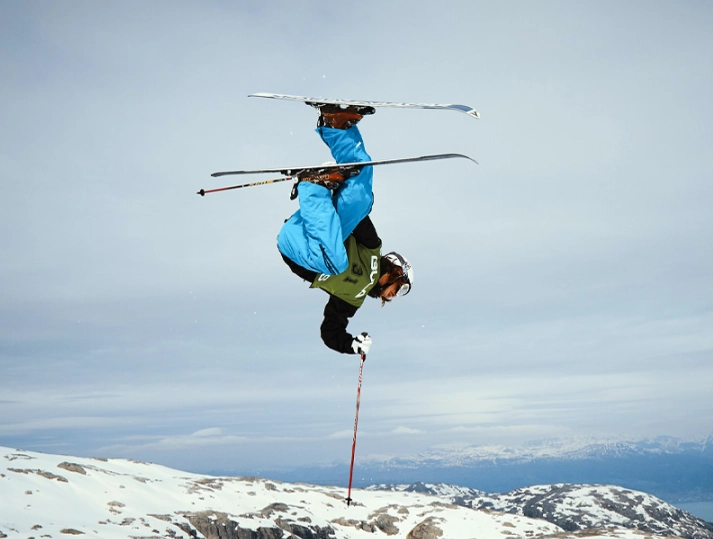
5. Freestyle Skiing: The Creative Playground
This is where skiing meets acrobatics and pure fun. It's a broad category with several very different events, all about performing tricks for judges.
- Moguls: Skiing down a steep slope of built-up bumps (moguls), with two mandatory jumps in the middle. It's a leg-burning test of absorption, turn precision, and aerial ability. The turns look easy until you try it—it's like running down a staircase sideways.
- Aerials: Skiers launch off huge kickers, perform multiple flips and twists, and aim for a perfect, telemark-style landing. It's like diving from a snowy platform. The height and complexity are terrifying.
- Slopestyle: My personal favorite to watch. Skiers navigate a course full of rails, boxes, and large jumps, linking together technical grinds and spectacular spins/grabs. Creativity and style are huge factors. It's the heart of modern ski culture.
- Halfpipe: Skiing in a giant, icy halfpipe, launching out to perform tricks above the lip. Amplitude (height) is crucial.
- Big Air: One massive jump, one massive trick. It's all about the most progressive, difficult single maneuver a skier can pull off.
- Ski Cross: The "roller derby" of skiing. 4-6 skiers race simultaneously down a winding, banked course full of jumps and rollers. It's pure, chaotic, head-to-head combat. Positioning and bravery are key. Crashes are common.
6. Snowboarding: The Culture Club
Yes, it's on a board, not two skis, but for the purposes of the Olympic program and FIS governance, it completes the family of types of skiing in the Olympics. The events mirror freestyle skiing in many ways: Slopestyle, Halfpipe, Big Air. But it has its own unique gems:
- Parallel Giant Slalom (PGS): Two snowboarders racing down parallel, identical giant slalom courses. It's a pure, head-to-head technical race.
- Snowboard Cross: The same insane, multi-rider race format as Ski Cross, but on a snowboard. Arguably even more unpredictable.
The style, the grabs, the culture—it's distinct. The clothing is baggier, the tricks have different names, and the whole atmosphere feels more relaxed, even at this elite level.
Common Questions About Olympic Skiing (The Stuff You Actually Want to Know)
What is the most dangerous type of Olympic skiing?
Statistically, Downhill (Alpine) probably takes the crown due to the extreme speeds. One small mistake can have massive consequences. However, Aerials (Freestyle) and Ski Jumping involve huge risks with complex maneuvers at height. Ski Cross/Snowboard Cross are dangerous for the high risk of multi-rider collisions. It's hard to pick one—they all demand immense courage.
Which Olympic skiing discipline is the hardest to get into?
From a pure accessibility standpoint, the Nordic sports (Ski Jumping, Nordic Combined) are incredibly tough. You need specialized, expensive infrastructure (the jumps themselves) that simply doesn't exist in most places. Alpine and Freestyle skiing are expensive due to equipment, lift tickets, and coaching, but the facilities (ski resorts) are more widespread. Cross-country is likely the most accessible from a grassroots, participation perspective—you can do it in a park or on a golf course with minimal gear.
Why is snowboarding included in the "skiing" category?
It's an organizational thing. The International Ski Federation (FIS) governs competitive skiing AND snowboarding for the Olympics. So when we talk about the Olympic skiing disciplines managed by FIS, snowboarding is part of that family. The IOC recognizes it as a separate sport, but for federation purposes, it's under the FIS umbrella. It's confusing, I know.
What's the difference between Slopestyle and Big Air?
Think of Slopestyle as a whole paragraph and Big Air as a single, exclamation-mark sentence! Slopestyle is about linking tricks on a varied course (rails and jumps), showcasing versatility and flow. Big Air is about doing the single most impressive, high-difficulty trick you can on one massive jump. Both reward amplitude and clean execution, but the storytelling is different.
Has the list of what types of skiing are in the Olympics changed much?
Yes, and it's still evolving. The core Nordic events have been there from day one. Alpine joined later. The real explosion has been in Freestyle and Snowboarding, with new events like Slopestyle, Big Air, and Mixed Team events being added almost every Games to keep the program fresh, youthful, and TV-friendly. The IOC and FIS are constantly evaluating. Don't be surprised if you see new variations or even entirely new disciplines (like Telemark skiing?) proposed in the future.
Beyond the Events: What Makes an Olympic Skier?
It's not just about knowing the events. It's about appreciating the athlete's journey. An Alpine downhiller has a completely different physique and training regimen from a Cross-Country skier. The downhiller is building explosive power and insane reaction times. The XC skier is a cardio machine with an engine that just won't quit. A slopestyle skier spends countless hours in the gym working on spatial awareness and in foam pits perfecting tricks before ever trying them on snow.
The equipment is hyper-specialized too. Downhill skis are long, stiff, and built for stability at speed. Slalom skis are short and quick to pivot. Cross-Country skis are light and narrow, with specific wax patterns for glide and grip. Ski jumping skis are... ridiculously long and wide, almost like wings. Getting the gear wrong means you have no chance.
Pro Tip for Watching: Listen to the commentators, but also use the graphics. They'll show the speed of Alpine racers, the distance and style points for ski jumpers, the trick names and degrees of rotation for freestyle events. A "1620" means four and a half full rotations (1620 degrees)—that's five full spins! Knowing that adds so much context.
Wrapping It Up: Your Newfound Appreciation
So, the next time someone asks you, "What types of skiing are in the Olympics?", you won't just say "a few." You can walk them through the six distinct families. You can explain the raw speed of Alpine, the endurance of Cross-Country, the flight of Ski Jumping, the dual challenge of Nordic Combined, the creativity of Freestyle, and the cool factor of Snowboarding.
Each discipline tells a different story about human potential—whether it's conquering fear, pushing physical limits, or expressing pure joy on snow. That's the real magic of the Olympic skiing program. It's not a monolith. It's a vibrant, evolving collection of sports that all share a simple, beautiful premise: sliding on snow, but taking it to the absolute outer limits of what's possible.
Now go watch some events. You'll see it all with new eyes. And who knows? Maybe you'll be inspired to try one yourself. Just maybe start with something a little tamer than the downhill course.
Related Articles
Comments
Join the discussion