Quick Guide
- Before You Even Look at Skis: The Three Questions You Must Answer
- Decoding Ski Types: What Does "All-Mountain" Even Mean?
- The Four Key Numbers on a Ski Spec Sheet (And What They Mean for You)
- The Beginner Ski Shortlist: A Few Models That Consistently Get It Right
- Bindings, Boots, and the Other Stuff You Can't Ignore
- The Final Step: New vs. Used, Packages, and Where to Buy
- Answers to the Questions You're Probably Too Shy to Ask (FAQ)
- Wrapping It Up: Your Action Plan
Let's be honest. Walking into a ski shop or scrolling through endless online listings for your first pair of skis is overwhelming. You're bombarded with terms like "rocker profile," "turn radius," and "sidecut." Salespeople might throw numbers at you. Online guides can feel like they're written for people who already know what they're doing.
I remember my first time. I stood in the rental shop, utterly confused. I just nodded along, hoping the guy behind the counter knew what was best. Sometimes he did, sometimes... well, let's just say I've skied on some real clunkers that made learning harder than it needed to be.
So, let's cut through the noise. This isn't a technical manual. It's a straightforward chat about how do I choose the right skis for the first time. We'll skip the jargon where we can and focus on what actually matters for a beginner. The goal is to get you on gear that makes learning fun, not frustrating.
Before You Even Look at Skis: The Three Questions You Must Answer
You can't figure out how to choose the right skis for the first time if you don't know what you need them for. It's like buying a car without knowing if you need a truck or a compact.
Ask yourself these questions first. Seriously, write the answers down.
Where will you ski the most? This is the big one. The groomed, manicured runs at a resort in Colorado? The icy slopes of the East Coast? Mainly sticking to the beginner green circles, or dreaming of venturing onto blue runs soon? The typical snow conditions and terrain dictate everything.
What's your skiing style (or desired style)? Are you cautious, preferring slow, controlled turns? Or are you a bit more adventurous, wanting to build speed and carve? Be realistic about your current ability and your goals for the next season or two.
What are you, physically? Your height and weight are critical numbers for choosing ski length. Your boot size matters for ski width. Don't guess these.
Got your answers? Good. Now the ski stuff starts to make more sense.
Decoding Ski Types: What Does "All-Mountain" Even Mean?
This is the first filter. Skis are broadly categorized by where and how they're designed to be used. For a first-time buyer, you're almost certainly in the market for one of two types.
All-Mountain Skis: The Safe, Smart Choice for Most
These are the SUVs of the ski world. They're designed to do a bit of everything reasonably well. They'll handle groomed runs, a bit of soft snow on the side, and are forgiving when your technique isn't perfect. For 90% of beginners, an all-mountain ski is the correct answer to how do I choose the right skis for the first time.
They're stable, easy to turn, and won't punish every little mistake. Brands design specific "all-mountain beginner" or "intermediate" models that are softer and more forgiving. Look for those keywords.
Freestyle/Park Skis: Only If You Know Your Destiny
These are twin-tipped (curved up at both ends) for skiing backwards and landing jumps. They're softer and more playful. If your sole ambition is to hit the terrain park and learn tricks, maybe consider these. But I'd argue most true beginners should start with all-mountain skis. You can always switch later.
What about powder skis, big mountain skis, racing skis? Forget them. They're for specialists and will actively make learning harder.
So, rule #1: Start your search with All-Mountain skis.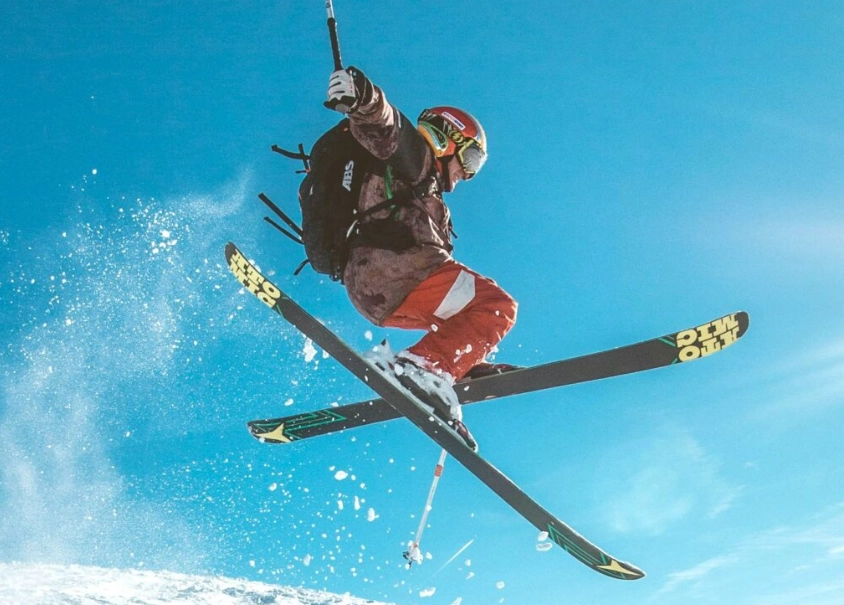
The Four Key Numbers on a Ski Spec Sheet (And What They Mean for You)
Now we get into the specifics. When you look at a ski's description, you'll see four key measurements. Let's demystify them.
1. Ski Length: The Goldilocks Principle
Too long, and they're unwieldy and hard to turn. Too short, and they're unstable and chattery at speed. You want them just right.
The old rule of thumb was "somewhere between your chin and the top of your head." That's not terrible, but it's vague. A better modern approach considers your weight and skiing style.
- For a cautious beginner: Look for skis that are at your chin height or slightly shorter. Shorter skis are easier to pivot and control.
- For a more aggressive or heavier beginner: You can go closer to your nose or even eyebrow height. The extra length provides more stability as you start to go faster.
Most major ski manufacturers have online sizing tools. Use them! Input your height, weight, and ability level, and they'll suggest a range. The Skis.com sizing guide or the tools on brand sites like Rossignol or Salomon are great places to start. Cross-reference a couple.
2. Ski Width (The Waist Measurement)
This is the width of the ski under your boot, measured in millimeters. It's a huge deal for how the ski feels.
- Narrow (70-85mm): Excellent on hard, groomed snow. They're quick from edge to edge, making turning feel crisp and easy. This is a classic, often overlooked choice for East Coast or European beginners.
- Mid-Width (85-100mm): The sweet spot for most first-time buyers, especially in the Western US. They offer a great blend of groomed-run performance and the ability to handle a bit of soft or chopped-up snow you'll encounter on common resort runs.
- Wide (100mm+): Designed for deep powder. As a beginner, you likely won't be seeking out deep powder, and a wide ski will feel sluggish and hard to tilt onto its edge on packed snow. I'd avoid these for your first pair.
My advice? If you ski mostly on groomers, lean narrow. If you see yourself on a variety of resort conditions, go mid-width. This decision is a core part of choosing the right skis for the first time.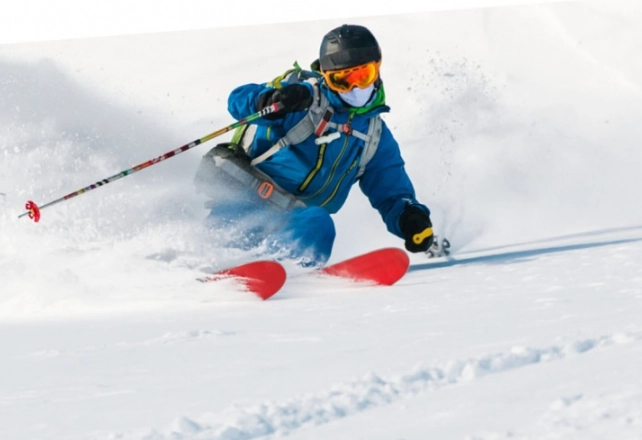
3. Turn Radius: The Ski's Natural Circle
This number, in meters, tells you how tight a turn the ski *wants* to make when you put it on edge. A lower number (e.g., 12m) means a short, quick-turn ski. A higher number (e.g., 18m) means a longer, more drawn-out turn.
For beginners, a medium turn radius (somewhere in the 14-17m range) is ideal. It's versatile and forgiving. Skis with a very short radius can feel "hooky" or twitchy, while very long-radius skis require more commitment to finish a turn.
Don't obsess over this number, but glance at it. It explains a lot about the ski's personality.
4. Flex: How Stiff Is It?
Flex isn't always a published number, but it's described with words like "soft," "medium," or "forgiving."
You want a soft to medium-soft flex. Period. Softer skis are more forgiving when you're not perfectly balanced. They're easier to bend into a turn, which requires less force and technique. A stiff, demanding ski will fight you, and that's the last thing you need.
When reading reviews or descriptions, prioritize skis that consistently get tagged as "forgiving," "easygoing," or "great for beginners."
The Beginner Ski Shortlist: A Few Models That Consistently Get It Right
Talk is cheap. Let's look at some actual skis that are perennial favorites for first-time buyers. This isn't an exhaustive list, but these models have reputations for being friendly and effective learning tools.
| Ski Model | Best For | Why It's a Good First Ski | Typical Waist Width |
|---|---|---|---|
| Rossignol Experience 76 | The classic beginner. Loves groomed runs. | Extremely easy to turn, light, and predictable. It's like the training wheels of skis—in a good way. | 76mm |
| Elan Wingman 78 CTi | Beginners who want a more modern, surfy feel. | Uses Elan's "Amphibio" technology to make initiating turns almost effortless. Feels very stable. | 78mm |
| K2 Mindbender 85C | Beginners in the West or who want one ski for mixed conditions. | >A bit wider for soft snow, but still has a gentle personality. A great "one-quiver" starter ski.85mm | |
| Volkl Blaze 86 | The slightly more adventurous or athletic beginner. | A touch more performance-oriented but still very accessible. For someone who progresses quickly. | 86mm |
| Salomon QST 92 | Beginners in deep-snow areas who prioritize float. | On the wider end for a beginner ski, but known for being remarkably easy and fun to ski. | 92mm |
Remember, the best ski for you depends on your answers to those first three questions. A ski shop can let you demo some of these, which is the absolute best way to know.
Bindings, Boots, and the Other Stuff You Can't Ignore
Skis are useless without the right bindings and, most importantly, the right boots. People spend $800 on skis and then cripple themselves in $200 boots. Don't be that person.
Ski Boots: The Most Important Piece of Gear
Your boots transmit every command to your skis. A poorly fitting boot means you're fighting for control.
Go to a professional boot fitter. Not a general sports store. A ski shop with a dedicated boot-fitting bench. They will measure your foot's length, width, and volume. A good fit should be snug—not painful, but with no room for your foot to slide around. Your toes should just brush the front when you stand up straight, then pull back slightly when you flex into a skiing stance.
Boot flex is like ski flex. Beginners need a soft flex (often 70-90). It allows for forward movement without requiring Herculean strength.
The Ski Monster Boot Fitting Guide is an excellent resource to understand the process before you walk into a shop.
Bindings: The Safety Guardians
You rarely buy bindings separately anymore. Most skis come as a "system" or "package" with integrated bindings, or the shop will mount them for you.
The critical thing is that the bindings are adjusted (or "set") specifically for your boot sole length and your weight/ability level (your "DIN" setting). This is non-negotiable. A binding set too high won't release in a fall, leading to injury. Set too low, and they'll pop open when you don't want them to. Let a qualified shop technician do this.
Major binding brands like Marker, Look, and Tyrolia are all reliable. The shop will recommend a model appropriate for your skis and ability.
The Final Step: New vs. Used, Packages, and Where to Buy
You're armed with knowledge. Now, where do you actually get the gear?
New Ski Packages: Many shops and online retailers sell "ski packages" that include skis, bindings (already mounted), and sometimes poles. This can be a cost-effective and hassle-free way for a first-time buyer. Ensure the components match what you've learned—don't just buy the cheapest package if the skis are too stiff or too long.
Buying Used: Can be a great way to save money, but be careful. Inspect the skis for major base damage or deep core shots. Check that the edges aren't completely rusted. Most importantly, ensure the bindings are not indemnified. This is a manufacturer's list of bindings too old to be safely adjusted. No reputable shop will touch them. If the bindings are more than 10-15 years old, walk away.
Demo Skis: My top recommendation. Many shops sell their previous season's rental/demo fleet. These skis are professionally maintained, have modern bindings, and are sold at a significant discount. You're getting a high-quality, recent-model ski for less. It's a fantastic secret for first-time buyers.
When figuring out how do I choose the right skis for the first time, the "where" is almost as important as the "what." A good local shop provides expertise, fitting services, and often support after the sale.
Answers to the Questions You're Probably Too Shy to Ask (FAQ)
Should I just rent until I'm better?
Renting is a perfectly valid strategy, especially for your first few trips. But if you plan to ski more than 5-7 days a season, owning gear that fits you perfectly starts to make financial and performance sense. Consistent gear helps you learn faster.
How much should I spend on my first skis?
For a complete setup (skis, bindings, boots, poles), a realistic entry point for new, quality gear is $800-$1200. You can spend less with used/demo gear or sales, and you can certainly spend more. Don't cheap out on the boots.
Can I buy skis online?
You can, especially if you know your exact size and model. But for a first-timer, the value of in-person advice, boot fitting, and binding mounting is immense. If you buy online, factor in the cost of taking everything to a shop for mounting and fitting.
What about ski poles?
Almost an afterthought. Hold a pole upside down, grip it under the basket. Your forearm should be parallel to the floor. That's the right length. Aluminum poles are cheap and durable.
How long will these skis last me?
A good pair of beginner/intermediate skis can last you many seasons. You might outgrow their performance before they wear out physically. It's common to move on to a more advanced ski after 2-4 seasons of steady skiing.
Wrapping It Up: Your Action Plan
Let's make this simple. Here is your step-by-step plan for solving the how to choose the right skis for the first time puzzle.
- Answer the Three Questions: Terrain, style, body stats.
- Focus Your Search: Look for "All-Mountain" skis with "forgiving" or "beginner" labels.
- Nail the Specs: Use sizing tools for length (chin to nose), choose waist width (85-100mm for most), look for soft flex.
- Prioritize Boots: Visit a professional boot fitter. This is your #1 investment in performance and comfort.
- Consider the Source: Look at new packages, demo sales, or carefully vetted used gear from a reputable source.
- Get it Set Up: Have bindings mounted and adjusted by a shop technician for your specific boots and DIN.
The process doesn't have to be scary. Think of it as finding a tool that matches the job. Your job is learning, having fun, and not fighting your equipment. With the right pair of skis under your feet, you'll spend less time worrying about your gear and more time enjoying the incredible feeling of sliding on snow. That's the whole point, isn't it?
Now go get 'em. The mountains are waiting.
Related Articles

Comments
Join the discussion