Quick Navigation
Let's be honest, the world of cross country skiing can feel a bit overwhelming when you're starting out. You hear terms like "classic," "skate," and "backcountry" thrown around, and all the gear looks... kind of similar, but also totally different. Which type is for you? Is one easier than the other? Do you need completely different equipment? I remember staring at trail maps and gear shop walls, utterly confused.
Well, after more winters on skis than I care to admit (and plenty of hilarious wipeouts along the learning curve), I've broken it all down. The core cross country skiing types really boil down to three main styles, each with its own personality, purpose, and gear requirements. Understanding these differences is the single most important step before you spend a dime on equipment or set foot on a trail.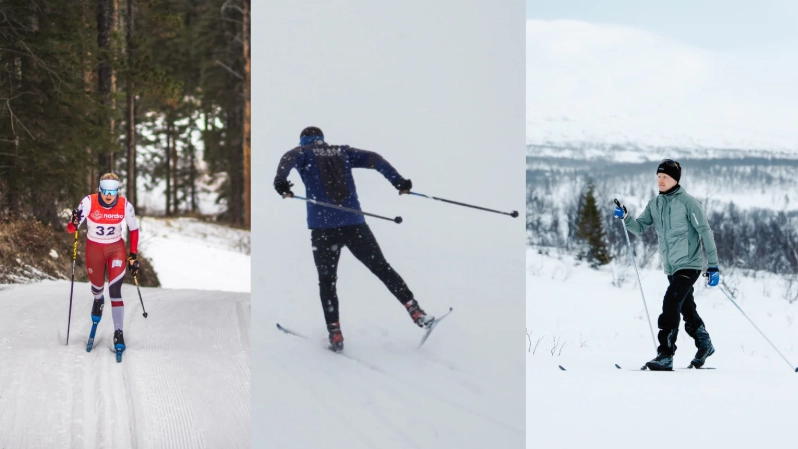
Quick Take: Think of the three primary types of cross country skiing like this: Classic is the traditional, straight-ahead walking/running motion. Skate Skiing looks more like ice skating or rollerblading, with a V-shaped stride. Backcountry (or Touring) is for leaving the groomed trails behind and exploring wild, ungroomed snow.
The Big Three: Breaking Down Each Cross Country Skiing Style
We'll dive deep into each one. Forget the marketing jargon—let's talk about what it actually feels like, what you need for it, and who it's best for.
Classic Cross Country Skiing: The Foundation
This is the image that probably pops into your head first. The "kick and glide" motion, one ski in front of the other, following parallel tracks set into the snow. It's the original form of the sport, and for good reason—it's incredibly efficient and can feel very natural once you get the rhythm.
The mechanics are straightforward: you kick down with one ski to get grip (the "kick"), and glide forward on the other. Your skis stay mostly parallel. It's used on prepared trails with those two iconic grooves, called "tracks." The gear for classic skiing is designed specifically for this forward-and-back motion.
Who's it for? Honestly, almost everyone. It's the universal starting point for beginners because the basic motion is intuitive. But don't mistake it for being "easy" or only for newbies. World-class athletes compete in classic technique, and on challenging terrain or for long distances, it demands serious fitness and skill. It's a fantastic full-body, low-impact workout. If your goal is peaceful forest trails, cardio exercise, or just learning the ropes, classic is your friend.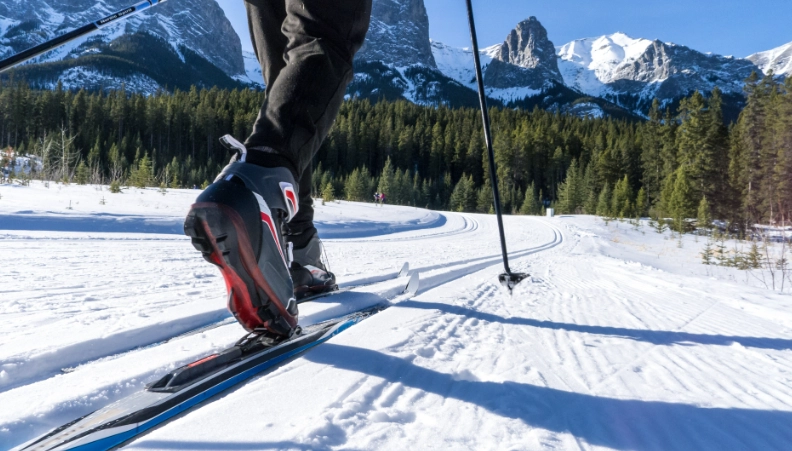
Skate Skiing: The Speed Demon
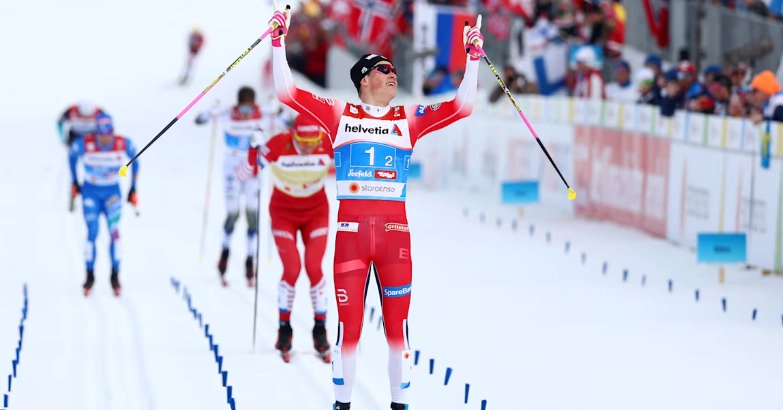
If classic skiing is like running, skate skiing is like ice skating on snow. Developed in the 1980s, it's the newer, faster cousin. Instead of moving your skis parallel, you push them out to the sides at an angle, forming a V-shape, and glide on the inside edges. You need a wide, smooth, groomed trail surface called a "skate lane"—no tracks here.
The motion is more dynamic and athletic. It engages your core and lateral muscles way more than classic skiing. The learning curve can feel steeper. The first time you try, you might feel like a newborn deer on a frozen pond. But once it clicks, the feeling of speed and power is incredible. You cover ground much faster than in classic style.
Who's it for? People looking for a high-intensity, fast-paced workout. It's popular with cyclists, runners, and other endurance athletes for off-season training. It requires better balance and initial coordination. If you get bored easily and crave speed and a serious sweat, look into the skate skiing type of cross country skiing. The gear is different too—shorter, stiffer skis, and poles that are longer than those used for classic.
Here’s a quick comparison to make the distinction crystal clear:
| Feature | Classic Skiing | Skate Skiing |
|---|---|---|
| Primary Motion | Straight-ahead "kick and glide," skis parallel. | Lateral "V-step" push, like ice skating. |
| Trail Needed | Groomed with two parallel tracks (set tracks). | Wide, smooth, groomed corduroy surface (skate lane). |
| Speed & Intensity | Generally slower pace, steady aerobic workout. | Higher speed potential, high-intensity workout. |
| Learning Curve | Easier to learn the basics, harder to master efficiency. | Steeper initial learning curve for balance/coordination. |
| Best For | Beginners, scenic touring, long-distance endurance. | Fitness enthusiasts, athletes, those seeking speed. |
Backcountry / Touring Skiing: The Adventure Seeker
This is where we leave the manicured trails and ski resorts behind. Backcountry cross country skiing, often called ski touring or Nordic touring, is about exploration and self-sufficiency in natural, un-groomed snow. Think rolling hills in a state park, forest service roads, or mountain meadows after a fresh dump.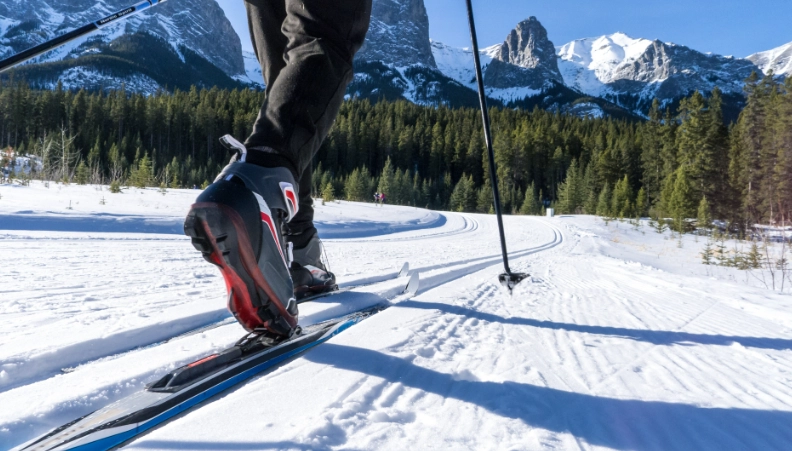
The gear is built for variable conditions and terrain. Skis are wider for floatation in deep snow, boots are sturdier and often resemble lightweight hiking boots, and bindings allow your heel to lift freely for climbing hills. The most critical feature? Many backcountry skis have metal edges, like alpine skis, which give you control and braking power on steeper or icier slopes. This is a key difference from most classic and skate skis.
Technique is a hybrid. On flat or gentle terrain, you might use a classic-style diagonal stride. On climbs, you "herringbone" (point your ski tips out) or use climbing skins for traction. On descents, you use snowplow or telemark turns. It's the most versatile and adventurous of the cross country skiing types.
Heads up: Backcountry skiing requires more knowledge and preparation. You need to understand basic avalanche safety if you're in avalanche terrain, know how to read a map, and be prepared for self-rescue. Always check conditions and tell someone your plans. The freedom is amazing, but it comes with responsibility.
Who's it for? Hikers and snowshoers who want to go farther and faster on snow. People who want solitude and untouched landscapes. It's less about speed and loops, and more about the journey and destination. If the idea of a groomed track feels constraining, backcountry is your calling.
How to Choose Your Cross Country Skiing Type: A Practical Checklist
Okay, so you know the three main players. How do you pick? Don't just go with what a friend does. Ask yourself these questions:
- Where will you ski most? Is there a groomed trail system nearby with both tracks and a skate lane? Or are you surrounded by forest service roads and open fields? Your local terrain dictates your options. No skate lane? Don't get skate skis.
- What's your fitness and experience level? A complete beginner might find more instant success with classic. A very fit runner or cyclist might enjoy the athletic challenge of skate from the start.
- What's your goal? Peaceful nature time and moderate exercise? Classic or backcountry. Maximum cardio burn and speed? Skate. Wilderness exploration? Definitely backcountry.
- What's your budget? This is real. Skate gear and performance classic gear can be pricey. Basic classic touring packages or backcountry setups can vary widely. Often, the best way to try is to rent a few times first.
Pro Tip: You are not locked into one type forever! Many skiers do both classic and skate (they're called "combi" boots and bindings, and some skis can work for both). I started with classic, got hooked, then added skate skiing a few seasons later for variety. Your interests can evolve.
The Gear Lowdown: It's More Than Just Skis
This is where the types of cross country skiing truly diverge. Getting the wrong gear for your chosen style is a guaranteed path to frustration.
Skis: The Foundation
Classic Skis: Have a "grip zone" in the middle (either with a fishscale pattern or a section for kick wax) and curved-up tips and tails. They are designed to grip when you kick and glide when you shift your weight. Skate Skis: Shorter, stiffer, and have no grip zone—the entire base is smooth for gliding. They are built for power transfer during the lateral push. Backcountry Skis: Wider (often 60-80mm underfoot), heavier, and most have metal edges. They prioritize stability and flotation in soft snow over speed on groomed trails.
Boots and Bindings: The Connection
This is a system. Boots and bindings must match (e.g., NNN, SNS, Prolink). Classic boots are flexible at the ball of the foot for the kick motion. Skate boots are stiffer, higher-cut for ankle support. Backcountry boots are the burliest, often with a rugged sole and robust ankle support. You can't use a classic boot for skating effectively, or vice-versa.
Poles: Your Engines
Pole length is critical and differs by style. A rough guide: For classic, poles should reach your armpit. For skate, they should reach between your chin and mouth. Longer poles give skate skiers more powerful leverage. Backcountry poles are often adjustable and sturdier.
Answering Your Burning Questions (FAQ)
Which cross country skiing type is best for beginners?
Overwhelmingly, Classic. The basic motion is easier to grasp, and you can have fun and get a workout on your very first day. Groomed tracks provide stability and guide your skis. Start here, build confidence, and then explore other styles.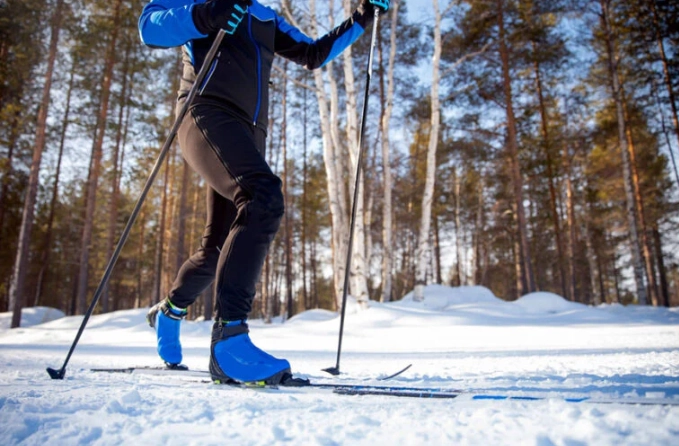
Which type burns the most calories?
Skate skiing typically tops the calorie-burn charts. It engages more muscle groups (especially the core and inner/outer thighs) and is done at a higher intensity. But a vigorous classic ski or a hilly backcountry tour can absolutely torch calories too. Don't get hung up on max burn—the best workout is the one you'll actually do and enjoy.
Can I use the same skis for classic and skate skiing?
No. They are fundamentally different tools for different jobs. Using classic skis for skating would be slow and frustrating. Using skate skis in a classic track is impossible (no grip) and damages the tracks. Some "combi" or "recreational" skis exist, but they are a compromise and don't excel at either discipline. It's like using a mountain bike on a road race—it works, but poorly.
Is backcountry skiing dangerous?
It has more inherent risk than skiing on a groomed, patrolled trail system. The main added risk in mountainous terrain is avalanches. However, many people enjoy backcountry skiing on gentle, forested, or non-avalanche terrain. The key is education. Take an avalanche safety course (like those from the American Institute for Avalanche Research and Education (AIARE)), carry the right gear (beacon, probe, shovel), never go alone, and always check the forecast from your local avalanche center.
Do I need special clothing?
Yes and no. You don't need a fancy suit, but you need to think in layers. You will get hot, even on cold days. Avoid cotton—it gets wet and stays wet. A moisture-wicking base layer, an insulating mid-layer (like fleece), and a wind/water-resistant shell jacket and pants are perfect. Don't forget a hat, gloves, and sunglasses or goggles. For skate skiing, you might want more athletic, form-fitting layers to reduce drag.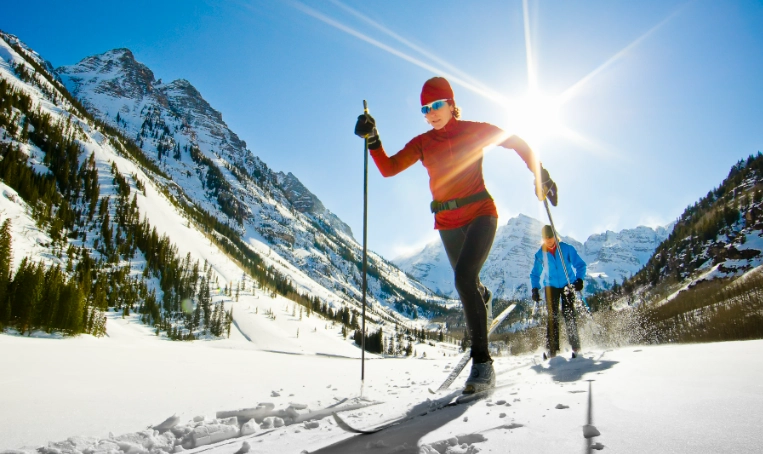
My Personal Take and Final Advice
Look, I love all three cross country skiing types for different reasons. Classic is my meditation, skate is my adrenaline, and backcountry is my adventure. But if I had to push someone towards one to start, it's classic on a beautiful, sunny day on a well-groomed trail. The feeling of gliding silently through a snow-covered forest is pure magic and hooks people for life.
The worst thing you can do is buy gear for the wrong type because it was on sale or a friend recommended it without knowing your goals. Rent first. Many trail centers offer demo packages. Try classic one weekend, see if you can demo some skate skis another time. Feel the difference in your body.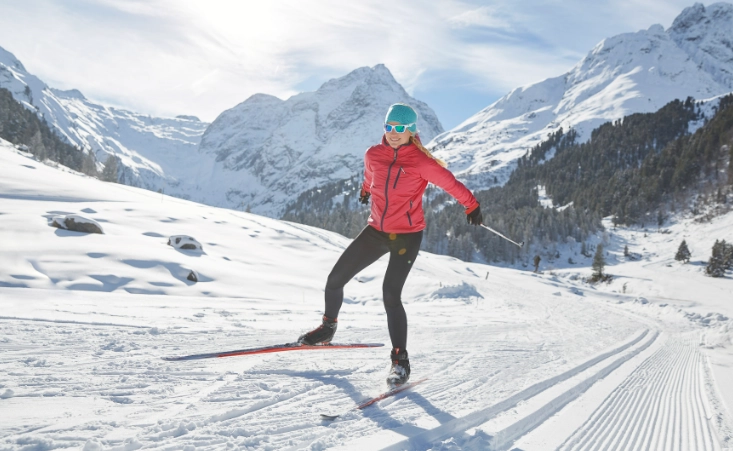
Ultimately, the "best" type of cross country skiing is the one that gets you out the door and brings you joy on the snow. Whether that's following a track, flying on a skate lane, or breaking trail in fresh powder, you're winning. The snow is waiting.
For more detailed technical information on techniques and equipment standards, the International Ski Federation (FIS) Cross-Country page is the global governing body's resource, and sites like XC Ski.org offer fantastic grassroots advice and community insights.
Related Articles


Comments
Join the discussion