Quick Guide
Let's be honest. Walking into a ski shop or browsing online for a new pair of skis can feel like trying to read a foreign language. All-mountain, carving, freeride, powder, frontside, freestyle... the list goes on. What do these terms even mean, and more importantly, which of these types of alpine skis is right for YOU? I remember my first time buying skis without help. I ended up with a pair of stiff racing skis because they "looked fast." Bad idea. I spent the whole season wrestling with them on gentle slopes, feeling every bump like a jackhammer. Not fun.
This guide is here to cut through the marketing jargon and technical specs. We're going to break down the main types of alpine skis in plain English, talk about who each one is for, and I'll even throw in some personal opinions (and a few gripes) about current trends. By the end, you'll have a crystal-clear idea of what to look for. No more guesswork.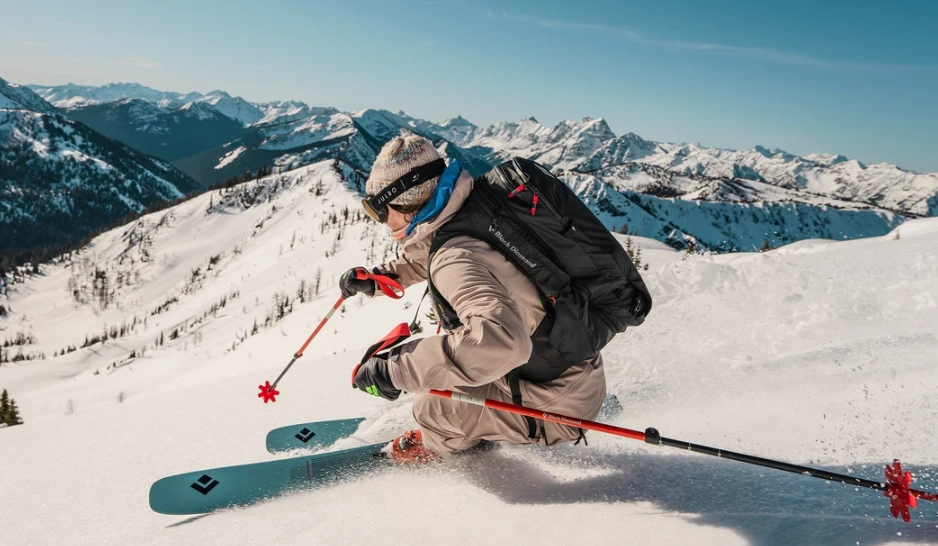
The Core Idea: Modern skis are highly specialized tools. There is no single "best" ski. The best ski is the one that matches your most common skiing conditions, your skill level, and the type of turns you love to make. Choosing the wrong category is the #1 mistake beginners and intermediates make.
Before We Dive In: Three Terms You Gotta Understand
To make sense of the different types of alpine skis, you need to get comfortable with three key measurements. Don't worry, it's simple.
- Waist Width: This is the width of the ski under your boot, measured in millimeters (mm). It's the single most telling number. Narrow waists (65-80mm) are for hard, groomed snow. Wide waists (100mm+) are for deep powder. Everything in between is a compromise for various conditions.
- Sidecut / Turn Radius: This is the ski's "hourglass" shape. A deep sidecut (a big difference between tip, waist, and tail width) makes the ski want to turn sharply and easily. It's often described by its "turn radius" in meters. A short radius (e.g., 12m) means quick, snappy turns. A long radius (e.g., 20m+) means long, sweeping GS turns.
- Stiffness/Flex: How much the ski bends. Stiff skis are powerful, stable at speed, and demand good technique. Soft skis are forgiving, easy to pivot, and great for learning or playful skiing.
Got it? Good. Now let's get into the real meat.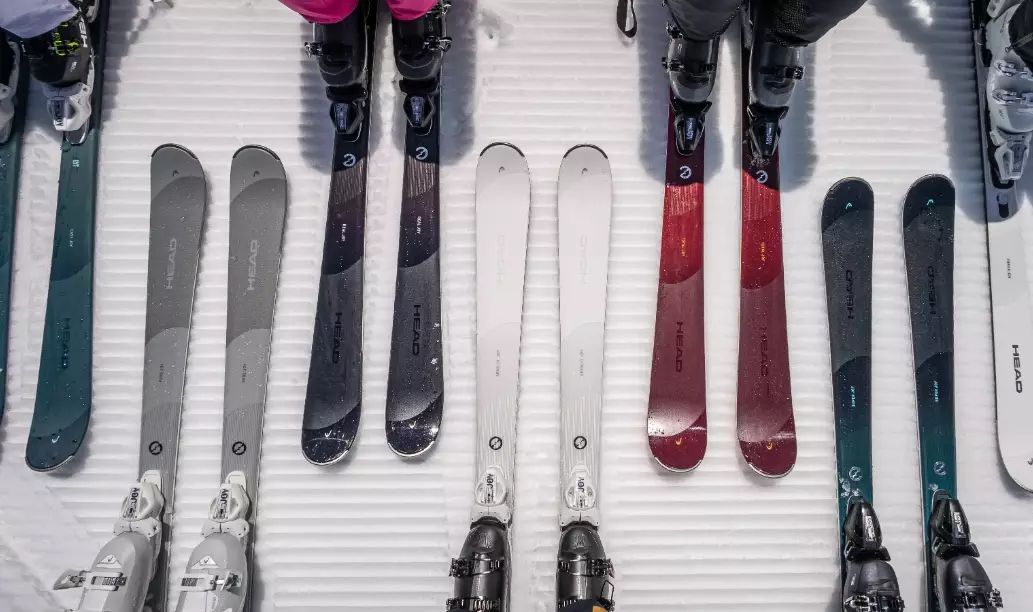
The Four Main Families of Alpine Skis
While brands love to invent new sub-categories every year, almost every alpine ski on the market fits into one of these four families. Think of this as the ski universe's primary colors.
1. The All-Mountain Ski: The Do-It-All Compromise
This is the Swiss Army knife of the ski world. It's designed to be "good enough" in most conditions you'll encounter on a typical resort day—groomed runs, a bit of chopped-up snow, maybe some leftover powder on the side. If you own only one pair of skis, this is likely it.
Waist widths typically range from 80mm to 100mm. The sidecut is moderate, offering a blend of stability and maneuverability. The flex is usually medium—not too demanding, not too floppy.
My daily driver is an all-mountain ski around 92mm underfoot. I can confidently take it anywhere on the mountain on a 6-inch powder day or a firm corduroy morning. But here's the honest truth: it's a master of none. In true deep powder, I'd rather have a dedicated powder ski. On an icy, hard-packed day, I'd rather have a carving ski. But for 80% of my ski days? It's perfect. It's the ski I recommend to most advancing intermediates.
Who it's for: The advancing intermediate skier who skis a bit of everything. The one-ski-quiver person. The skier who isn't sure what they need yet (start here!).
Who it's NOT for: The hardcore speed demon who lives on groomers, or the deep powder specialist who only chases storms.
2. The Carving Ski (Frontside / Race Ski): The Groomer Specialist
These are the Ferraris of the paved highway. They are built for one thing and one thing brilliantly: gripping and ripping on groomed, firm snow. If you love the feeling of laying your ski over on its edge and feeling it rocket you out of a turn, this is your category.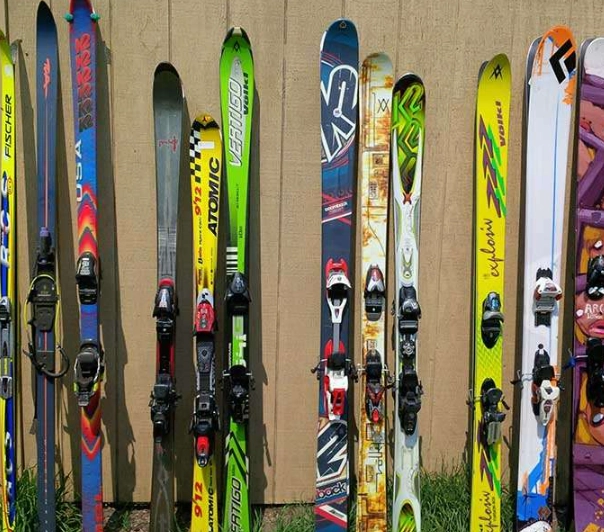
They have narrow waists (65mm-80mm) for maximum edge-to-snow contact. They have deep, aggressive sidecuts for incredibly quick and powerful edge engagement. They are often quite stiff, especially underfoot.
A word of caution: The marketing around carving skis can be misleading. Many are labeled "all-mountain" but are really frontside carvers. I see a lot of intermediate skiers buy these because they're stable at speed, but then struggle mightily the moment they venture off the perfectly groomed run or hit softer snow. They can feel like planks.
Who it's for: Skiers who spend 90%+ of their time on groomed trails. Lovers of high-speed carving, former racers, and those who ski primarily in the East or Europe where conditions are often firmer.
Who it's NOT for: Anyone who likes to explore the whole mountain, ski in trees, or frequently encounters soft or variable snow.
3. The Powder / Freeride / Big Mountain Ski: The Off-Piste Explorer
When the snow gets deep, these skis come alive. Designed primarily for soft snow, crud, and off-piste adventures, they prioritize floatation and stability in challenging conditions.
The key feature is a wide waist, usually starting at 100mm and going up to 120mm or more for true powder boards. They often have "rocker"—an upward curve in the tip and tail—which helps them plane on top of snow instead of diving into it. The flex pattern can vary, but they need to be stable when charging through variable snow.
Let's look at how they compare to the other types of alpine skis in a key area:
| Ski Type | Typical Waist Width | Primary Terrain | Key Feeling | Compromise on Groomers |
|---|---|---|---|---|
| Carving Ski | 65-80 mm | Groomed Runs | Precise, Grip, Power | Poor in soft/deep snow |
| All-Mountain Ski | 80-100 mm | Mixed Conditions | Versatile, Forgiving | Jack of all trades, master of none |
| Powder Ski | 100-120+ mm | Powder, Off-Piste | Floaty, Surf-like | Can feel sluggish and hard to edge on hardpack |
Who it's for: The skier who lives for powder days, loves exploring bowls and trees, and skis in regions with frequent deep snow (think Utah, Japan, the Canadian Rockies).
Who it's NOT for: Skiers who rarely see deep snow or who prioritize performance on firm snow. These can be exhausting to ski on a week of hardpack.
4. The Freestyle / Park & Pipe Ski: The Playground Specialists
Built for the terrain park, halfpipe, and general playful antics. Durability and maneuverability are king here.
They are typically "twin-tips," meaning they have an upturned tail to facilitate skiing backwards (switch). They have a centered mounting point to make spins balanced. The flex is often softer and more even from tip to tail for buttery presses and easy landings. Waist widths have crept up, but many park skis sit in the 85-100mm range to handle all-mountain play as well.
Pro Tip: Don't think freestyle skis are just for teenagers in the park. A softer, twin-tip all-mountain ski can be an incredibly fun and forgiving tool for an intermediate who wants to learn to ski switch, play in side hits, and have a more relaxed, surfy feel everywhere. They're often more forgiving than people think.
Who it's for: Terrain park enthusiasts, skiers who love jumps and spins, and anyone looking for a playful, forgiving, and easy-to-pivot ski.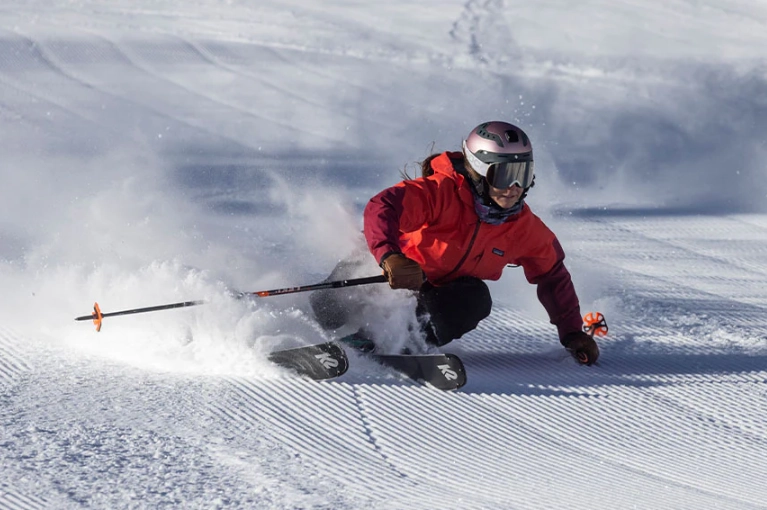
Who it's NOT for: Skiers seeking maximum stability at very high speeds or precise, locked-in carving performance.
The "What's My Ski Style?" Quick Quiz
Find Your Match in 60 Seconds
1. Your perfect day is...
A) Carving high-speed arcs on empty, groomed corduroy.
B) A bit of everything—some groomers, some bumps, maybe a little fresh snow in the trees.
C) Knee-deep fresh powder, all day long.
D) Hitting the terrain park, practicing tricks, and playing on side hits.
2. When you see chopped-up, bumpy snow, you...
A) Avoid it and stick to the smooth stuff.
B) Pick your way through it carefully.
C) Charge through it, using the ski's stability to plow through.
D) Look for a lip to jump off of it.
3. Your current skill level is best described as...
A) Advanced/Expert. I'm confident and aggressive.
B) Intermediate to Advanced. I can get down most runs but am still refining.
C) Intermediate to Expert, but only if the snow is soft!
D) I value fun and playfulness over pure technical precision.
Mostly A's: You're a Carving Ski person. Look for waists under 85mm.
Mostly B's: You're the classic All-Mountain Ski candidate. 85-100mm is your sweet spot.
Mostly C's: You need a Powder/Freeride Ski. Start at 100mm and go up.
Mostly D's: A Freestyle Ski (likely twin-tip) will bring you the most joy.
Answering Your Burning Questions (FAQ)
I get a ton of questions from friends and readers. Here are the most common ones, answered bluntly.
A: Probably none of the above. Yet. Seriously, your first ski should be a soft, forgiving, easy-to-turn ski, often sold as a "beginner" or "intermediate" specific model. They are usually narrower all-mountain skis. Don't buy an expert-level ski to "grow into." It will hinder your progress. Rent or buy a gentle ski, master the basics, then use this guide. The Professional Ski Instructors of America (PSIA) has great resources on foundational skills that apply regardless of gear.
Very. But the old "chin to nose" rule is outdated. It depends entirely on the ski type and your style. A carving ski is often skied shorter (somewhere between the chin and forehead). A powder ski is often skied longer (forehead to a few cm above your head) for more float. A freestyle ski might be skied shorter for maneuverability. Always check the manufacturer's recommended height/weight chart for each specific model. It's the most accurate guide.
For most recreational skiers, yes. A modern all-mountain ski in the 90-100mm range is shockingly capable. But "do it all" means making compromises. It won't carve like a race ski or float like a 115mm powder board. If your skiing is diverse but not extreme in any one direction, one ski is not only possible, it's recommended.
This is the ski's profile when laid flat. Camber is the traditional slight arch in the middle. It provides pop, edge hold, and power. Rocker (or reverse camber) is an upward curve at the tip and/or tail. It improves float in powder and makes initiating turns easier. Most modern skis use a hybrid: rocker in the tip, camber underfoot, and sometimes rocker in the tail. This blend offers the best of both worlds for most of the types of alpine skis we've discussed.
A Few More Things to Consider Before You Swipe That Card
Alright, you're almost an expert on the types of alpine skis. Let's lock it down with some final, practical advice.
The biggest upgrade I ever made wasn't a new ski model—it was getting my boots professionally fitted by a master bootfitter. A perfect boot makes any ski perform better. A bad boot makes the best ski in the world feel awful. Spend your time and money there first.
Demo, Demo, Demo. If possible, rent different skis for a day before you buy. Most resorts and good shops have demo programs. There's no substitute for feeling how a 80mm-waist carver differs from a 98mm all-mountain ski on your home mountain.
Read the Reviews, But Know the Reviewer. Is the reviewer a former racer testing on icy Vermont hardpack, or a freerider testing in Utah powder? Their perfect ski could be your nightmare. Context is everything.
Think About Your Local Hill. If you ski mostly in the Midwest or East Coast of the US where snow is often man-made and hard, leaning towards a carving or narrower all-mountain ski makes sense. If you're in the Rockies or the Pacific Northwest, a wider all-mountain or powder ski might be a better default.
The Final Run: Trust Your Gut
We've covered a lot of ground. You now know the four primary families of skis, what the numbers mean, and who each type is for. The world of types of alpine skis is less confusing when you know the language.
Remember, skiing is about fun. While technical specs are important, the best ski is the one that puts a smile on your face and gives you confidence. Don't get so bogged down in analysis that you forget that. Start with the category that matches 80% of your skiing, find a well-reviewed model in that category that fits your budget, and get out there.
The snow is waiting.
Related Articles
Comments
Join the discussion