Let's be honest. For most skiers, a slope covered in moguls—those bumps and mounds that form on steeper terrain—looks less like a playground and more like a punishment. Your legs ache just thinking about it. I spent years avoiding them, taking the long way around, convincing myself I was a "cruiser." Then, one season in Jackson Hole, I got tired of the detours. I decided to figure moguls out. What I learned wasn't just a set of techniques; it was a complete shift in mindset. Moguls aren't an obstacle course the mountain throws at you. They're a rhythm, a dance, a built-in guide system for your turns. This guide is everything I wish I'd known back then.
What's Inside This Mogul Guide?
What Are Moguls, Really? (It's Not What You Think)
Most people see a chaotic field of ice and snow. Here's the secret: moguls are predictable. They form in a consistent, rhythmic pattern because skiers naturally turn in the same fall line. Each mogul has specific zones: the crest (top), the trough (the valley between bumps), and the face (the steep side). Your job isn't to fight this topography, but to use it.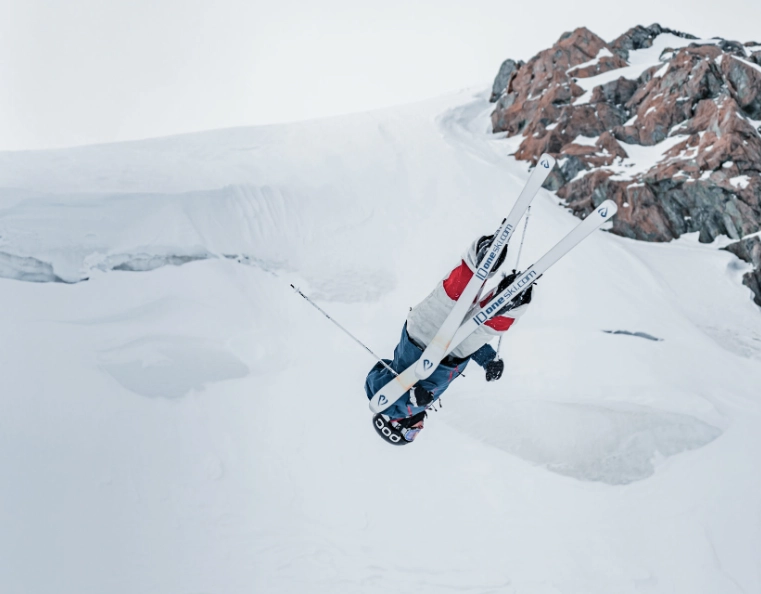
The biggest misconception? That you ski over the moguls. If you try that, you'll be launched into the backseat every time. Instead, you ski around them, using the troughs as your highway and the faces of the bumps as your turning walls. Think of it as slalom skiing where the gates are made of snow. The International Ski Federation (FIS) even recognizes mogul skiing as a competitive discipline, emphasizing control, turn technique, and air—proof that there's a structured, learnable method to the madness.
The Right Mindset (and Gear) Before You Push Off
You can't muscle your way through moguls. It's a finesse game. Go in with the goal of making three clean, controlled turns. Then stop. Assess. Do three more. Quantity is the enemy; quality is everything.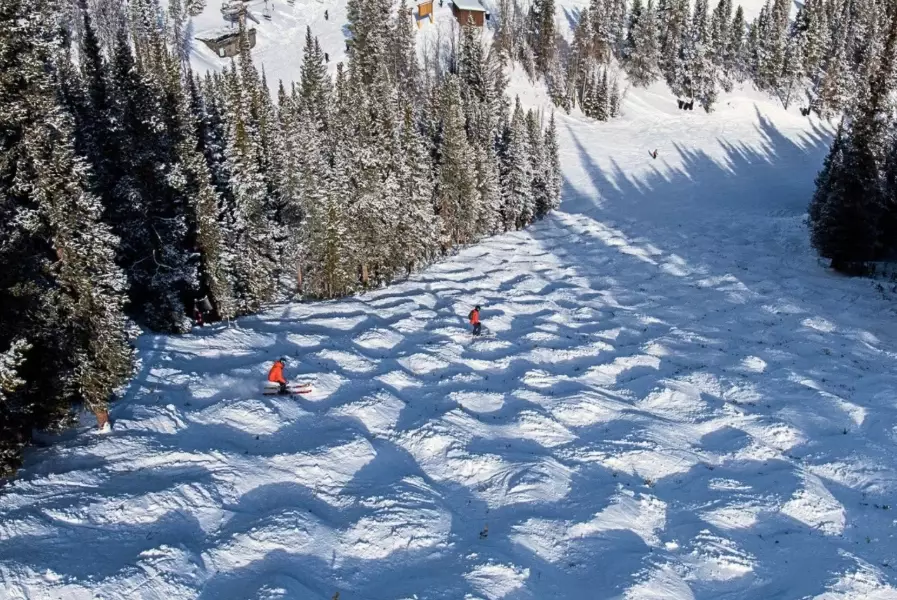
Your equipment matters more here than on groomers. You don't need specialized "mogul skis," but your setup plays a role.
| Gear Factor | Why It Matters in Moguls | My Recommendation |
|---|---|---|
| Ski Length & Flex | Long, stiff skis are harder to pivot quickly. A softer, more forgiving ski (or a shorter length within your normal range) makes initiation easier. | If you're between sizes, size down. A front-side/all-mountain ski with a bit of tip rocker is ideal. |
| Ski Boot Flex | Too stiff a boot transmits every shock to your legs. Too soft gives you no control. You need a responsive flex that allows ankle movement for absorption. | A flex rating between 90 and 110 is a great sweet spot for advancing bump skiers. |
| Binding DIN Setting | In moguls, you take quick, sharp impacts. A DIN set too high might not release during a twisting fall in a trough, risking knee injury. | Have a certified ski shop set your DIN based on your weight, ability, and boot sole length. Don't guess. |
| Poles | You plant your pole constantly for timing and balance. The wrong length disrupts your rhythm. | With your arm at a 90-degree angle, the pole grip should touch the ground. Consider slightly shorter poles for a quicker plant. |
The Core Technique: Absorption and Pivot
This is the heart of it. Mogul skiing combines two fundamental movements: absorption (up and down) and pivoting (turning).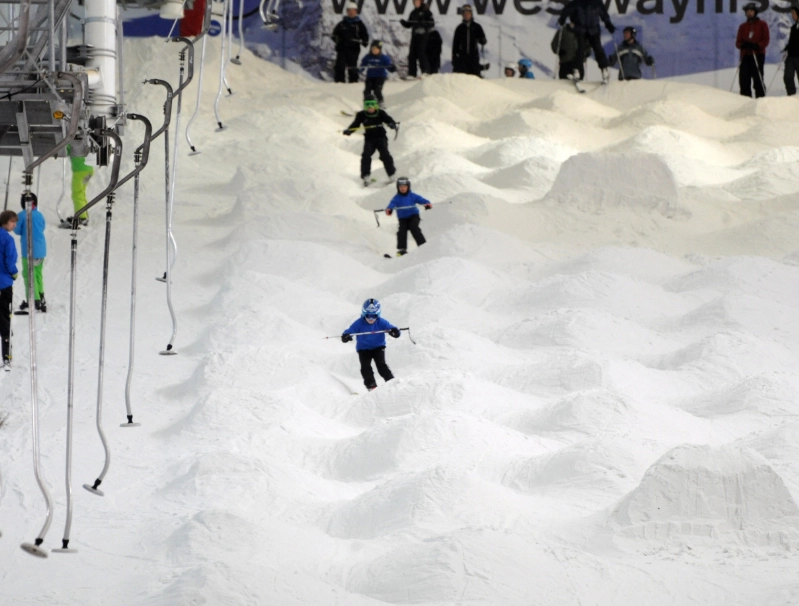
Absorption: Your Legs Are Shock Absorbers
As your skis enter the trough and start to climb the face of the next mogul, you need to suck up that bump. Bend your ankles, knees, and hips. Imagine you're trying to pull your feet up towards your butt. This keeps your skis in contact with the snow and your upper body quiet and facing downhill. The most common error is letting the mogul push you up into an extended, off-balance position.
Pivoting: The Quick Turn
At the crest of the mogul, where the snow is often looser, you execute your turn. It's not a carved, edged turn like on a groomer. It's a quick, almost skidded pivot of the feet and legs, steering the skis into the next trough. Your upper body stays facing downhill—your legs work independently underneath you. The pole plant is crucial here; it's your metronome, marking the exact moment to initiate the pivot.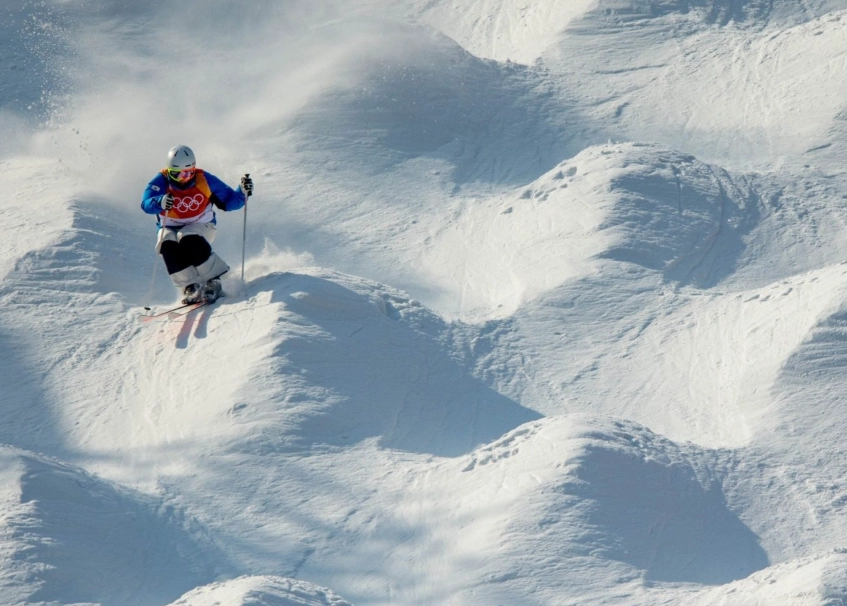
Put them together: Absorb in the trough/up the face, plant pole at the crest, pivot, extend into the new trough, and immediately prepare to absorb again. It's a continuous, fluid motion.
The 3 Most Common Mogul Mistakes (And How to Fix Them)
I see these every single day on the mountain. Fixing them will make an immediate difference.
1. The "Backseat Driver": Fear drives your weight back onto your heels. This makes your ski tips light, you lose steering control, and every bump sends you further backwards. The Fix: Consciously press your shins into the front of your boots. Practice on a gentle bump run by trying to keep your chest pointed downhill at all times.
2. The "Passenger": Letting the moguls dictate your speed and line. You're reactive, not proactive. The Fix: You must be the aggressor. Actively choose your line 2-3 bumps ahead and make a decisive turn at every pole plant. Slow down by making more turns, not by skidding sideways.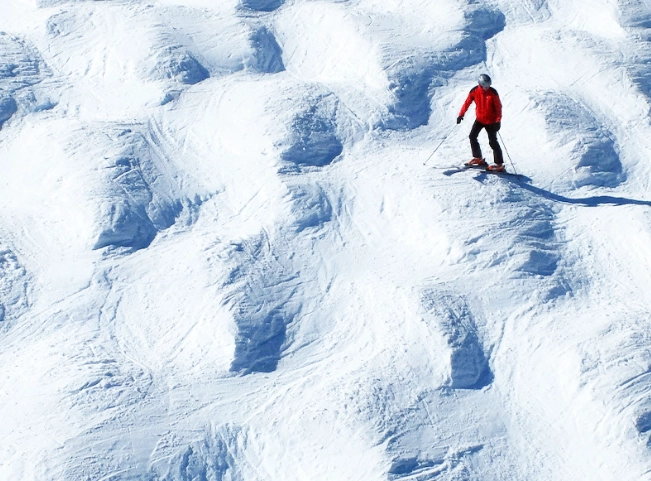
3. The "Wind-Up": Rotating the entire upper body to start a turn. This winds you up like a spring and kills any chance of a quick, independent leg movement. The Fix: Keep your shoulders square to the fall line. Practice on a flat cat track by keeping your poles tucked under your armpits horizontally. This physically prevents shoulder rotation, forcing your legs to do the turning work.
Your 4-Week Mogul Practice Plan
Don't just go hurl yourself down the steepest mogul field. Build skills progressively.
Week 1: Foundation on Groomers. Focus on short, quick parallel turns on a blue run. Practice pole plants with every turn. Work on flexing your ankles.
Week 2: Introduction to Bumps. Find a green or very easy blue run with small, soft moguls. Your only goal: traverse across them, practicing the absorption motion. Go up and down. Don't even turn. Get used to the motion.
Week 3: Linking Turns. On that same easy run, aim to link 2-3 turns. Stop. Reset. Focus on the rhythm: absorb, plant, pivot. Speed is irrelevant.
Week 4: Refining the Line. Move to a more consistent blue mogul run. Now, start looking ahead to pick a specific line—maybe aiming for every other trough. Focus on maintaining a consistent tempo.
Record yourself with your phone. It's brutal to watch, but it's the fastest way to see if you're in the backseat or rotating your shoulders.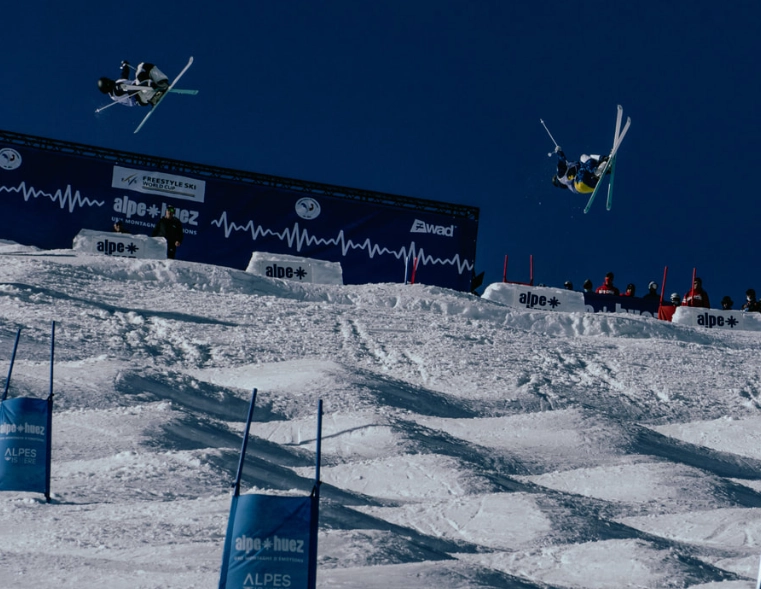
Mogul Skiing Questions, Answered
Related Articles

Comments
Join the discussion