Let's cut to the chase. If you're looking for a ski area that delivers immense variety, reliable snow, and that classic French Alpine village charm without the astronomical price tag of the mega-resorts, the French Grand Massif should be at the top of your list. It's not just one resort; it's a brilliantly interconnected network of five distinct ski areas, offering over 265km of pistes. I've been skiing here for over a decade, and I still find new corners to explore every season. This guide isn't just a list of facts you can find anywhere. It's the practical, nitty-gritty advice you need to plan a trip that actually works, avoiding the common pitfalls that catch first-timers out.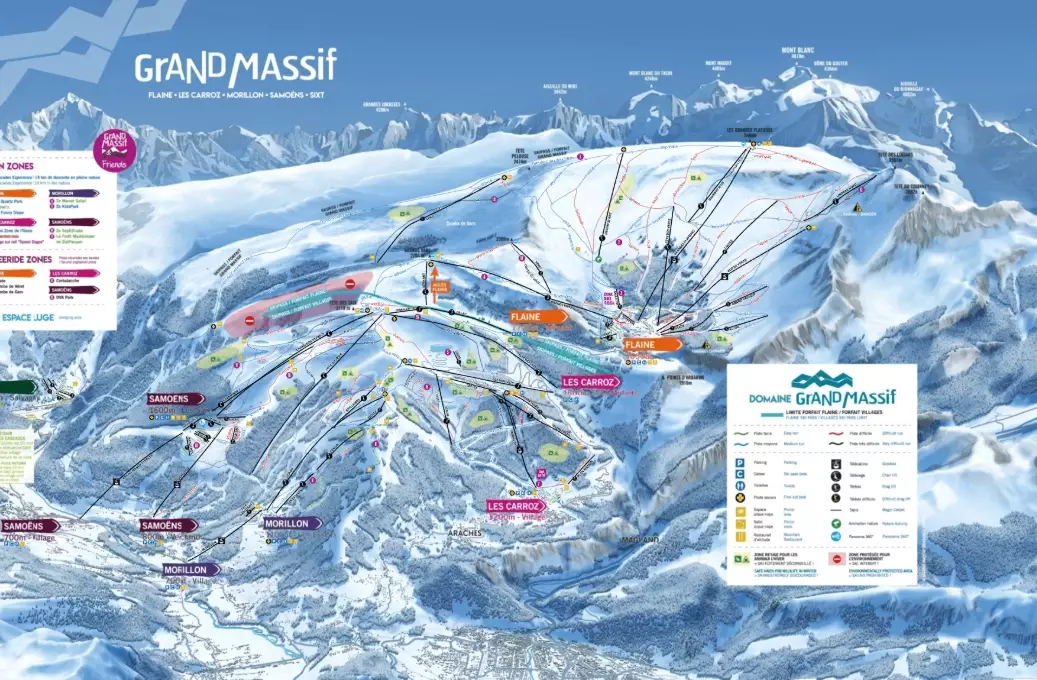
Your Quick Navigation Map
- Introducing the French Grand Massif: More Than Just a Ski Area
- The Five Ski Resorts of the Grand Massif: A Detailed Breakdown
- How to Plan Your Grand Massif Ski Trip? A Step-by-Step Guide
- Skiing the Grand Massif: Pistes, Off-Piste, and Hidden Gems
- Beyond the Slopes: Après-Ski, Food, and Activities
- French Grand Massif FAQ: Your Questions, Answered
Introducing the French Grand Massif: More Than Just a Ski Area
Nestled in the Haute-Savoie region, the Grand Massif is often overshadowed by its flashier neighbors like Chamonix and the Three Valleys. That's its secret weapon. You get a massive, lift-linked ski domain with a fraction of the crowds and a more authentic, laid-back vibe. The linking is its genius. From the high-altitude, purpose-built Flaine to the traditional chocolate-box villages of Samoëns and Sixt, you can ski across centuries of Alpine architecture in a single day. The area is managed by the Compagnie des Alpes, which ensures well-maintained lifts and grooming, but each village retains its own personality and local management.
One subtle mistake beginners make is thinking "Grand Massif" is a single town. It's not. Your choice of base village dramatically changes your holiday experience. Stay in Flaine for ski-in/ski-out convenience and modern amenities. Choose Samoëns for a bustling, historic town with fantastic restaurants. This decision is more important than any other in your planning.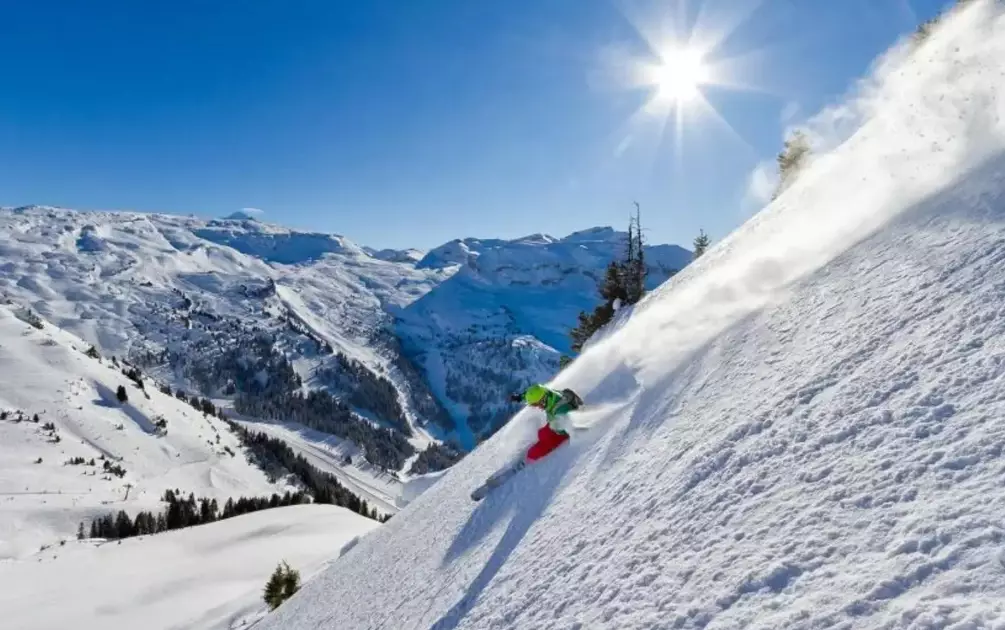
The Five Ski Resorts of the Grand Massif: A Detailed Breakdown
Here’s where we get specific. Knowing the character of each area is key to planning your days on the mountain.
| Resort/Village | Altitude (Base/Summit) | Key Character & Vibe | Best For | My Personal Take |
|---|---|---|---|---|
| Flaine | 1600m / 2500m | Modern, concrete architecture (it's a 60s design icon, love it or hate it). Ultra-convenient, high, snow-sure. | Families, beginners, ski-in/ski-out seekers, those prioritizing snow conditions. | The architecture is brutalist, not pretty. But you can't beat the functionality. The bowl catches sun all day. The Forum is a lifesaver for groceries and rentals. |
| Les Carroz | 1140m / 2480m | Traditional chalet style, family-oriented, sunny slopes. A good middle-ground. | Families with mixed abilities, sun worshippers, those wanting a "typical" Alpine village feel. | The ski area facing the village is brilliant for intermediates. The village itself is charming but can feel a bit quiet at night compared to Samoëns. |
| Samoëns 1600 (The resort) | 1600m / 2480m | The main mountain hub. Direct access to the Grand Massif lifts. Lively base area. | Everyone. It's the central transport hub for the ski area. | This is where you'll likely start your day. The Grand Massif Express gondola is efficient but gets queues from 9-10am. Go early. |
| Samoëns (The town) | 700m | Historic market town in the valley. Not ski-in/ski-out. Requires a short bus/cable car ride to Samoëns 1600. | Non-skiers, foodies, shoppers, those wanting a vibrant après-ski scene and beautiful surroundings. | My favorite place to stay. The 7-minute cable car link is painless. You get a real town with butchers, bakeries, and a fantastic Tuesday market. The après-ski is the best in the area. |
| Sixt-Fer-à-Cheval | 750m | The most remote and authentic. A classified "Plus Beaux Villages de France". Access via a long chair from Samoëns. | Experienced skiers seeking quiet, stunning scenery, and access to the legendary Cascades run. | Don't stay here unless you're an advanced skier or a group seeking total peace. The green run back is long and flat—a nightmare for beginners. But the Cirque du Fer-à-Cheval is breathtaking. |
| Morillon (& Vercland) | 680m / 2480m | Two linked villages. Morillon 1100 is a small resort area; Morillon village is in the valley. Very family-friendly. | Budget-conscious travelers, families with young children (great beginner zone). | Often overlooked, which means quieter slopes. The "Village des Enfants" at Morillon 1100 is arguably the best beginner learning area in the whole Grand Massif. |
The beauty is the interconnectivity. From the top of the Grandes Platières gondola in Flaine (2500m), you can theoretically ski to Sixt, though I'd only recommend that to confident intermediates and above. The system of blues and reds that link the areas is one of the Grand Massif's greatest strengths.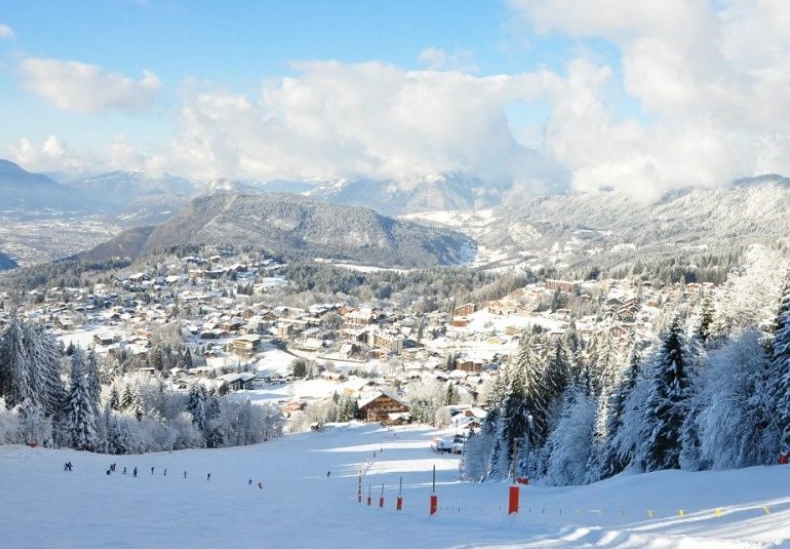
How to Plan Your Grand Massif Ski Trip? A Step-by-Step Guide
Planning is everything. Here's how to build your trip, step by step, based on what most people get wrong.
When to Go: Navigating Seasons and Crowds
Best for snow: Late January to mid-March. This is peak season for a reason—reliable cold and regular snowfall. French school holidays (usually zones A, B, C in February) are insanely busy. If you must go then, book everything a year in advance.
Best for value & quiet: Early January (after New Year) and April. April skiing is underrated here. The south-facing slopes in Les Carroz get slushy by afternoon, but the north-facing runs above Flaine and the links between resorts hold up beautifully. You get long, sunny days and empty slopes.
Avoid if you can: The two weeks of French February holidays. Lift queues double, restaurant prices feel steeper, and the pistes get skied out quickly.
Getting There: Your Travel Options
Closest Airport: Geneva (GVA). It's about a 1-hour to 1.5-hour transfer.
Transfer Options:
- Shared Shuttle: Companies like AlpyBus or Ben's Bus offer door-to-door service. Book online. Cost: ~€50-70 return. The most hassle-free option for small groups.
- Car Rental: Offers flexibility for exploring valley towns or skiing other nearby areas (like Portes du Soleil). Warning: Parking in Flaine/Samoëns 1600 is expensive (€15-20/day). If you're staying in a valley town, ensure your accommodation has free parking.
- Train + Bus: Train to Cluses or Annemasse, then a local bus. Possible but cumbersome with ski gear. I don't recommend it for a first trip.
Where to Stay: Base Village vs. Valley Towns
This is your biggest decision.
Ski-in/Ski-out (Flaine, Les Carroz, Morillon 1100): Maximum convenience. Roll out of bed and onto the slopes. Ideal for families with small children, short trips, or if your group just wants to ski hard. The trade-off is that you're often in a purpose-built resort with less "town" atmosphere. Flaine's concrete can feel austere.
Valley Towns (Samoëns, Morillon village): You trade a 5-15 minute bus or cable car ride for a much richer experience. Samoëns is a proper town. You have a supermarket (Super U), a dozen bakeries, cheese shops, and a wider range of restaurants. The après-ski is better. The cable car from Samoëns to the slopes runs until about 7:30 pm, so you're not stranded.
My Recommendation for First-Timers: Stay in Samoëns. The cable car link is efficient, and you get the best of both worlds. For a pure ski-focused week with a family, Flaine's functionality is unbeatable.
Lift Passes and Ski Schools
Lift Passes: A 6-day Grand Massif pass for an adult costs around €330 in high season (2024/25 prices are estimates). You can buy online in advance for a small discount. Passes are electronic (card or wearable tag). They work across all 5 areas. Important: The pass includes free use of the shuttle buses between the resort bases, which is crucial for getting around if you don't ski back to your starting point.
Ski Schools: The main providers are ESI (Ecole de Ski Internationale) and Evolution 2. Both are excellent. Book lessons before you arrive, especially for children and during peak weeks. Group lessons are great value. Private instructors are pricey but can tailor a day to show you the hidden gems of the area.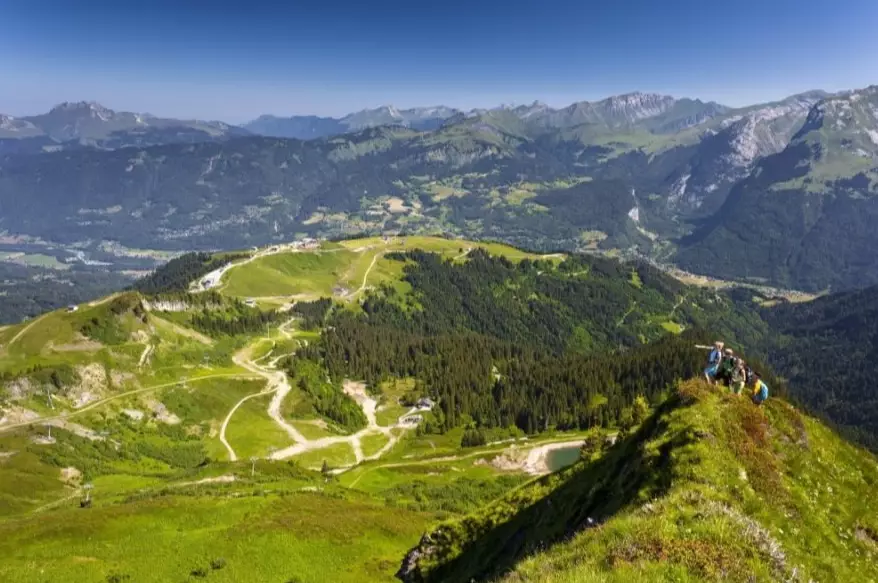
Skiing the Grand Massif: Pistes, Off-Piste, and Hidden Gems
The piste map shows 265km, but the experience feels bigger. Here’s how to navigate it.
Beginners: Head to the dedicated areas. Morillon 1100's "Village des Enfants" is a purpose-built, gentle, enclosed zone perfect for first turns. Flaine's Front de Neige is a vast, gentle plateau right outside the hotels. Les Carroz also has excellent, sunny beginner slopes above the village. Avoid getting lured onto the connecting blues until you can confidently link turns and control your speed.
Intermediates (The Sweet Spot): You are in heaven. The network of blue and red runs linking the resorts is your playground. A classic day: Start in Samoëns 1600, take the Grand Massif Express, then ski the long, scenic blue "Serpentine" down towards Les Carroz. From there, take the Télésiège des Grands Vans over to Flaine for lunch. In the afternoon, explore the wide, rolling reds off the Molliets and Dôme de Flaine lifts before taking the long, cruising blue "Cascades" all the way down to Sixt (check the snow conditions at the bottom first—it can get thin). A bus brings you back to Samoëns.
Advanced Skiers & Off-Piste: The Grand Massif has serious terrain, but it's less obvious than in Chamonix. The Combe de Gers bowl above Flaine offers fantastic, north-facing off-piste that holds powder. The area around the Tête des Saix has some steep couloirs. Hire a guide. The best off-piste is not marked and requires knowledge of the terrain and snow stability. The Itinéraire de la Cascades (the black run from the top of Flaine to Sixt) is a must-do for confident skiers—a 14km epic journey through stunning glacial scenery. It's often bumpy and requires good stamina.
Beyond the Slopes: Après-Ski, Food, and Activities
The skiing is only half the story.
Après-Ski: Samoëns is the undisputed king. Le Schuss bar at the bottom of the cable car is the main hub—packed, loud, with tabletop dancing. In town, Le Yeti and Le Saloon are great spots. Flaine has a few bars like Le White Pub, but the atmosphere is more subdued. Les Carroz is family-oriented, so après-ski is quieter.
Food On-Mountain: You're in France. Skip the generic self-service. Book a table for lunch.
- La Fruitière de Samoëns 1600: Fantastic cheese-based dishes (tartiflette, raclette) in a rustic setting.
- Le Bissac (Flaine): Right on the slopes, known for its grilled meats and sunny terrace.
- Le Barioz (Les Carroz): A bit off the main run but worth it for the stunning panoramic views.
Non-Skiing Activities: The Géants des Glaces ice cave in Flaine is a unique visit. Snowshoeing trails are well-marked throughout the area. For a real treat, take a day trip to the beautiful medieval town of Annecy (about 1 hour drive)—it's like a little Venice in the Alps.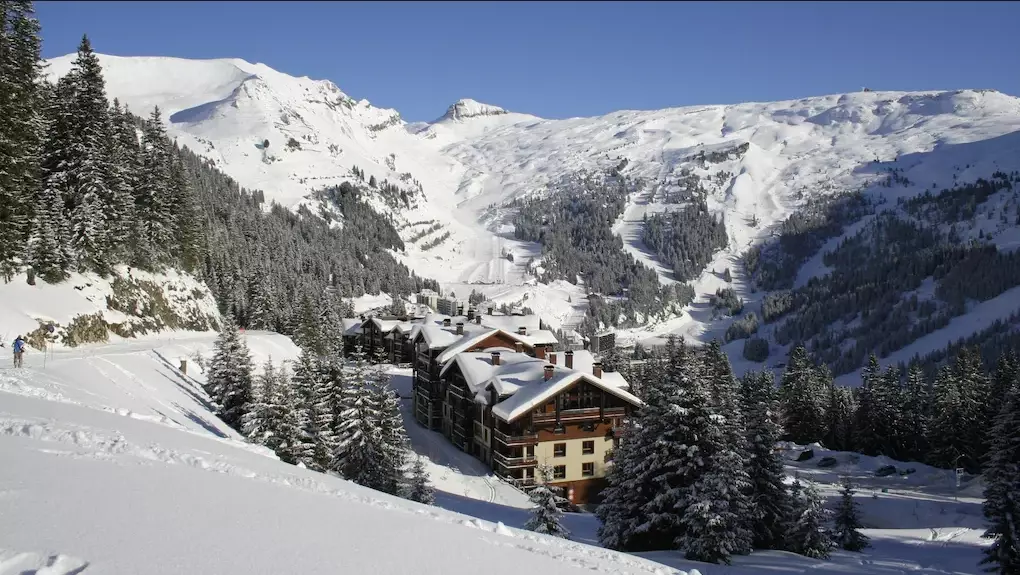
French Grand Massif FAQ: Your Questions, Answered
Is the French Grand Massif suitable for beginners?
Can I ski all five resorts in one day?
Do I need to rent a car for a Grand Massif ski trip?
How family-friendly is the Grand Massif compared to bigger names?
Does the Grand Massif ski pass cover all the lifts and buses?
Related Articles



Comments
Join the discussion