If you're searching for the largest ski mountain on the East Coast, the answer is clear: Killington Resort in Vermont. With a staggering 3,000 feet of vertical drop, it's not just the biggest in the East; it's a legend nicknamed the "Beast of the East" for a reason. But here's the thing most articles miss: vertical drop is just one number. What truly makes a mountain "large" and worth your trip is a combination of terrain variety, reliable snow, and the overall experience. I've been skiing the East for over a decade, and I've seen people focus solely on that 3,000-foot stat, only to be disappointed by long lift lines or icy conditions on a windy day. Let's dig deeper than the marketing.
What You'll Find in This Guide
Killington by the Numbers: More Than Just Vertical
Sure, the 3,000-foot vertical is impressive. It means long, sustained runs that can leave your legs burning in the best way possible. But to understand why Killington holds the crown, you need to look at the full picture.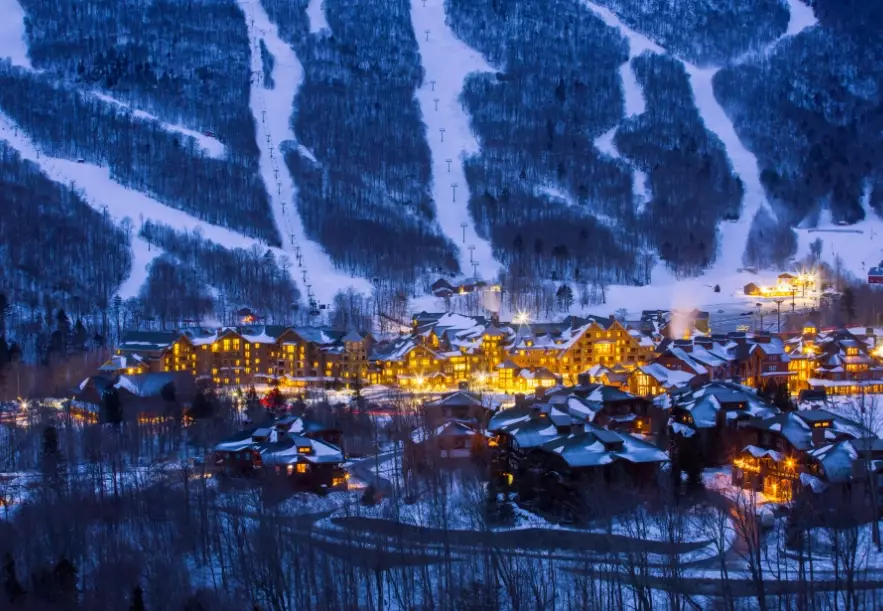
Killington Resort at a Glance:
- Address: 4763 Killington Rd, Killington, VT 05751. It's about a 3-hour drive from Boston and 4.5 hours from NYC.
- Vertical Drop: 3,050 feet. This is the uncontested king on the East Coast.
- Skiable Acres: 1,509 acres across six interconnected mountain areas.
- Trails: 155 trails, with a near-perfect split for all abilities: 20% Beginner, 33% Intermediate, 47% Advanced/Expert.
- Lifts: 21 lifts, including a high-speed gondola (the K-1) that whisks you to the summit.
- Snowmaking: This is the unsung hero. Killington boasts one of the most powerful snowmaking systems in the world, covering 71% of its terrain. When natural snow is lean, this is what keeps the Beast running.
The six mountain areas are key. Need a mellow warm-up? Start at Snowshed or Ramshead. Want classic New England cruisers? Head to Skye Peak. Looking for the steep, gnarly stuff that defines the Beast? The Canyon and Bear Mountain areas are your playground. This sprawl is what makes it feel massive—you can ski for days without repeating the same run twice.
One pro tip I rarely see: pay attention to the wind. The summit can be brutal on a stormy day, and they'll often shut down the K-1 Gondola. Your best bet is to start lower on the mountain and work your way up as conditions allow.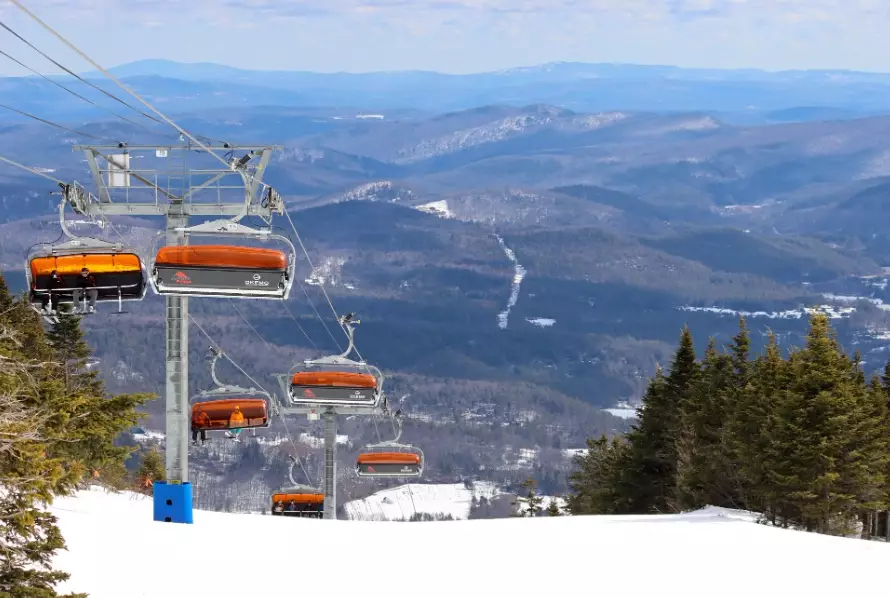
How Does Killington Compare to Other Major East Coast Resorts?
Calling Killington the "largest" is correct by vertical drop, but skiers often debate what "best" means. Is it the most challenging? The most family-friendly? The most reliable? Let's put Killington side-by-side with two other giants to see where it shines and where others might suit you better.
| Resort | Vertical Drop | Skiable Acres | Key Strength & Vibe | Best For... |
|---|---|---|---|---|
| Killington, VT | 3,050 ft | 1,509 | Sheer size, variety, relentless snowmaking. The "anything goes" powerhouse. | Expert skiers, long trips, groups with mixed abilities, early/late season skiing. |
| Stratton, VT | 2,003 ft | 670 | Groomed perfection, upscale village vibe, less intimidating terrain. | Intermediates, families, those who prefer a polished resort experience. |
| Sugarloaf, ME | 2,820 ft | 1,240 | Remote, rugged, with the only lift-serviced above-treeline skiing in the East. | Adventurous experts, those seeking a true "mountain" feel away from crowds. |
See the difference? If your goal is to ski the absolute longest, most varied runs possible, Killington is your mountain. Sugarloaf has a wilder soul and unique terrain, but its snowmaking isn't as extensive, and it's much harder to get to. Stratton is fantastic, but it simply doesn't have the scale or the expert challenges. A common mistake is choosing a resort based on reputation alone without matching its strengths to what you actually want out of a ski day.
Planning Your Trip to the Beast: Tickets, Lodging & Getting There
Okay, you're sold on tackling the largest ski mountain on the East Coast. Now for the practical stuff. This is where a little planning goes a long way.
Getting There and Getting Around
You'll need a car. The closest major airports are Burlington (BTV, ~1.5 hours) and Manchester (MHT, ~2 hours). From the Northeast corridor, you're driving. I-91 to US-4 is the main route. AWD or 4WD is highly recommended from December through March—Vermont roads don't mess around. Once there, the Killington Access Road is lined with lodges, restaurants, and shops. You can often walk or take a shuttle from your lodging to the base areas.
Lift Tickets and Passes
Walk-up window rates are steep, often over $160 on peak days. You must buy online in advance for a significant discount. The other major option is the IKON Pass. Killington is a premier destination on the Ikon Pass, which makes financial sense if you plan to ski 5+ days there or at other Ikon resorts. Check their calendar for blackout dates if you have the Base Pass.
Where to Stay
You have two choices: slope-side convenience or more affordable options a short drive away.
- For Slope-Side Walkability: Look at the Killington Grand Resort Hotel (at the Snowshed base) or condos at the Trail Creek complex. You pay a premium, but rolling out of bed and onto the lift is priceless.
- For Value and Local Charm: The towns of Rutland (20 mins west) and Bridgewater Corners (15 mins east) have motels, B&Bs, and vacation rentals at much lower prices. You'll drive in each day, but you'll save enough for a nice dinner.
My personal strategy? Book a condo with a kitchen in Rutland. You save on meals, and the drive up Route 4 in the morning is part of the ritual.
Pro Tips for Conquering the Largest East Coast Ski Mountain
Here's the advice you won't get from the resort's website.
Start Early, But Not at K-1. Everyone beelines for the K-1 Gondola. Instead, start at the Snowshed Quad or Ramshead Express. You'll get multiple warm-up runs in before the main lifts get clogged.
Use the "Peak to Creek" Strategy on a Good Day. If conditions are soft and you have the legs for it, take the K-1 to the summit, ski down to the Skye Peak Express, ride that up, and then take the interconnect over to Bear Mountain. You can spend hours exploring this massive circuit without taking the same trail twice.
Don't Fear the Spring. Killington is famous for staying open into May, sometimes June. Spring skiing here is a delight—soft snow, sunny decks, and a festive atmosphere. The Superstar trail is a spring skiing icon.
The "Ovation" run is a trap on an icy day. It's a famous double-black diamond under the K-1. On a powder day, it's epic. On a typical cold, hard-packed day, it's an unforgiving sheet of ice. Scout it from the gondola before you commit.
Your Questions About East Coast Skiing, Answered
Is Killington good for beginners, or is it too big and intimidating?
It's excellent, precisely because it's big. The beginner areas at Snowshed and Ramshead are vast, separate, and perfectly graded. You won't feel like you're in the way of experts flying past you. They have their own dedicated, gentle lifts and long learning trails. The size becomes an advantage, offering progression without boredom.
What's a realistic budget for a weekend ski trip to Killington?
For two people for a weekend (2 ski days), plan for at least $800-$1,200, not including travel costs. Breakdown: Lift tickets ($300-$400 for two, bought online), lodging ($200-$400 per night), food ($75-$100 per day for two), and rentals/gear ($100-$150). It's not cheap, which is why the Ikon Pass or mid-week trips are huge money-savers.
I'm an intermediate skier. Will I find enough terrain at Killington?
Absolutely. Over 50 trails are rated intermediate. The cruisers on Skye Peak and Snowdon Mountain are legendary—long, wide, and perfectly groomed. The mountain's scale means you can spend your entire trip on blue squares and still feel like you're exploring new ground every run. Try Great Northern and Bittersweet to start.
Are there good non-skiing activities at Killington?
Yes, and this is a major perk. The Killington Adventure Center has snow tubing and a mountain coaster. There's a full Nordic skiing center. The après-ski scene on the Access Road is among the best in the East, with live music at places like the Pickle Barrel. Don't overlook a scenic gondola ride for non-skiers to enjoy the summit views.
How does East Coast "ice" compare to Western skiing, and is Killington better?
The ice reputation is overblown but rooted in truth. We get freeze-thaw cycles that create hard-packed surfaces, which can turn slick. Killington's extensive snowmaking actually creates a more consistent, groomed surface than places relying solely on natural snow. The real difference is snow quality—we get heavier snow. But for groomed, carveable terrain, Killington's snowmaking delivers an incredibly reliable product. You need sharp edges, no question. It makes you a technically better skier.
So, there you have it. The largest ski mountain on the East Coast is Killington, a 3,000-foot vertical monster with the terrain, infrastructure, and attitude to back up the title. It's not just about being the biggest; it's about offering a complete, resilient, and thrilling skiing experience that can stand up to the East's unpredictable weather. Whether you're testing your limits on a double-black or cruising endless blue trails with the family, the Beast has a place for you. Just remember to book early, sharpen your edges, and respect the mountain's scale. See you on the lift.
Related Articles

Comments
Join the discussion