That feeling of carving through fresh powder on a crisp, bluebird day is hard to beat. But when the temperature plummets, the thrill can quickly turn into a real danger. I've been skiing in extreme cold for over a decade, from the Rockies to the Alps, and I've seen too many people—even experienced ones—underestimate the silent threats of frostbite and hypothermia. This isn't just about being uncomfortable; it's about preventing permanent injury. Let's cut through the generic advice and talk about what actually works when the mercury drops below freezing.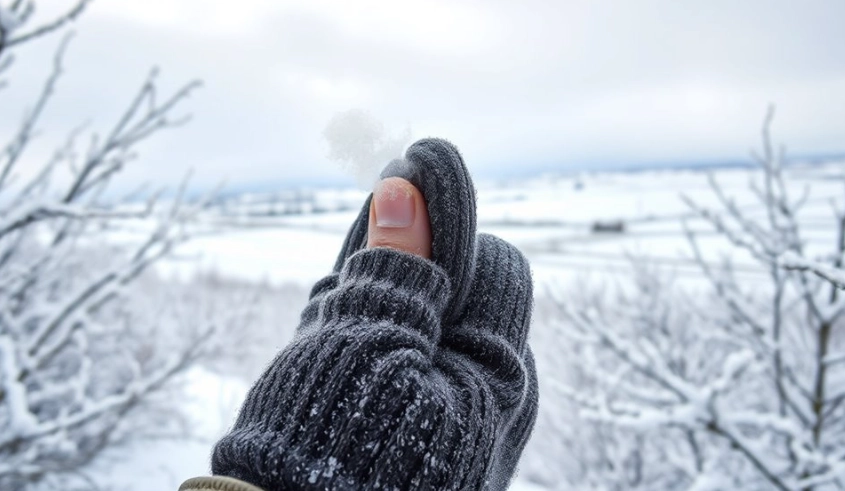
What's Inside This Guide?
Understanding the Real Risks: Frostbite vs. Hypothermia
First, know your enemy. They're related but attack differently. Frostbite is a localized injury where skin and underlying tissues freeze. Hypothermia is a systemic drop in your core body temperature, affecting your entire body and brain. Wind chill is the accelerator for both. A calm -10°C (14°F) day is manageable. Add a 30 km/h wind, and it feels like -20°C (-4°F), drastically shortening your safe exposure time.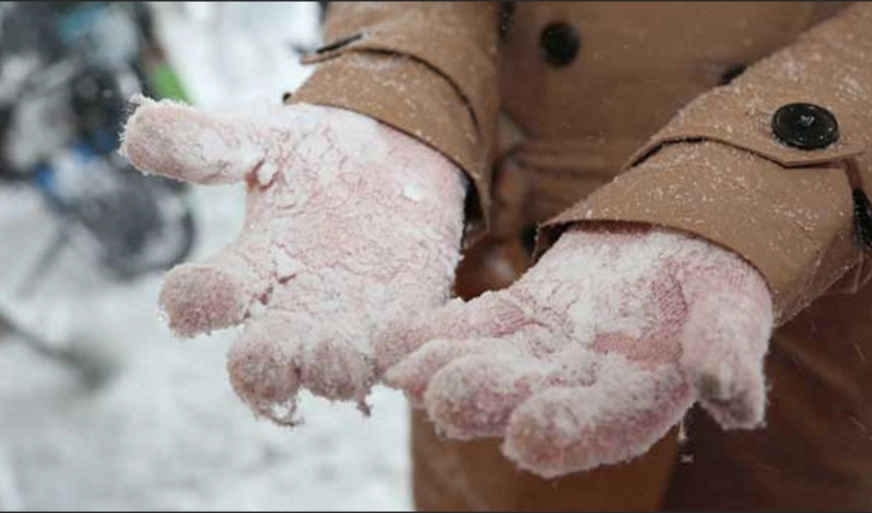
A Common Mistake I See: Skiers focus entirely on their torso and legs, treating gloves and socks as an afterthought. Your body prioritizes keeping your core warm, so it reduces blood flow to your extremities first. Your fingers, toes, nose, and ears are the front line in the cold war.
Here’s a quick breakdown to keep them straight:
| Condition | What It Is | Key Early Warning Signs | Primary Risk Areas |
|---|---|---|---|
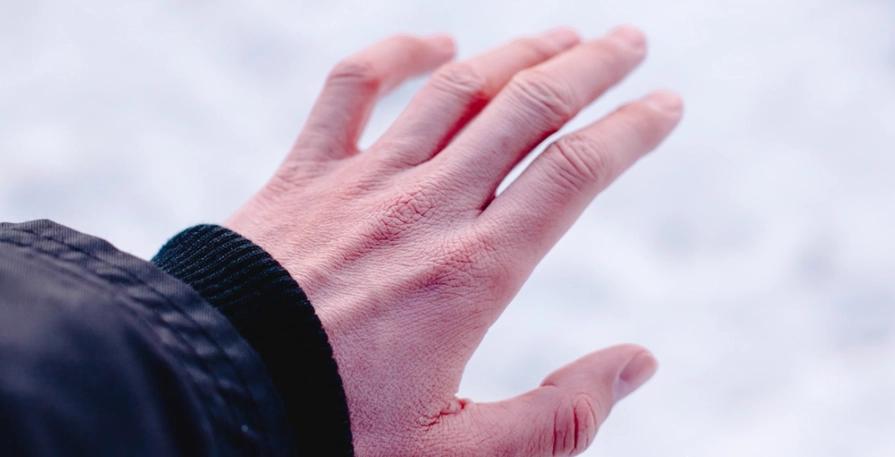
| Frostbite | Freezing of skin & tissue. | Prickling/numbness, skin turns white/waxy, feels firm or hard. | Fingers, toes, nose, cheeks, ears. |
| Hypothermia | Dangerously low core body temp. | Uncontrollable shivering, slurred speech, clumsiness, confusion, fatigue. | Affects the whole body; core loses heat. |
Master the Layering System (Beyond the Basics)
Everyone says "layer up," but most get the execution wrong. It's not just about putting on more clothes; it's a strategic system for moisture and temperature management.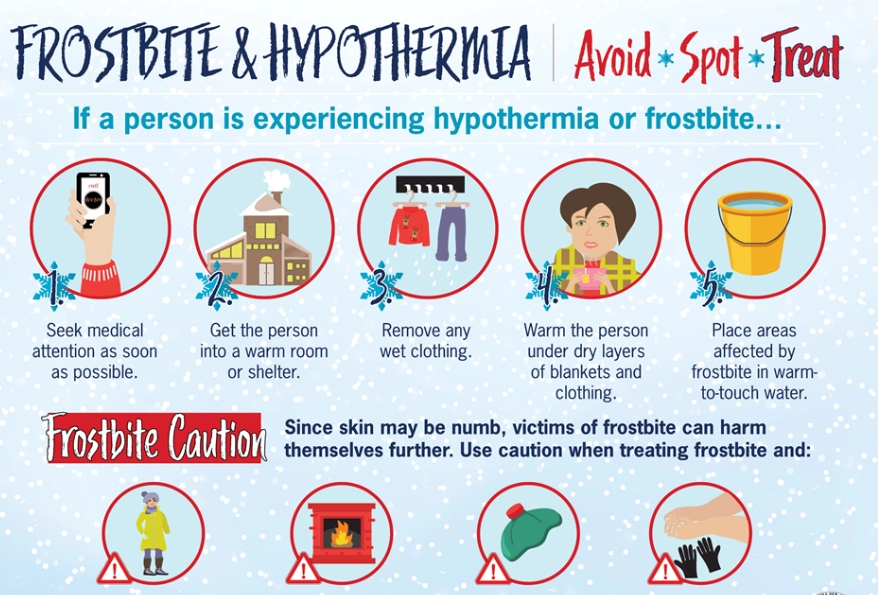
The Base Layer: It's All About Moving Sweat
Forget cotton. It's a death trap in the cold—it absorbs sweat and holds it against your skin, sucking heat away. You need synthetic fabrics like polyester or natural merino wool. Merino is my personal favorite for its incredible odor resistance and temperature regulation, even when damp. The fit should be snug but not restrictive.
The Mid Layer: Your Insulating Engine
This is your warmth. Fleece, down, or synthetic insulated jackets work here. A critical tip: have two options. A lighter fleece for active skiing on very cold days, and a puffier insulated jacket for lift rides or brutal temps. You can even combine them. The ability to fine-tune this layer is what separates the prepared from the miserable.
The Outer Shell: Wind and Water Defense
This isn't just a rain jacket. A proper ski shell needs to be fully waterproof (look for a rating of 15,000mm+), highly breathable, and, crucially, have well-sealed seams. Pit zips are non-negotiable for venting excess heat on the ascent. A common error is wearing a non-breathable shell, turning your layered system into a personal sauna that soaks your base layer from the inside.
Protect Your Extremities: The High-Risk Zones
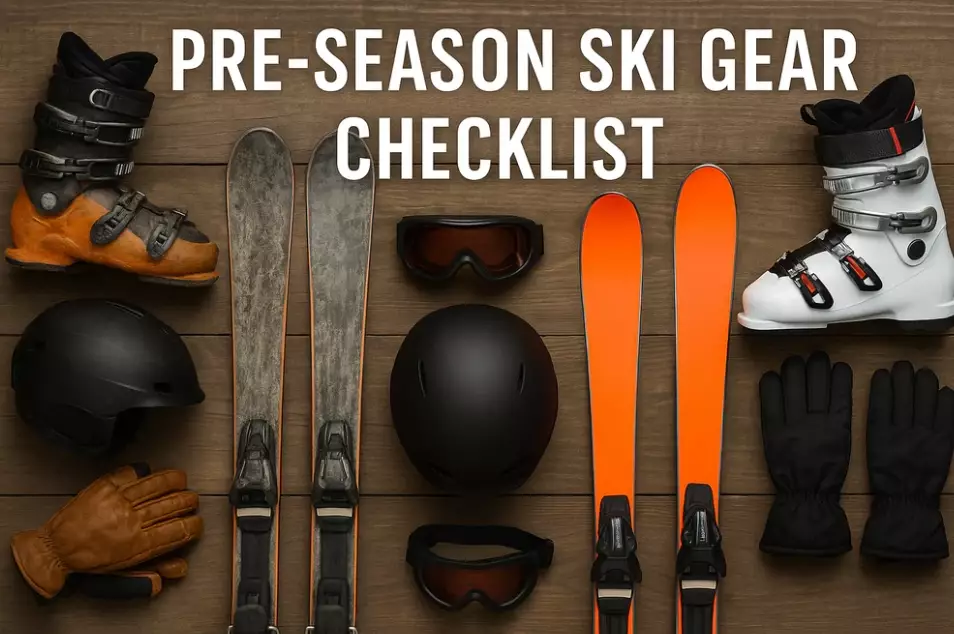
Your head, hands, and feet lose heat fastest. Here’s the gear strategy that makes a difference.
Hands: The liner-and-mitten combo is superior to gloves in extreme cold. Mittens keep fingers together, sharing warmth. Wear a thin synthetic liner inside for added warmth and to handle your phone or adjust bindings without exposing skin. Carry hand warmers, but don't place them directly against your skin—put them in the mitten's pocket or on the back of your hand.
Feet: Boots that are too tight are the #1 cause of cold feet. They restrict circulation. You should be able to wiggle your toes. Wear a single pair of ski-specific socks—they're thin and wicking. Two pairs create friction, sweat, and reduced blood flow. If your feet run cold, consider heated ski socks or toe warmers applied to the top of your toes, not the bottom.
Head & Face: A helmet is essential, but it needs a thin thermal liner or beanie underneath. For your face, a neck gaiter or balaclava is versatile. On windy days, a dedicated ski mask with a windproof layer is a game-changer. Don't forget your eyes—high-quality goggles with double-layer lenses prevent fogging, which in extreme cold can instantly freeze over.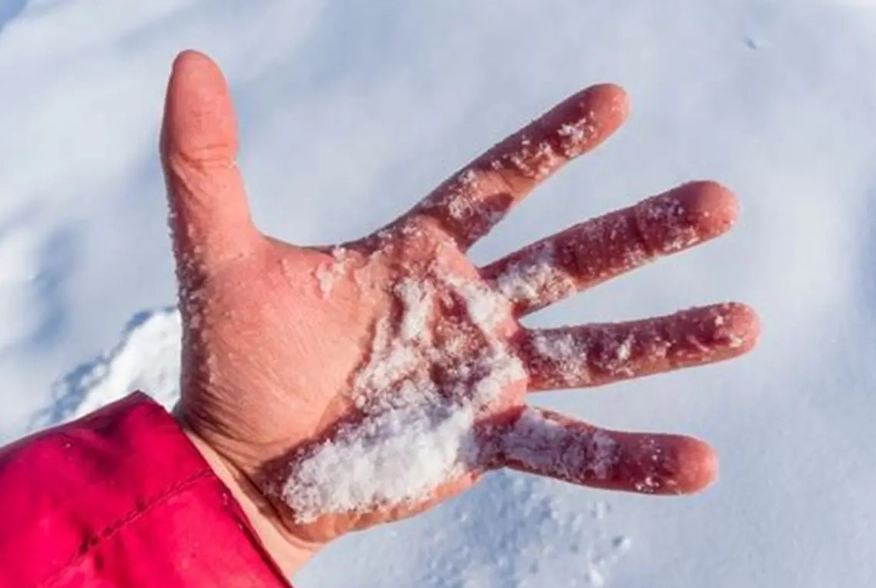
Recognize the Early Signs: A Decision-Making Guide
Hypothermia and frostbite are sneaky. By the time you're sure something's wrong, it might be too late for a simple fix. You need a personal checkpoint system.
Hypothermia's Progression: It starts with strong shivering. That's your body's last effective effort to warm itself. If shivering stops and you feel lethargic, confused, or start making poor decisions (like wanting to lie down), this is a severe medical emergency. You are now in the "umbles"—stumbling, mumbling, fumbling. At this stage, self-rescue is unlikely. You need immediate help.
For frostbite, do a "buddy check" every 30-60 minutes on a very cold day. Look at each other's faces for pale or white patches, especially on the nose and cheeks. Ask about feeling in fingers and toes. Numbness is not normal—it's a red flag.
Your On-Mountain Emergency Response Plan
Okay, you or your buddy are showing early signs. What's the step-by-step?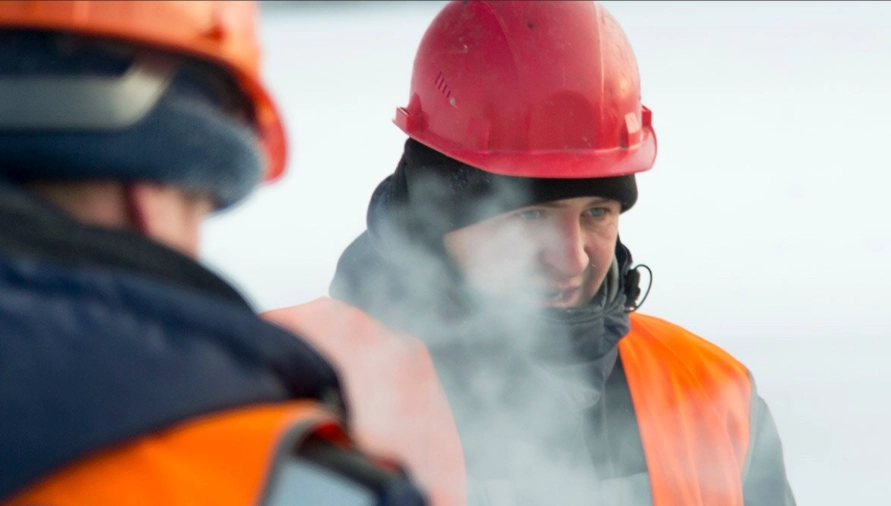
For Suspected Frostbite (early stage):
- Get Inside Immediately: Do not try to "ski it off." Your goal is to prevent further heat loss.
- Rewarm Gently: Use body heat (placing cold hands in armpits) or immerse in warm (not hot!) water (37-40°C / 98-104°F).
- Do Not Rub or Massage the frozen area. You can damage the tissue further.
- Do Not Use Direct Heat like a stove, heater, or fire. The numb skin can burn easily.
- Once rewarmed, the area will be painful and blister. Keep it clean, dry, and protected. Seek medical attention to assess the damage.
For Suspected Hypothermia (mild stage):
- Stop All Activity. Exertion can make things worse by pumping cold blood to your core.
- Get to Shelter. A lodge, a warming hut, even the gondola cabin.
- Remove Wet Clothing and replace with dry layers.
- Warm the Core First. Use blankets, share body heat, drink warm (non-alcoholic, non-caffeinated) fluids like broth or sweet tea. Do NOT attempt to rewarm extremities first, as this can cause a dangerous drop in core temperature.
- If symptoms progress beyond shivering, call ski patrol immediately.
Expert Q&A: Your Cold-Weather Concerns Answered
No, and this is a common frustration. First, re-evaluate your boot fit with a professional bootfitter. "Good" boots can still be too tight. Second, circulation is key. Before clicking in, do ankle circles and wiggle your toes vigorously for 30 seconds to get blood flowing. During the day, unclip your boots on every lift ride and flex your feet. Consider a boot with a better thermal liner or aftermarket insulated footbeds.
They're effective as a supplement, not a primary heat source. The safety issue is placement and skin sensitivity. Never put them directly against your skin, as they can cause burns (especially if you have reduced sensation). Place them in the glove/mitten pocket or on the top of your sock, over your toes. For people with diabetes or circulatory issues, consult a doctor first. I find reusable electric warmers with USB charging to be more reliable and cost-effective over a season.
 At what temperature/wind chill should I just not ski?
There's no universal number, as it depends on your gear, fitness, and acclimatization. However, as a general rule from the National Weather Service, frostbite can occur on exposed skin in under 30 minutes when wind chills reach -26°C (-15°F). At -34°C (-30°F) wind chill, it can happen in under 10 minutes. My personal cutoff is around -25°C (-13°F) actual temperature, regardless of wind. The skiing quality is usually poor (icy), and the risk/reward ratio just isn't there. Always check the mountain's official forecast and wind chill values.
It massively increases your risk, and this is critically under-discussed. Alcohol causes blood vessels to dilate, making you feel warmer while actually increasing heat loss from your core. It impairs judgment (so you might miss early warning signs) and coordination (increasing fall risk). It also suppresses shivering, your body's main defense. Apres-ski is for the lodge, after you're done for the day and safely out of the elements.
Related Articles

Comments
Join the discussion