If you're new to skiing and eyeing the East Coast, you've hit the jackpot. The region packs beginner-friendly resorts with gentle slopes, top-notch ski schools, and affordable options. I've skied these hills for over a decade, and let me tell you, picking the right spot makes all the difference. This guide cuts through the noise to show you where to go, what to expect, and how to avoid common pitfalls.
What You'll Find in This Guide
Why the East Coast is Great for Beginner Skiers
People often think the West Coast has better skiing, but for beginners, the East Coast holds its own. Resorts here focus on accessibility. They invest heavily in snowmaking—like at Sunday River in Maine, where 90% of trails can have artificial snow. That means reliable conditions even if nature doesn't cooperate. Plus, many places are within a drive from major cities like New York or Boston, so you don't need a cross-country flight.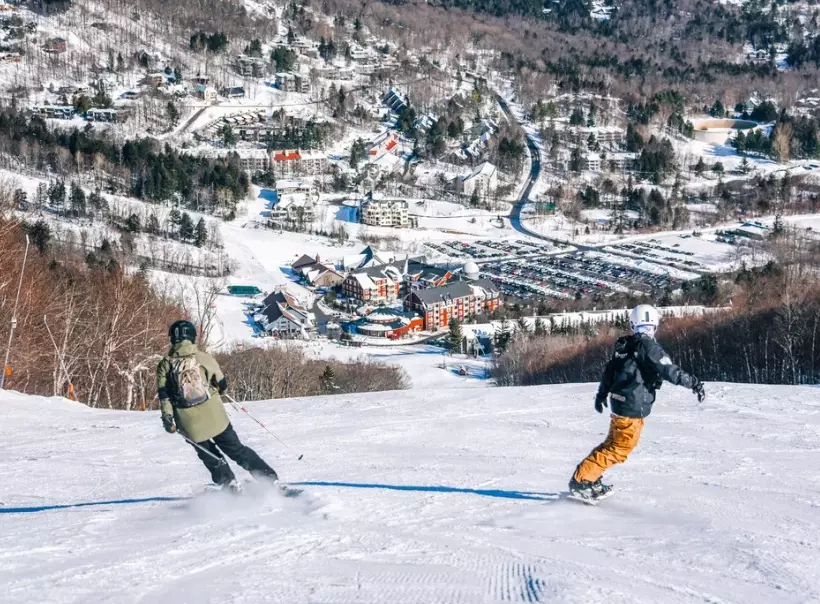
I remember my first trip to Stratton Mountain in Vermont. The green circles (beginner trails) were wide and well-groomed, perfect for building confidence. Sure, the vertical drop isn't as dramatic as in Colorado, but that's a good thing when you're just starting out.
Top 5 East Coast Ski Resorts for Beginners
Here are my top picks based on terrain, instruction, and overall vibe. I've included key details so you can plan directly.
| Resort | Location | Beginner Trails | Lift Ticket (1-Day Adult) | Ski School Price (Group Lesson) | Why It's Great for Beginners |
|---|---|---|---|---|---|
| Stratton Mountain | Stratton, VT 05155 | 30% green trails | $120-$150 | $150 for 2.5 hours | Dedicated learning zone, gentle slopes, excellent instructors |
| Sunday River | Newry, ME 04261 | 25% green trails | $110-$140 | $140 for 2 hours | Extensive snowmaking, beginner packages, friendly atmosphere |
| Snowshoe Mountain | Snowshoe, WV 26209 | 20% green trails | $100-$130 | $130 for 2 hours | Southern location, less crowded, great for families |
| Camelback Mountain | Tannersville, PA 18372 | 15% green trails | $80-$110 | $120 for 2 hours | Close to NYC, affordable, good for day trips |
| Bretton Woods | Bretton Woods, NH 03575 | 35% green trails | $115-$145 | $160 for 3 hours | Most beginner terrain in NH, scenic views, less icy conditions |
Note: Prices vary by season and day; check resort websites for current rates. Most resorts open from late November to early April, with hours typically 9 AM to 4 PM. For transportation, Stratton is about 3.5 hours from Boston via I-93 and Route 30, while Camelback is 2 hours from NYC via I-80.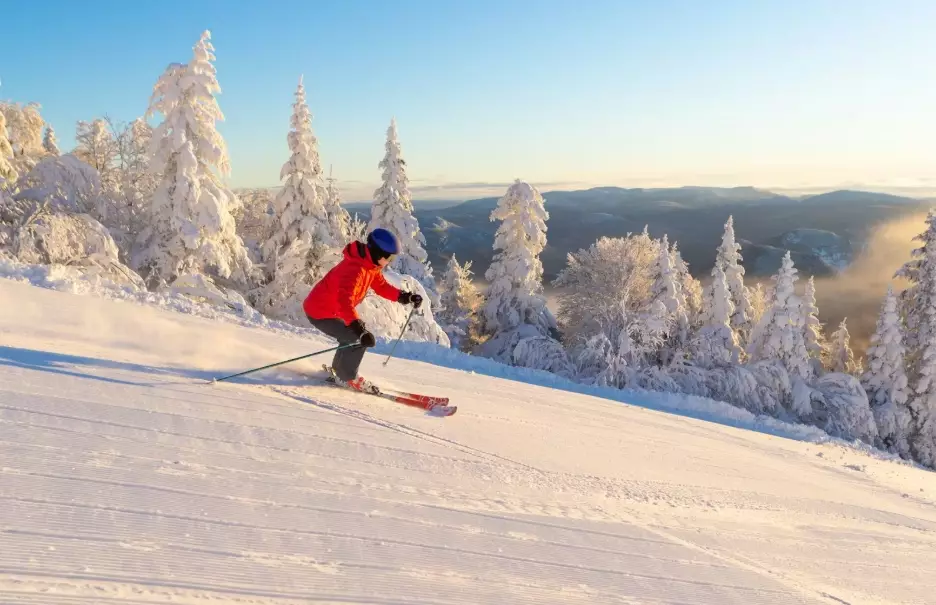
Stratton Mountain: A Beginner's Haven
Stratton in Vermont is my go-to for first-timers. The Sun Bowl area has wide, forgiving trails like "Wanderer" that let you practice turns without pressure. Their ski school, led by PSIA-certified instructors, focuses on fun—I've seen kids and adults alike progress quickly. One downside: weekends get busy, so aim for weekdays if you can. Lift tickets can be pricey, but they often offer beginner packages that include gear rental and lessons.
Sunday River: Snowmaking Mastery
Sunday River in Maine boasts some of the best snowmaking on the East Coast, thanks to investments reported by the National Ski Areas Association. This means consistent snow on beginner trails like "Monday Morning." Their learning center is separate from advanced areas, reducing intimidation. I took a lesson here years ago, and the instructor pointed out a subtle mistake: beginners often lean back on their skis, but here, they teach you to stay forward for better control.
Snowshoe Mountain: Southern Charm
Snowshoe in West Virginia offers a relaxed vibe. The Basin area has gentle slopes, and because it's further south, crowds are thinner. It's ideal if you're coming from Washington D.C. or Raleigh. The resort village has affordable lodging, but book early—rooms fill up during holidays.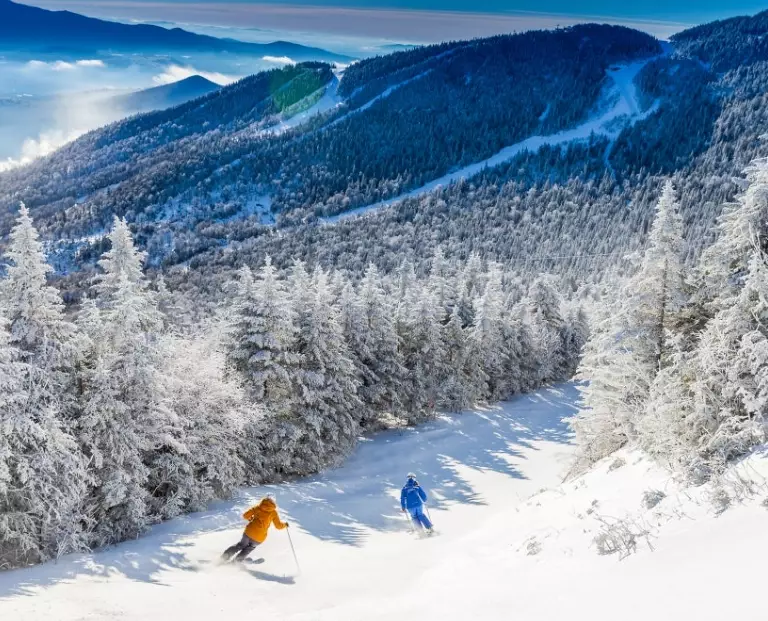
Camelback Mountain: Accessibility King
Camelback in Pennsylvania is perfect for a quick getaway from New York City. The "Sullivan Express" lift services beginner trails, and they have night skiing on select days. It's budget-friendly, though the terrain can get icy in January. My tip: visit in December or March for softer snow.
Bretton Woods: Scenic and Serene
Bretton Woods in New Hampshire has the highest percentage of green trails in the region. The views of Mount Washington are stunning, and the snow tends to be less icy due to its northern location. It's family-oriented, with a ski school that uses terrain-based learning—think mini-mounds and banked turns to build skills naturally.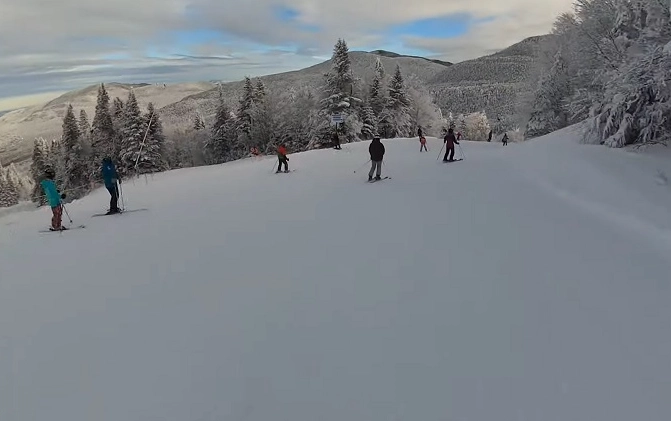
What Makes a Ski Resort Beginner-Friendly?
Look for these features when choosing a resort. It's not just about green trails; it's the whole experience.
Dedicated Learning Zones: Areas separated from expert slopes, like Stratton's "Learning Park." This reduces anxiety and lets you focus.
Quality Snowmaking: Resorts with advanced snowmaking, such as Sunday River, ensure you have snow even in warm spells. This is a game-changer for beginners who need predictable conditions.
Patient Instructors: PSIA-certified schools, like at Bretton Woods, use proven methods. Avoid resorts where lessons feel rushed—I once saw a group lesson at a smaller hill where the instructor spent more time on their phone.
Affordable Packages: Many resorts offer "Learn to Ski" deals that bundle lift tickets, rentals, and lessons. For example, Snowshoe's package starts around $200 for a day, which is a steal.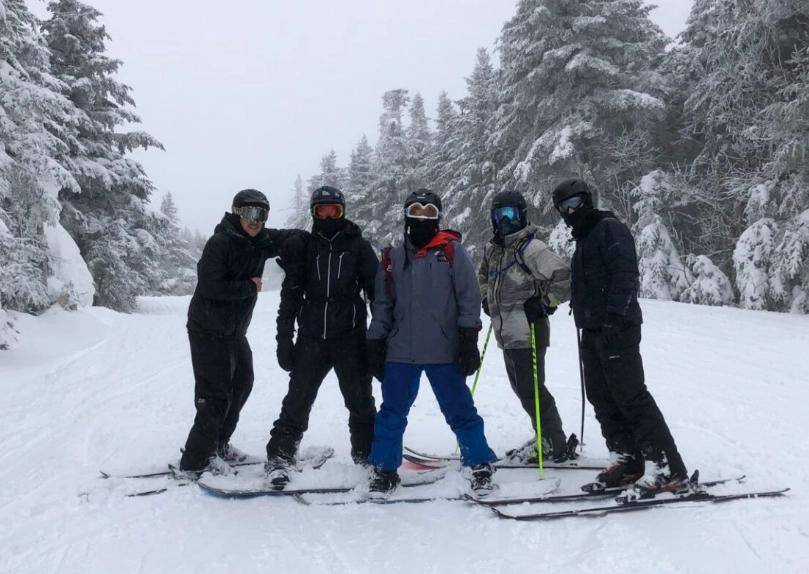
Non-Consensus View: Beginners often skip lessons because a friend offers to teach. Bad idea. Friends mean well, but they might pass on bad habits or push you too fast. A pro instructor spots subtle errors, like improper pole use, that can hold you back for years. Invest in at least one group lesson—it's worth every penny.
How to Plan Your First Ski Trip: A Step-by-Step Guide
Planning doesn't have to be overwhelming. Follow these steps to avoid stress.
Step 1: Pick Your Resort Based on the table above, consider distance and budget. If you're in New England, Stratton or Bretton Woods are solid. From the Mid-Atlantic, try Camelback or Snowshoe.
Step 2: Book in Advance Lift tickets and lessons are cheaper online. For instance, Sunday River offers 20% off if you book a week ahead. Lodging fills fast—reserve at least a month prior for weekends.
Step 3: Gear Up Rent equipment at the resort for your first time. It's convenient and ensures proper fitting. If you buy later, start with boots—comfort is key. I made the mistake of buying cheap skis early on; they were heavy and hard to control.
Step 4: Plan Your Day Arrive early to avoid lines. Take a lesson in the morning when you're fresh. Spend the afternoon practicing on green trails. Don't overdo it—skiing is tiring, so take breaks.
Step 5: Consider Transportation Driving? Check road conditions via state DOT websites. Some resorts, like Snowshoe, have shuttle services from nearby airports.
Essential Gear and Tips for New Skiers
You don't need fancy gear, but getting the basics right matters.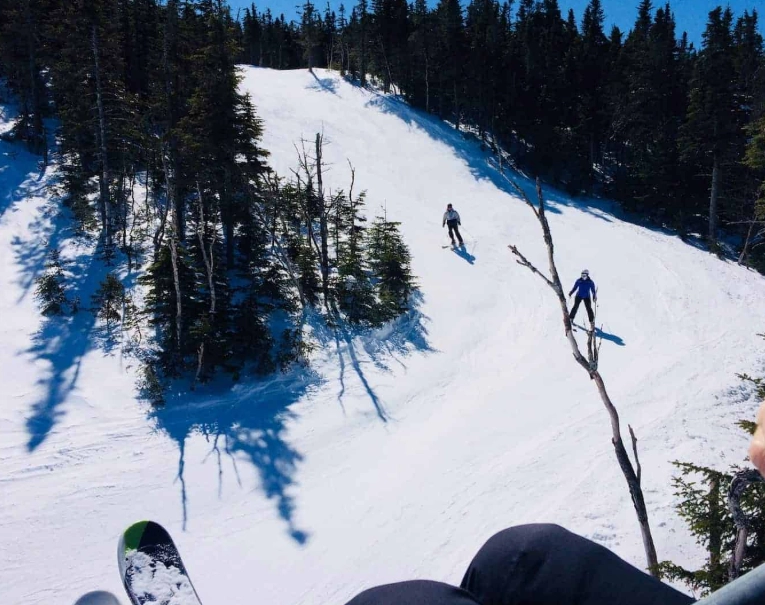
Clothing: Dress in layers—a moisture-wicking base, insulating mid-layer, and waterproof jacket and pants. Avoid cotton; it gets wet and cold. I use a cheap polyester base from a sports store, and it works fine.
Helmet: Non-negotiable. Rent one or buy; they're included in most rental packages. Safety first.
Goggles: Protect your eyes from wind and sun. Even on cloudy days, they help with visibility.
Tips for Success: Start on the easiest green trail. Practice stopping and turning before going faster. Use the "pizza slice" (snowplow) to control speed. And don't look down at your skis—focus ahead where you want to go.
One subtle error: beginners often tense up, making falls harder. Stay relaxed, bend your knees, and if you fall, try to slide on your side rather than bracing with your arms.
Frequently Asked Questions (FAQ)
Final thought: East Coast skiing for beginners is about finding the right fit. Don't get hung up on glamour; focus on comfort and learning. Pick a resort from this list, book a lesson, and give it a shot. You might just fall in love with the slopes.
Related Articles

Comments
Join the discussion