Guide Highlights
Let's be real for a second. Walking into a ski shop or scrolling through endless online reviews can feel like trying to decipher a foreign language. Carbon this, rocker that, twin-tip something-or-other. Every brand claims to have the "best" ski, the "most revolutionary" technology. It's enough to make you want to just rent again and be done with it.
But buying your own pair? That's a game-changer. It's the difference between dancing in shoes that fit and clomping around in borrowed boots. I remember my first real pair of skis – it wasn't the most expensive, but it was mine, and it understood my mediocre turns and my fear of icy patches. Suddenly, skiing felt different. More personal.
So, how do you cut through the noise and find the best ski brands for you? Not for some pro in a flashy video, but for your legs, your local mountain, and the kind of day you dream about having.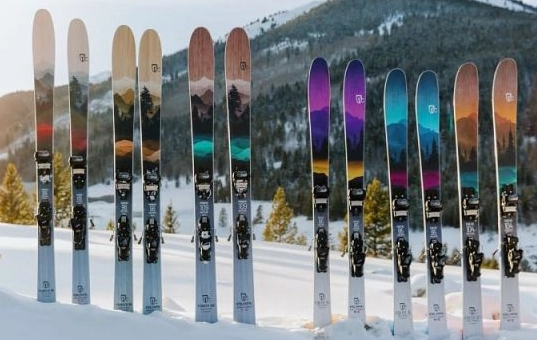
That's what this is. This isn't a listicle copied from a press release. We're going to dig into what makes these top ski brands tick, who they're really built for, and where they sometimes miss the mark. We'll talk about the engineering, sure, but also the feel, the personality, and the sometimes-overlooked details that matter when you're halfway down a run and your legs are burning.
The Contenders: Breaking Down the Top Ski Brands
Think of ski brands like car companies. Some are the reliable Toyotas, some are the precision-engineered BMWs, and others are the quirky Subarus that excel off the beaten path. There's no single "best" brand overall, only the best brand for a specific driver (or skier).
To make sense of it all, let's start with a high-level view. The table below isn't about ranking one over another; it's about identifying their core DNA – the thing they do better than almost anyone else.
| Brand | Core Strength / Reputation | Typical Skier Match | Price Point Vibe |
|---|---|---|---|
| Atomic | All-Mountain Precision & Race Heritage | The confident, aggressive skier who values predictable performance on groomers and wants to venture everywhere. | Premium to High-End |
| Salomon | Accessible Innovation & Versatility | >The modern, progressing skier looking for easy-to-use technology that performs well across the whole mountain.Mid-Range to Premium | |
| Rossignol | Heritage & Refined All-Mountain Performance | >The traditionalist who appreciates proven design, smoothness, and a ski that feels "just right" in classic conditions.Wide Range (Good Value to High-End) | |
| K2 | Playful & Forgiving Freeride/Freestyle | >The fun-seeking skier who prioritizes smiles over stats, loves bumps, trees, and a loose, surfy feel.Mid-Range to Premium | |
| Nordica | Powerful & Stable Charging | >The strong, directional skier who attacks the fall line and wants a ski that feels planted and powerful at speed.Premium to High-End | |
| Blizzard | High-Performance Build Quality | >The discerning skier who wants exceptional construction, damper (quieter) skis, and top-tier materials without the flash.Premium to High-End | |
| Armada | Progressive Freeride & Powder | >The adventurous skier who lives for deep snow, big mountain lines, and values durability and a unique character.Mid-Range to Premium | |
| Volkl | German Engineering & Damp Stability | >The technical skier seeking ultra-precise, stable, and confidence-inspiring skis, especially on hard snow.Premium to High-End |
See? Already it gets clearer. If you're a beginner, seeing "Race Heritage" or "Powerful Charging" might tell you to look elsewhere first. If you live for powder days, your eyes probably went straight to Armada.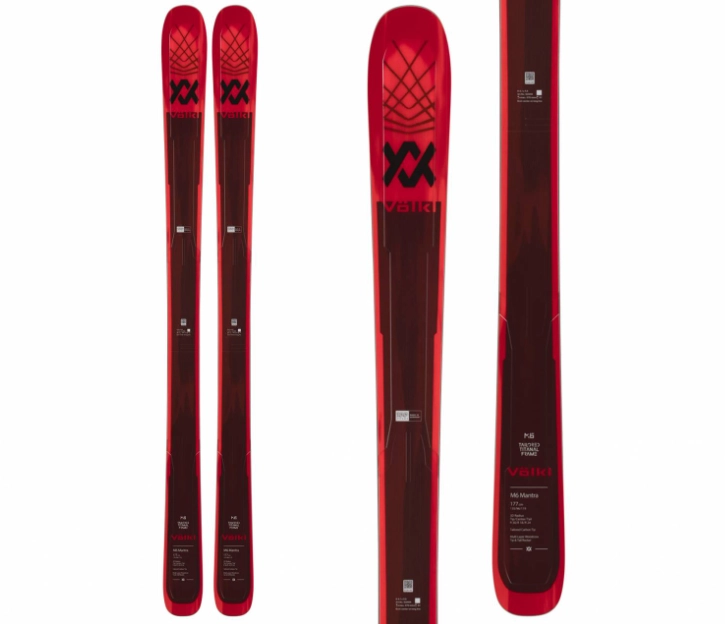
Deep Dive: What These Best Ski Brands Actually Deliver
Okay, so we know their personalities. But what does that mean when you're actually skiing? Let's get into the nitty-gritty of a few standout names and the specific models that make them some of the best ski brands in the world.
Atomic & Salomon: The Tech-Powered Front-Runners
These sister brands (both under the Amer Sports umbrella, like Arc'teryx) are absolute powerhouses in ski technology. They invest heavily in R&D, and it shows.
Atomic's claim to fame is their "Redster" series for racing and their "Bent" series for freeride. The Bent Chetler series, for example, is a cult favorite for good reason. It's incredibly light, maneuverable in powder, and surprisingly versatile. But here's the thing – that light weight can be a drawback on hard, choppy snow where you might want a heavier, damper ski to plow through. It's a trade-off. For the all-mountain skier, the Atomic Maverick series is where they truly shine, offering a blend of their race-born precision with more forgiving shapes.
Salomon, on the other hand, has mastered the art of user-friendly performance. Their "Mindbender" series is a masterpiece of accessible tech. They use a thing called "C-shaped" carbon inlays that basically make the ski strong and stable underfoot but softer and easier to bend at the tip and tail. This is genius for intermediate to advanced skiers. It means you get high-performance feel without needing the legs of a World Cup racer to initiate a turn. The Salomon Stance series is another winner for those wanting a more powerful, directional version of that same philosophy.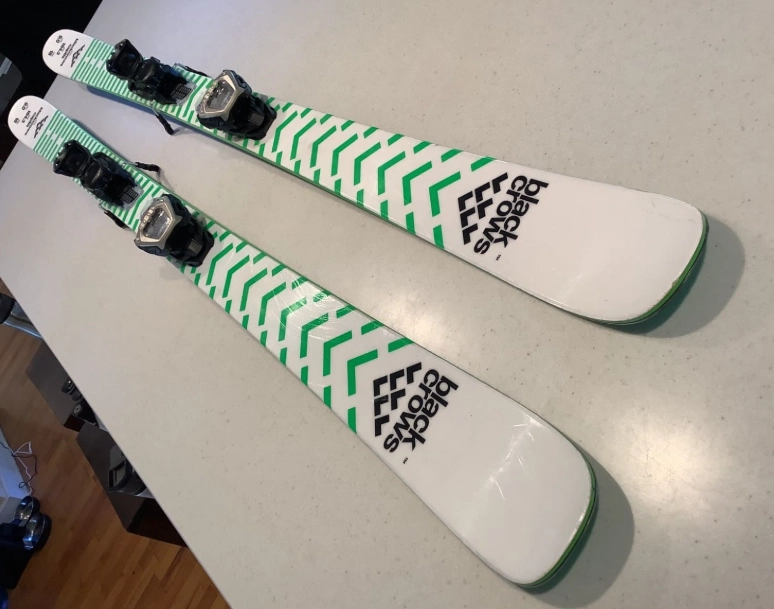
Are they the best ski brands for a pure beginner on a tight budget? Maybe not. But for someone progressing fast and wanting tech that helps them ski better, they're incredibly hard to beat.
Rossignol & K2: The Icons of Feel
These two have soul. Rossignol is one of the oldest names in the game, and they have a certain "Frenchness" – a focus on smoothness, balance, and a particular kind of elegance. Their "Experience" line of all-mountain skis is their bread and butter. It's not about being the most radical or the stiffest; it's about being incredibly well-rounded, predictable, and enjoyable. The Rossignol Blackops series is their more playful, freeride-oriented line, showing they can do fun too. You're buying heritage and refinement with Rossignol.
Then there's K2. If Rossignol is a fine wine, K2 is a craft IPA – approachable, fun, and full of character. K2 practically invented the modern freestyle ski, and that playful DNA runs through almost everything they make. Their most famous model, the K2 Mindbender (yes, similar name, different brand from Salomon!), is a fantastic all-mountain ski that forgives mistakes and encourages you to play. Their "Reckoner" series is pure park and pipe joy. The potential downside? That same forgiving, playful nature can sometimes feel less precise and direct when you're trying to carve razor-sharp turns on a groomer. It's a choice.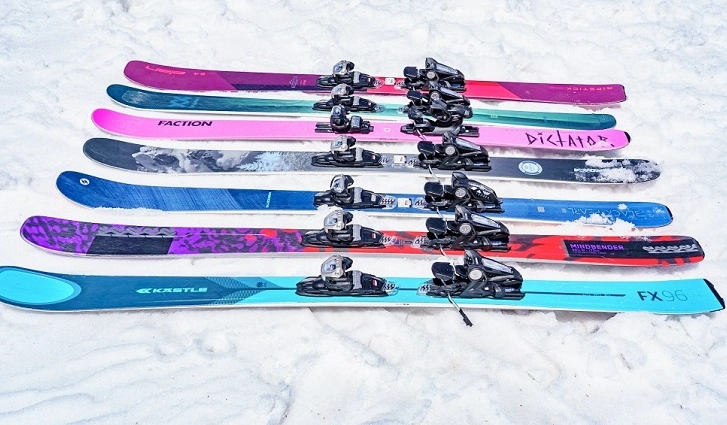
The Specialists: Nordica, Blizzard, Armada, Volkl
This group contains some of the most respected "skier's skis" on the planet.
Nordica makes skis for people who like to go fast. Their Enforcer series is legendary – a bit heavier, incredibly stable, and packed with metal laminates that absorb chatter. You drive these skis; they don't drive you. They demand good technique but reward it with limitless confidence at speed. Not the best choice for a timid skier.
Blizzard is the quiet achiever. Based in Austria, they focus obsessively on build quality and materials. Their Bonafide and Rustler series are consistently rated among the top all-mountain skis by publications like Ski Magazine. They feel solid, damp (meaning they quiet vibrations), and incredibly well-made. You pay for it, but you get a tool that lasts.
Armada was founded by pro skiers and it shows. They are the go-to for many big mountain and freeride athletes. The ARV series is their all-mountain freestyle core, but it's their powder skis like the Declivity or the insane JJ Utthat are works of art in deep snow. They're durable, have unique shapes (like their "LowRize" rocker profile), and a distinct, surfy character. Less ideal for Midwest ice, but in their element, they're sublime.
Volkl is German engineering on snow. Precision, reliability, and a focus on piste performance. Their Mantra series is the archetype of a hard-snow charger that can handle anything. They use technologies like their "Titanal Frame" to create a distinct, powerful flex pattern. They can feel demanding, but for a strong technical skier, they offer a level of feedback and precision that is addictive.
How to Actually Choose: Your Personal Decision Matrix
So you've got the brand rundown. Now, how do you apply it? Let's build a decision framework, step by step.
First, ask yourself these questions, in this order:
- Where do I ski most? (East Coast ice? Midwest groomers? Rocky Mountain powder? A bit of everything?)
- What's my skiing style and ambition? ("I like cruising blue runs" vs. "I want to hit every bump and jump" vs. "I want to go faster and carve harder every season")
- What's my honest ability level? (Beginner, solid intermediate, advanced, expert). Be ruthless here. An overly demanding ski will stunt your progress.
- What's my budget? Remember to factor in bindings (often sold separately).
Your Ski Brand Matchmaking Flow:
If your answer to #1 is "Powder/West Coast" & #2 is "Fun/Playful" → Look strongly at Armada, K2, Moment (a great indie brand).
If your answer to #1 is "Hard Snow/Groomers" & #2 is "Precision/Speed" → Your wheelhouse is Volkl, Nordica, Blizzard, Atomic.
If your answer to #1 is "Everything" & #2 is "Versatility/Progressing" → The sweet spot for Salomon, Rossignol, Atomic Maverick, Blizzard Rustler.
If your answer to #3 is "Beginner/Low Intermediate" → Focus on models, not just brands. Look for "system skis" from Rossignol or Salomon that include integrated bindings, or entry-level all-mountain shapes from any major brand. Avoid race, powder, or ultra-stiff models.
The Binding Question (It Matters)
Skis are one half of the equation. Bindings are the critical link between you and them. Most major ski brands also make excellent bindings (Look, Tyrolia, Salomon/Atomic). For most recreational skiers, a quality all-mountain binding from these manufacturers is perfect. The key is to have them properly adjusted to your DIN setting (based on weight, ability, and boot sole length) by a certified ski technician. This is non-negotiable for safety. The Professional Ski Instructors of America & American Association of Snowboard Instructors (PSIA-AASI) emphasizes proper gear setup as fundamental to safe skiing.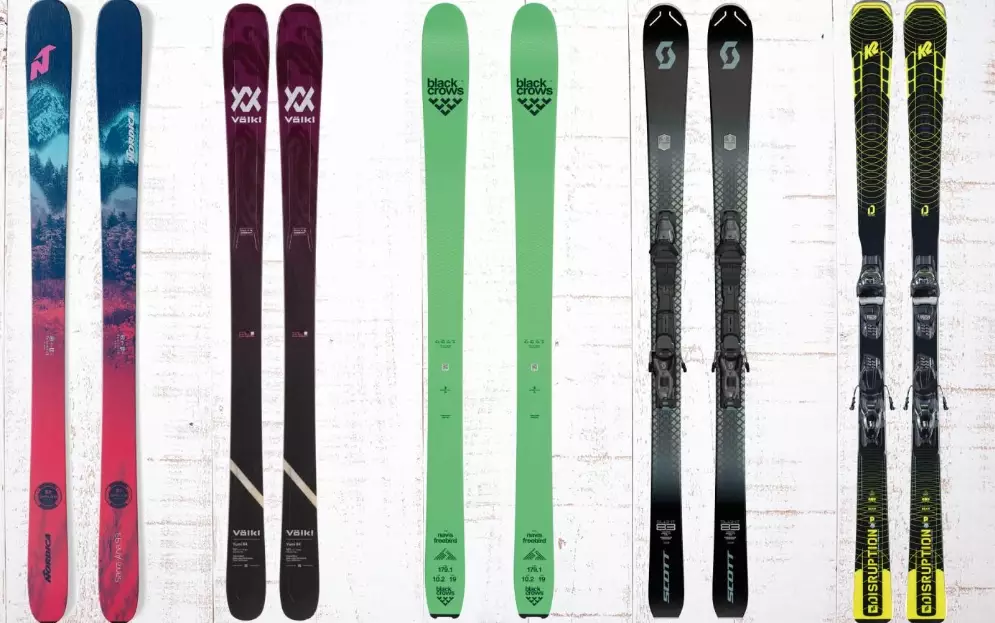
Answering Your Burning Questions (FAQ)
There isn't one. Seriously. It's like asking for the #1 best shoe. For running a marathon? Hiking a mountain? Going to a wedding? The "best" ski brands are the ones that best match your personal criteria, not a global ranking. A brand that's #1 for a pro freerider might be the worst possible choice for a cautious beginner.
Up to a point, yes. More money typically gets you better materials (lighter woods, higher-grade metals, more sophisticated composites), more refined construction, and often better performance, especially in challenging conditions like ice or crud. However, the law of diminishing returns applies hard. The jump from a $400 ski to a $700 ski is massive. The jump from a $700 ski to a $1,200 ski is much subtler and often only noticeable to expert skiers. Don't buy a Ferrari for your learner's permit.
With normal recreational use (15-30 days a season), a good pair of skis from the best ski brands should last 5-8 seasons before they start to feel "dead" (lose their pop and liveliness). The bases and edges will need regular tuning, but the core structure holds up. Aggressive skiers or those who ski 50+ days a year will wear them out faster.
This is one of the smartest moves you can make. Ski technology evolves, but not radically every year. Last year's top model from Atomic, Salomon, or Nordica is often 30-40% cheaper and 99% as good as the new version with a different graphic. Websites like Evo or Backcountry are great for this.
It's highly recommended. An ideal East Coast ski is narrower underfoot (85-100mm), has a strong edge hold technology (like Volkl's "3D Radius Sidecut" or Blizzard's "Flipcore"), and is damp for ice and hard pack. A West Coast ski can be wider (100-120mm+), have more rocker for float, and might prioritize playfulness over sheer carving power. If you can only have one pair and travel to both, aim for a mid-width (95-105mm) all-mountain ski with good edge grip.
The Final Run: Putting It All Together
Choosing from among the world's best ski brands is a personal journey. It's about aligning engineering with emotion, specs with sensation.
My final, non-negotiable piece of advice? Demo before you buy. Most good ski shops and resorts have demo programs where you can rent high-end skis for a day. Try a Volkl Mantra in the morning and a K2 Mindbender in the afternoon. The difference will be stark and illuminating. Your legs will tell you what your brain can't figure out from a spec sheet.
Look, a ski is a tool for joy. The best ski brands have spent decades trying to bottle that feeling—the effortless carve, the float in powder, the pop off a bump. Your job is just to find the bottle that fits your hand. Start with the categories and personalities we talked about, be honest about where and how you ski, and don't be afraid to trust a feeling over a marketing slogan.
Now get out there. The mountains are waiting, and your perfect pair of planks is out there somewhere, probably sitting in a shop or a warehouse, just hoping you'll take them for a spin.
Good luck.
Related Articles

Comments
Join the discussion