Let's cut to the chase. You're tired of lift lines, tracked-out runs by 10:30 AM, and the feeling that you're just another skier on the conveyor belt. You want the real backcountry experience—vast, silent bowls of untouched powder—but maybe the helicopter price tag or the commitment to full-on ski touring gives you pause. That's where cat skiing operations come in. They're the sweet spot, offering access to massive, untracked terrain via a snowcat, often at a fraction of the cost of heli-skiing. But not all cat skiing operations are created equal. Finding the right one is the difference between the ski day of your life and an expensive letdown.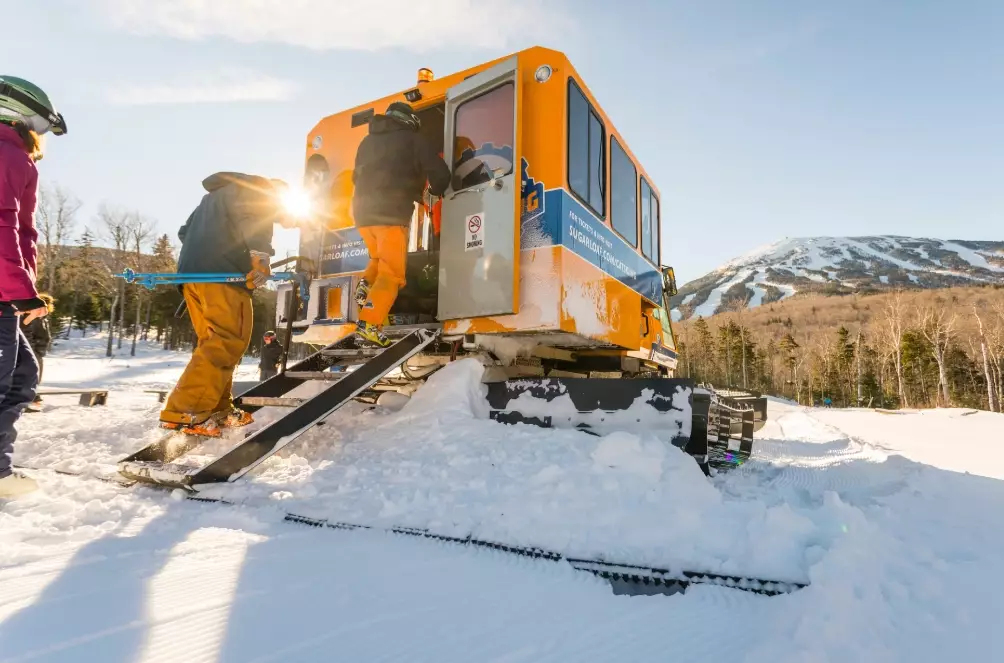
Your Powder Hunting Roadmap
What is Cat Skiing, Really?
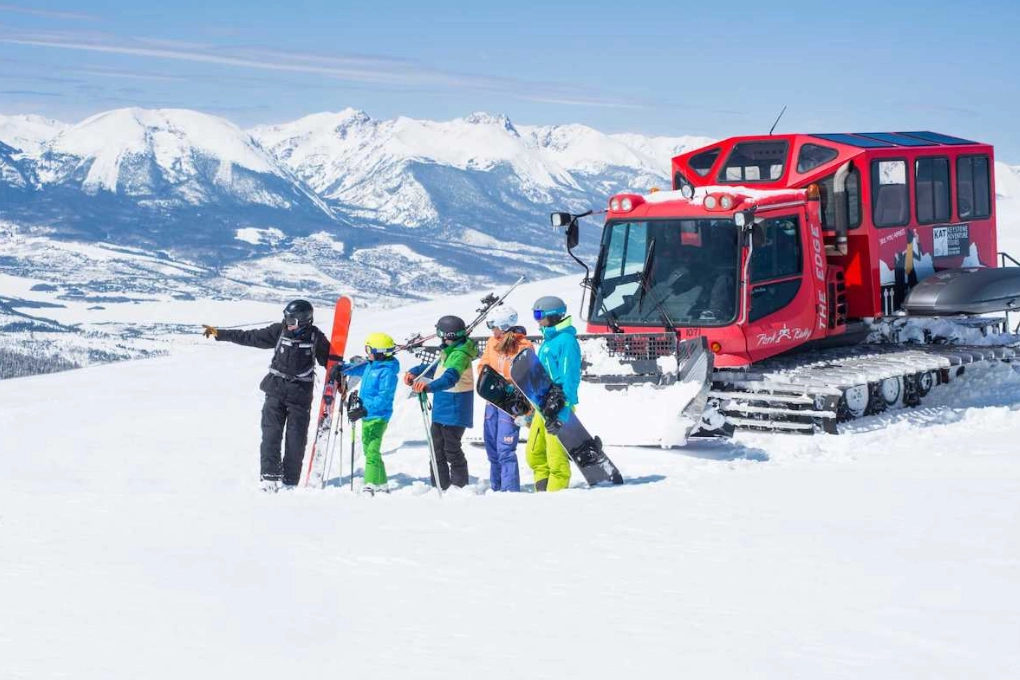
Forget the resort. Cat skiing uses a tracked, enclosed snowcat vehicle—think of a tank-bus hybrid—to shuttle small groups of skiers and riders up remote, roadless mountains. The terrain is almost always on private tenure or special-use permits, meaning it's exclusively for your group. No other humans. Just you, your guide, and thousands of acres of powder.
The appeal is obvious: massive vertical (often 10,000+ feet per day), untouched snow that lasts all day, and a guided experience that handles the route-finding and avalanche safety. It's not just skiing; it's an expedition into the heart of winter.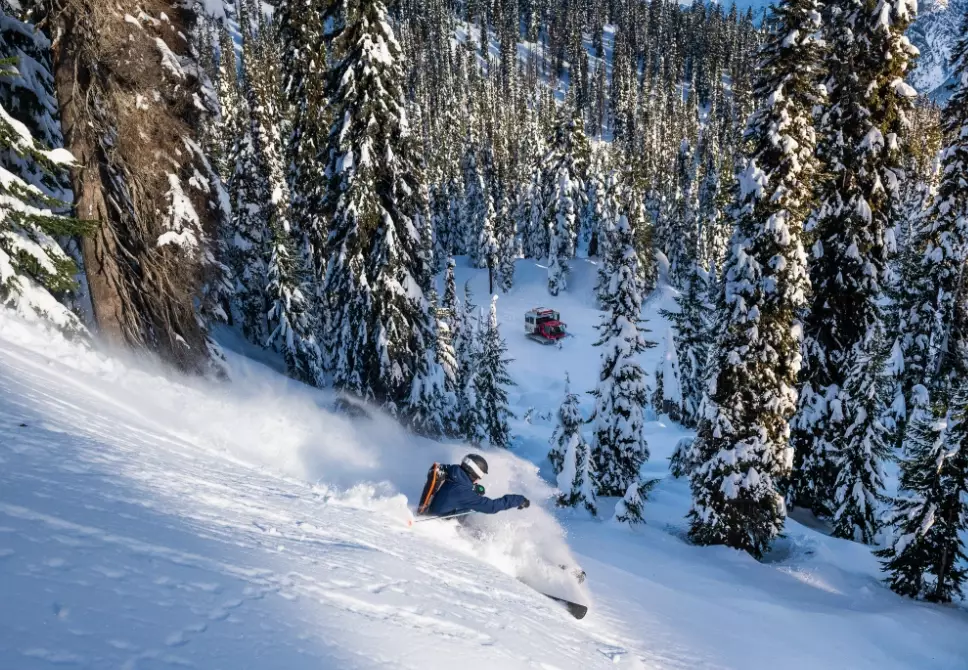
How to Choose the Right Cat Skiing Operation for You
This is where most people mess up. They book based on a cool Instagram video or a friend's vague recommendation, without matching the operation's style to their own ability and goals. A place perfect for expert big-mountain chargers might be a nightmare for a strong intermediate looking for open glades.
Terrain Profile: This is the big one. Ask specifically: Is it mostly steep alpine bowls, or rolling treed glades? What's the average pitch? Operations are usually transparent about this. If they say "experts only," believe them.
Group Size and Vibe: How many people are in the cat? 12? 16? 24? Smaller groups mean more runs and a more intimate experience, but often a higher price. Also, some ops have a party-hearty reputation, others are more focused on pure skiing. Know which you want.
Guide-to-Guest Ratio: A ratio of 1 guide to 5-6 guests is solid. One guide for 12 people means less personalized attention and potentially slower decision-making.
Safety Protocol: Any reputable operation will be a member of their national guiding association (like the Association of Canadian Mountain Guides in Canada). Don't be shy about asking about their guide training, avy forecasting process, and what safety gear they provide (typically probe, shovel, beacon, and sometimes an airbag).
The Snow Guarantee Myth: No one can guarantee powder. Operations in coastal ranges (BC, Alaska) get more consistent snow but it can be heavier. Interior ranges (Rockies) get lighter, drier snow but less frequently. It's a trade-off. Book for the terrain and experience, not just a weather forecast.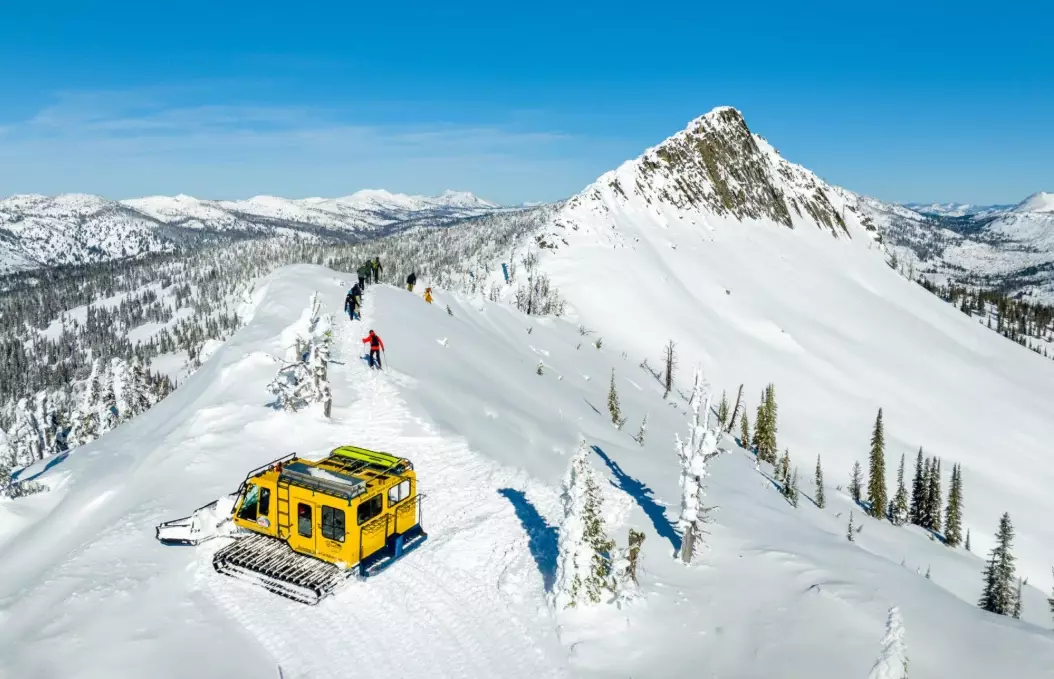
Where to Find the Best Cat Skiing Operations
North America is the undisputed king of cat skiing, with British Columbia, Canada, as its epicenter. But incredible ops exist in the US too. Here’s a breakdown of standout operations, each with a different flavor.
| Operation & Location | Terrain Vibe & Skill Level | Key Details & Who It's For | Ballpark Price (Per Day) |
|---|---|---|---|
| Mustang Powder Monashee Mountains, BC |
Legendary deep powder. Mainly open alpine bowls and glades. Strong Intermediate to Expert. | The classic. Consistently ranked #1 for snow quality and terrain. Small groups (12/cat). Book a year+ in advance. Near Revelstoke. Address/Base: Near Cherryville, BC. Transfers from Revelstoke. |
$1,400 - $1,700 CAD |
| Selkirk Wilderness Skiing Selkirk Mountains, BC |
Massive tenure (over 500 sq km). Mix of alpine, glaciers, and trees. Advanced to Expert. | One of the oldest and largest. Offers multi-day lodge-based trips. A truly immersive backcountry experience. Cat access from their remote lodge. | $1,200 - $1,500 CAD |
| Powder Mountain (Utah) Cat Skiing Utah, USA |
Mellow, fun, and accessible. Wide-open bowls. Intermediate to Advanced. | Attached to a resort, so it's a great intro to cat skiing. Easy to add to a Utah trip. Doesn't require a full-day commitment. Snow is famously dry. | $200 - $400 USD (add-on) |
| Steamboat Powdercats Colorado, USA |
Rolling, fun tree skiing in the Buffalo Pass zone. Strong Intermediate to Advanced. | Fantastic for tree-skiing lovers. Known for great guides and a fun, relaxed atmosphere. Easy access from Steamboat Springs resort town. | $800 - $1,000 USD |
| Baldface Lodge Kootenays, BC |
Steep, deep, and epic. Big mountain lines and pillows. Expert. Period. | Lodge-based cat/heli hybrid. The terrain is for pros and very aggressive experts. Features in many ski films. An absolute pilgrimage for experts. | $1,800 - $2,200 CAD |
A note on Alaska: While famous for heli-skiing, a few cat ops like Chugach Powder Guides offer a more budget-friendly entry into the legendary Alaskan terrain. The snow can be next-level, but the weather is more volatile.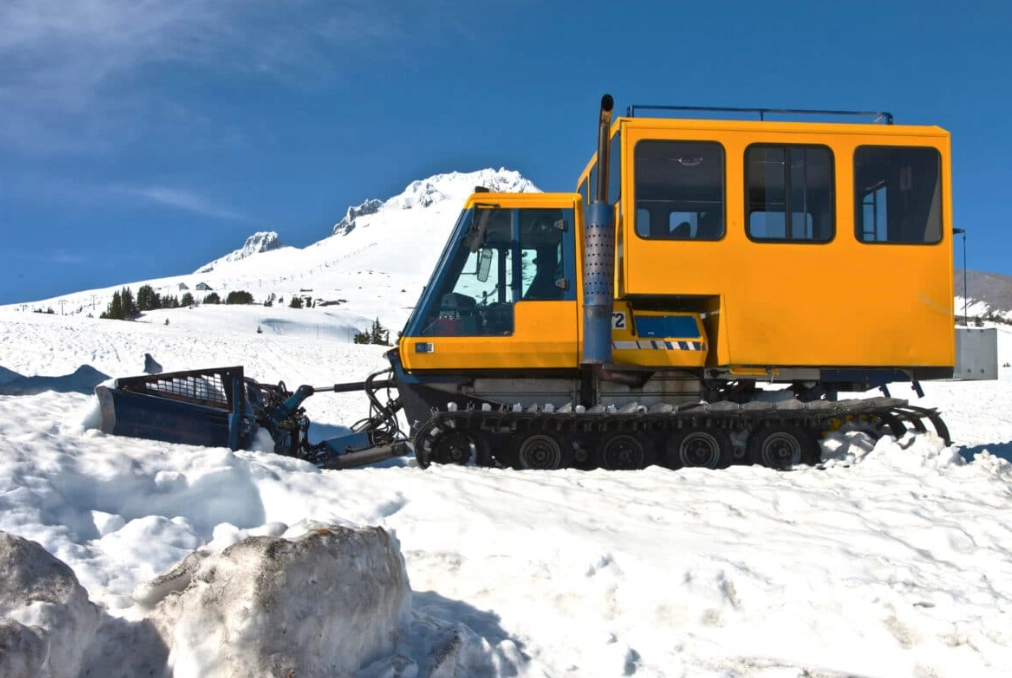
What to Expect on a Cat Skiing Day
Let's walk through a typical day at a place like Mustang or Selkirk. This isn't a resort schedule.
7:00 AM: Meet at the staging area. You'll sign waivers, get fitted for your beacon (they'll test you), and have a strong coffee. Guides give a critical safety briefing. Listen.
7:45 AM: Load into the cat. It's warmer than you think, with bench seats facing each other. Your skis go on the outside racks. The climb begins, often an hour or more into the heart of the tenure.
9:00 AM: First run. The guide drops the door, you step out into silence. They'll explain the run plan, set a safe ski order, and remind you to always keep the person below in sight. Then you drop in. The first turn in untouched snow that goes up to your thighs is a religious experience.
The rhythm is simple: Ski an incredible 1,500-vert run, load back into the cat at the bottom, warm up, sip some soup or tea, repeat. You'll get 8-12 runs like this. Lunch is usually a hot meal served in the cat or at a mid-mountain hut.
3:30 PM: Legs are jelly. You take the final, long run back to the base. High-fives, exhausted smiles, stories already being exaggerated.
The pace is relentless. You need stamina. It's not a casual day.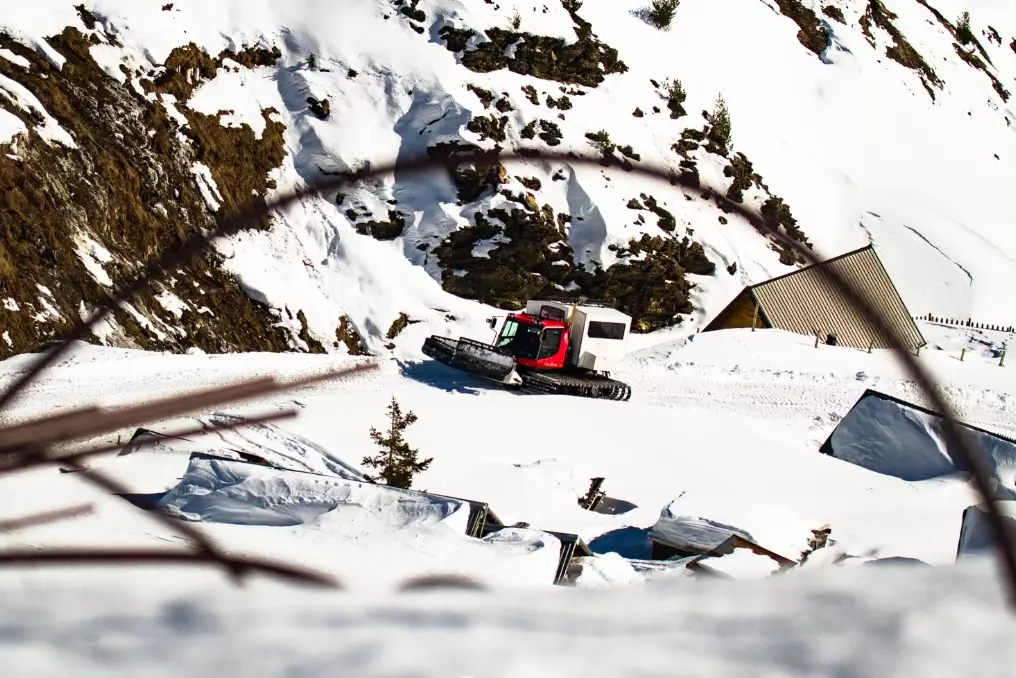
Safety and Preparation: Don't Wing It
This isn't optional. Cat skiing is backcountry skiing. The avalanche hazard is real and managed by professionals, but you are a participant in your own safety.
Fitness: You need legs of steel. Start training months in advance—squats, lunges, cardio. A tired skier is a clumsy skier, and clumsiness in complex terrain leads to injuries.
Gear: Most ops provide the safety trio (beacon, probe, shovel). You need everything else. Fat powder skis (115mm+ underfoot) are non-negotiable. Your 88mm resort carvers will sink and you'll hate your life. A backpack (20-30L) for layers, water, and snacks is essential.
Skills: You must be able to ski all black diamond resort runs in control, in variable conditions. More importantly, you need to be able to stop on command and follow guide instructions exactly. If the guide says "ski here," you ski there. Group discipline is the number one safety tool.
I recommend a single-day backcountry awareness course or even an AIARE 1 course before you go. It transforms you from a passenger into a partner. Resources from Avy Savvy or the HeliCat Canada safety page are great starts.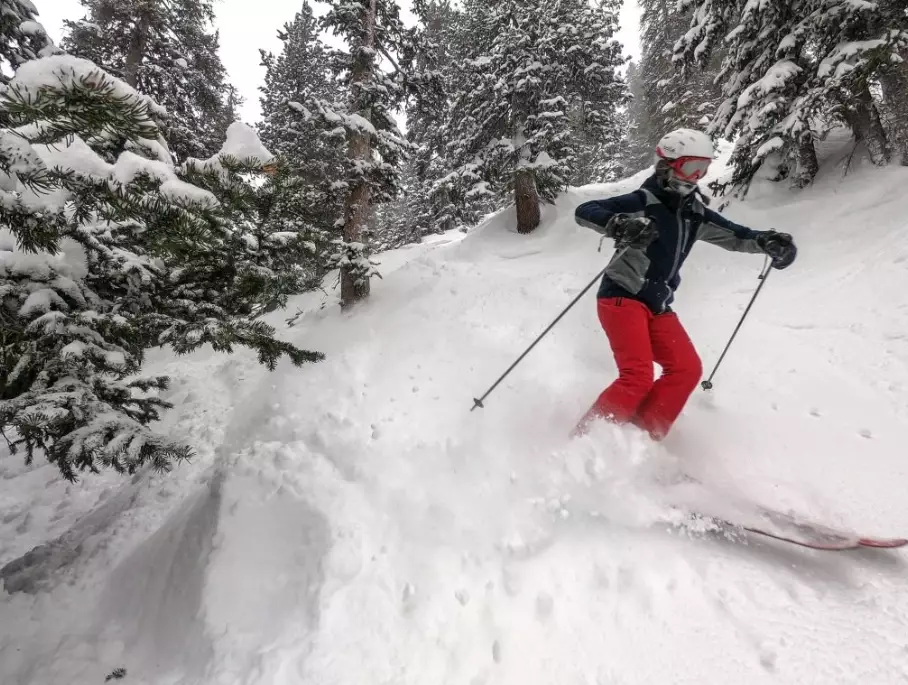
Cat Skiing Questions, Answered by Guides
 Finding the best untracked snow through a cat skiing operation isn't about luck. It's about research, honest self-assessment, and choosing a provider that aligns with what you want out of the mountains. Skip the hype, ask the hard questions, and get ready for the type of skiing that ruins resort days for you forever. In the best way possible.
Related Articles


Comments
Join the discussion