I remember the first time I told a friend I was going skiing in July. The look of pure confusion was priceless. "You mean... water skiing?" No. Real skiing. On snow. In the middle of summer. That's the magic of glacier skiing, and it's just one half of the incredible equation that keeps alpine resorts buzzing long after the winter crowds have gone. The other half? Some of the best mountain biking terrain on the planet, carved right into those same majestic slopes.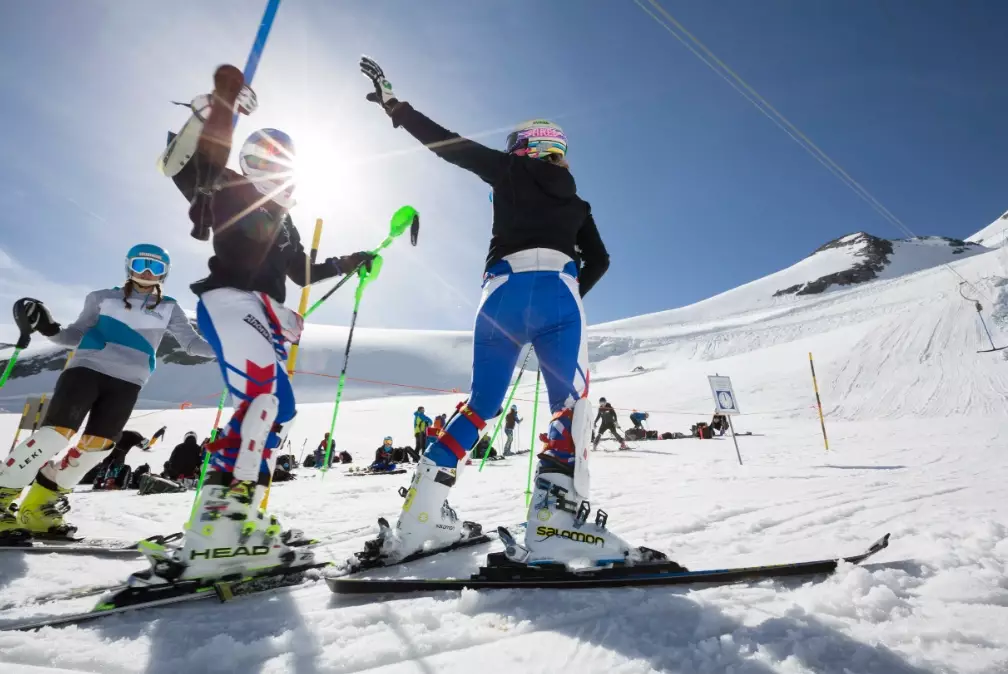
Summer ski resort operations are a brilliant pivot. They transform these massive, engineered landscapes from single-season destinations into year-round hubs of adventure. For you, the traveler, it means getting a double dose of adrenaline in one trip: carve turns on a pristine glacier in the crisp morning air, then swap your skis for a bike and shred legendary downhill trails in the afternoon sun. It's not just possible; it's a perfectly planned day at many top resorts across the Alps, the Rockies, and beyond.
Your Quick Guide to Summer Mountain Fun
What Exactly is Summer Glacier Skiing?
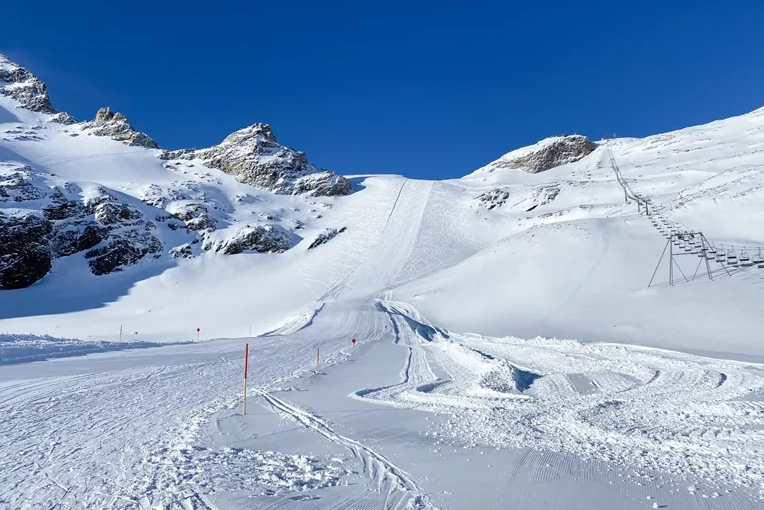
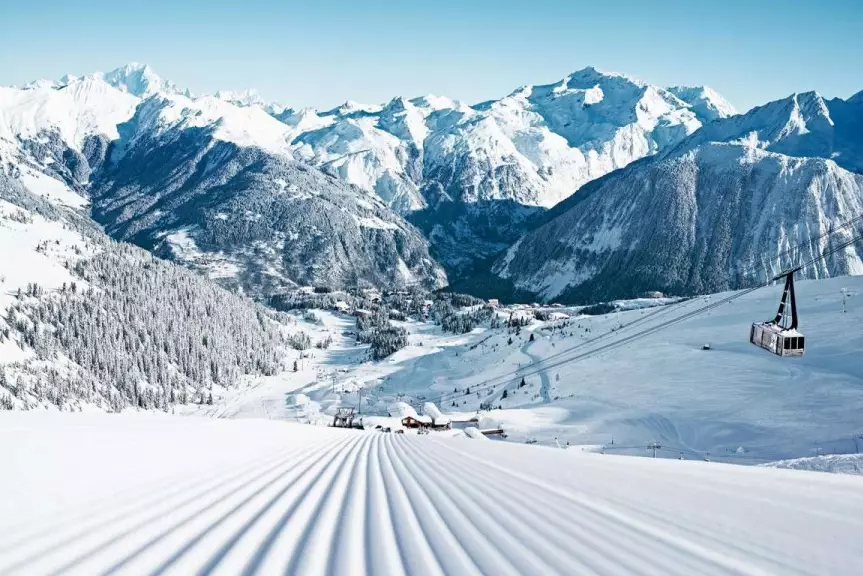
Let's clear the air. This isn't skiing on a slushy, shrinking patch of snow at the top of a mountain. Glacier skiing happens on permanent, moving rivers of ice, often high above 2,700 meters (9,000 feet). Resorts like Hintertux in Austria or Tignes in France maintain extensive lift-served terrain on these glaciers, offering everything from wide-open cruising runs to dedicated race training courses and terrain parks.
The experience is unique. The snow quality in the morning is often excellent—cold, grippy corduroy. By midday, as the sun gets high, it can soften up. The views are insane, looking out over green valleys and rocky peaks devoid of their winter coat. The clientele is a mix: national ski teams training year-round, instructors getting certified, and recreational skiers like us chasing the stoke.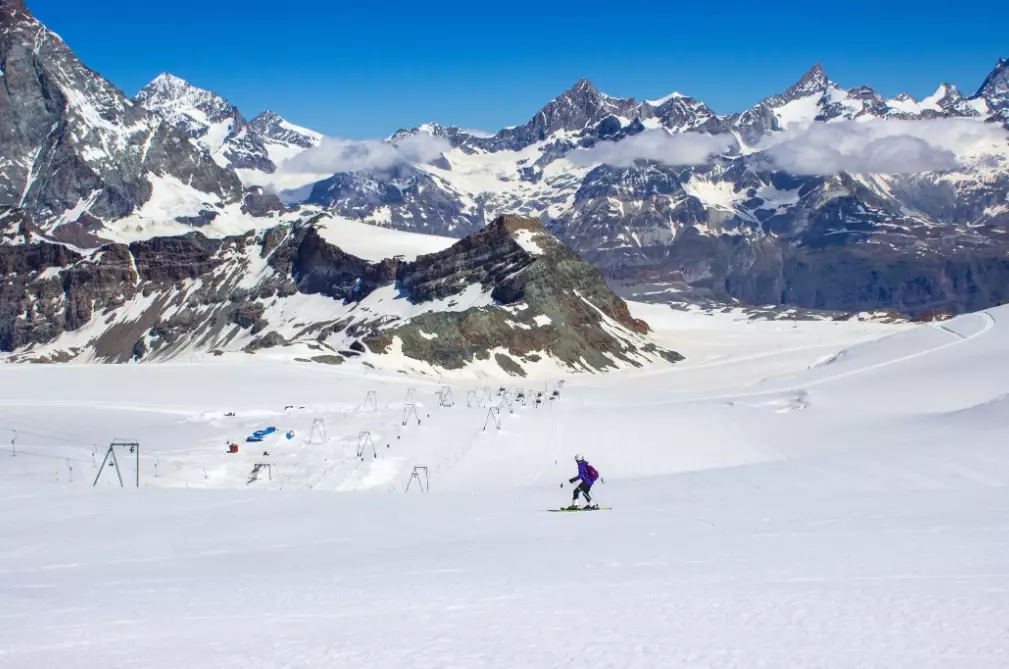
A crucial tip most blogs miss: Sun protection is your #1 priority, not just a suggestion. You're at high altitude with intense sun reflecting off a white surface. I learned this the hard way with a goggle tan that lasted into September. Use a high-SPF, sweat-resistant sunscreen on every exposed inch, including under your chin and nostrils. Lip balm with SPF is mandatory. And good glacier goggles (like category 3 or 4 lenses) aren't a luxury; they're essential eye protection.
Top Resorts for the Ski & Bike Combo
Not every ski area pulls off the summer double. The best have invested in the infrastructure for both. Here’s a breakdown of standout destinations where you can legitimately do both activities in a single day.
| Resort & Country | Glacier Skiing Details | Mountain Biking Scene | The Vibe & Logistics |
|---|---|---|---|
| Hintertux Glacier, Austria | 365-day operation. 20+ km of runs, up to 3,250m. Terrain park, freeride zones. Lifts open from ~8:30 am. Single-day ski pass ~€55. | Zillertal Valley is a bike mecca. Hundreds of km of trails. Direct access to bike parks like Bikepark Zillertal at Hochfügen. Rentals and guides everywhere. | The most reliable snow guarantee. Stay in Mayrhofen (lively) or Tux (quieter). Free ski buses connect villages. Book bike shuttle services for uplifts. |
| Zermatt, Switzerland | Skiing on the Theodul Glacier above Trockener Steg (3,820m!). Linked to Cervinia, Italy. Summer ski area is smaller but spectacular. Day pass ~CHF 75. | Extensive network of e-bike and mountain bike trails. The Gornergrat area offers epic high-alpine rides with the Matterhorn as your backdrop. | Car-free, chic, and expensive. The scenery is unbeatable. You're paying for the iconic views. Combine skiing with a scenic train ride up to Gornergrat. |
| Whistler Blackcomb, Canada | Horstman Glacier on Blackcomb. Summer camps and public skiing accessible via the Peak 2 Peak Gondola. More focused on camps, but public access exists. | World-famous bike park. Over 70 trails, four skill zones. Massive lift-served downhill network. The crown jewel of North American bike parks. | A pure mountain sports paradise. Village is huge with all amenities. Glacier access is more limited for casual public skiing compared to Alps, but the biking is top-tier. |
| Valle Nevado, Chile & Portillo, Chile | Southern Hemisphere flip! Their winter is our summer (June-Sept). Not glaciers, but full-scale winter ski resorts. Valle Nevado has modern lifts, Portillo is legendary steeps. | Less about lift-served bike parks, but the Andes offer incredible backcountry and enduro riding. Often a separate trip focus. | The ultimate "reverse season" fix. A longer haul flight, but you get full-blown winter conditions. Combine with a trip to Santiago or Mendoza. |
My personal favorite for a first-timer is the Austrian Tirol region, like Hintertux or the Stubai Glacier. The efficiency, the interconnectedness of the lift systems, and the sheer density of bike trails in the valleys below make planning seamless. You can buy a combo pass in some areas, or just get separate day tickets.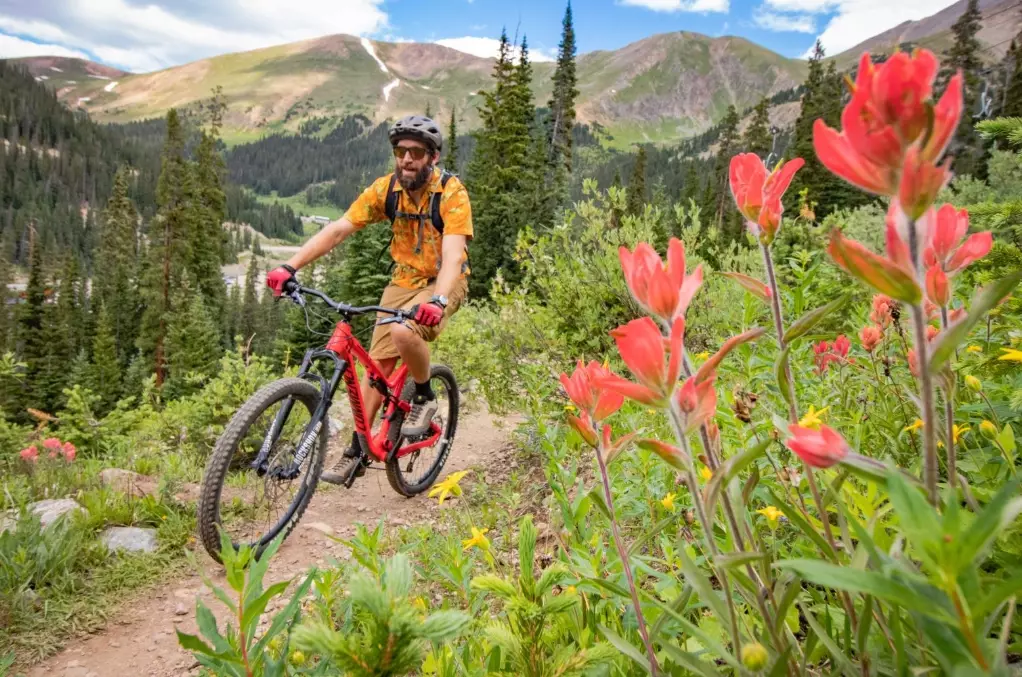
Planning Your Summer Ski & Bike Trip: A Realistic Timeline
Thinking about doing both in one day? It's totally feasible, but it's a marathon, not a sprint. Here’s how a perfect day might unfold:
- 7:00 AM: Wake up, check the glacier webcam. Clear sky? Go for it.
- 8:00 AM: Drive/take bus to glacier base station. Layer up – it's cold up there.
- 8:30 AM - 12:00 PM: Ski session. Get your laps in on the best corduroy. The light is beautiful, the snow is fast.
- 12:30 PM: Back at the base. Stow ski gear in car/locker. Major wardrobe change.
- 1:30 PM: Grab a quick, hearty lunch. You'll need the fuel.
- 2:30 PM: Pick up your pre-booked downhill bike. Get your protective gear on (knee pads, full-face helmet if you're going hard).
- 3:00 PM - 6:00 PM: Bike park session. Start on a blue flow trail to warm up, then progress.
- 7:00 PM+: Apres-bike. Burger, beer, and comparing GoPro footage. You've earned it.
This pace is intense. A more relaxed, and in my opinion smarter, plan is to dedicate alternate days to each sport. Your legs will thank you. Skiing uses a different muscle set than aggressive downhill biking, but both are taxing.
Booking and Logistics: Don't Get Caught Out
Book your accommodation early, especially for July and August. These are prime European vacation months. I made the mistake of thinking "summer in the mountains" would be quiet – it's not. The towns are full of hikers, bikers, and climbers.
Reserve your mountain bike, especially a high-quality downhill rig, a few weeks in advance. The good ones sell out. For skiing, you can usually rent at the glacier base, but if you have specific boot preferences, bring your own.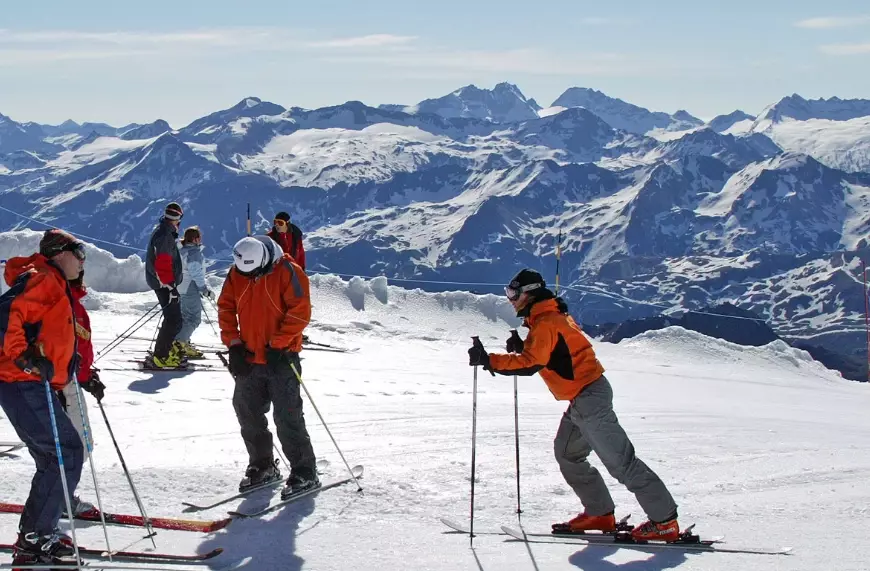
The Non-Negotiable Packing List
Packing for two sports in one climate is a puzzle. You need gear for below-freezing temps and for sunny, dusty trails.
For Glacier Skiing:
- All your normal ski gear: skis, boots, poles (or rent there).
- A good mid-layer (fleece, lightweight puffy) and a shell jacket. It's windy up top.
- Gloves. Lightweight spring gloves often suffice unless it's very cold.
- High-SPF sunscreen, lip balm, and those glacier goggles.
- A backpack with water and a snack.
For Mountain Biking:
- If you're serious, bring your own helmet (full-face for park), gloves, and pads.
- Moisture-wicking jerseys and shorts with a chamois.
- Sturdy shoes (flat or clipless).
- Tool kit, spare tube, hydration pack.
The Bridge Items: Moisture-wicking base layers work for both. A lightweight, packable down jacket is gold for chilly mountain evenings after biking. And bring twice as many socks as you think you need.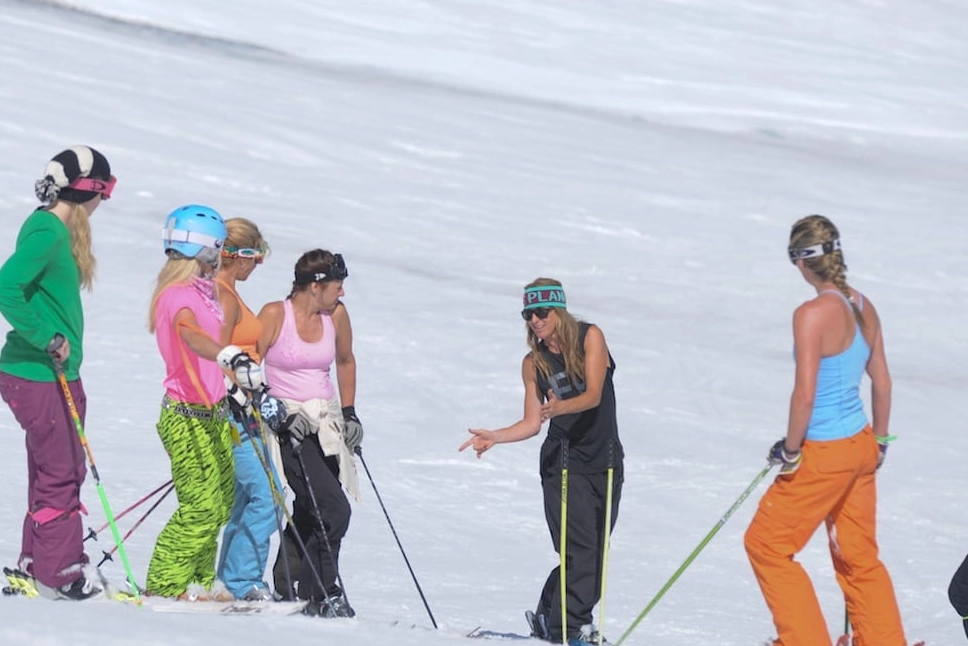
What Will This Adventure Cost?
Let's be real, it's not a budget beach holiday. But knowing where the money goes helps you plan. For a 5-day trip in the Alps, per person:
>Look for apartments or B&Bs in valleys slightly away from the main resort. Self-catering saves on food.>Research multi-day or region passes. Some areas like Zillertal offer "Super Summer Card" with discounts.>Book online for discounts. Consider a travel package that includes bike.>Lunch on the mountain is pricey. Pack sandwiches from the supermarket. Save dinners for trying local spots.>Flying into Munich or Innsbruck for Austria. A rental car offers flexibility but isn't always needed with good buses.| Expense Category | Estimated Cost (Euro) | Notes & Saving Tips |
|---|---|---|
| Accommodation | €400 - €800 | |
| Lift Passes (3-day ski, 2-day bike) | €250 - €400 | |
| Bike Rental (Downhill, 2 days) | €120 - €250 | |
| Food & Drink | €300 - €500 | |
| Travel/Transport | Varies Widely |
You're looking at roughly €1,200 - €2,000+ per person, excluding international flights. It's an investment in a truly unique active holiday.
Your Summer Mountain Questions Answered
 Is it safe to ski on a glacier? What about crevasses?
Related Articles
Comments
Join the discussion