You've seen the videos. Endless waves of dry, feather-light powder snow, skiers disappearing into waist-deep bliss. That's the promise of Japan ski resorts, and for the most part, it's real. But planning a trip here involves more than just booking a flight to Hokkaido. The sheer number of resorts, the cultural nuances, and the logistics can trip up even seasoned skiers. Having spent over a decade chasing snow across Honshu and Hokkaido, I've seen people make the same mistakes—choosing the wrong resort for their style, missing out on hidden gems, or struggling with the onsen etiquette after a perfect day. This guide cuts through the hype and gives you the concrete details you need to build your dream Japan ski trip.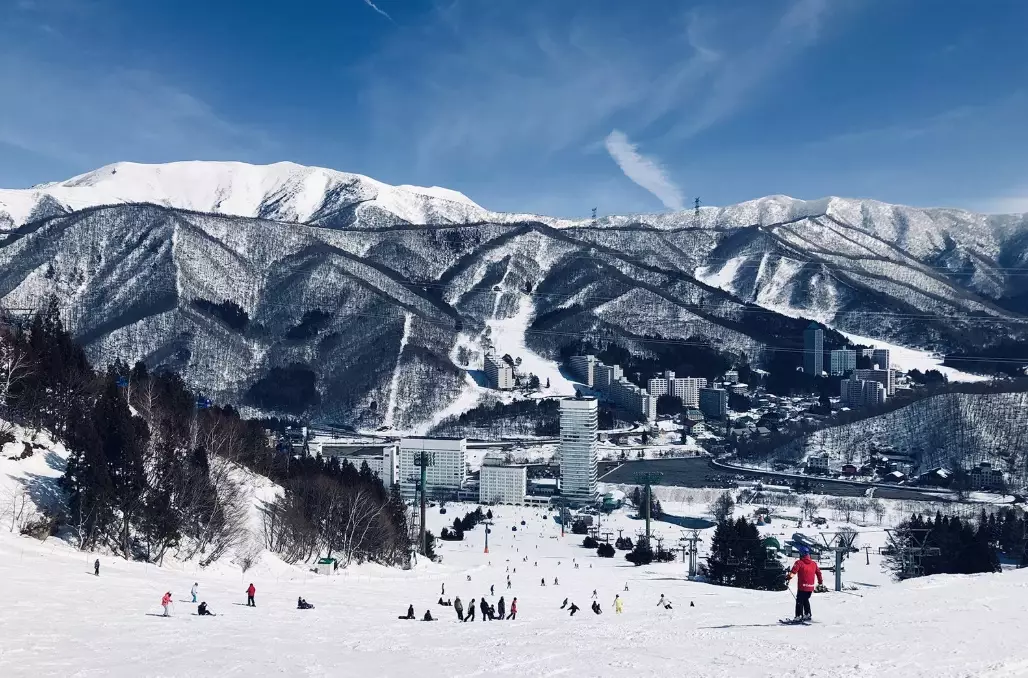
Your Japan Ski Trip Quick Navigation
Top Japan Ski Resorts: A Detailed Breakdown
Forget just listing names. Let's get into what makes each major player tick, with the specifics that matter for your planning.
Hokkaido's Powder Kingdom
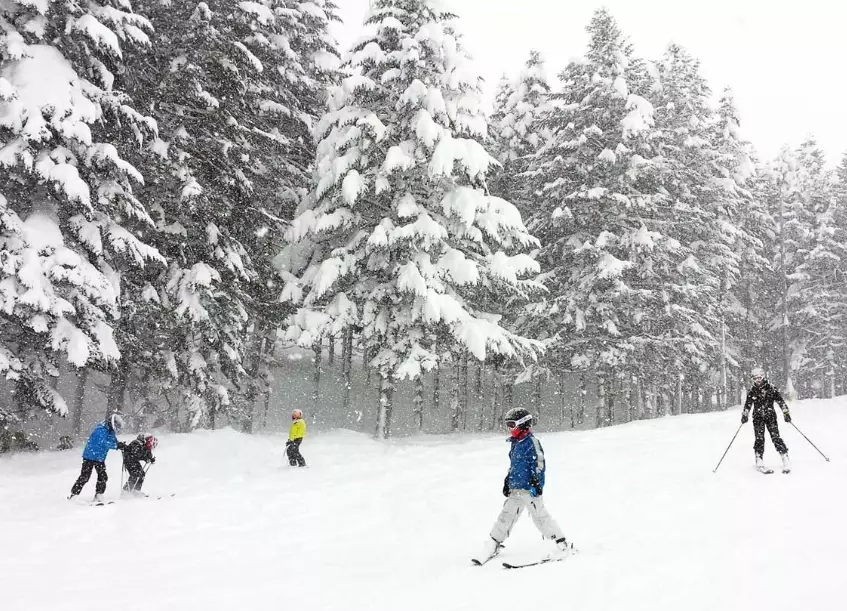
Hokkaido is synonymous with JAPOW. The Siberian winds dump consistent, ultra-dry snow here from December through March.
| Resort | Key Features & Vibe | Best For | Location & Access | Lift Pass (1-Day Adult) |
|---|---|---|---|---|
| Niseko United (Grand Hirafu, Hanazono, Niseko Village, Annupuri) | The international hub. Four interconnected resorts offering vast terrain, legendary tree skiing (with gates), and a bustling apres-ski scene. It's busy, expensive, and can feel less "Japanese." Night skiing is fantastic. | Powder hounds of all levels, first-timers to Japan, those who want English everywhere, vibrant nightlife. | Near Kutchan, Hokkaido. ~2-2.5 hour drive from New Chitose Airport (CTS). Direct buses and trains available. | ~8,500 - 9,500 JPY. All-mountain pass covers all four areas. |
| Rusutsu Resort | My personal favorite for a balanced trip. Incredibly well-groomed family runs, some of Japan's best in-bounds tree skiing (more open than Niseko), and far fewer crowds. The resort hotel is a quirky 80s time capsule with an indoor carousel. | Families, intermediates, advanced skiers seeking untouched trees, those wanting to avoid crowds. | ~90 min drive from CTS. Less frequent public transport than Niseko; renting a car is ideal. | ~6,500 JPY. |
| Furano | The heart of central Hokkaido. Offers a more Japanese experience with a proper town at its base. Reliable snow, long cruising runs, and a great mix of terrain. Less extreme powder days than coastal resorts but more consistent weather. | Intermediates, couples, skiers who value varied terrain and authentic town life over maximum powder. | Furano City. ~2 hour drive from Asahikawa Airport (AKJ) or 3 hours from CTS. | ~5,800 JPY. |
A common mistake? Spending your whole trip in Niseko because it's famous. For a 7-day trip, consider splitting time—3 days in Niseko for the buzz and nightlife, 4 in Rusutsu or Furano for deeper snow and shorter lift lines.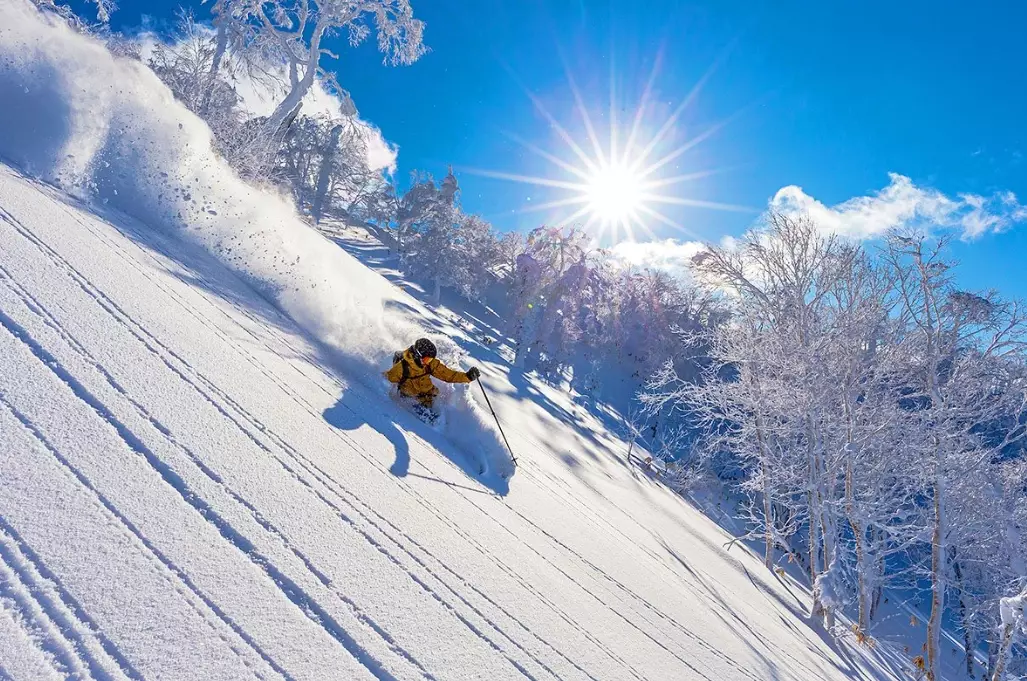
Honshu's Alpine Majesty
The Japanese Alps on the main island offer dramatic scenery, steep terrain, and deep snow, often with more cultural immersion right outside the lodge.
Hakuba Valley: This is a collection of 10 resorts, not a single one. Happo-One is the Olympic giant, with long, challenging runs and epic backcountry access (use a guide!). Iwatake has sunny, rolling terrain. Tsugaike is gentle and perfect for beginners. The valley is spread out—you'll need a shuttle bus or car to move between areas. The town has a great international vibe with local charm. Lift tickets often cover multiple resorts.
Nozawa Onsen: This is a village first, a ski resort second. Cobbled streets, 13 public free onsens (sento), and a real community feel. The skiing is excellent and varied, with a famously steep mogul run down the face of the mountain. Staying here is a cultural experience. Access is via train to Iiyama Station then a bus.
Myoko Kogen: A sleeper hit for deep snow. Resorts like Akakura and Suginohara get dumped on. It's less developed internationally, offering a quieter, more traditional stay. The terrain is powerful and the trees are mostly off-limits, so it rewards strong skiers who stay on-piste or hire a guide for the sidecountry.
How to Choose the Right Japan Ski Resort for You
Match the resort to your trip goals, not just the snowfall stats.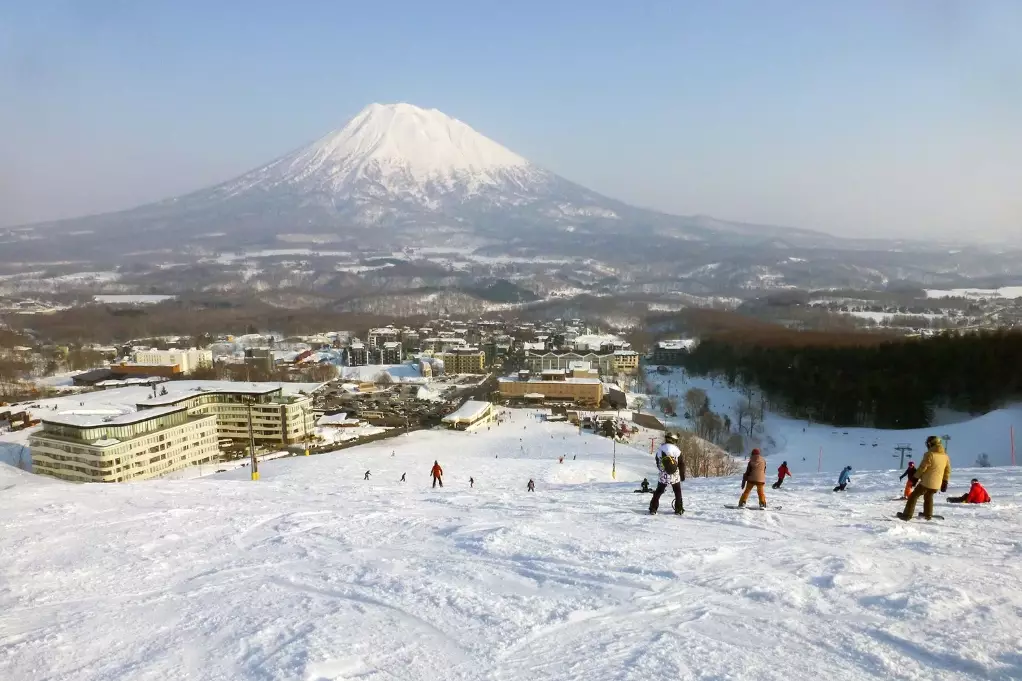
For First-Timers & Families: You want convenience, good ski schools, and gentle terrain. Rusutsu and Tomamu in Hokkaido are purpose-built for this. In Honshu, Tsugaike (Hakuba) or the lower slopes of Nozawa Onsen are fantastic. Look for resorts with English-speaking instructors—Niseko and Hakuba have the most options.
For Intermediate Cruisers: You seek long, groomed red runs and scenic variety. Furano is king here. Happo-One (Hakuba) also has superb long runs with stunning views. The interconnected nature of Niseko United means you can explore for miles without taking your skis off.
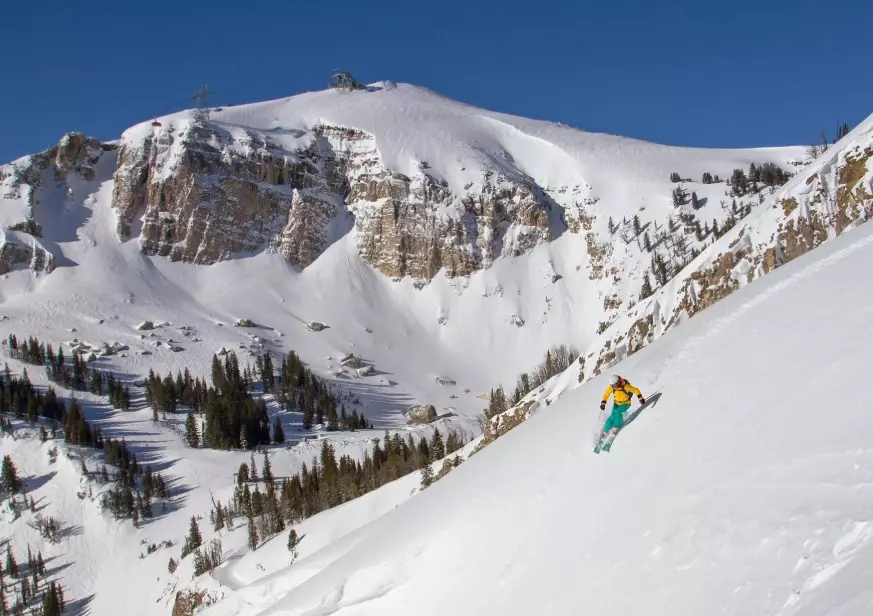
For Advanced & Off-Piste Skiers: The search for deep snow and challenging lines. Niseko's gated tree areas are a safe, managed introduction. Hakuba's backcountry gates (at Happo, Goryu, Cortina) lead to serious terrain—never go without a certified local guide. The sidecountry around Myoko is legendary. Remember, out-of-bounds skiing outside designated areas is generally forbidden and risks resort bans and no rescue.
Trip Planning & Essential Logistics
This is where trips get real.
When to Go: Late January to late February is peak for reliable snow and cold temps. Early March can offer fantastic snow with slightly longer days and fewer crowds. December and April are riskier for base depth.
Getting There & Around: Fly into New Chitose (CTS) for Hokkaido, or Tokyo (Narita NRT/Haneda HND) for Honshu. For Honshu resorts, take the Shinkansen (bullet train) to Nagano or Iiyama, then a connecting bus. In Hokkaido, renting a car from CTS gives immense freedom to explore multiple resorts, but winter driving experience is mandatory. Otherwise, resort shuttle buses are reliable.
Accommodation: Book early, especially for peak season. Options range from Western-style hotels and condos (Niseko, Hakuba Goryu) to traditional Japanese ryokans and pensions (Nozawa, Myoko). A ryokan with half-board (dinner & breakfast) is a quintessential experience—just be prepared for multi-course kaiseki dinners and sleeping on futons.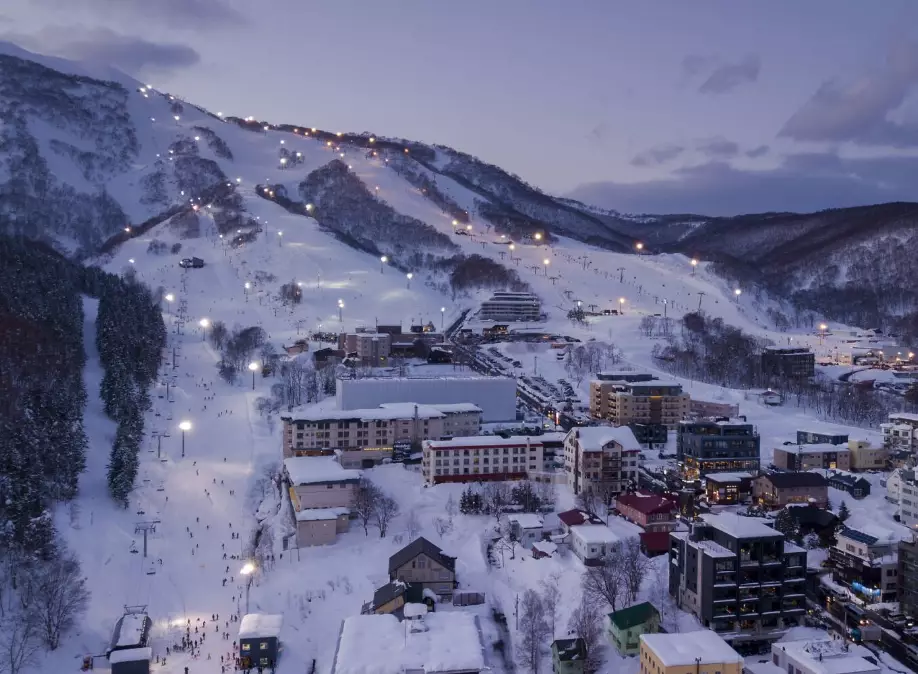
Gear: You can rent excellent, modern ski and snowboard gear at any major resort. For powder, specifically request fat powder skis or boards. If you have beloved off-piste gear, bring it. For boot fitting, bringing your own boots is always best.
Beyond the Slopes: Culture, Food & Onsen
Skiing is only half the day.
You must end your day in an onsen (hot spring). It's a game-changer for muscle recovery. Public onsens are segregated by gender and require you to wash thoroughly at a shower station before entering the bath. No swimsuits, no towels in the water. It feels awkward for 30 seconds, then becomes a daily ritual you'll crave.
The food. Oh, the food. Don't just eat at the resort cafeteria. Seek out ramen shops in town, get curry from a ski hut, and book a table for local Hokkaido crab or wagyu beef. Conbini (convenience stores) like 7-Eleven and Lawson are your pre-ski breakfast and post-ski snack lifelines, with surprisingly good onigiri (rice balls) and fried chicken.
Explore the local town. Visit a sake brewery in Nozawa, walk the historic district of Furano, or take a day trip to the coastal city of Otaru from Niseko for fresh sushi and glassblowing.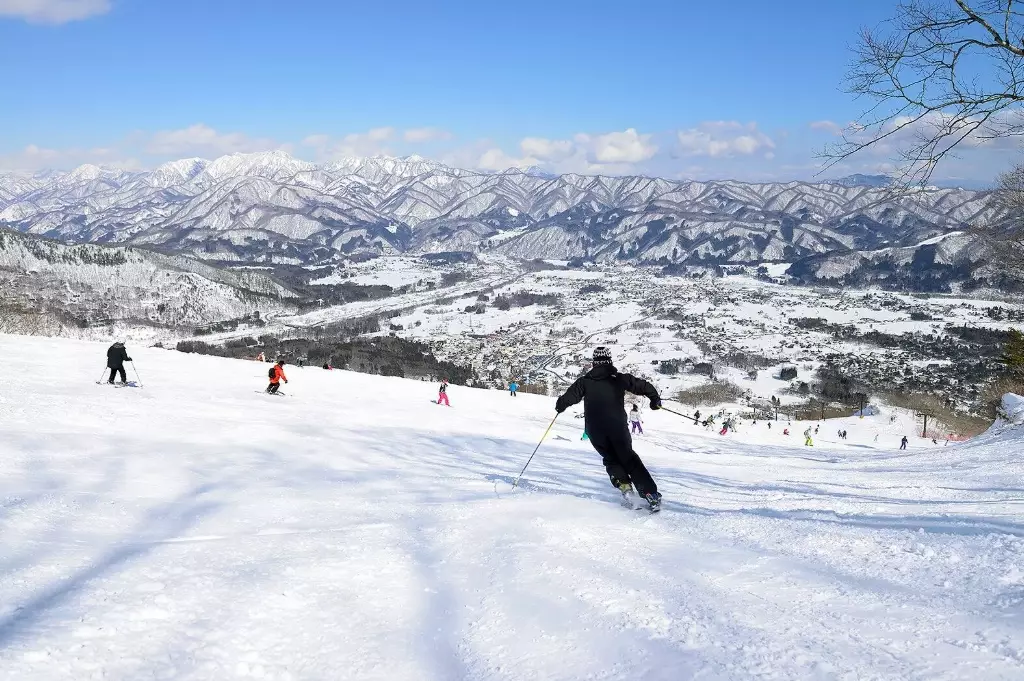
Expert Answers to Your Japan Ski Trip Questions
 What's one cultural mistake you see skiers make at Japan ski resorts that locals notice?
Related Articles

Comments
Join the discussion