Let's be honest. When you think of a classic American ski trip, your mind probably jumps to Colorado or Utah. New Mexico? It might not be the first place that comes to mind. That's exactly why Ski Santa Fe is such a brilliant secret. It's not just a ski hill; it's a cultural immersion. Imagine starting your day carving down runs above 12,000 feet with panoramic desert views, and ending it sipping a margarita in a 400-year-old adobe plaza surrounded by world-class art. This isn't your average ski vacation—it's an experience that engages all your senses.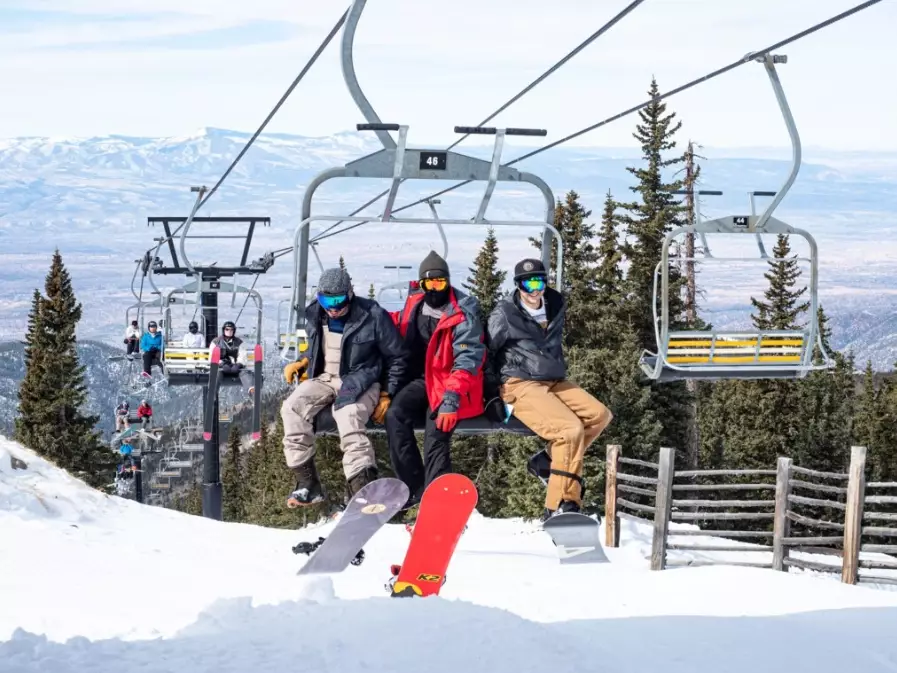
I've skied all over the Rockies, and Santa Fe holds a special place for its sheer uniqueness. The skiing is legitimately challenging and rewarding, but the town's soul is what you'll remember long after the snow melts. Most online guides just list the stats. I want to give you the real story: how to actually plan this trip, avoid the pitfalls (like that brutal altitude), and weave the skiing seamlessly into everything else Santa Fe has to offer.
Your Quick Guide to Skiing Santa Fe
The Ski Santa Fe Resort: A High-Altitude Playground
First things first: Ski Santa Fe is the resort's official name. It's located about 16 miles northeast of downtown Santa Fe, up a scenic winding road (NM-475) into the Sangre de Cristo Mountains. The base sits at 10,350 feet, and the summit reaches a lung-busting 12,075 feet. That elevation is no joke—we'll talk about how to handle it later.
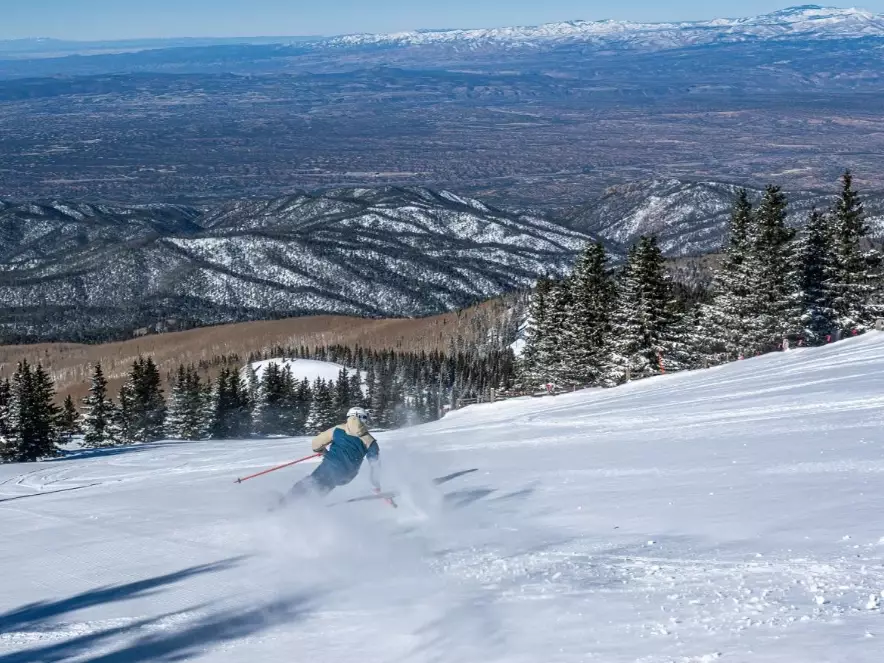
The mountain has a distinct personality. It's not a sprawling mega-resort. It feels more intimate, with 86 trails spread across 660 skiable acres. What it lacks in sheer size, it makes up for in vertical drop (1,725 feet) and terrain variety that punches above its weight.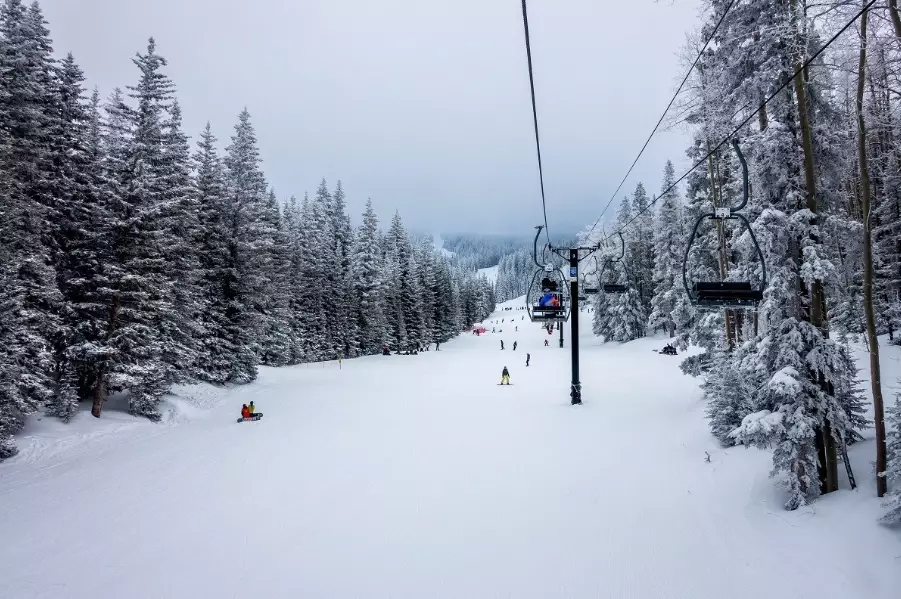
Ski Santa Fe At a Glance
Address: 25 Ski Basin Rd, Santa Fe, NM 87506
Season: Typically late November to early April (always check the Ski Santa Fe website for current conditions).
Lifts: 7 total (including 2 high-speed quad chairs).
Terrain Mix: 20% Beginner, 40% Intermediate, 40% Advanced/Expert.
Snowfall: Average of 225 inches annually.
Who is the Terrain Really For?
Beginners: You're well taken care of. The Tesuque Peak area has wide, gentle slopes served by its own lift. It's a perfect, low-stress learning zone away from the faster traffic.
Intermediates: This is where the mountain shines. Long, rolling cruisers like Paradise and Broadway are an absolute joy. The blue square runs off the Super Chief Quad offer miles of consistent, fun skiing with those incredible views.
Experts: Don't let the modest acreage fool you. The upper mountain holds the goods. The Lake Peak area has steep chutes and glades that will test your skills. The hike-to terrain off the summit ridge, like The Bone Yard, offers some of the most challenging in-bounds skiing in the state. It's steep, often rocky, and requires good judgment.
Planning Your Santa Fe Ski Trip: Logistics & Timing
Getting There and Getting Up the Mountain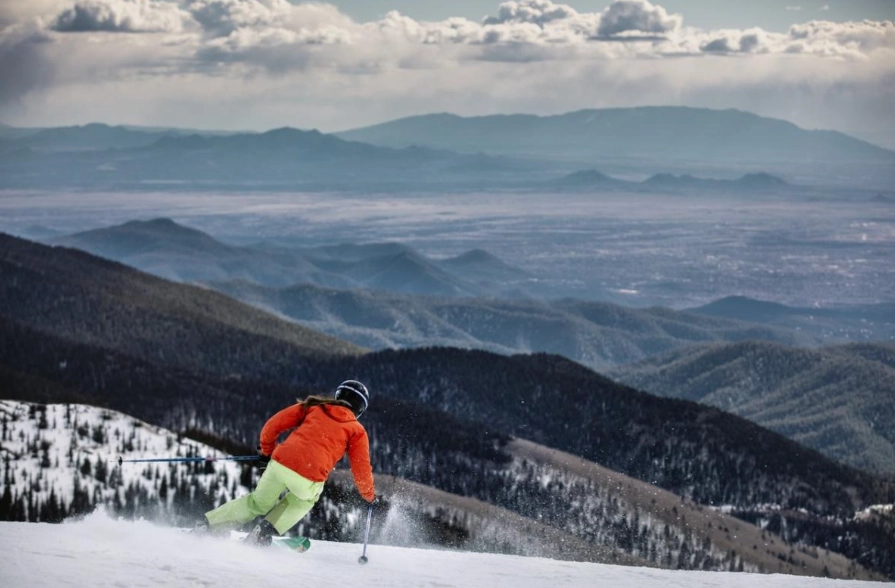
You'll likely fly into Albuquerque International Sunport (ABQ). It's about a 1.5-hour drive north to Santa Fe. Renting a car is highly recommended. The drive up to the ski area is beautiful but can be icy; AWD/4WD is a good idea, and chains are sometimes required during storms (check NM Roads for conditions). There is a shuttle service from downtown Santa Fe, but its schedule can be limited. Having a car gives you flexibility for après-ski adventures.
Tickets, Rentals, and Lessons
Buy lift tickets online in advance. You'll save money and guarantee your spot on potential peak days. Adult window rates hover around $100-$115 per day, but online deals can be significantly better.
You can rent equipment at the base area, but I often suggest renting in town at shops like Ski Tech or Pro Ski Service. It's usually cheaper, the gear is just as good (if not better), and you avoid the morning rush at the mountain. Plus, you can get fitted the night before and walk straight to the lift.
The Altitude Factor: Your #1 Consideration
This is the most critical, non-negotiable piece of advice. Santa Fe's base elevation is nearly 7,200 feet. The ski base is over 10,000 feet. If you're coming from sea level, your body will rebel.
What I do (and you should too): Plan a full acclimatization day upon arrival. Do not ski on your first day. Fly in, check into your hotel, and take it absurdly easy. Drink twice as much water as you think you need. Avoid alcohol. Eat light meals. Go for a very short, flat walk around the Plaza, but that's it. Let your body adjust. Headaches and fatigue are common; severe symptoms require immediate descent to lower elevation.
Where to Stay: Ski Base or Historic Plaza?
This is the big decision. Staying up at the ski basin means ski-in/ski-out convenience at places like the Bishop's Lodge or nearby vacation rentals. It's quiet and immersed in nature. The downside? You're a 25-minute drive from all the restaurants, galleries, and nightlife. You'll be driving that road twice a day.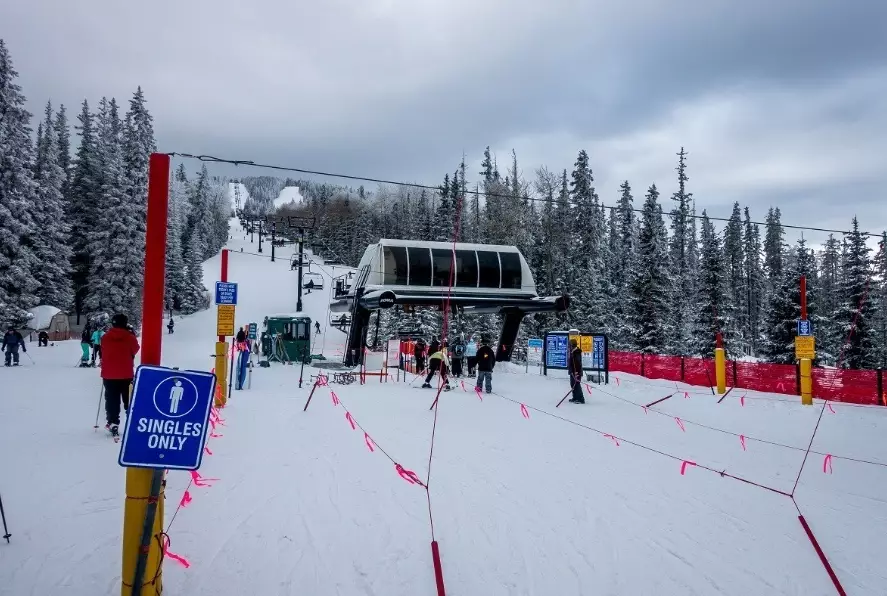
My strong preference? Stay downtown near the Plaza. You trade a short morning commute for being in the heart of everything when the lifts close. The après-ski culture in Santa Fe isn't about loud bars at the base lodge; it's about exploring the city.
| Hotel / Area | Key Features | Price Point (Per Night) | Best For |
|---|---|---|---|
| Inn on the Alameda (Downtown) | Charming adobe style, walking distance to Plaza, excellent breakfast, cozy fireplace lounges. | $$$ ($250-$400) | Couples seeking authentic Santa Fe charm. |
| Drury Plaza Hotel (Downtown) | Great value, includes hot breakfast & evening snacks/drinks, indoor pool, prime location. | $$ ($180-$280) | Families and value-conscious travelers. |
| Vacation Rentals (Historic Eastside) | Full kitchens, more space, live like a local in a traditional neighborhood. | $$-$$$ (Varies widely) | Groups or longer stays. |
| The Lodge at Santa Fe (Mid-Town) | Easy parking, more affordable, quick drive to both Plaza and ski road. | $ ($120-$200) | Budget-focused skiers with a car. |
Beyond the Slopes: The Santa Fe Experience
Skiing is only half the trip. Failing to engage with the city is like going to Paris and only seeing the airport.
Must-Do Après-Ski: Skip the generic lodge beer. Head straight to the Santa Fe Plaza. Grab a margarita at the iconic La Fonda hotel bar or a locally brewed beer at Second Street Brewery on Rufina Street. Then, wander. The art galleries on Canyon Road are free to browse and stunning.
Food is a Major Event: You need a green chile cheeseburger from The Pantry or Santa Fe Bite. For a splurge dinner, book ahead at Cafe Pasqual's or Sazón. New Mexican cuisine is its own category—remember "red or green?" (chile sauce).
Cultural Recovery Day: If your legs need a break, visit the Georgia O'Keeffe Museum or explore the ancient history at Bandelier National Monument (a short drive away). A soak at Ten Thousand Waves, a Japanese-style spa up near the ski area, is the ultimate post-skiing therapy.
Sample 3-Day Santa Fe Ski Itinerary
Here's how I'd structure a perfect long weekend to get the full flavor.
Day 1 (Arrival & Acclimatize): Land in Albuquerque, drive to Santa Fe. Check into your downtown hotel. Force yourself to just walk slowly around the Plaza. Visit the Loretto Chapel. Early, light dinner. Drink water. Sleep.
Day 2 (Ski Day & Downtown Immersion): Early breakfast at your hotel or Tia Sophia's. Drive up to Ski Santa Fe for opening. Focus on the intermediate runs off the Super Chief and Millennium chairs. Have a green chile stew lunch at the Totemoff's deck for the view. Ski until mid-afternoon. Drive back down, rest at the hotel. Evening: Gallery stroll on Canyon Road, followed by dinner at a classic spot like The Shed.
Day 3 (Ski or Explore): Option A: Another ski day, tackling the advanced terrain if you're feeling adjusted. Option B (my favorite mix): Morning visit to the O'Keeffe Museum. Afternoon soak at Ten Thousand Waves. Late afternoon shopping for local crafts at the Santa Fe Farmers Market building (open daily). Farewell dinner with live music at La Fonda.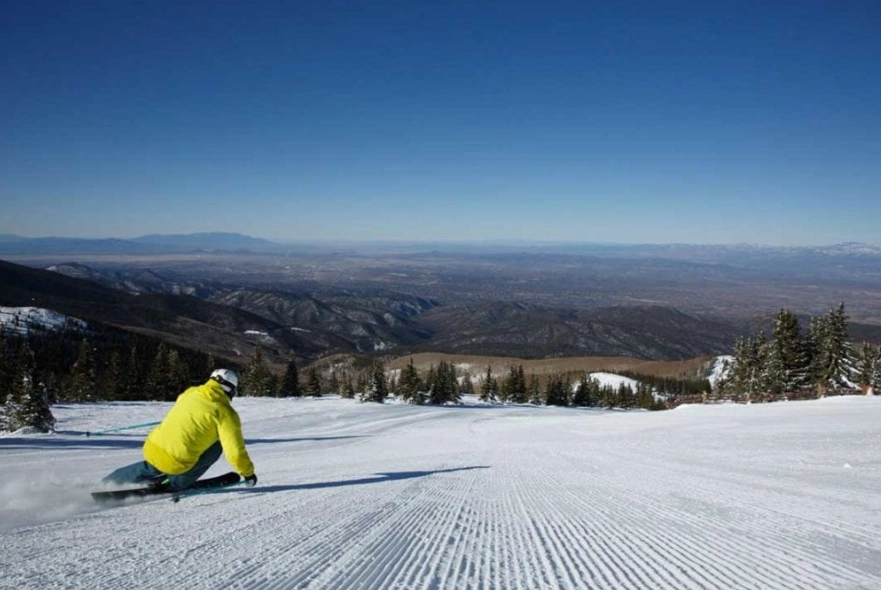
Ski Santa Fe: Your Questions Answered
I'm an intermediate skier from the Midwest. Will I find enough terrain at Ski Santa Fe?
Absolutely. The mountain is ideal for intermediates. You'll have a blast on the long, groomed cruisers. The real challenge won't be the difficulty of the blues, but the altitude and potential for variable snow conditions (it can be sun-softened in the afternoon). Stick to the groomed runs, take breaks, and you'll have a fantastic time. It's a big step up from most Midwest hills in terms of vertical and scenery.
What's the single biggest mistake first-time visitors make?
Underestimating the altitude and over-scheduling their first day. People fly in, are excited, and try to squeeze in a half-day of skiing or a big dinner right away. It almost always leads to a miserable night and a ruined next day. Your body needs that first 24 hours to adjust. Treat the acclimatization day as a mandatory part of the itinerary, not wasted time.
 Is Santa Fe a good ski destination for families with young kids?
It can be excellent, with the right planning. The dedicated beginner area is great for lessons. The town is safe and walkable, with lots of non-skiing activities (museums, easy hikes, the rail yard). The key is managing the altitude with kids—they are just as susceptible. Go even slower, ensure they drink constantly, and choose a hotel with a pool for low-key afternoons. The Drury Plaza is a top pick for its included amenities.
How does the snow quality compare to the Colorado Rockies?
It's drier and lighter than the East Coast, but generally not as consistently deep or fluffy as the famous Colorado resorts further north. Santa Fe gets great snow, but it's also further south and sunnier. You'll encounter more variable conditions—perfect corduroy in the morning, possible spring-like corn or chop in the afternoon on sun-facing slopes. It's not a place you go solely for bottomless powder days (though they happen); you go for the combination of good skiing and an unparalleled cultural setting.
Can I get by without a rental car?
It's possible but restrictive. The ski shuttle exists but limits your schedule. Downtown is very walkable, and you can use ride-shares for dinners. However, to truly explore—to get to Bandelier, to try different restaurants outside the core, to have flexibility for a spa day—a car is invaluable. If you're on a tight budget and plan to only ski one day and stay downtown, you could make the shuttle work. For most, a car is worth it.
Related Articles
Comments
Join the discussion