Imagine starting your day clipping into a steel cable, scaling a frozen waterfall or a sheer rock face with crampons and ice axes. By afternoon, you've swapped the harness for skis, carving fresh tracks down a pristine, untouched couloir you just earned from above. This isn't a fantasy sequence from an adventure film; it's the raw, demanding, and incredibly rewarding reality of a combined via ferrata and skiing trip. It represents the pinnacle of self-powered alpine travel, merging vertical ascent with exhilarating descent in a single, continuous journey. Forget the lift lines and crowded pistes—this is about crafting your own route through the mountains, a test of skill, endurance, and mountain sense that few ever experience.
Your Quick Guide to the Content
- What Exactly is a Ferrata and Skiing Combined Trip?
- Planning Your Combined Trip: A Step-by-Step Framework
- The Non-Negotiable Gear Checklist
- Safety First: The Priorities Most Guides Don't Stress Enough
- A Real-World Case Study: The Dolomites in Spring
- Your Burning Questions Answered (By Someone Who's Messed Up)
What Exactly is a Ferrata and Skiing Combined Trip?
Let's strip away the jargon. A "via ferrata" (Italian for "iron path") is a protected climbing route. Think of it as a ladder, bridge, or cable system permanently fixed to a rock or ice face, allowing you to access terrain that would normally require advanced technical climbing skills. You wear a climbing harness with two lanyards, clipping and unclipping as you go. Now, combine that ascent with a ski descent. You're not taking a gondola up; you're climbing your way to the top of your ski run. The ski portion is almost always off-piste, backcountry, or ski mountaineering terrain. The connection is the human engine—your legs and lungs.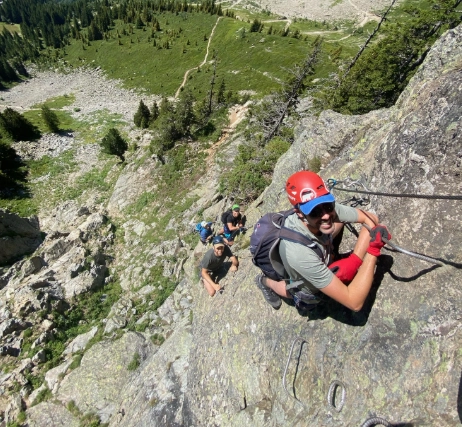
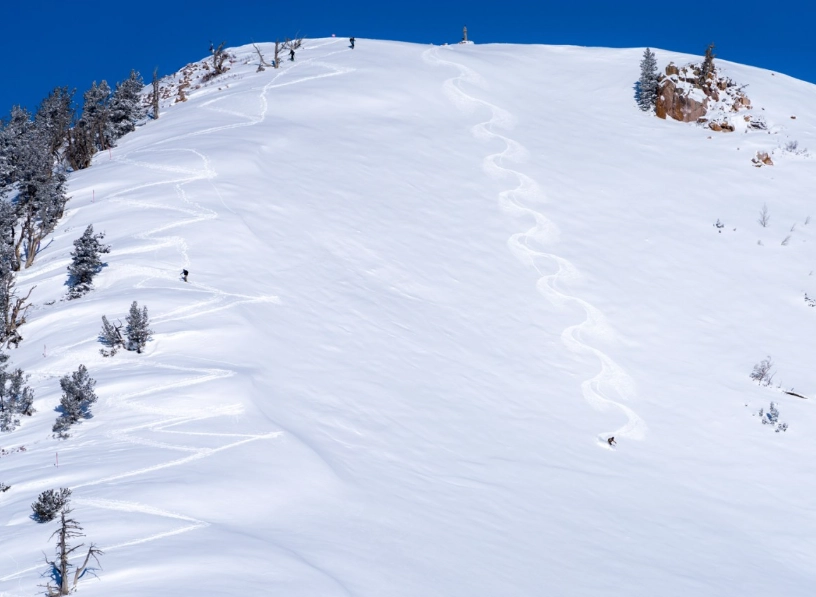
This combination creates a unique, full-value day in the mountains. The ferrata provides efficient, secure passage up complex or steep ground where skinning (climbing on skis) would be impossible or dangerously slow. The ski descent is the glorious reward, offering access to lines that are often invisible from the valley floor. It's a niche within a niche, appealing to skiers who are bored with resort boundaries and climbers who crave the fluidity of a ski descent.
A crucial distinction: This is not "ski touring with a bit of scrambling." A true via ferrata requires specific equipment (the harness and lanyard system) and involves continuous protected climbing. The mental and physical switch between climbing mode and skiing mode is a core skill in itself.
Planning Your Combined Trip: A Step-by-Step Framework
Jumping into this without a plan is a recipe for a very long, very cold night out. Here’s how to build your trip from the ground up.
1. Destination and Season: It's All About the Window
The season is brutally short, typically late spring (April-June in the Northern Hemisphere). You need consolidated winter snow for the ski descent, but accessible rock or ice for the ferrata. Too early, and the ferrata is buried under avalanche-prone snow. Too late, and the ski down becomes a rocky, dangerous slush fest.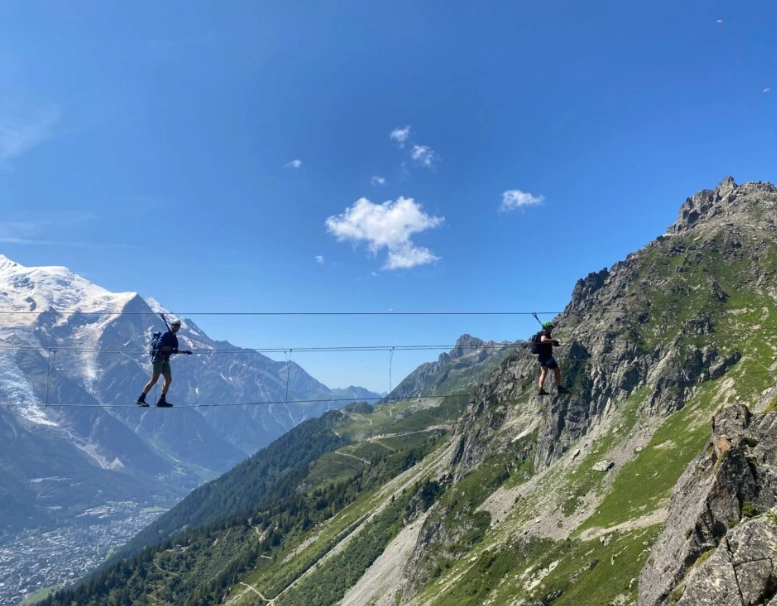
Top Destinations to Research:
- The Dolomites, Italy: The undisputed king. Routes like the Gran Vernel Ferrata leading to ski descents off the Marmolada are legendary. Towns like Arabba or Corvara are perfect bases.
- The Alps, France/Switzerland: Classics exist near Chamonix (e.g., the Cosmiques Arête approach to the Valée Blanche) and in the Bernese Oberland. These often involve glacial travel, adding another layer of complexity.
- Colorado, USA: Emerging scene. Routes like the Dead Dog Couloir approach on Torreys Peak involve steep snow/ice climbing (often with a rope) rather than classic iron rungs, but the principle is identical.
2. Skill and Fitness Audit: Be Brutally Honest
You need competence in two separate disciplines before combining them.
Ferrata Skills: You must be comfortable on steep, exposed terrain. Managing the lanyards smoothly, moving efficiently over mixed rock and ice, and dealing with altitude are key. A guided introductory ferrata day is mandatory if you're new.
Skiing Skills: You must be a confident and capable off-piste skier. We're talking variable snow conditions—crust, powder, wind slab, and sun cups—often in steep, committing terrain with no easy way out. Backcountry skiing and avalanche safety training (like an AIARE 1 course) are non-negotiable prerequisites.
Fitness: This is a massive day. A 6-10 hour continuous output is normal. You need the endurance for 1000+ meters of climbing (some of it in boots with a pack) and the leg strength for a demanding ski down.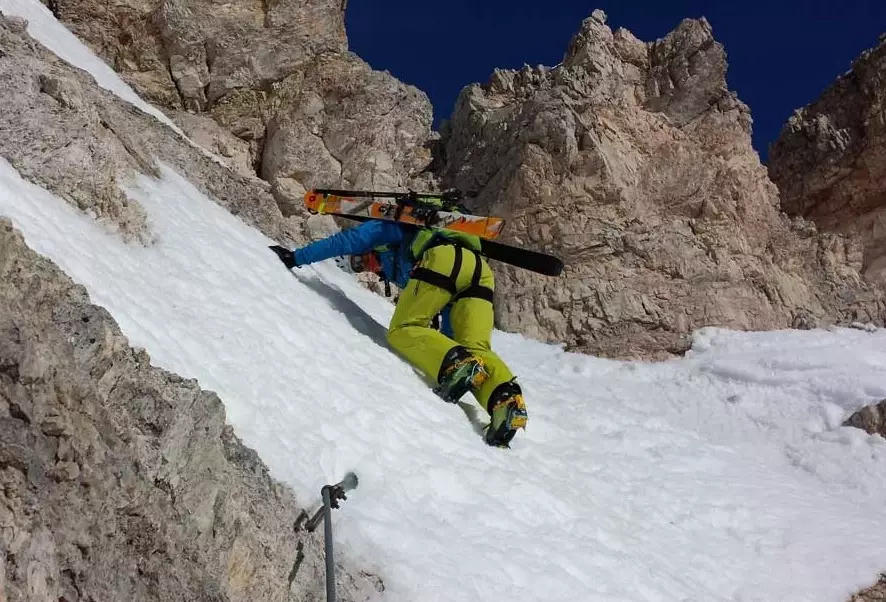
3. The Logistics Puzzle: A Sample Itinerary
Let's make it concrete. Here’s a hypothetical 4-day trip framework in the Dolomites:
| Day | Focus | Key Details | Accommodation Tip |
|---|---|---|---|
| Day 1 | Arrival & Gear Check | Fly into Venice (VCE) or Innsbruck (INN), 2-3 hour drive to valley. Rent avalanche gear if needed. Final weather check. | Book a family-run B&B in Arabba for local beta and easy access to passes. |
| Day 2 | Warm-up & Acclimatization | Shorter ski tour nearby (e.g., Piz Boè). Test skins, transceivers, and get legs used to altitude. Scoping approach for tomorrow. | Same base. Pack all gear for big day. |
| Day 3 | MAIN EVENT: Ferrata & Ski | Early start (5 AM). Approach hike/skin to ferrata base (2hrs). Ferrata ascent (3hrs). Transition to ski mode at summit (30min). Ski descent (1-2hrs). Return to car by mid-afternoon. | Celebrate! Maybe move to a hotel in Corvara for a different zone. |
| Day 4 | Contingency or Second Objective | Weather/energy buffer day. Option for another shorter combo, pure skiing, or cultural day. | Depart late or add extra night. |
The Non-Negotiable Gear Checklist
Your gear list is literally your lifeline. Packing errors are the most common beginner mistake. You're carrying two complete systems, so weight and organization are critical.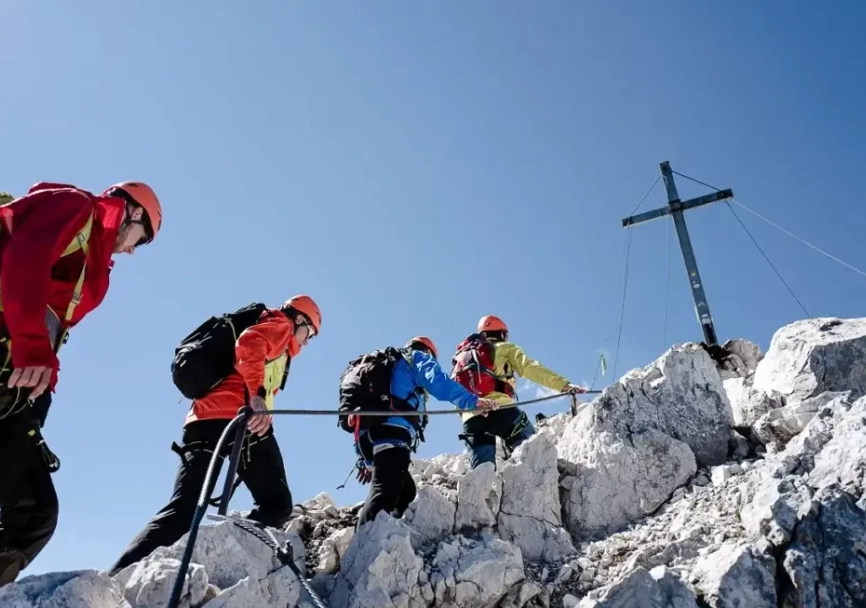
| Category | Ferrata-Specific | Ski-Specific | The Crucial Overlap Items |
|---|---|---|---|
| Hardware | UIAA-certified via ferrata lanyard set (with shock absorber), climbing harness, helmet. | Skis with touring bindings, ski boots, poles, skins, ski crampons. | Ice axe and crampons (often needed for the ferrata approach/descent). Lightweight climbing carabiner for securing skis on pack. |
| Safety | -- | Avalanche transceiver, probe, shovel. | First aid kit (including blister care), headlamp, GPS device/map & compass. |
| Clothing | Climbing gloves (dexterity + warmth). | Ski gloves, goggles. | Layered system (base, mid, shell), warm hat, buff, sunglasses. Boots must be compatible with both crampons and ski bindings. |
| Other | -- | -- | 35-45L backpack, water (2-3L), high-energy food, emergency bivy sack, sun protection. |
The #1 packing mistake I see? People strap their skis and poles haphazardly to their pack for the ferrata climb. In a steep chimney or under an overhang, that can catch and flip you. You need a secure, low-profile, and centered attachment. Practice at home.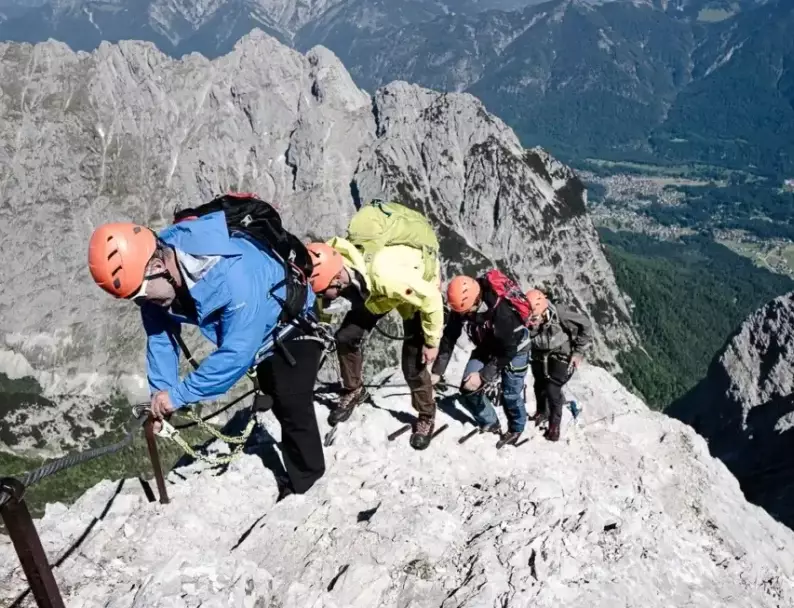
Safety First: The Priorities Most Guides Don't Stress Enough
Beyond the standard "check the weather" advice, here are the nuanced safety points that come from experience.
Transition Management: The switch from climbing to skiing at the summit is your most vulnerable moment. You're tired, exposed, and juggling gear. Have a strict routine: secure yourself to an anchor first, then remove climbing gear, then put on skis. Never just stand there unsecured in ski boots on a windy ridge.
Avalanche Awareness... on the Climb: Everyone thinks about avalanches on the ski down. But the snow slope you're skinning up to reach the ferrata base at 6 AM? That's often the most dangerous part of the day—cold, new snow on a firm layer. Assess that slope with the same rigor as your descent line.
The Retreat Mentality: Your turn-around time isn't just for the summit. You need turn-around points for the approach, the ferrata itself, and the descent. If the ferrata is taking twice as long as planned due to ice or fatigue, going back down it might be safer than pushing to the top and facing a sketchy, late-day ski down unknown terrain.
Consulting local guiding services or avalanche forecast centers like the European Avalanche Warning Services (EAWS) network is essential. Don't just look at the danger rating; read the bulletin details about aspect and elevation.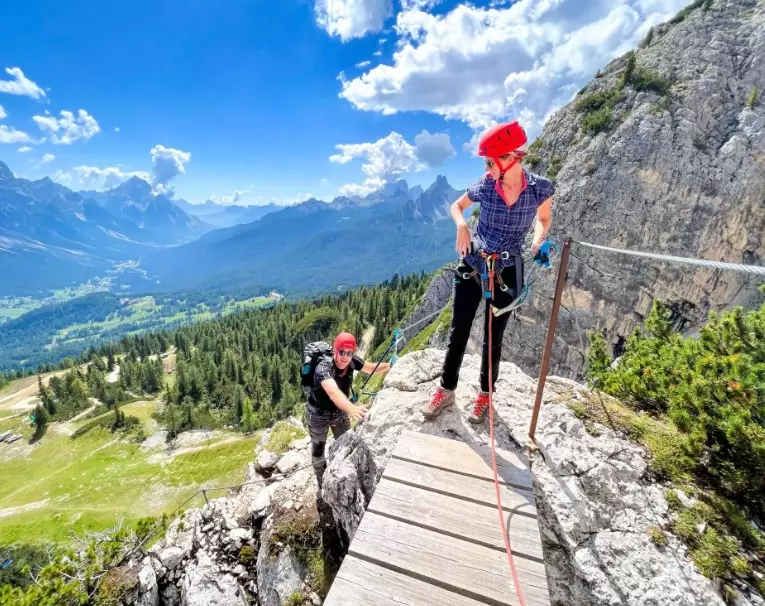
A Real-World Case Study: The Dolomites in Spring
Last May, we targeted the Via Ferrata delle Trincee above Passo San Pellegrino, with a ski descent from Cima dell'Uomo. The forecast was perfect: a high-pressure window after a week of stable snow.
The approach skin was straightforward, but the ferrata itself was a mix of rock and stubborn névé (old, granular snow) clinging to the ledges. Progress was slower than the guidebook suggested. That's the reality—guidebook times are for ideal, summer conditions. We hit our turn-around time just 50 meters from the top. The choice was clear: summit and risk a rushed, dangerous descent as clouds gathered, or retreat. We retreated. Skiing back down our ascent track was still fantastic, and we lived to try another day. The lesson? The mountain doesn't care about your summit photo. Completing the loop safely is the only victory that counts.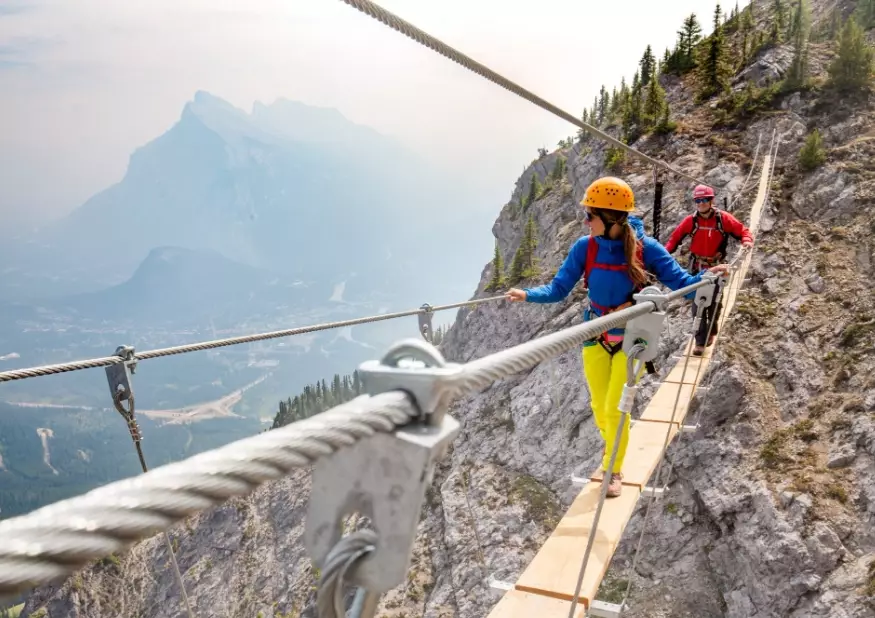
Your Burning Questions Answered (By Someone Who's Messed Up)
I'm a strong resort skier and have done a few ferratas in summer. Am I ready?
Probably not, and that's okay. The gap between summer ferrata and winter/spring alpine ferrata is huge. The rock is often icy, you're in bulky boots and gloves, and the exposure feels more intense. The bigger gap is between resort skiing and backcountry skiing in complex terrain. You need to bridge both gaps separately before combining them. Hire a guide for your first combined outing—it's the best investment you'll make.
What's the single most important piece of gear besides the obvious?
A comfortable, well-fitting pack. You'll wear it for 8+ hours under tension on the climb and during dynamic skiing. A pack that pulls you backwards on the ferrata or swings wildly on the ski down is a massive energy drain and a hazard. Get one with a good hip belt, load-lifter straps, and ski-carry features. Test it loaded on a steep hike before the trip.
Can I do these trips alone?
I strongly advise against it. The margin for error is too thin. You need a partner for belay options on tricky ferrata sections, for avalanche rescue, and for decision-making. The mental load of managing both disciplines solo, especially in variable conditions, is extreme. This is a team sport.
How do I train for this specific type of fitness?
Mix sustained cardio (long trail runs, bike rides) with heavy strength-endurance. Think weighted step-ups, box steps with a pack, and lunges. Don't neglect grip strength—hanging exercises help. Most importantly, train in the gear: do long hikes in your ski boots (without skis) and wear your loaded pack on training climbs.
Are there any guided trips you'd recommend for a first-timer?
Look for guiding companies based in the Dolomites that specialize in "ski alpinism" or "spring ski tours." They often offer 5-6 day programs that include skills instruction, acclimatization, and 1-2 major combined objectives. It's the safest and most effective way to enter this world. Research guides certified by the IFMGA (International Federation of Mountain Guides Associations).
Related Articles
Comments
Join the discussion