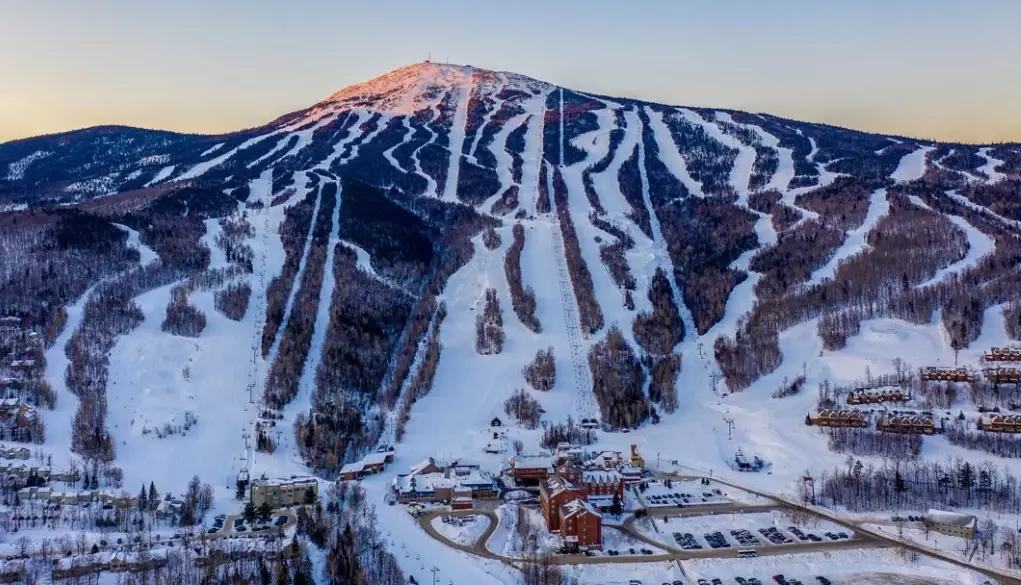
You're thinking about skiing Breckenridge. Good choice. It's massive, historic, and has terrain for everyone. But here's the thing most first-timers miss: Breckenridge isn't one mountain; it's five distinct peaks stitched together, each with its own personality. Planning a trip here without understanding that difference is like showing up to a buffet and only eating the bread rolls.
I've been skiing here for over a decade, watching friends make the same mistakes—fighting crowds on Peak 8 when Peak 7 is empty, paying top dollar for a condo that's a shuttle ride away from the snow, or trying to park for free at 9 AM on a Saturday (good luck). This guide cuts through the brochure talk. We'll map out the peaks, build a realistic budget, find you the right place to stay, and share the timing tricks that locals use to ski fresh tracks without the wait.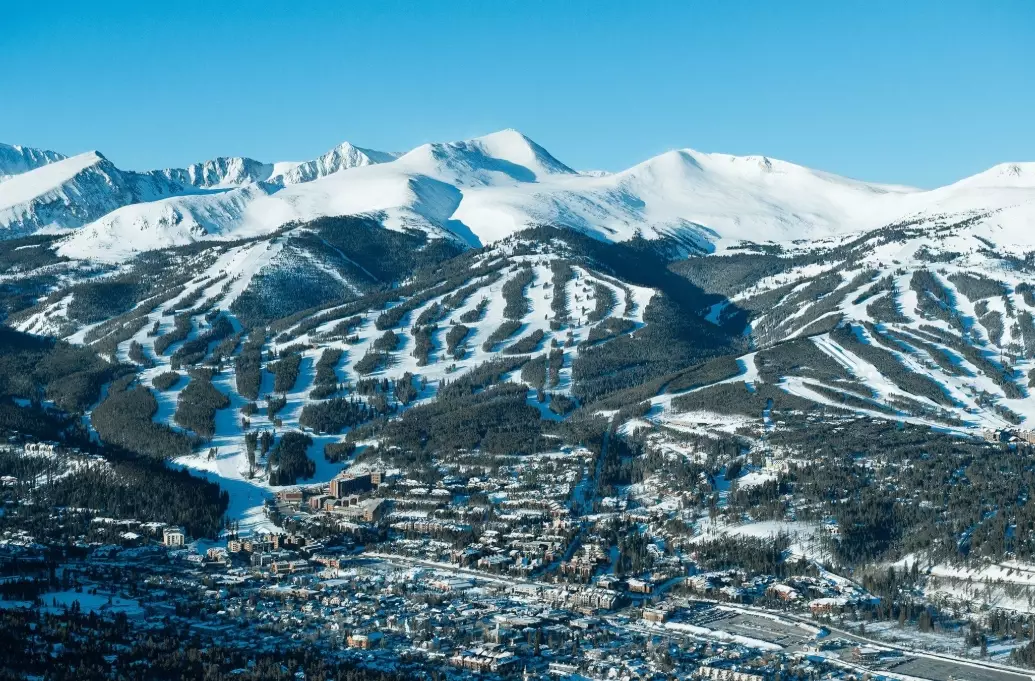
Your Breckenridge Trip at a Glance
How to Choose Your Peak (It's Not Just About Skill)
Everyone talks about difficulty, but the real secret is matching the peak to your mood and the time of day. Here’s the breakdown no trail map gives you.
Peak 8: The Heart of the Action (And The Crowds)
This is where you'll find the main base area, most ski schools, and the iconic Colorado SuperChair. It's fantastic for families and intermediates. The runs off the Rocky Mountain SuperChair are wide and forgiving. But by 10:30 AM, the lift lines can look daunting.
Local Move: Start here if you must, but use the Independence SuperChair to quickly transfer to Peak 7 or 9 by mid-morning. Don't get stuck in the base area vortex.
Peak 9: The Intermediates' Paradise & Quick Escape
My personal favorite for a stress-free morning. The Beaver Run SuperChair and Quicksilver Super6 are workhorses that move people efficiently. The trails are consistently blue-square cruisers—perfect for finding your rhythm. The base area is quieter than Peak 8, with easy access from town.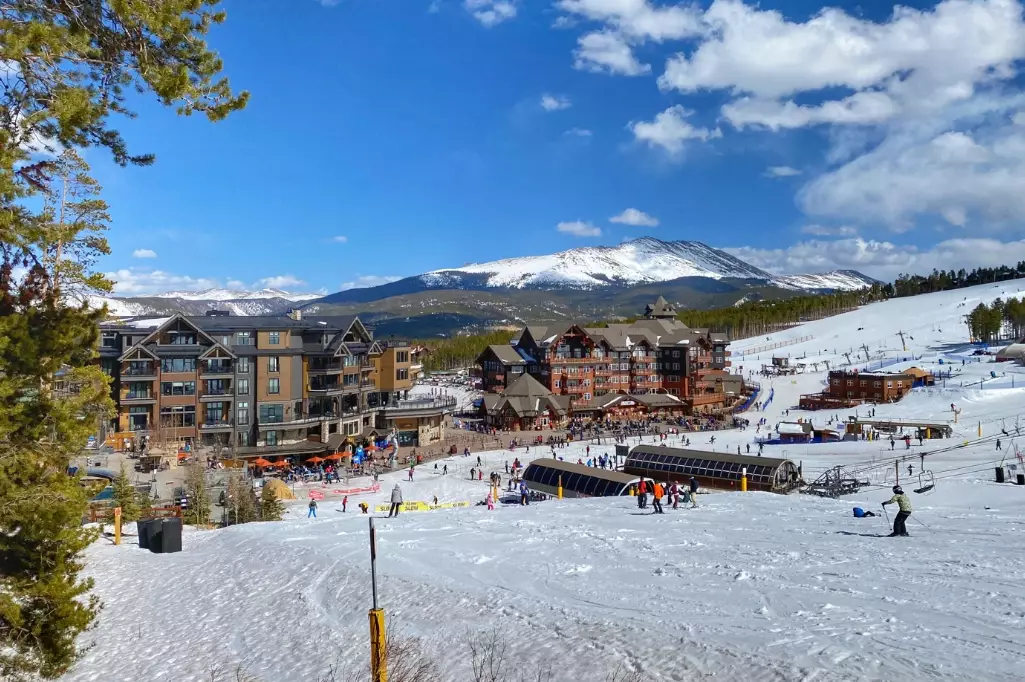
Peak 7 & Peak 6: For the Explorers
These are your crowd-dispersal valves. Peak 7 is all about long, rolling groomers through beautiful glades. It feels more remote. Peak 6, the newest addition, offers above-treeline bowl skiing and adventure. It's for strong intermediates and experts who want big-mountain feel. On a powder day, head to Peak 6's Kensho SuperChair first.
Peak 10: The Expert's Shortcut
Often overlooked. It's steep, it's challenging, and it has the shortest lift lines on the mountain. If you're an advanced skier tired of waiting, take the Falcon SuperChair up and enjoy the steep bumps and trees. It's rarely crowded because it doesn't connect to the beginner areas.
How to Plan Your Breckenridge Ski Trip: A 3-Day Sample
Let's make this concrete. Here’s a realistic itinerary for a first-time visitor, assuming you're staying in town.
Day 1: Acclimation & Exploration. You're at 9,600 feet. Don't go hard. Start at the Peak 9 base (Beaver Run). Take a few warm-up runs on Bonanza or Silverthorne. Grab an early lunch at Peak 9's Sevens Restaurant to beat the rush. Afternoon, explore the gentle blues on Peak 10's lower section or hop over to Peak 8's lower mountain. Call it early, drink water, and wander Main Street.
Day 2: Peak Hopping. Start early at Peak 7's Independence SuperChair. Enjoy the pristine corduroy on Monte Cristo. By late morning, take the Pioneer lift across to Peak 8. If you're feeling good, tackle the iconic Four O'Clock run all the way back to town—it's a long, fun green that literally ends on the streets. If not, download on the Gondola (it's free for foot passengers).
Day 3: Challenge or Chill. Option A: For advanced skiers, head straight to the Imperial Express SuperChair—North America's highest chairlift—on Peak 8 for bowl skiing. Option B: For a mellower day, spend it on Peak 6's blissfully uncrowded intermediate terrain, or book a guided snowshoe tour with the Breckenridge Nordic Center.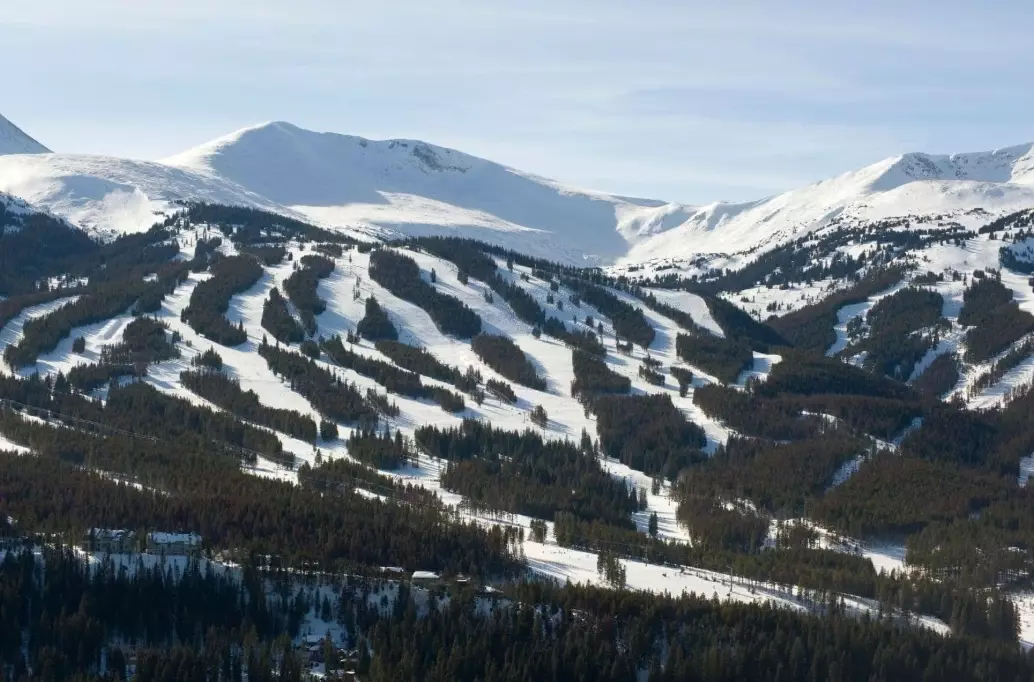
Where to Stay in Breckenridge: Walk, Shuttle, or Ski-In?
Location is everything. Your choice dictates your daily routine. Here’s the real deal on the main areas.
| Area | Best For | Vibe & Access | Price Range (Per Night) | Example Property |
|---|---|---|---|---|
| Peak 8 Base | Families, First-timers, Ultimate Convenience | Ski-in/ski-out to main lifts & ski school. Can feel isolated from town at night. | $$$ - $$$$ ($400-700+) | One Ski Hill Place |
| Peak 9 Base (Beaver Run) | Intermediates, Groups, Quick Mountain Access | Direct chairlift access. Closer to town than Peak 8. Massive resort complex. | $$ - $$$$ ($300-600) | Beaver Run Resort |
| Walk-to-Lifts (4 O'Clock Rd) | Balancing town life & skiing | 5-15 min walk to Peak 9 base or Gondola. Endless dining/nightlife steps away. | $$ - $$$ ($250-500) | The Village Hotel |
| Free Shuttle Zone | Budget-conscious travelers | Reliable town-wide shuttle (Breck Free Ride). 5-10 min ride to slopes. More residential. | $ - $$ ($150-300) | Various condos south of Main St. |
My take? Unless you have young kids or demand true ski-in/ski-out, the "Walk-to-Lifts" zone along Four O'Clock Road is the sweet spot. You get flexibility. Some mornings you'll walk to the Gondola, others you'll take the shuttle to Peak 7. At night, you're in the heart of it without needing a car or waiting for a bus.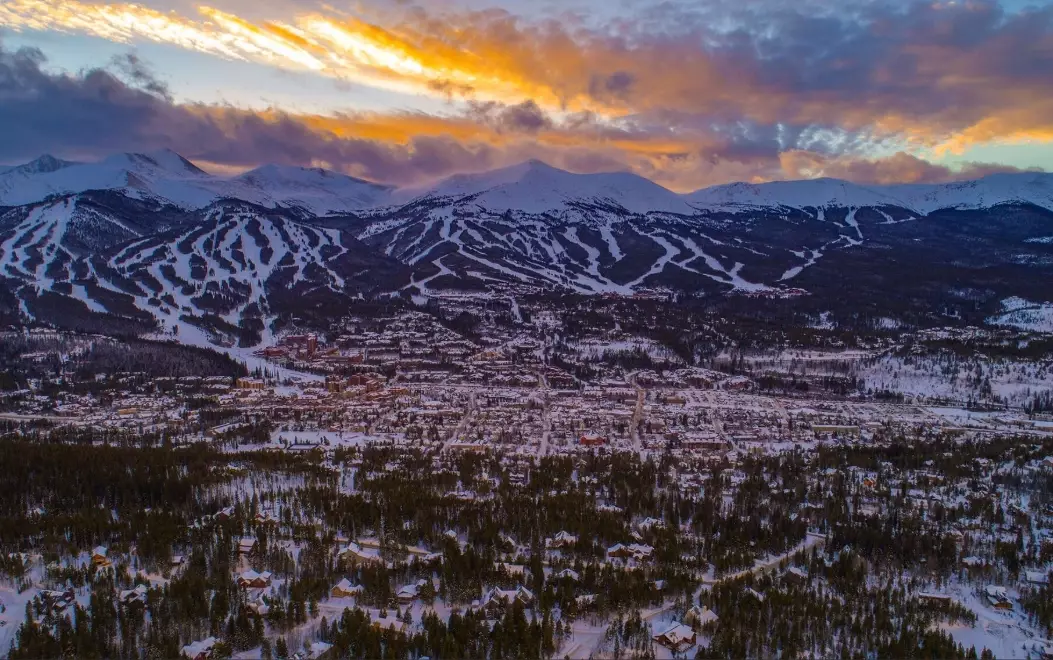
What is the Best Time to Ski Breckenridge?
It depends on what you're after.
For Guaranteed Snow & Fewer People: Late January through February. The holidays are over, the entire mountain is almost always open, and the snowpack is deep. It's cold, but the skiing is reliable. Avoid President's Day weekend.
For Sunshine & Festivals: March. This is prime time. Longer days, softer snow, and events like the Dew Tour or Spring Fever fill the calendar. Crowds return, especially during spring break weeks (check Colorado school schedules).
For Deals & A Roll of the Dice: Early December or April. Opening weeks can be limited. April offers corn snow and patio weather, but terrain slowly closes down. You might get a killer deal on lodging, or you might be skiing slush on a limited footprint.
I'm wary of November. The hype is big for opening day, but you're often skiing on a thin, man-made base with only a few runs open. If you're traveling far, wait until at least mid-December.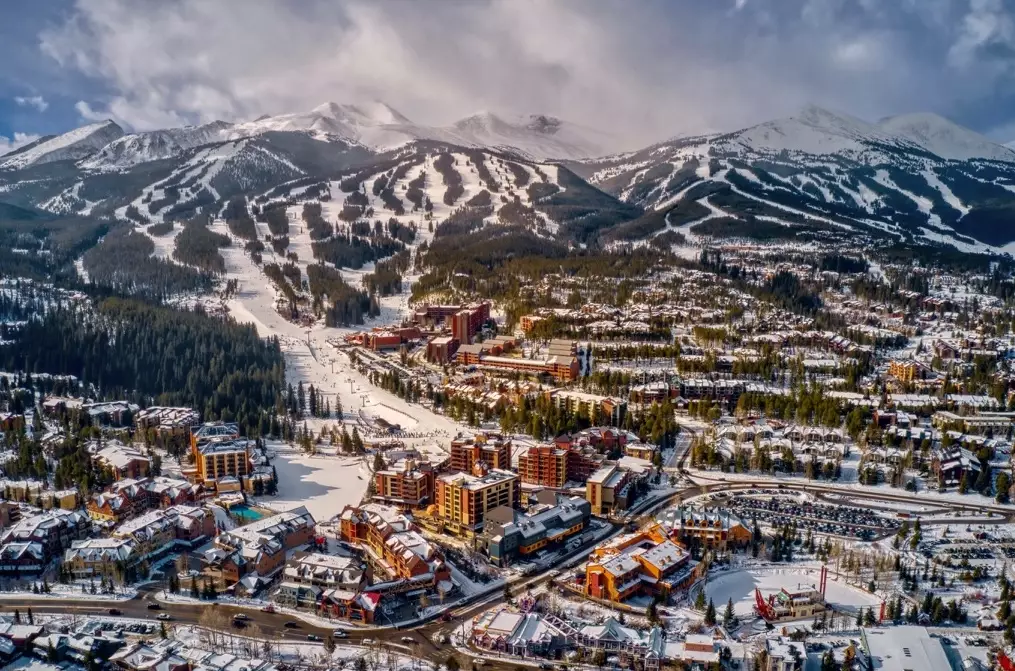
How to Save Money on a Breckenridge Ski Vacation
Skiing is expensive. Here’s how to cut corners without cutting fun.
Lift Tickets: Never, ever buy at the window. Purchase online from the Breckenridge website at least 7 days in advance for the best price. If you're skiing 4+ days, an Epic Pass or Epic Day Pass is almost always cheaper, even in the pre-season. Check for partner discounts through Costco or your credit card.
Rentals: Don't rent at the mountain base. Use a local shop in town like Breckenridge Ski & Sport or Main Street Sports. They're cheaper, have better service, and often let you pick up the night before. A little-known trick: rent for 4 days on a 5-day trip—many shops throw in a free demo day on high-end gear.
Food: This is your biggest daily bleed. Book a place with a kitchen. Make breakfast, pack sandwiches and snacks. On the mountain, the cafeterias are pricey. The sit-down restaurants (like Pioneer Crossing on Peak 7) aren't much more expensive for the quality and you get a real break. In town, hit happy hours. The Breckenridge Distillery restaurant has a great one.
Parking: The free lots (F-Lot, Airport Road) fill up by 8:30 AM on weekends. If you're driving in, either get there painfully early or just pay for the structured garage at the Gondola ($25). It's worth the sanity. Better yet, use the free shuttle.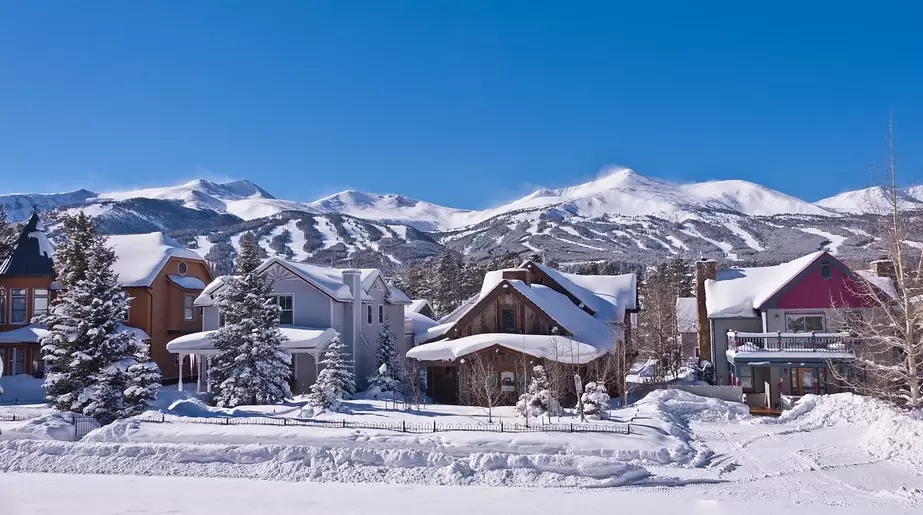
Related Articles

Comments
Join the discussion