Quick Guide
- What Makes Asian Skiing So Special Anyway?
- The Top Tier: A Deep Dive into Asia's Ski Heavyweights
- Side-by-Side: How the Best Ski Resorts in Asia Stack Up
- Beyond the Rankings: How to Actually Choose Your Resort
- Practical Stuff You Can't Afford to Ignore
- Answering Your Burning Questions (FAQs)
- The Final Run: Trust Your Gut
Let's be real. When most people think about skiing in Asia, one country instantly comes to mind: Japan. And for good reason – the powder there is legendary. I still remember my first run in Hokkaido last year, waist-deep in that famous 'Japow,' feeling like I was floating. It was unreal. But after a few seasons exploring the continent, I've realized something. Picking the best ski resorts in Asia isn't a one-size-fits-all game. It's a choice between wildly different experiences.
Are you after the driest, lightest snow on the planet? Or maybe you want epic off-piste terrain without the crowds? Could it be that you're secretly dreaming of skiing with a view of the Himalayas, or enjoying fantastic food and onsens after a day on the slopes? Your budget, skill level, and what you want off the mountain matter just as much.
This guide is my attempt to cut through the hype and give you the real picture. We'll dive deep into the top contenders, bust some myths, and I'll even share a few things I wish I'd known before my trips (like which places can get painfully crowded, and where the food is surprisingly expensive). By the end, you'll know exactly which Asian ski destination is calling your name.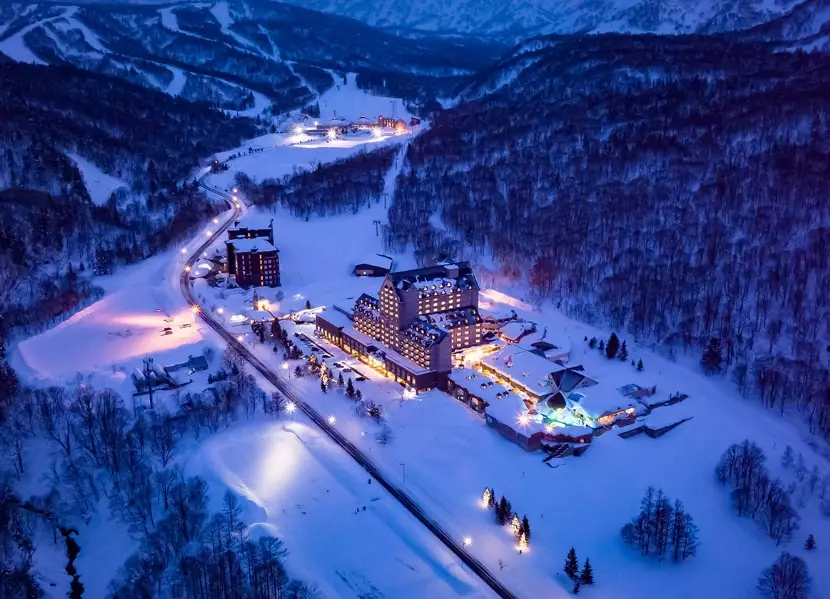
What Makes Asian Skiing So Special Anyway?
Before we rank anything, let's talk about the draw. Skiing in Europe or North America is fantastic, but Asia offers a cocktail of elements you just can't find anywhere else.
The snow. Oh, the snow. The phrase "best ski resorts in Asia" is almost synonymous with the mind-blowing powder found in the Japanese Alps and Hokkaido. Cold air from Siberia sweeps across the Sea of Japan, picking up moisture and dumping it as incredibly light, dry snow on the mountain ranges. We're talking consistent, frequent dumps that create conditions powder hounds fly across the world for. The Japan Meteorological Agency has tons of historical snowfall data that shows just how reliable these snow belts are.
And then there's value. Outside of the peak weeks in the most famous Japanese resorts, you can often find amazing value for money. Lift tickets in many Korean or Chinese resorts are a fraction of the cost in the West. The food, both on-mountain and in town, is often incredible and reasonably priced (again, with some notable exceptions I'll get to).
But it's not all perfect.
Okay, with that context, let's get into the meat of it.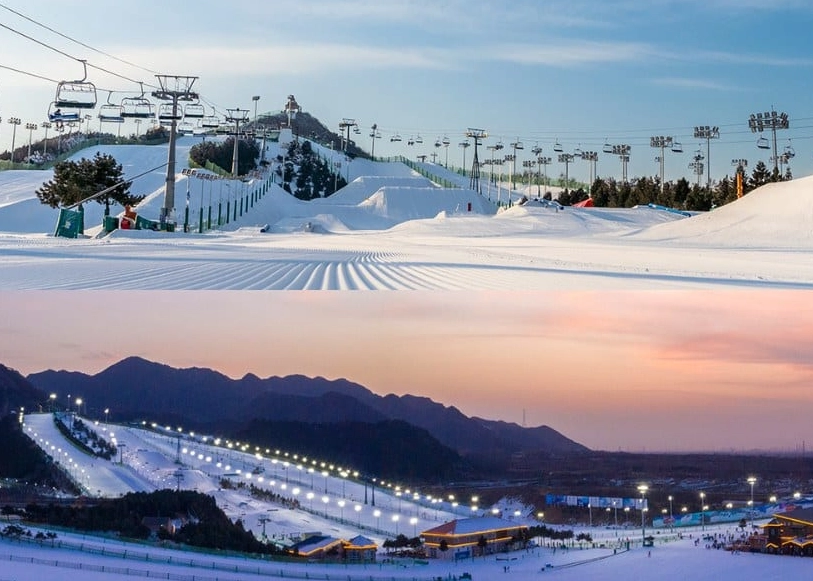
The Top Tier: A Deep Dive into Asia's Ski Heavyweights
Trying to name a single "best" resort is pointless. It depends on you. So instead, let's break down the elite contenders by what they do best. I've skied at most of these, and I've talked to guides, instructors, and fellow skiers to get the full scoop.
For the Powder Purist: Niseko United, Japan
Niseko isn't just a resort; it's a phenomenon. It's the name that dominates every conversation about the best ski resorts in Asia. Why? Consistency. The snowfall here is almost comically reliable. We're talking annual averages of over 15 meters (that's nearly 50 feet!). The snow is so light and dry it feels like you're skiing through cold smoke.
The resort is actually four interconnected ski areas (Grand Hirafu, Hanazono, Niseko Village, Annupuri), giving you a massive playground. The tree skiing is world-class and, crucially, it's largely permitted with proper safety gear, which is a rarity in Japan. The night skiing is also fantastic, letting you chase powder under the lights.
The downside? It's expensive. Accommodation books out a year in advance for peak season (January-February). And on a storm day, the top lifts can shut due to insane winds, bottling everyone up on the lower mountain.
For the Terrain Seeker & Culture Mix: Hakuba Valley, Japan
If Niseko is the powder king, Hakuba is the terrain emperor. Host of the 1998 Nagano Olympics downhill events, this valley in the Japanese Alps contains ten different resorts on one lift ticket. The scale is immense.
What sets Hakuba apart is variety. You want steep, challenging couloirs and alpine bowls? Head to Cortina or Tsugaike. You want perfectly groomed cruisers for family fun? Happo-One or Iwatake. Each resort has its own character. The vertical drop at some is impressive, over 1000 meters.
The vibe here is more mixed. You have bustling pockets like Happo, but you can also find quieter, more traditional Japanese towns a short shuttle ride away. The views of the Northern Alps are breathtaking. For a detailed look at each resort's trail map and stats, the official Hakuba Valley tourism site is an excellent resource.
The catch? The snow, while still excellent, can be slightly heavier than Hokkaido's 'Japow.' And the resort interconnectivity isn't as seamless as Niseko's. You'll likely need to use shuttles or a car to hop between areas, which eats into ski time.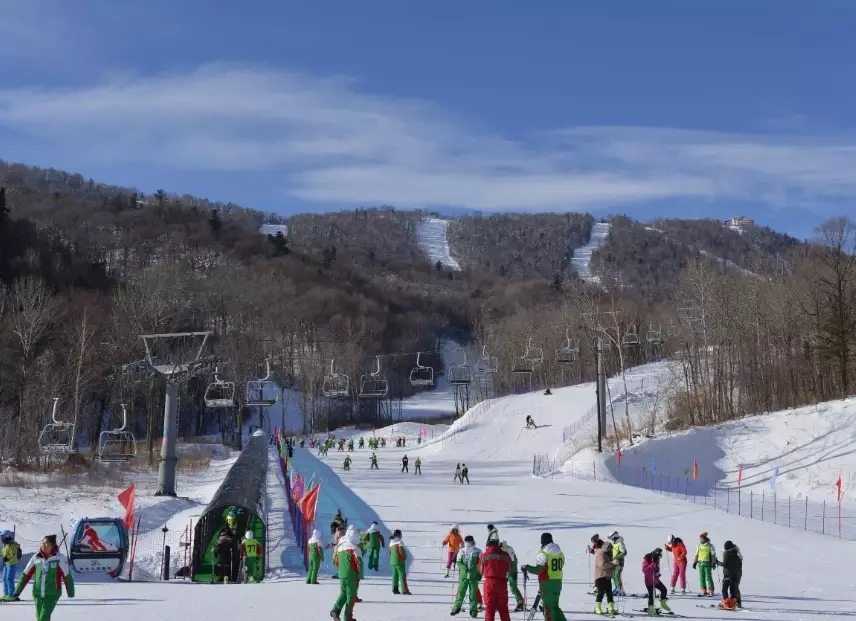
The High-Altitude Adventure: Gulmarg, India
Now for something completely different. Forget groomers and high-speed quads. Gulmarg is raw, high-altitude adventure skiing. Sitting in the Pir Panjal range of the Himalayas at about 2,650m, with skiing going up to nearly 4,000m, this place is not for the faint of heart.
The main draw is the Gulmarg Gondola, one of the highest in the world. It takes you up to a vast, treeless bowl with endless lines for off-piste and backcountry skiing. The views of Nanga Parbat, the ninth-highest mountain on Earth, are utterly surreal. You're not just skiing; you're having a Himalayan expedition.
The culture is incredible – you're in Kashmir, after all. The cost of skiing itself is low, but getting there and securing the right guide service is key. It's arguably the most unique answer to the quest for the best ski resorts in Asia if adventure is your top priority.
The Underrated Contender: Yongpyong & Alpensia, South Korea
Often overshadowed by Japan, South Korea's Gangwon-do province is a powerhouse. Yongpyong, the country's largest resort, hosted the 2018 PyeongChang Olympics alpine events. It's got a great mix of terrain, reliable snowmaking, and a famous long run called 'Rainbow Paradise.' Alpensia, next door, is more family-oriented.
Why consider Korea? Efficiency and convenience. Incheon Airport is a major global hub. The resorts are modern, clean, and incredibly well-organized. The apres-ski can be a blast – think Korean BBQ feasts and lively noreabangs (karaoke rooms). It's a fantastic option for a shorter trip, families, or intermediates looking for well-groomed runs.
The limitation? Natural snowfall isn't in the same league as Japan's snow belts. They rely heavily on snowmaking, so conditions can be firmer. The vertical is also more modest. But for a fun, accessible, and different Asian ski experience, it's a solid choice.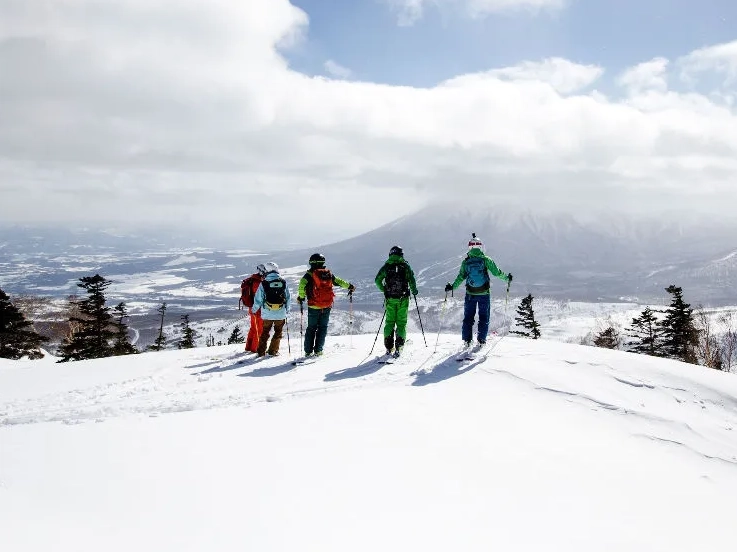
Side-by-Side: How the Best Ski Resorts in Asia Stack Up
Let's put this all in one place. This table isn't about declaring a winner, but about matching the resort to your personal checklist.
| Resort & Country | Best For | Snow Quality & Reliability | Terrain & Challenge | Culture & Apres-Ski Vibe | Budget Consideration |
|---|---|---|---|---|---|
| Niseko United (Japan) | Powder hounds, foodies, first-timers to Japan | Legendary. The benchmark for light, dry powder. Extremely high and reliable snowfall. | Great for all levels. Famous for epic tree skiing and accessible off-piste. | Very international, bustling, tons of dining/nightlife. Less "traditional" Japan. | High. Peak season is among the most expensive in Asia. |
| Hakuba Valley (Japan) | Advanced skiers, terrain variety, Olympic history | Excellent, heavy powder in the Japanese Alps. Very good, but can vary more than Hokkaido. | Extremely varied across 10 resorts. From gentle to extreme alpine terrain. | Mixed. Some busy hubs, quieter traditional towns nearby. Good mix of local and international. | Medium-High. Wide range of accommodation, but overall less pricey than Niseko peak. |
| Gulmarg (India) | Expert adventurers, backcountry, unique cultural experience | Variable. Can be deep powder, but also affected by altitude and weather patterns. | Expert-only. Vast, high-altitude, ungroomed bowls. Requires guiding. | Unique Kashmiri culture. Minimal western apres-ski. Focus is on the mountain adventure. | Low (on-mountain), Medium-High (with guide/flights). Skiing is cheap, but a proper guided trip has costs. |
| Yongpyong (South Korea) | Families, intermediates, convenience, short trips | Good with extensive snowmaking. Less natural snowfall than top Japanese resorts. | Good variety for low-intermediate to advanced. Not much extreme terrain. | Modern, efficient, fun Korean apres-ski (BBQ, karaoke). Lacks traditional alpine charm. | Medium. Generally good value, especially compared to peak Japan prices. |
| Rusutsu (Japan) | Powder + fewer crowds, families | Similar phenomenal powder to Niseko, just next door. | Excellent tree skiing, less crowded slopes. More limited total terrain. | Quieter, resort-focused (it's a large hotel complex). Less town vibe. | Medium-High. A popular alternative to escape Niseko's crowds and prices. |
See what I mean? The "best" one jumps out based on the column you care about most.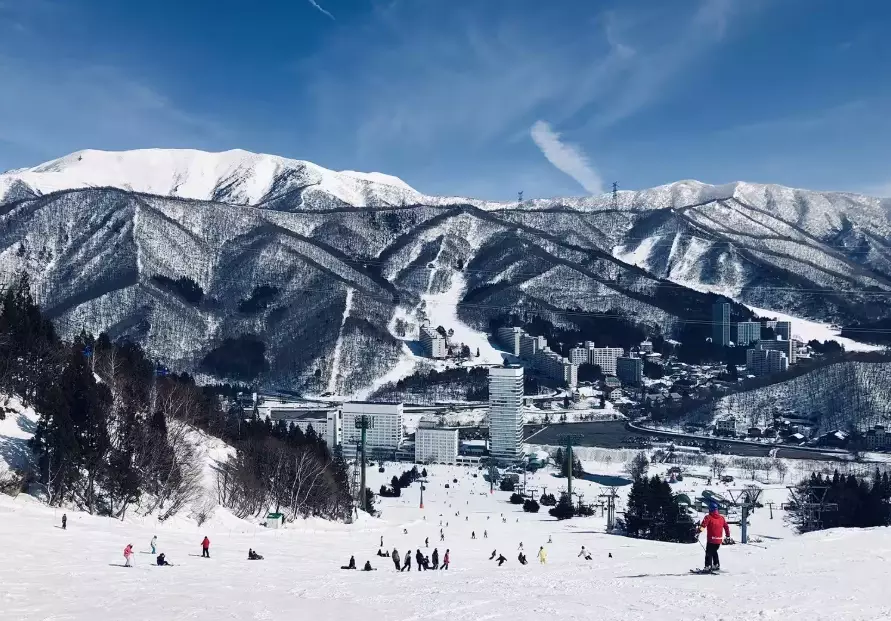
Beyond the Rankings: How to Actually Choose Your Resort
Alright, you've seen the stars. Now, how do you pick? Stop thinking just about the mountain for a second. Ask yourself these questions.
Is it bottomless powder every day? Then Hokkaido (Niseko, Rusutsu, Kiroro) is your only answer. Is it challenging, big-mountain terrain? Hakuba or Gulmarg enter the chat. Is it a hassle-free family holiday with something for everyone? Korea or a family-friendly Japanese resort like Nozawa Onsen might win.
This changes everything. A group of expert buddies chasing steeps? A romantic couple who loves onsens and fine dining? A family with young kids learning to ski? The resorts that cater to these groups are wildly different. The best ski resorts in Asia for a group of experts might be the worst for a family with toddlers.
Be honest. Factor in flights, accommodation, lift passes, food, ski rental, lessons, and transport. Japan can be reasonable if you avoid peak weeks and the most popular spots. Korea is often cheaper overall. Gulmarg is cheap on the ground but requires an investment in a good guide service. Niseko in January? Budget accordingly.
Timing is Everything: When to Go for the Best Experience
Picking the right month is as important as picking the right resort.
- January - February: Peak season in Japan. Coldest temps, deepest snow, biggest crowds, highest prices. The powder is most reliable, but you're paying for it.
- March: My personal favorite for Japan. Still great snow, longer days, warmer weather, fewer crowds, and often lower prices. The spring skiing can be fantastic.
- December & April: Shoulder seasons. Early December can be risky for coverage. April is for spring corn snow – a different, but fun, experience.
- For Gulmarg: The season runs later. January through March is prime, with the best stability often in February/March.
- For Korea: Season is roughly December to March. January and February are the coldest and busiest.
Practical Stuff You Can't Afford to Ignore
Let's get into the nitty-gritty. This is the stuff that can make or break your trip.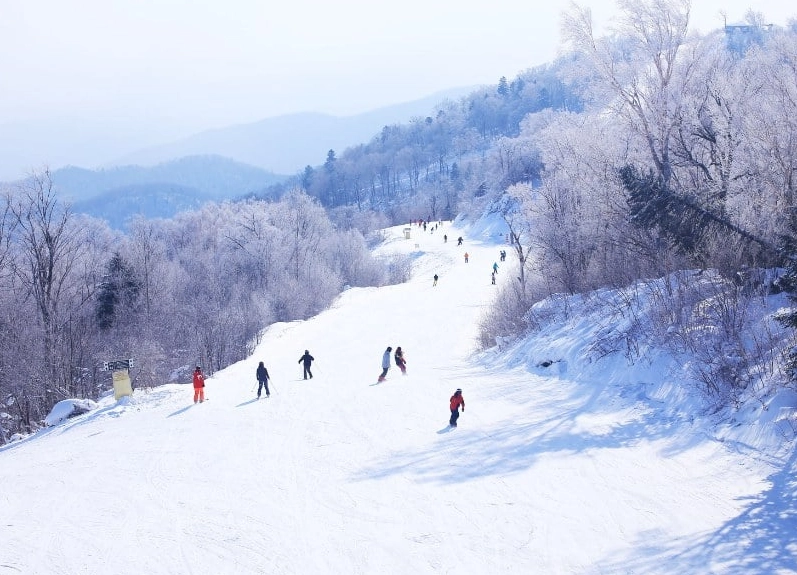
Getting Around & Logistics
In Japan, the Japan Rail (JR) network is your best friend for getting between cities. For Hokkaido, you'll likely fly into New Chitose Airport (CTS) and take a bus or train to Niseko (about 2.5-3 hours). Renting a car gives flexibility, especially in Hokkaido or Hakuba, but driving in snow can be daunting. In-resort, shuttles are common. In Korea, resorts often have direct buses from Seoul.
Gear & Preparation
You can rent excellent gear everywhere, but if you have powder skis, bring them. For Japan's deep snow, they're a game-changer. For Gulmarg, you need full backcountry gear (transceiver, probe, shovel) and the knowledge to use it. Waterproof, high-quality outerwear is essential. The snow in Japan is so light it gets everywhere if your gear isn't sealed.
Language & Etiquette
Learn a few basic phrases. "Arigatou gozaimasu" (thank you) in Japan goes a long way. In onsens, remember to wash thoroughly before entering the bath, and no swimsuits allowed. Tattoos can still be frowned upon in public onsens, though many now offer private rental options. In Gulmarg, be respectful of local customs and dress modestly off the slopes.
Answering Your Burning Questions (FAQs)
The Final Run: Trust Your Gut
So, after all this, where does that leave us? The truth is, there's no single "best" ski resort in Asia. There's only the best one for you.
If your dream is defined by floating through endless, face-shots of the world's lightest snow in a buzzing, international village, book that ticket to Niseko. If you crave Olympic-scale terrain across multiple mountains with a more authentic cultural backdrop, Hakuba is calling. If your spirit yearns for a high-altitude, backcountry adventure in the shadow of giants, start researching Gulmarg guides. And if you want a fun, convenient, and great-value ski break with a side of K-pop and BBQ, Korea is waiting.
Each of these places offers a slice of what makes Asian skiing so special. The powder, the people, the culture, the food – it's a combination that gets under your skin. I went for the snow, but I went back for everything else.
Do your homework, be honest about what you want, and then just go. The mountains are there, the snow is falling, and the ramen is waiting. You really can't go wrong.
Related Articles
Comments
Join the discussion