I remember the first time I looked at a trail map for Les 3 Vallées. It wasn't a map; it was a sprawling, intricate web of lines covering an entire newspaper page. The numbers were staggering: 600 kilometers of linked pistes, eight interconnected ski villages, one lift ticket. Everyone talks about it being the biggest. But after spending a decade guiding trips there, I've learned that "biggest" is just the starting point. The real story is how that scale translates into an experience you can't find anywhere else—and the subtle mistakes first-timers make trying to tackle it.
What You'll Find in This Guide
Why Les 3 Vallées Holds the Title (By the Numbers)
Let's cut through the marketing. When we say "biggest ski resort in the world," we're talking about the largest interconnected, lift-served ski area. Some destinations in North America might claim more acreage, but they're often a collection of separate mountains requiring a car or bus. Les 3 Vallées is a single, fluid entity.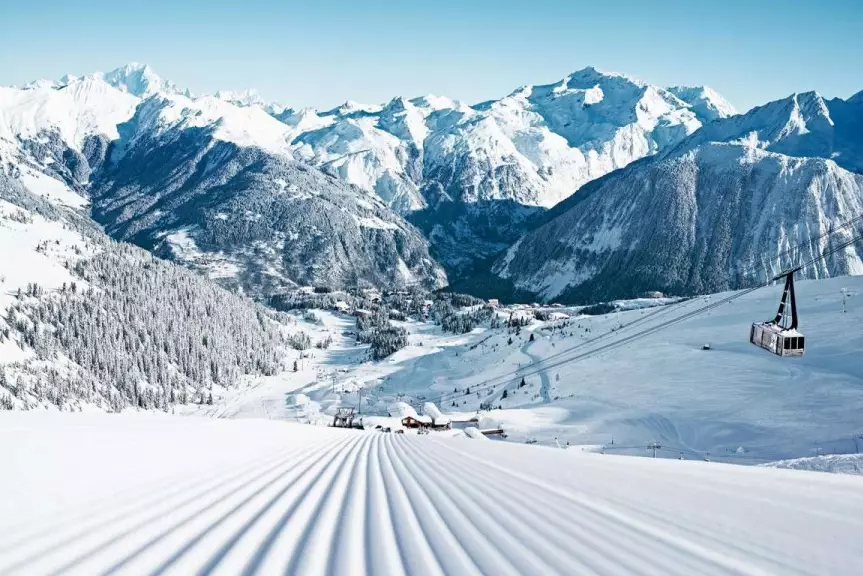
The core stats from the Les 3 Vallées official site are non-negotiable:
| Metric | Figure | Context / What It Means For You |
|---|---|---|
| Skiable Area | 600 km (373 miles) of pistes | That's the distance from Paris to Zurich. You could ski a different 30km run every day for three weeks. |
| Linked Resorts | 8 Main Villages | Courchevel, Méribel, Brides-les-Bains, Les Menuires, Saint-Martin-de-Belleville, Val Thorens, Orelle, La Tania. Each with a distinct personality. |
| Vertical Drop | 2,200 m (7,217 ft) | From the peak of Mont Vallon (2952m) to Brides-les-Bains (600m). Few resorts offer a single continuous run close to this. |
| Ski Lifts | Over 180 | This density is key. It means less traversing, more skiing, and incredible redundancy—if one lift has a queue, you often have 2-3 other options to reach the same zone. |
Here's the expert nuance most blogs miss: The "600 km" is just marked pistes. The off-piste and freeride potential, guided by the massive north-facing bowls above Val Thorens and the couloirs of Courchevel, arguably doubles the explorable terrain. A report by the Savoie Mont Blanc tourism board consistently highlights the region's investment in lift infrastructure, which is what makes this connectivity possible and reliable.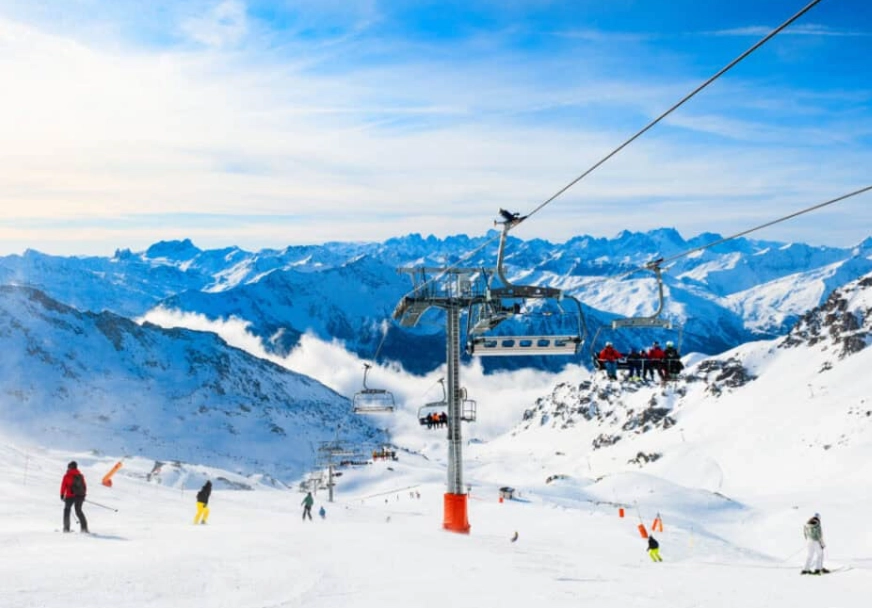
More Than Just Size: The Ski Experience Itself
So, you have this giant playground. What does it feel like under your skis?
The variety is absurd. You can start your morning on the perfectly groomed, wide motorway blues of Courchevel 1650, feeling like an Olympic downhiller. By lunch, you're navigating the steep, mogul-filled black runs off the Cime Caron cable car in Val Thorens, legs burning. In the afternoon, you can cruise through the tree-lined, family-friendly blues above Méribel, catching dappled sunlight. All without taking off your skis or seeing a bus.
A Common Mistake I See: Skiers try to "collect" all three valleys in one day. They spend 5 hours on lifts and in cafes, skiing maybe 15km total, exhausted and missing the point. The magic isn't in ticking boxes on a map; it's in diving deep into one valley's character each day.
The snow reliability, particularly in the Val Thorens and Les Menuires sectors, is a major pain point solver. With most skiing above 2000 meters and glaciers at the top, the season is long (late November to early May). If it's a low-snow year elsewhere in the Alps, chances are you'll still find good conditions here.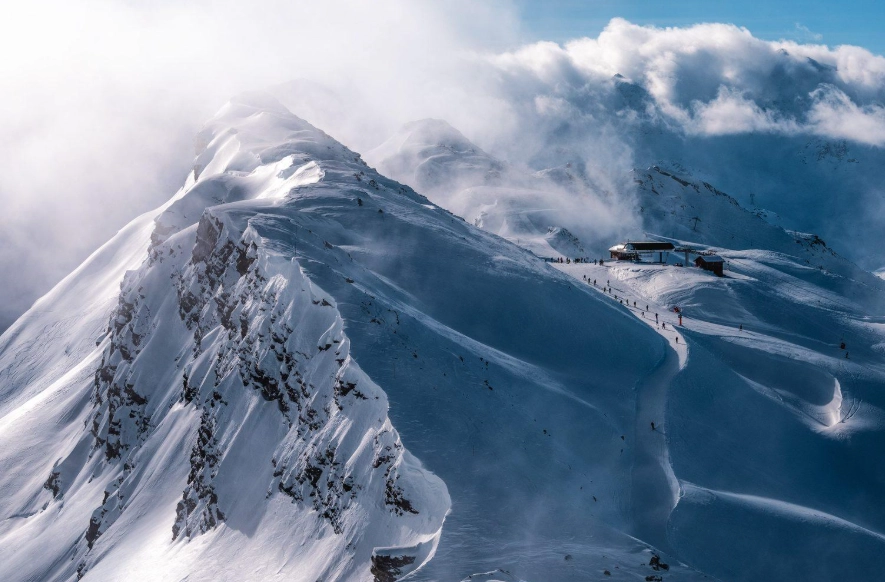
Key Resorts Breakdown: Where to Base Yourself
Choosing where to stay is your most critical decision. Picking wrong can mean long commutes to the terrain you love. Here’s the real personality of each major hub:
Courchevel (1850): The Luxury Hub
Think Michelin stars, fur coats, and impeccably groomed slopes. The skiing here is vast and varied, with an incredible amount of easy and intermediate terrain that's perfectly maintained. It's also home to some of the most challenging couloirs in the Alps (like the Grand Couloir). Stay here if your priority is fine dining, luxury shopping, and accessing a huge variety of slopes directly from your hotel. It's pricy. A mid-range hotel like Le Strato averages €400-€600/night in peak season.
Méribel: The Heart of the Three Valleys
Geographically central, built in traditional chalet style (no high-rises), and with a fantastic, lively atmosphere. Méribel's slopes are a perfect intermediate playground, and it provides the most balanced access to both Courchevel and the Val Thorens sectors. The après-ski at the legendary Rond Point or Folie Douce is a must. Accommodation is more varied, with self-catered apartments widely available from €150/night upwards.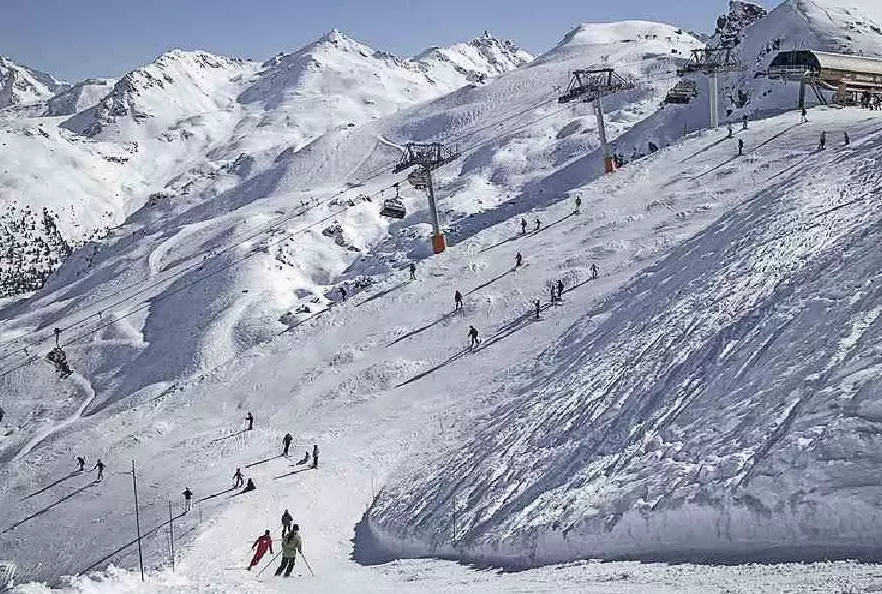
Val Thorens: The Snow-Sure, High-Altitude Powerhouse
At 2300m, it's Europe's highest ski resort. The snow is almost always guaranteed. The architecture is more functional and modern, the vibe is younger and more energetic. It's the best base for hardcore skiers who want first tracks and access to extreme off-piste. It can feel a bit isolated from the charming lower villages, but you're on the snow the second you step out. A week in a club-style hotel like the Fahrenheit7 can be very good value for money.
La Tania / Les Menuires: The Value & Family Picks
La Tania is a small, purpose-built, tree-lined village between Courchevel and Méribel. It's quiet, affordable, and has excellent beginner slopes right outside. Perfect for families.
Les Menuires often gets unfairly maligned for its 60s architecture, but it offers some of the best-value, ski-in/ski-out accommodation in the entire area. You're right in the middle of huge, sunny ski slopes. Don't let the looks put you off if budget and convenience are key.
Planning Your Conquest: A Realistic 5-Day Itinerary
Let's build a week that maximizes enjoyment, not lift time. Assume you're staying in Méribel for its central location.
Day 1: Méribel Orientation. Don't go anywhere. Explore the Méribel valley—the Saulire sector for challenging reds, the Altiport for stunning views and easy cruises. Find your legs. Après at the Rond Point.
Day 2: Courchevel. Take the Saulire Express gondola over the mountain. Spend the day exploring the vast Courchevel sector. Have a long, posh lunch on the terrace at Le Cap Horn in Courchevel 1850. Ski back via the Vizelle gondola.
Day 3: Val Thorens & The Fourth Valley. Ski down to Les Menuires, then up the Mont de la Chambre lift into Val Thorens. Head to the Cime Caron for the iconic view. Advanced skiers can drop into the fourth, often-forgotten valley of Orelle for a quieter experience. Take the long, scenic (and sometimes flat) home run via St Martin de Belleville.
Day 4: The Hidden Gems. Head to the Belleville valley (Les Menuires/St Martin). Explore the quieter, sun-drenched slopes around the Roc des 3 Marches and Pointe de la Masse. Fewer people, fantastic snow.
Day 5: Your Favorites. Go back to the area you loved most. Now that you know the lift system, you'll get there twice as fast and ski it twice as well.
Getting There: Geneva Airport (GVA) is the main gateway, a 2-2.5 hour transfer. Chambéry (CMF) is closer (1.5 hours) but has fewer flights. Pre-book a shared shuttle or private transfer. Train to Moutiers, then a taxi/bus up the mountain is also possible.
Your Biggest Questions, Answered
Is Les 3 Vallées suitable for beginners, or is it only for experts?
This is the biggest misconception. People see "biggest" and think "hardest." Not true. Nearly 50% of the runs are green or blue. Resorts like La Tania and the Altiport area in Méribel are beginner paradises with gentle, wide slopes that feed right back to the village. The scale works in a beginner's favor—you could have an amazing week exploring just the easy runs in one or two valleys without ever repeating a piste.
How many ski lifts are there, and what does a lift pass actually cost?
Over 180 lifts make the system tick. A standard 6-day adult pass for the full area typically runs between €330 and €380, depending on how early you book and the exact season. Yes, it's an investment. But break it down: that's access to 600km of terrain. The cost-per-kilometer or per-lift-ride is arguably the lowest in the Alps. Look for family discounts and early-bird rates released in summer.
What's the best time to visit for guaranteed snow across the whole area?
For absolute certainty that every high-altitude link between valleys is open, aim for mid-January to late March. The resort's height guarantees good skiing outside these dates, but the core winter months ensure the full, seamless, massive experience. A pro tip: The last two weeks of March often deliver the best combo of great snow, longer days, and slightly thinner crowds than February.
How do I not get hopelessly lost?
Getting temporarily 'misplaced' is part of the fun. Getting truly stranded is very hard. First, download the official Les 3 Vallées app—its live GPS map is a lifesaver. Second, always note the name of the last lift back to your home valley and its closing time. The signage is excellent; just pay more attention to valley names (Courchevel, Méribel, Belleville) than just run colors. Finally, if in doubt, any lift operator or mountain restaurant staff can point you in the right direction.
The title of "world's biggest ski resort" isn't just a trophy for Les 3 Vallées. It's a functional reality that creates a unique skiing proposition: boundless variety, unmatched reliability, and the liberating feeling that you can follow your mood—or the sun—anywhere, all day long. It rewards a bit of planning but punishes over-scheduling. Go with the goal to explore, not conquer, and you'll understand why scale, when done right, is the ultimate luxury in skiing.
Related Articles



Comments
Join the discussion