So you're thinking about skiing in Asia. Maybe you've seen the Instagram videos of waist-deep powder in Japan, or heard about the slick resorts in South Korea. But which country is actually the best? It's not a simple answer. "Best" depends entirely on what you're looking for. Are you a powder hound chasing legendary snow? A family needing gentle slopes and easy logistics? Or a budget-conscious traveler wanting maximum value?
Having skied across all three major Asian ski destinations over the last decade, I can tell you they each offer a completely different flavor. Picking the wrong one for your style can turn a dream trip into a frustrating experience. Let's cut through the hype and compare Japan, South Korea, and China head-to-head.
Your Quick Ski Guide to Asia
The Contenders: Japan, South Korea & China
Before we dive deep, here's the snapshot. This table sums up the core personality of each destination.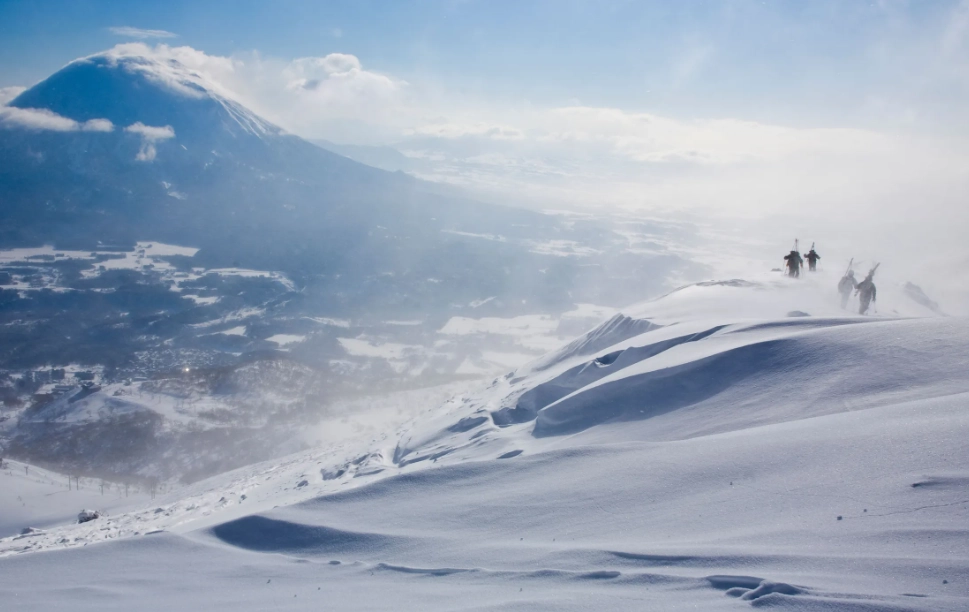
| Factor | Japan | South Korea | China |
|---|---|---|---|
| Signature Offer | Legendary dry powder snow (Japow) | Modern convenience & nightlife | Rapid development & domestic scale |
| Best For | Experts & powder seekers, foodies, culture+ski combos | Beginners & intermediates, groups, short trips, après-ski | Domestic tourists, exploring a growing market, combining with major cities |
| Vibe | Traditional onsens meet international buzz (in major resorts) | Energetic, social, and highly organized | Busy, commercial, primarily catering to local crowds |
| Cost (Mid-Range) | $$$ (Resorts can be pricey, but value exists) | $$ (Excellent package deals available) | $ (Domestic prices low, international travel varies) |
| Biggest Drawback | Can be crowded/expensive at top resorts; language barrier off-piste | Less reliable/powdery snow; shorter verticals | Inconsistent snow quality; can feel chaotic; language barrier significant |
See? They're different beasts. Now, let's get into the gritty details of each.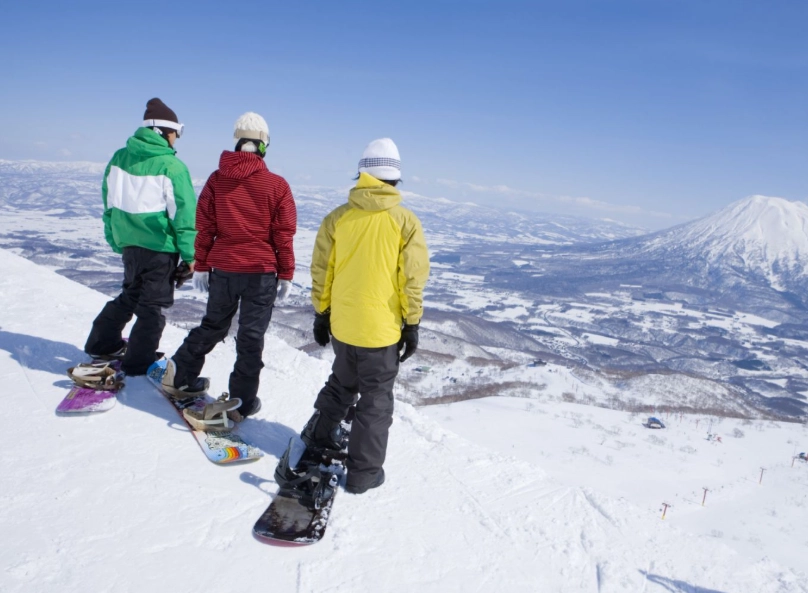
Japan: The Undisputed Powder King
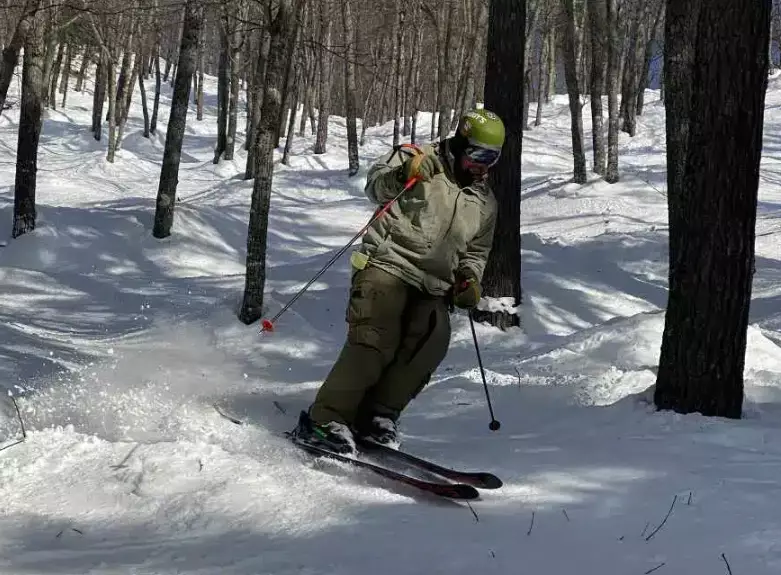
Let's be clear. If your definition of "best skiing" is centered on snow quality, Japan wins. Full stop. The snow that falls on Hokkaido and parts of Honshu is a different substance—light, dry, and absurdly abundant. They call it "Japow" for a reason.
But here's a nuance most blogs miss: not all of Japan is a powder paradise. The hype is real for Hokkaido (the northern island) and the Japanese Alps on Honshu. Resorts near the Sea of Japan get dumped on by Siberian weather systems. Resorts on the Pacific side? Not so much.
Top Tier Resorts & What They're Really Like
Niseko United (Hokkaido): This is the international hub. Four interlinked resorts (Grand Hirafu, Hanazono, Niseko Village, Annupuri) with vast terrain. The powder is insane, the tree skiing is world-class, and the village is fully equipped with English-speaking services, restaurants, and bars. The downside? It's expensive and can feel less "Japanese" due to the high number of foreign visitors and workers. A one-day lift pass runs around ¥8,500 ($55 USD). You fly into New Chitose Airport (CTS) and take a 2.5-3 hour bus or train.
Rusutsu (Hokkaido): My personal favorite for avoiding crowds. The snow is just as good as Niseko, maybe even drier. The resort is built around a quirky, massive hotel complex with a carousel in the lobby. It has fantastic groomed runs and incredible off-piste zones. It's more family-oriented and spread out. Getting there requires a transfer from Sapporo or Niseko.
Hakuba Valley (Honshu): A collection of 10 resorts in the Japanese Alps, like Happo-One, Hakuba 47, and Goryu. This is where the 1998 Nagano Olympics were held. You get bigger mountains and more vertical drop than Hokkaido, but the snow, while still excellent, can be slightly heavier. The vibe is a mix of traditional villages and ski infrastructure. It's great for combining skiing with cultural trips to places like Matsumoto Castle. Access is via Tokyo, then a 4-5 hour train/bus.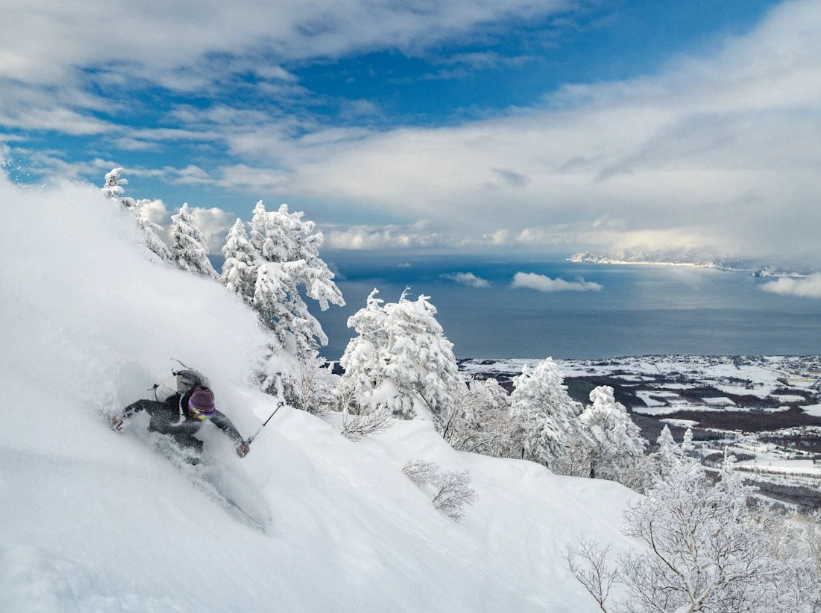
The après-ski culture in Japan is uniquely relaxing. Forget loud bars (though they exist in Niseko). The real magic is in the onsen (hot spring). Soaking in a natural outdoor bath as snow falls around you after a day of skiing is an experience that simply doesn't exist in the Alps or Rockies. Then, you go for ramen, sushi, or izakaya (pub) food. The culinary aspect alone is a massive draw.
South Korea: The Convenience Champ
If Japan is about the natural elements, South Korea is about human-engineered efficiency. The skiing here is clean, modern, predictable, and incredibly convenient. It's the best choice for beginners, short trips, or anyone who wants a hassle-free ski holiday.
The mountains are smaller, and the snow is mostly machine-made or natural but often heavier and icier than Japan's powder. Don't come expecting bottomless Japow. Come expecting perfectly groomed corduroy, wide beginner slopes, and a fun, social atmosphere.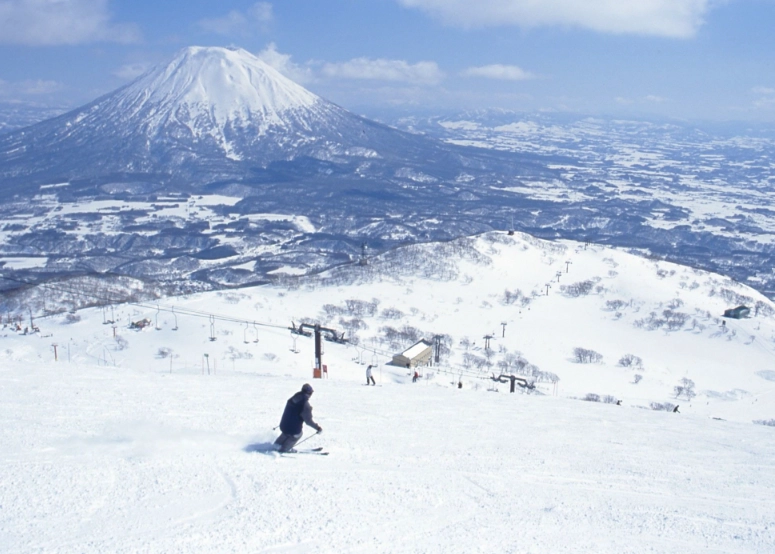
Major Resorts: Organized Fun
Yongpyong Resort: Korea's largest and oldest resort, famous for hosting the 2018 PyeongChang Olympics alpine events. It has the longest slope in Korea ("Rainbow Paradise"). The Dragon Peak hotel is ski-in/ski-out. It's a massive, full-service complex. A day pass is about ₩89,000 ($65 USD). It's about a 3-hour drive from Incheon Airport, with frequent buses.
High1 Resort: Another giant, known for its casino and extensive beginner/intermediate terrain. It's incredibly well-organized, with a central gondola moving people from the accommodation base to the slopes. The ski school is very professional. This is where many Seoul locals learn to ski.
Phoenix Park: Popular with younger crowds and known for its terrain parks and nightlife. The slopes are well-lit for night skiing, which is a big thing in Korea. It's closer to Seoul than Yongpyong (about a 2-hour drive).
The biggest advantage? Accessibility from Seoul. You can land at Incheon (ICN), take an airport limousine bus directly to most resorts, and be on the slopes the next morning. The resorts themselves are like self-contained cities: hotels, condos, restaurants, convenience stores, rental shops, and clinics are all integrated. You rarely need a car.
The Korean après-ski is lively. Expect karaoke (noraebang) rooms, bustling restaurants serving Korean BBQ and hearty stews, and often, a more party-oriented vibe than in Japan. For a group of friends wanting a fun, easy ski weekend, it's hard to beat.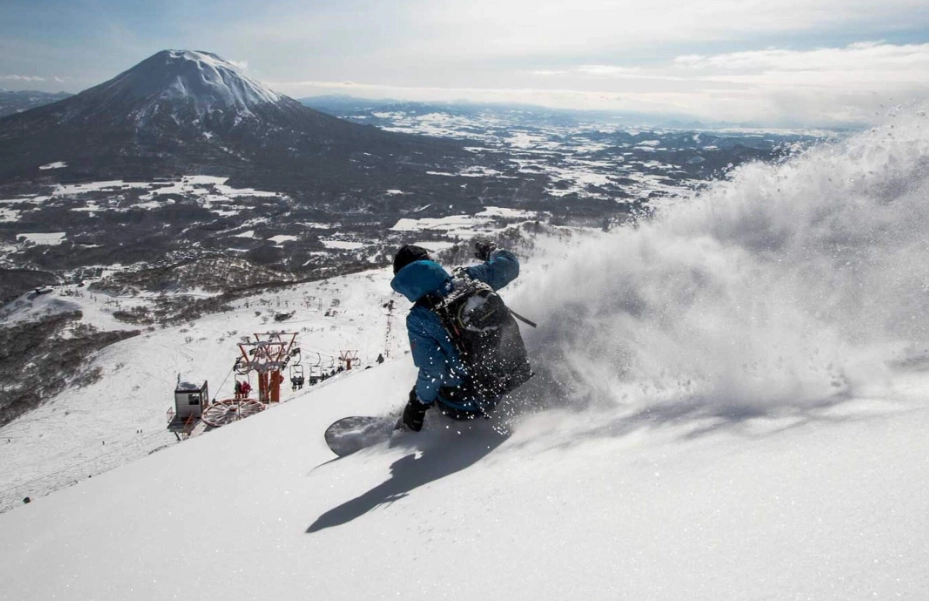
China: The Rising Contender
China's ski industry is exploding, fueled by the 2022 Beijing Winter Olympics and a growing middle class. It's the wild card. The scale is immense, but the experience is still developing for international skiers.
Snow quality is the biggest challenge. Much of northern China is very dry, so resorts rely heavily on snowmaking. The natural snow can be variable. The culture is also different—skiing is a relatively new leisure activity, so slopes can be crowded with first-timers, and the on-slope etiquette is... evolving.
Where to Look in China
Chongli (Zhangjiakou): This was the main alpine venue for the 2022 Olympics. Resorts like Thaiwoo and Genting Resort Secret Garden are modern, with high-speed lifts and Olympic-grade slopes. The infrastructure is brand new. It's about a 3-hour drive from Beijing. This is where you go to see the future of Chinese skiing—professional, large-scale, and built for international events.
Yabuli (Heilongjiang): China's oldest and largest resort, in the far northeast. It has the most vertical drop in the country and gets the most natural snow. It feels more like a traditional ski resort, though facilities can be dated compared to Chongli. It's a domestic tourism powerhouse, so expect big crowds during holidays.
For an international skier, China is best as an add-on to a Beijing trip, out of curiosity to see a market in hyper-growth. It's affordable for on-slope costs, but the language barrier is significant, and navigating travel logistics requires more effort than Japan or Korea. It's not yet a destination to rival the other two for a pure ski vacation, but in 5-10 years? It could be a major player.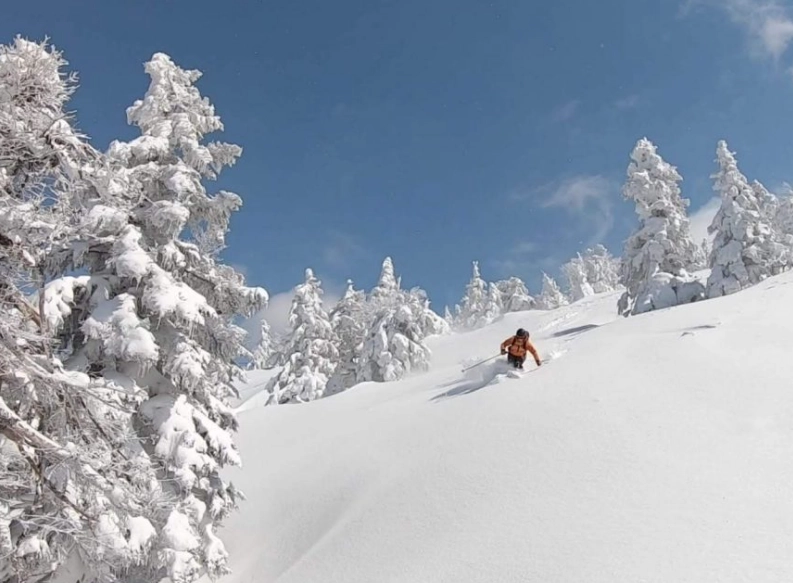
Making Your Choice: Which is Best for YOU?
Stop asking "which country is best?" and start asking "which country is best for me?"
- Choose JAPAN if: Snow quality is your #1 priority. You're an intermediate-to-expert skier/rider. You love great food and unique cultural experiences (onsens, temples). You don't mind spending more for a premium experience or are willing to explore lesser-known resorts for value.
- Choose SOUTH KOREA if: You're a beginner or intermediate. You're short on time and want easy logistics from an international hub (Seoul). You're traveling with a group wanting a fun, social trip. You want a very clean, modern, and predictable resort experience.
- Consider CHINA if: You're already visiting Beijing and are curious to see the Olympic venues or the scale of China's development. You're an adventurous traveler unfazed by language barriers and crowds. Price is a major concern for lift tickets and rentals.
I've made the mistake of taking a group of first-time skiers to a remote Japanese powder resort. They spent more time scared and frustrated than having fun. Match the destination to the skill level and desire.
Planning Your Asian Ski Trip: Key Details
Once you've picked your country, here's the actionable stuff.
Best Time to Go: Peak season is January to early March. This is when you get the most consistent cold temperatures and snow, especially in Japan. December can be early season (limited terrain), and March can bring warmer spring conditions (still fun, but not powder). Korean resorts often have longer seasons due to snowmaking.
Visas & Travel: Check visa requirements well in advance. Japan and South Korea offer visa-free entry for many passport holders for short tourism stays. China's visa process is more involved. For Japan and Korea, booking intercity trains (like Japan's Shinkansen) or airport limousine buses in advance is wise, especially during peak season.
On-the-Ground Costs:
Japan: Lift pass: ¥5,000-¥9,000/day ($35-$60). Budget hotel/ryokan: ¥10,000-¥20,000/night ($65-$130). Meal: ¥1,000-¥3,000 ($7-$20).
South Korea: Lift pass: ₩70,000-₩90,000/day ($50-$65). Condo/hotel: ₩150,000-₩250,000/night ($110-$180). Meal: ₩10,000-₩20,000 ($7-$15).
Look for multi-day pass discounts and all-inclusive "Ski Stay" packages in Korea, which can be tremendous value.
What to Pack: Good waterproof outerwear is essential. The snow in Japan, especially Hokkaido, is so light and dry that you might think you don't need it, but you do. Bring layers. For Japan, pack an onsen towel and be prepared to get comfortable with public bathing etiquette (wash thoroughly before entering, no swimsuits). In all countries, having a portable WiFi device or local SIM card for translation apps and maps is a game-changer.
Your Asian Ski Trip Questions Answered
Which Asian country is best for beginner skiers?
Where can I find the best powder snow ("Japow") in Asia?
Is skiing in Asia more affordable than in Europe or North America?
Do I need to speak Japanese or Korean to ski in Asia?
So, which country in Asia has the best skiing? Japan has the best snow. South Korea has the best ease and value for most people. China is the most intriguing future prospect. Your perfect Asian ski destination is waiting—you just have to know what you're really looking for.
Related Articles

Comments
Join the discussion