America's ski scene is a beast of its own. From the legendary deep snow of the Rockies to the icy, historic trails of New England, the choices are staggering. Picking the right ski resort in the USA isn't just about the biggest mountain or the fanciest village—it's about matching terrain to your legs, vibe to your personality, and logistics to your patience level. I've spent over a decade chasing snow from Alaska to Vermont, and I'm still finding new corners. Let's cut through the marketing and find your mountain.
What's Inside This Guide?
The Big Leagues: Iconic Resorts of the West & Rockies
This is where the postcard images come from. Massive verticals, reliable powder, and resort villages that feel like their own zip codes. But they're not all the same.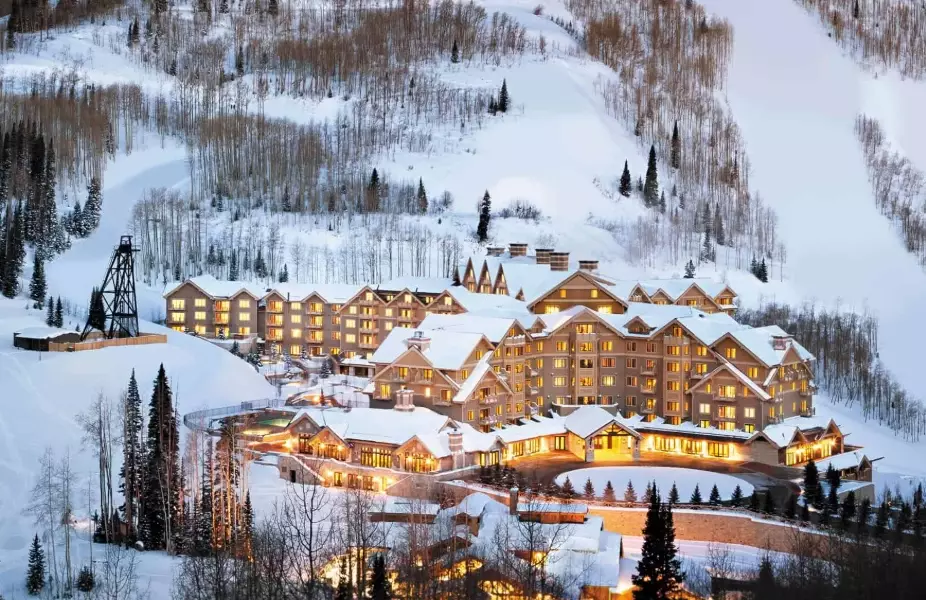
Colorado's Heavy Hitters
Vail (Vail, CO) is the sprawling giant. Front-side runs are wide and forgiving, perfect for cruising. The real magic is the Back Bowls—seven miles of open, treeless terrain that feels like skiing a different planet. It's expensive, it can be crowded, but the sheer scale is undeniable. A day pass hovers around $250.
Down the road, Beaver Creek (Avon, CO) is Vail's polished cousin. Cookies at 3 PM, escalators to some lifts, and impeccably groomed runs. It's less about extreme terrain and more about a flawless, luxurious experience.
For a different flavor, Telluride (Telluride, CO) is buried in a box canyon. The town is historic and stunning, not built by a corporation. The skiing is steep, scenic, and split between beginner-friendly Meadows and expert-only plunges like the Palmyra Peak hike. The remoteness keeps crowds thinner.
Utah's Greatest Snow on Earth
The snow in Utah's Wasatch Range is famously light and dry. Park City Mountain (Park City, UT) is now America's largest single ski area. It's vast, with terrain for everyone and a fantastic, accessible town right at the base. It's a great one-stop shop for a group.
Snowbird & Alta (Little Cottonwood Canyon, UT) are the purist's choice. They get dumped on. Alta is skiers-only, and both resorts are light on frills, heavy on steep, challenging terrain. The canyon road can close during storms, which is a blessing (fresh tracks) and a curse (you're stuck).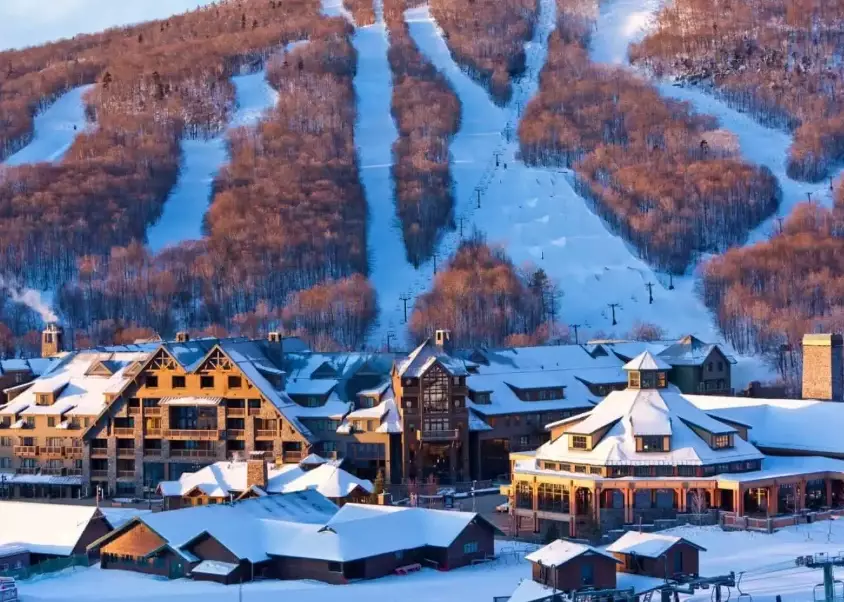
California & The Pacific Northwest
Palisades Tahoe (Olympic Valley, CA) is a terrain monster. The merger of Squaw Valley and Alpine Meadows created a playground with everything from gentle slopes to the legendary KT-22 chair. The vibe is athletic, the views of Lake Tahoe are insane.
In Wyoming, Jackson Hole (Teton Village, WY) is the expert's badge of honor. The tram rises 4,139 vertical feet to the top of Rendezvous Mountain. Corbet's Couloir is a right of passage. But don't be fooled—over 50% of the terrain is intermediate, and the intermediate runs here would be expert terrain elsewhere. The town of Jackson is a real, funky Western town.
A Local's Tip: Everyone obsesses over vertical drop. I pay more attention to a resort's aspect (the direction the slopes face). North-facing slopes hold cold powder longer. East-facing get morning sun, then ice over. South-facing are often slushy by afternoon. Check the trail map for orientation.
East Coast Classics: Grit, Ice, and Charm
Skiing out East is a different sport. It's about technique on hardpack, appreciating history, and cozying up in classic villages. The mountains are older, shorter, but often steeper and more technical.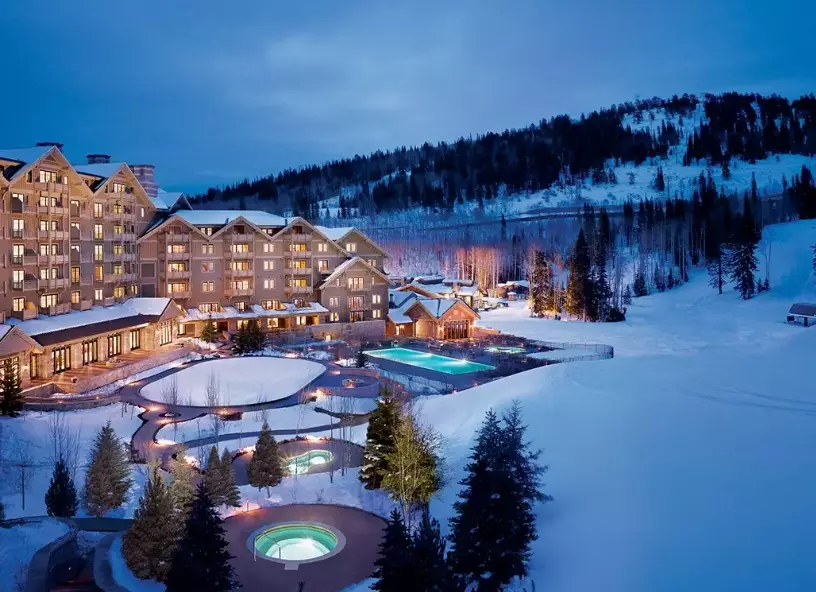
| Resort | Location | Key Vibe | Best For |
|---|---|---|---|
| Stowe Mountain Resort | Stowe, VT | Quintessential New England charm, classic trails | Intermediate skiers, families, weekend getaways |
| Killington Resort | Killington, VT | The "Beast of the East," massive, long season | Nightlife, hardcore skiers, early/late season trips |
| Sugarloaf | Carrabassett Valley, ME | Remote, big-mountain feel, loyal community | Escaping crowds, expert terrain (Snowfields) |
| Whiteface Mountain | Wilmington, NY | Olympic history, steepest vertical in the East | Challenging skiing, Lake Placid Olympic history |
My personal favorite? Mad River Glen (Fayston, VT). It's a co-op owned by its skiers. It's defiantly old-school—a single chairlift, a "Ski It If You Can" slogan, and a policy that strongly discourages snowboarding. The terrain is narrow, natural, and unforgiving. It's not for everyone, but it's a living museum of skiing that reminds you what the sport felt like 50 years ago.
Midwest Gems & Alaskan Frontiers
Yes, the Midwest has skiing. Great skiing for learning, for families, and for getting a lot of laps in. Lutsen Mountains (Lutsen, MN) on Lake Superior's shore is the biggest, with four peaks and a Scandinavian lodge feel. The lake-effect snow is real.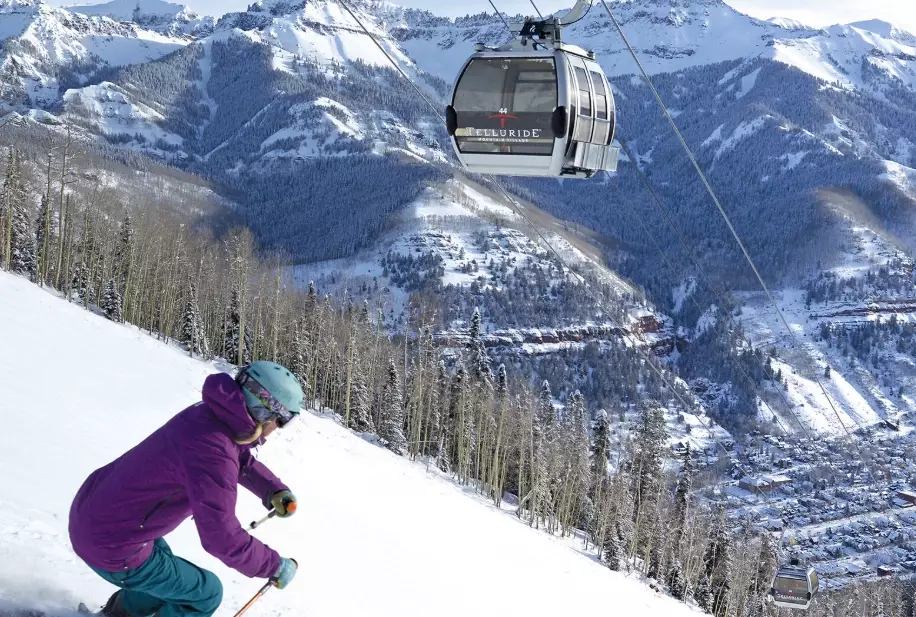
Out west, Big Sky Resort (Big Sky, MT) deserves its own category. It's massive, with mind-boggling acreage per skier. You can find solitude here even on a holiday weekend. The tram to Lone Peak summit offers some of the most extreme in-bounds terrain in North America.
Then there's Alaska. This is expedition-style skiing. Alyeska Resort (Girdwood, AK) is the only major lift-served area, getting over 600 inches of snow. But the real action is heli-skiing and cat-skiing operations like Tordrillo Mountain Lodge or Chugach Powder Guides. It's expensive, logistically complex, and delivers the deepest, most epic runs of your life. This isn't a vacation; it's a pilgrimage for powder hounds.
Planning Your Trip: The Real-World Details
Here’s where trips go right or wrong. Let’s get practical.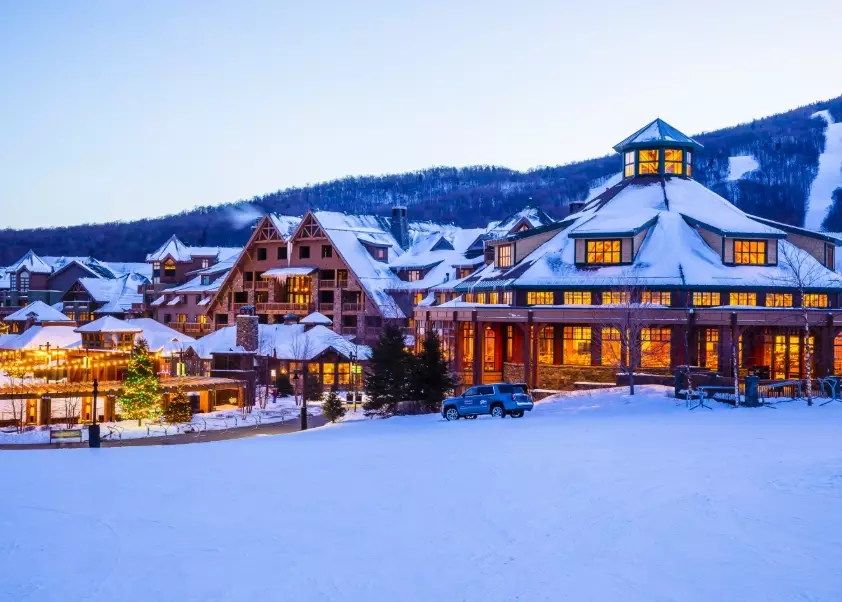
Timing is Everything
January-March is peak season for snow reliability. February is packed with holidays. For better deals and (sometimes) great snow, target early December or late March/April. I once scored a powder week in Taos in early April—empty slopes, sunny skies, and soft snow.
Lodging: On-Mountain vs. Town
Ski-in/ski-out is glorious but costs a premium. Staying in a nearby town (like Frisco for Colorado resorts or Bellingham for Mt. Baker) saves money but adds a daily drive. That drive on mountain roads in a snowstorm is a skill and a stressor. For a first trip, the convenience of being on-site is worth the splurge.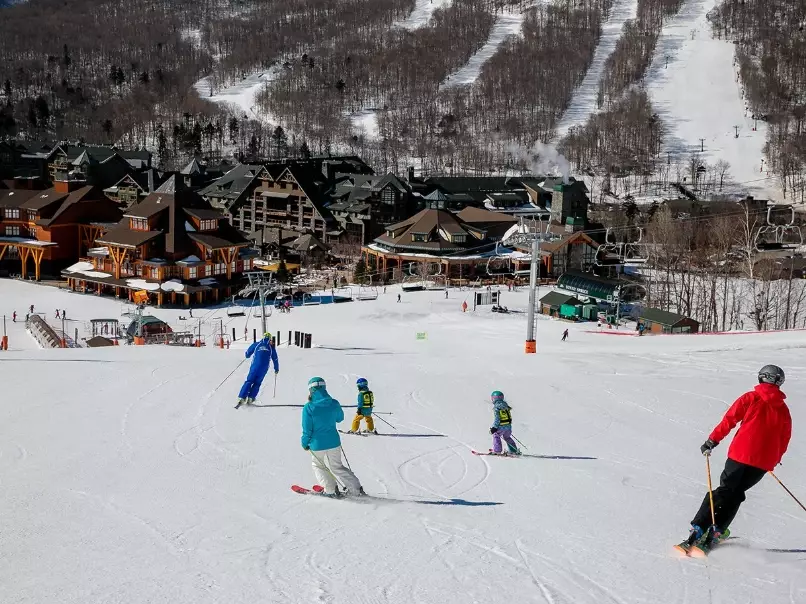
A Sample 7-Day Colorado Itinerary
Day 1-2: Denver & Acclimatization. Fly into DEN. Stay in Denver or Georgetown. Rent gear here (cheaper). Hydrate like crazy.
Day 3-5: The Resort. Drive to your chosen resort (e.g., Breckenridge). Check in, get your lift tickets. Day 1: Stick to green/blue runs to get your legs and adjust to altitude. Day 2-3: Explore more.
Day 6: Explore a Nearby Town. Drive to a historic mining town like Leadville or Idaho Springs for a low-key day.
Day 7: Travel Home. Allow extra time for the drive back to Denver; I-70 traffic is legendary.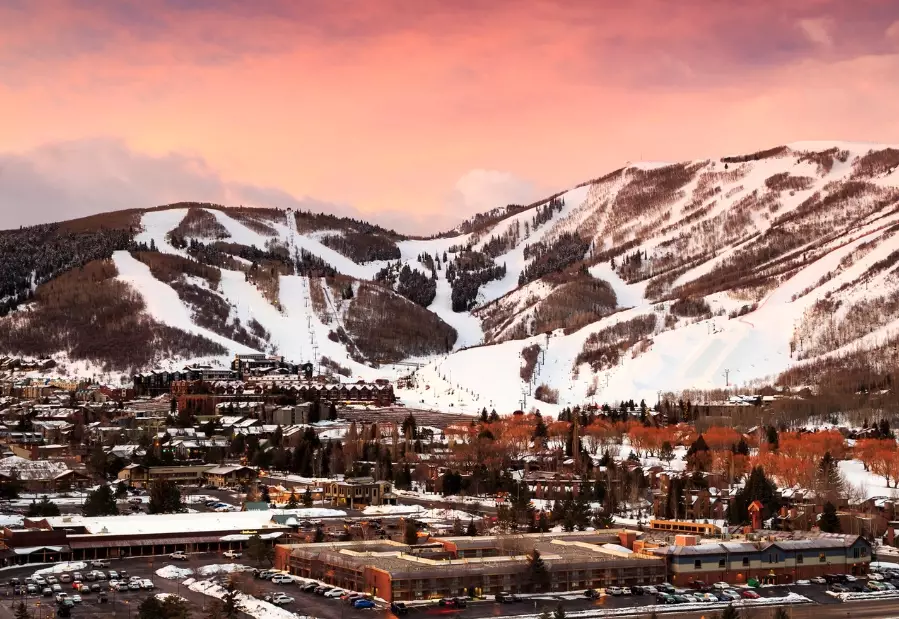
Ski Trip Questions, Answered Honestly
The perfect American ski resort is out there. It might be the iconic giant you've always dreamed of, or a quirky, challenging hill you've never heard of. Use this guide as a starting point, but remember—the best mountain is the one that gets you excited to click into your bindings, wherever that may be.
Related Articles
Comments
Join the discussion