Let's get this out of the way first: there's no single "best" ski resort in the world. Anyone who tells you that is selling you a postcard. A great ski resort for a family with young kids is a nightmare for a hardcore backcountry seeker, and vice versa. I've spent over a decade chasing snow across three continents, from the packed slopes of the Alps to the deep powder of Japan, and I've made every booking mistake in the book. The real secret? Matching the mountain to your personal trip goals, not just its Instagram fame.
Your Quick Guide to Finding the Best Slopes
What Actually Makes a Ski Resort "Great"?
Forget the marketing brochures. You need to judge a resort on four pillars: terrain, snow, vibe, and convenience. Get these right, and you'll have a fantastic time.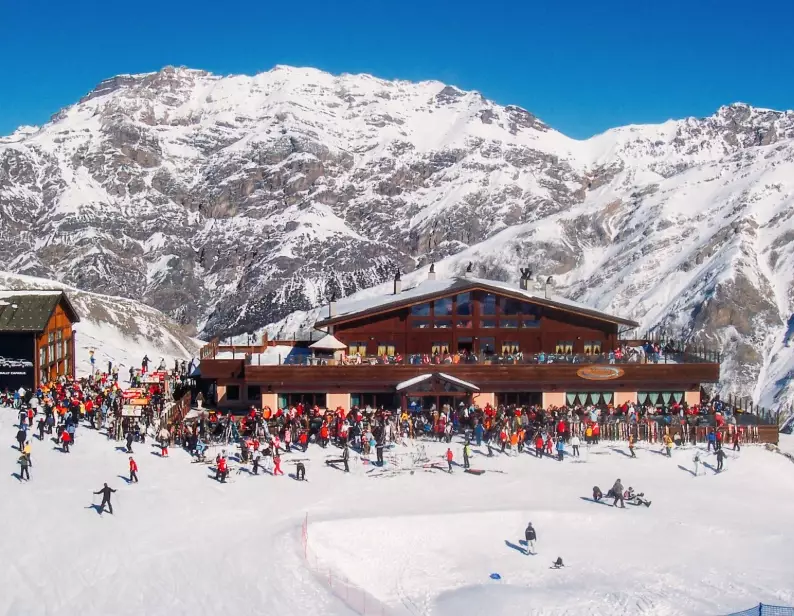
Terrain: The Mountain's Personality
This is the most important factor. A resort's terrain is its soul. You need to ask: does it match my ability and ambition? A great resort has a balanced spread. Look for stats like skiable acreage and the percentage of runs dedicated to each difficulty level (green, blue, black, double black). A resort with 80% expert terrain might be legendary, but it's miserable for intermediates.
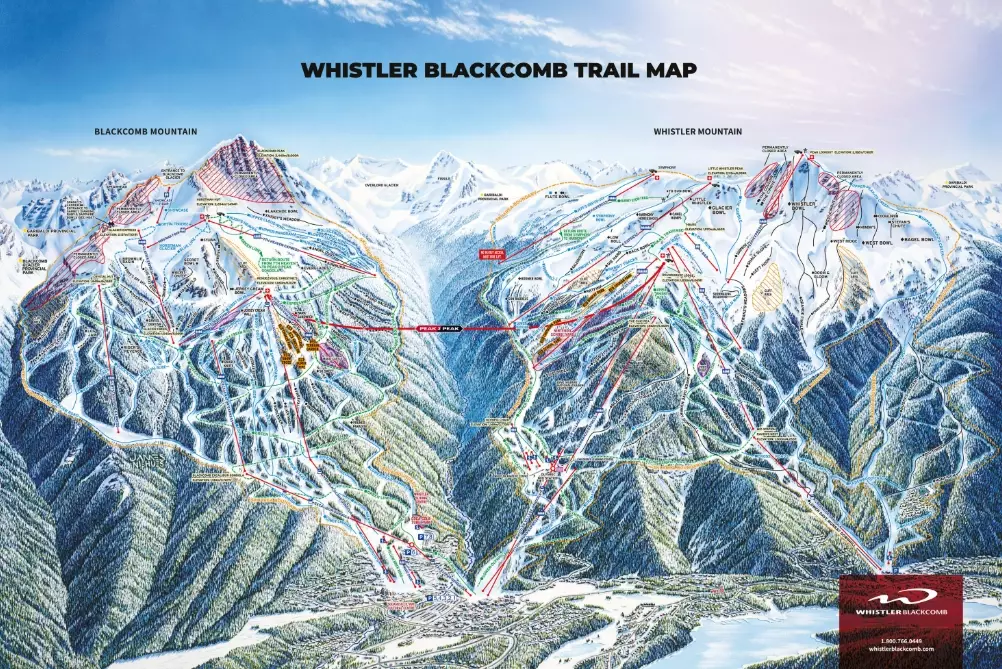
Here's a pro tip most miss: vertical drop matters, but so does how that vertical is laid out. A 3,000-foot vertical of consistent, groomed cruiser is heaven for some. Others want that same drop littered with cliffs and chutes. Check the trail map not just for difficulty, but for variety. Can you do a long, scenic run from top to bottom? Are the fun intermediate areas isolated, or spread out?
Snow: Reliability vs. Legendary Dumps
Snow quality isn't just luck. Resorts in certain regions have more reliable snow. The Rockies in North America and the Japanese Alps are famous for consistent, light powder. The European Alps can offer massive snowfall years, but also warmer, wetter spells. Always check the average annual snowfall and the snowmaking coverage. A resort with 50% snowmaking can guarantee a good base even in a lean season.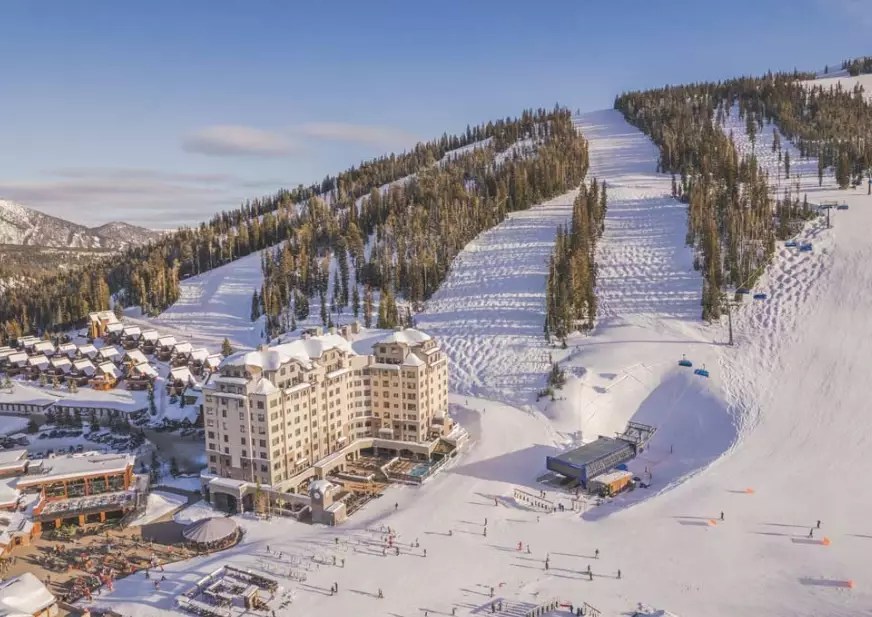
Vibe & Convenience: The Off-Slope Experience
Are you here to ski from first chair to last lift, then crash? Or do you want a vibrant apres-ski scene, great restaurants, and shopping? A resort's base village dictates this. North American resorts like Vail or Whistler are full-scale, car-free towns. Many European resorts are integrated into existing historic villages (think Chamonix or St. Anton), which can feel more authentic but may require buses or cars to get around.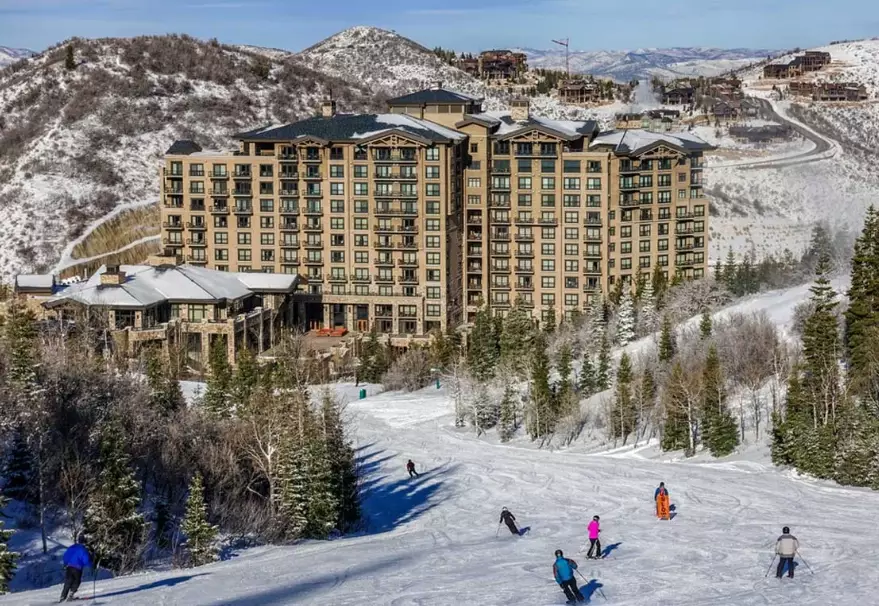
Convenience is huge for families. Ski-in/ski-out access is a game-changer but costs a premium. Free and efficient shuttle bus systems are the next best thing. Check resort maps for shuttle routes—some are fantastic, others are an afterthought.
Top Contenders Around the World
Based on the pillars above, here are some consistently top-rated ski resorts that excel in different categories. This isn't just a list; it's a matchmaking service.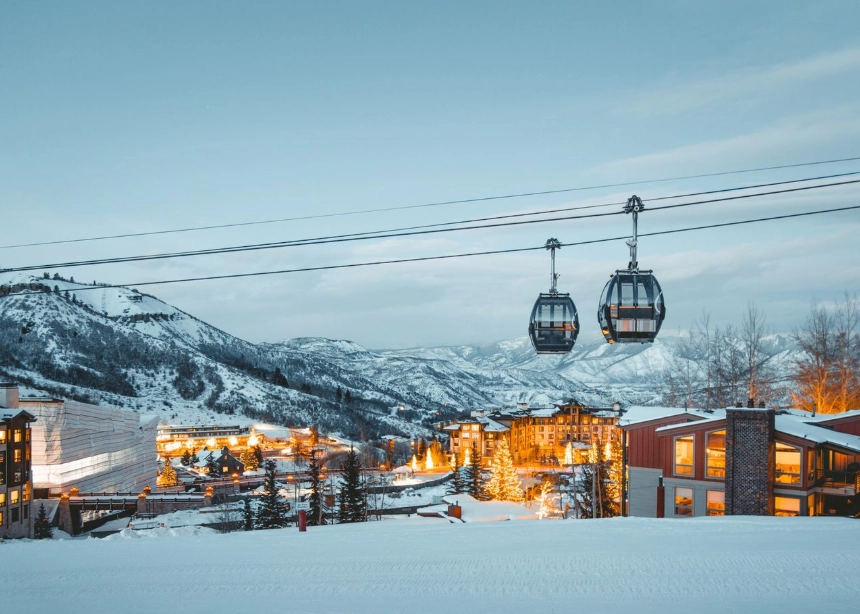
| Resort & Location | Terrain Vibe | Best For | Lift Ticket (Avg. Day) | Key Consideration |
|---|---|---|---|---|
| Whistler Blackcomb, Canada | Massive, diverse, legendary alpine bowls. | Advanced riders, long trips, groups with mixed abilities. | $150-$180 CAD | Can be crowded. Village is huge with tons of amenities. |
| Vail, Colorado, USA | Vast, mostly intermediate-friendly with famous back bowls. | Families, intermediates, luxury seekers. | $250-$280 USD | Extremely expensive. Go mid-week if possible. |
| Zermatt, Switzerland | High-altitude, reliable snow, stunning Matterhorn views. | Scenery lovers, reliable early/late season skiing, gourmands. | $90-$110 CHF | Car-free village (train access). Connects to Italy's Cervinia. |
| Niseko United, Japan | Unbelievable light powder (Japow), tree skiing. | Powder hounds, unique cultural experience. | $80-$100 USD | Weather can be stormy with low visibility. Onsen (hot springs) are a must. |
| Park City, Utah, USA | Huge interconnected area (Park City + Canyons). Varied terrain. | Convenience (45 min from SLC airport), groups, intermediates. | $250-$270 USD | Part of the Epic Pass. Historic Main Street is a major draw. |
Whistler Blackcomb is the king of scale. Two mountains connected by a peak-to-peak gondola. You can ski for a week and not cover it all. The village feels like a bustling city, which is great for nightlife, less great if you seek solitude.
Vail's Back Bowls are as good as they say—wide open, sun-drenched, and perfect for carving big turns. But let's be honest, the front-side can feel like a highway on a Saturday. The investment here is staggering.
Zermatt offers something unique: year-round skiing on the glacier and a connection to Italy. You can have raclette for lunch in Switzerland and pizza for dinner in Cervinia, all on one ski pass. The altitude guarantees snow when other places are struggling.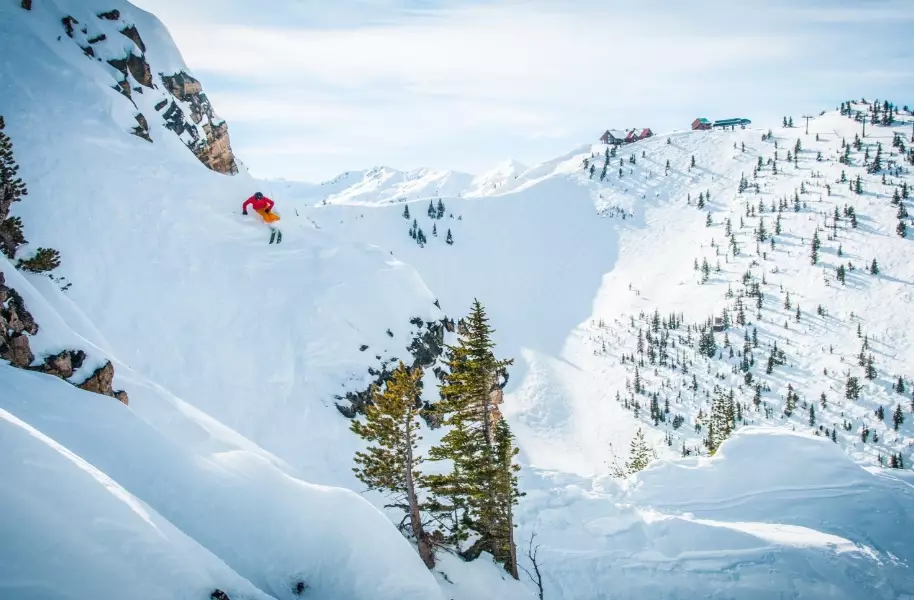
Under-the-Radar Gems Worth Your Time
The famous names get crowded. If you hate lift lines and love discovering authentic spots, consider these.
Revelstoke, British Columbia, Canada: This is for the skier who prioritizes terrain above all else. The vertical drop is North America's largest at 5,620 feet. The town is no-frills, functional, and full of passionate locals. You come here to ski hard, not to shop. The cat-skiing and heli-skiing operations nearby are world-class.
Grandvalira, Andorra: A massive, modern resort in a tiny, tax-friendly Pyrenees country. It's surprisingly extensive, with great intermediate cruising and a fun, affordable apres-ski scene. It's a favorite for Europeans looking for value. Flights into Toulouse, France, or Barcelona, Spain, are easy.
Hakuba Valley, Japan: While Niseko gets the headlines, Hakuba (host of the 1998 Olympics) offers a different Japanese experience. It's a valley of interconnected resorts, each with its own character. You get the incredible Japanese powder, but with more varied terrain and a less internationalized vibe than Niseko. The town is more spread out, requiring a bus or car.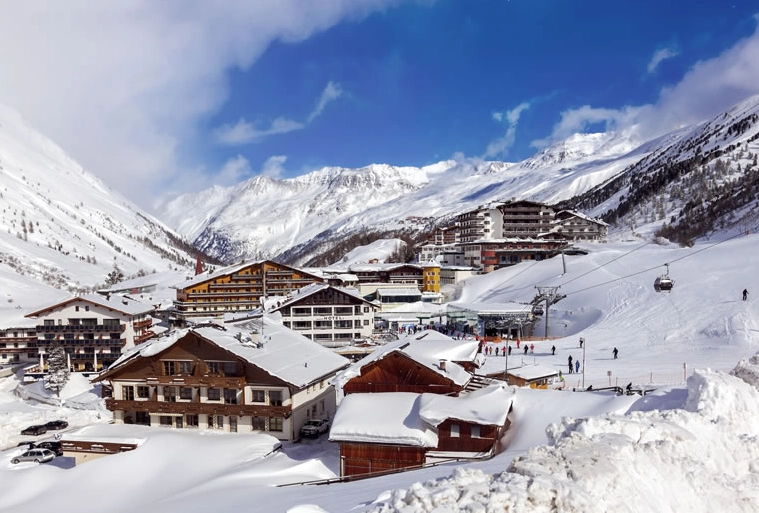
Putting It All Together: Planning Your Trip
Knowing the resorts is half the battle. Making it happen is the other.
Budget Realistically: Lift tickets are just the start. Factor in rentals ($40-$60/day), lessons ($100-$200/day), food ($20-$40 for a mountain lunch), and transport. Accommodation is the big variable. A condo with a kitchen can save you a fortune on meals.
Timing is Everything: January to March is peak season for snow reliability. Late March and April offer longer, sunnier days and often softer snow ("spring skiing"), but lower elevations can get slushy. Early December and late April are bargain seasons but come with snow risk.
Lift Pass Strategy: Never buy a day pass at the window if you're skiing multiple days. Multi-day passes at the resort are always cheaper. Also, research multi-resort passes like the Ikon Pass or Epic Pass. If you plan two trips a year, they can pay for themselves instantly and force you to explore new mountains.
Getting There: Proximity to a major airport is a huge convenience factor. Resorts like Salt Lake City (SLC) in Utah or Innsbruck (INN) in Austria put you on the slopes within an hour of landing. More remote gems require long drives or additional small flights—factor that time and cost in.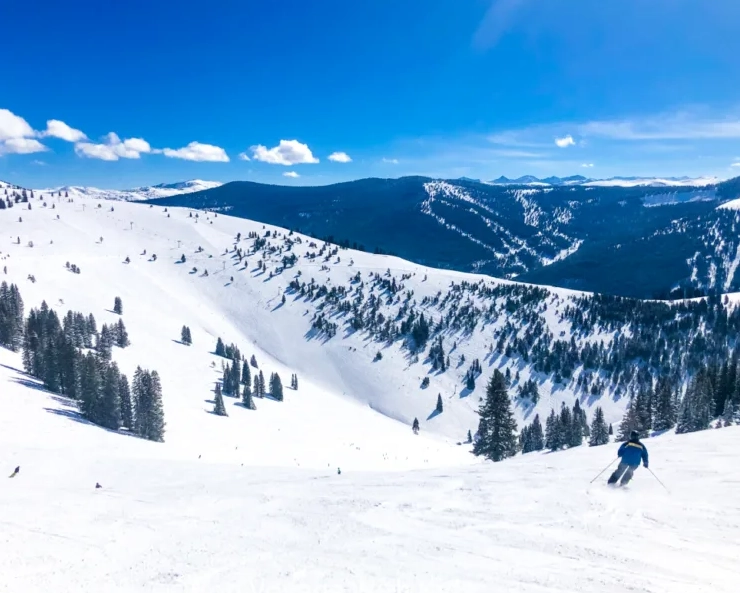
Answers to the Questions You're Actually Asking
The bottom line? A great ski resort isn't defined by a magazine ranking. It's the one that fits your skill, your style, and your idea of a perfect winter day. Do your homework on the terrain, be honest about what you want off the slopes, and plan for the hidden costs. Your dream ski trip is out there—it just might not be the one everyone's talking about.
Related Articles
Comments
Join the discussion