For skiers and snowboarders, size matters. But it's not just about bragging rights. A massive ski resort means more terrain to explore, less chance of getting bored, and a higher likelihood of finding your perfect run, whether it's a gentle cruiser or a heart-pounding couloir. When we talk about the "biggest" ski resorts, we're primarily measuring skiable acreage or kilometers—the total area covered by lifts and groomed or patrolled off-piste terrain. It's the most objective way to compare these winter playgrounds. Forget the marketing hype; this list is based on the hard numbers of connected terrain you can actually slide on.
Here’s the thing most lists don't tell you: a huge resort area can be a blessing and a curse. It offers endless variety, but it can also mean long, frustrating traverses between sectors or a feeling of being lost if you don't plan your day. I've spent over a decade chasing powder across these mega-resorts, and I've learned that navigating them efficiently is a skill in itself.
Your Quick Mountain Guide
The Definitive List: Top 20 Biggest Ski Areas on the Planet
This table ranks the resorts by their advertised skiable terrain in kilometers. Remember, measurement methods can vary slightly, but this gives you the definitive pecking order. I've included key stats to help you compare at a glance.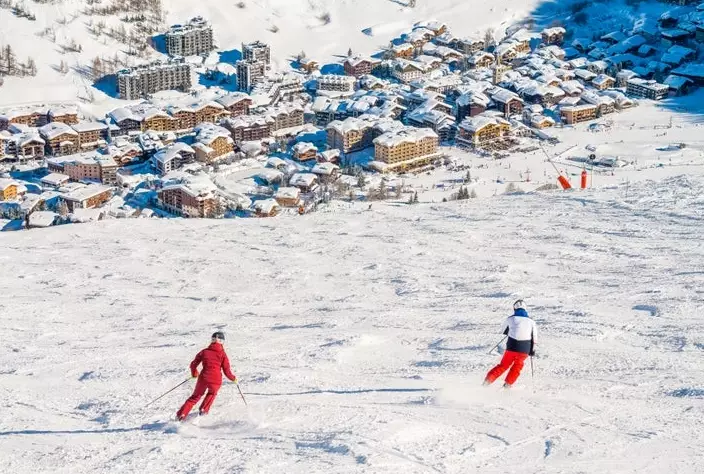
| Rank | Resort Name | Country | Skiable Terrain (km²) | Vertical Drop (m) | Lifts |
|---|---|---|---|---|---|
| 1 | Les 3 Vallées (Courchevel, Méribel, Val Thorens, etc.) | France | ~600 | 2,000+ | 180+ |
| 2 | Portes du Soleil (Avoriaz, Les Gets, Morzine, etc.) | France/Switzerland | ~580 | 1,900+ | |
| 3 | Ski Arlberg (St. Anton, Lech, Zürs) | Austria | ~305 | 1,350 | |
| 4 | Espace Killy (Val d'Isère, Tignes) | France | ~300 | 1,900 | |
| 5 | 4 Vallées (Verbier, Nendaz, etc.) | Switzerland | ~410 | 2,000+ | |
| 6 | Paradiski (Les Arcs, La Plagne, Peisey-Vallandry) | France | ~425 | 2,000 | |
| 7 | Via Lattea (Milky Way: Sestriere, Sauze d'Oulx, etc.) | Italy/France | ~400 | 1,400 | |
| 8 | Dolomiti Superski (12 areas like Cortina, Val Gardena) | Italy | ~1,200* | Varies | |
| 9 | Whistler Blackcomb | Canada | ~81 | 1,609 | |
| 10 | Vail Mountain | USA | ~53 | 1,055 | |
| 11 | Park City Mountain | USA | ~73 | 1,020 | |
| 12 | Grandvalira (Andorra) | Andorra | ~210 | 930 | |
| 13 | Sölden | Austria | ~148 | 1,500 | |
| 14 | Ischgl-Samnaun | Austria/Switzerland | ~239 | 1,400 | |
| 15 | Zermatt-Cervinia | Switzerland/Italy | ~360 | 2,300+ | |
| 16 | KitzSki (Kitzbühel, Kirchberg) | Austria | ~185 | 1,200 | |
| 17 | SkiWelt Wilder Kaiser-Brixental | Austria | ~280 | 1,300 | |
| 18 | Saalbach Hinterglemm Leogang Fieberbrunn | Austria | ~270 | 1,300 | |
| 19 | Grand Massif (Flaine, Samoëns, etc.) | France | ~265 | 1,500 | |
| 20 | Alta Badia (part of Dolomiti Superski) | Italy | ~130 | 1,100 |
*A note on Dolomiti Superski: Its 1,200km² figure is unique. It's a consortium of 12 separate ski areas connected by a single lift pass and a bus network, not one continuously ski-able domain like the French mega-resorts. It's massive in a different way—offering incredible variety across a region, but requiring transport between bases.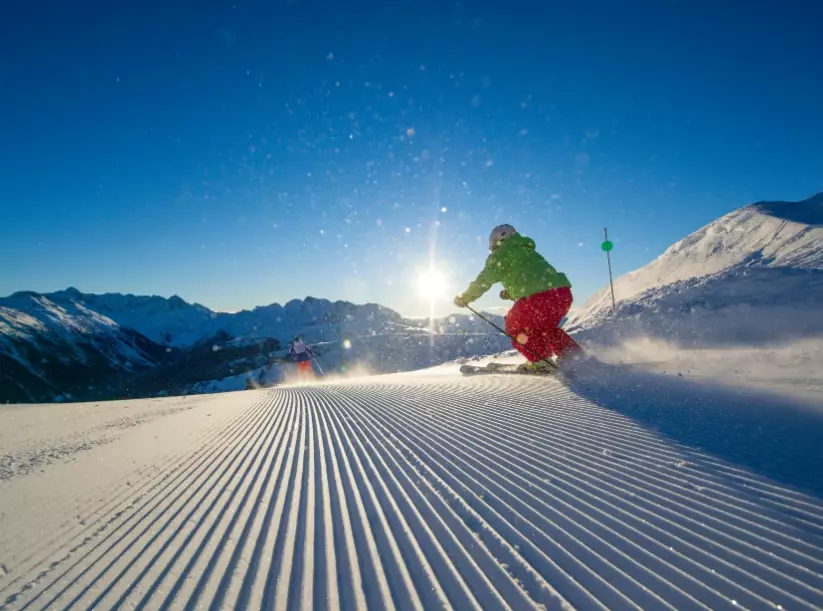
Local Insight: Don't get hypnotized by the biggest number. The #1 resort, Les 3 Vallées, is undeniably vast, but its terrain is split across distinct valleys. To ski from Courchevel to Val Thorens and back in a day requires serious pace and planning, not just hopping on a lift. The true magic of these places is in picking a home valley and exploring it deeply.
Beyond the Numbers: What Makes Each Giant Unique
The table tells you the "what," but not the "why." Here’s a deeper dive into the character of these colossal ski areas. I'll focus on a few standouts to show you how they differ beyond sheer scale.
Les 3 Vallées: The Undisputed King
It's not just big; it's sophisticated. You have the glitz of Courchevel (1850), the charming wooden chalets of Méribel, and the high-altitude, snow-sure reliability of Val Thorens (Europe's highest resort). The skiing is incredibly diverse. Beginners have massive, gentle areas like the Plateau above Val Thorens. Experts seek out the couloirs off the Grand Couloir lift in Courchevel or the off-piste Mecca around La Masse in Val Thorens. Getting around requires studying the piste map the night before. A common mistake? Starting in Courchevel and trying to get to Val Thorens for lunch—you'll spend most of your day on lifts and traverses.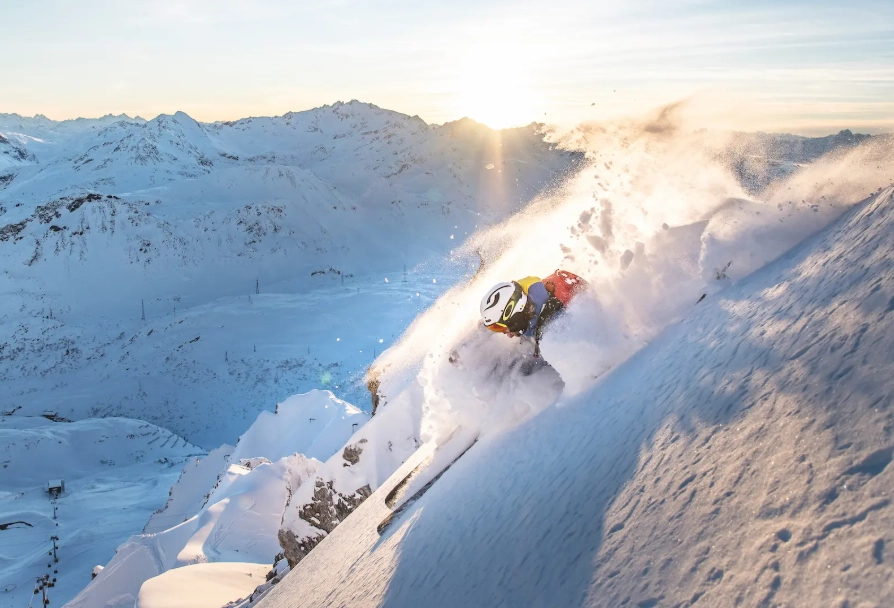
Portes du Soleil: The Border-Hopping Playground
This Franco-Swiss giant feels more relaxed and spread out than the 3 Vallées. The standout here is Avoriaz, a purpose-built, car-free resort with architecture that's either iconic or dated, depending on your taste. The skiing is fantastic for intermediates, with long, scenic runs connecting villages. The highlight is the infamous "Swiss Wall" run from Châtel into Switzerland—a steep, mogul-filled descent that's a rite of passage. The vibe is more family-friendly and accessible than the glitzier French resorts.
Ski Arlberg: The Birthplace of Alpine Skiing
Where size meets soul. St. Anton is legendary for its challenging terrain, deep snow, and raucous après-ski. The linking of St. Anton with the more exclusive Lech and Zürs created a monster area. The Flexenpass area connecting them is expert terrain. Lech offers more refined, open-bowl skiing and is a favorite of royalty. The Arlberg isn't the easiest to navigate—expect some t-bars and steep connectors—but that's part of its charm. It feels earned.
Whistler Blackcomb: The North American Powerhouse
While its acreage seems modest compared to the European giants, don't be fooled. The vertical drop and the sheer variety of terrain packed into those 8,100 acres is staggering. You have the high-alpine, glacier skiing of the Peak Chair on Whistler, the endless groomers of Symphony Bowl, and the steep, tree-lined chutes of Blackcomb's Spanky's Ladder. The village is a massive, vibrant hub with incredible dining. The snow quality (often heavy Pacific cement) is different from light European powder, but the experience is world-class.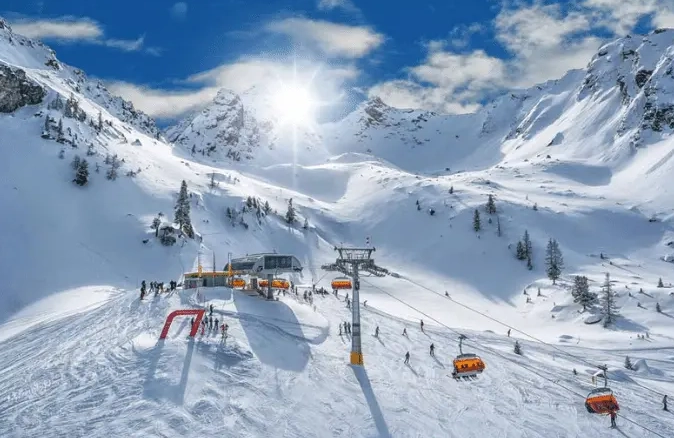
How to Choose Your Mega-Resort: It's Not Just About Acres
Picking from these giants can be paralyzing. Here’s how to break it down based on what you actually want from your trip.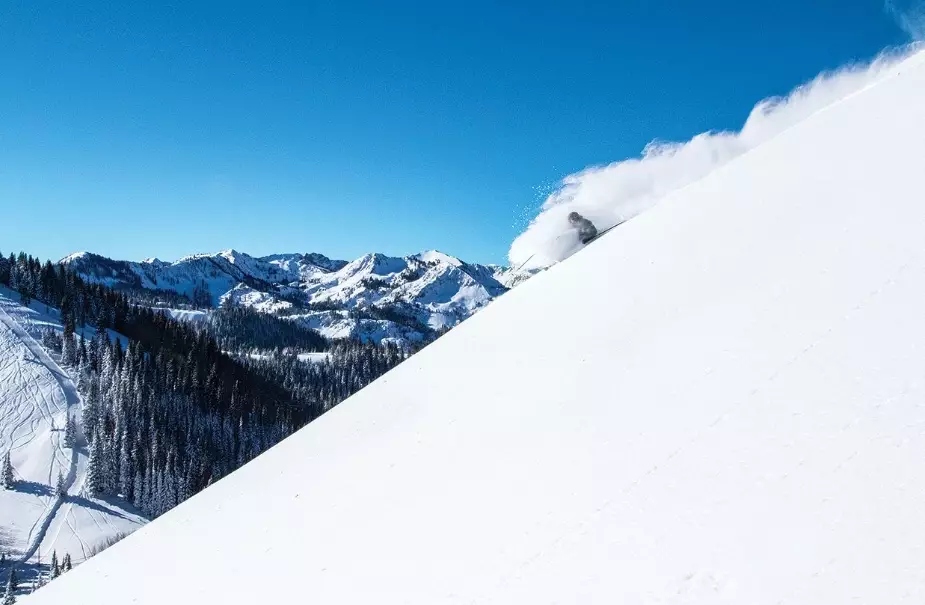
- For Experts & Off-Piste Junkies: Look at Ski Arlberg (St. Anton) and Espace Killy (Val d'Isère). Their reputations are built on challenging, lift-accessed off-piste and steep in-bounds terrain. The 4 Vallées (Verbier) is also a classic for experts, with its iconic itineraries like the Tortin.
- For Intermediates & Mileage Seekers: Les 3 Vallées, Paradiski, and Portes du Soleil are paradise. You can cruise for days without repeating a run. The Austrian areas like SkiWelt and Saalbach are also intermediate heaven with impeccable grooming.
- For Families: Consider Grandvalira in Andorra (great value), SkiWelt in Austria (easy, interconnected villages), or Les Arcs within Paradiski (great beginner zones and pedestrian-friendly design).
- For Reliable Snow & High Altitude: Val Thorens (3 Vallées), Tignes (Espace Killy), and Zermatt are your best bets. Zermatt's connection to Cervinia gives you a south-facing option if the north side is stormy.
- For Village Charm & Atmosphere: The Austrian resorts (Kitzbühel, St. Anton, Lech) and Swiss villages like Zermatt or Verbier offer more traditional alpine charm than some purpose-built French resorts.
My personal, non-consensus take? Beginners often make the mistake of booking a huge resort thinking "more options." But navigating a massive area can be intimidating and tiring. A large, well-designed beginner zone within a smaller resort is often a better, less stressful experience.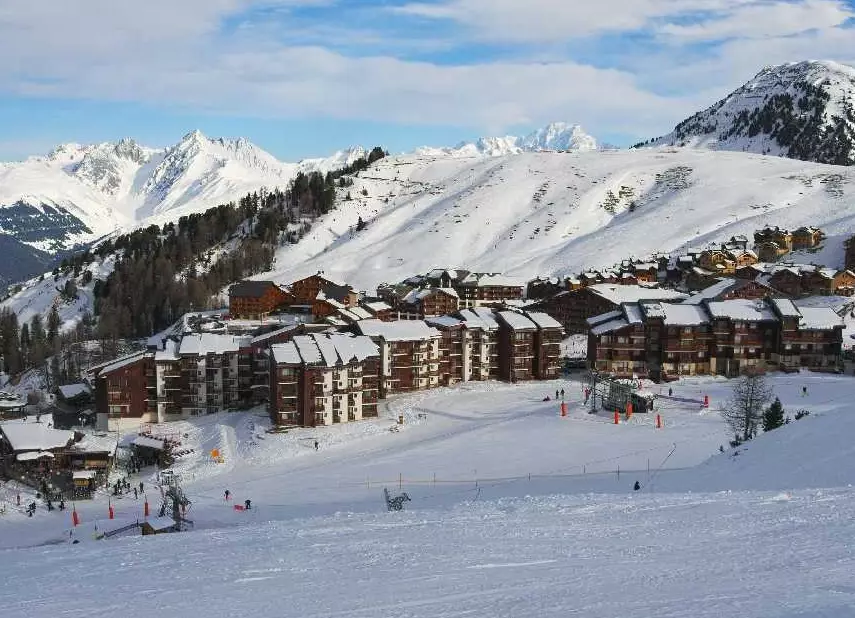
Your Mega-Resort Questions, Answered by a Seasoned Skier
The world's largest ski resorts are engineering marvels and offer an unparalleled winter experience. Whether you're drawn to the chic slopes of Courchevel, the legendary powder of St. Anton, or the sprawling peaks of Whistler, understanding what lies beyond the headline number is key to planning your ultimate ski trip. Now, go study those trail maps.
Related Articles
Comments
Join the discussion