Let's get this out of the way first. Yes, you can absolutely ski in Chile during the Northern Hemisphere's summer. While your friends are sweating in July and August, you could be carving turns on pristine Andean snow. It's not a myth or some tiny glacier patch—it's a full-fledged, world-class ski season. I've done it multiple times, and it still feels like a cheat code. But planning a summer ski trip to Chile isn't just booking a flight to Santiago. There are nuances, timing is everything, and the experience varies wildly between resorts.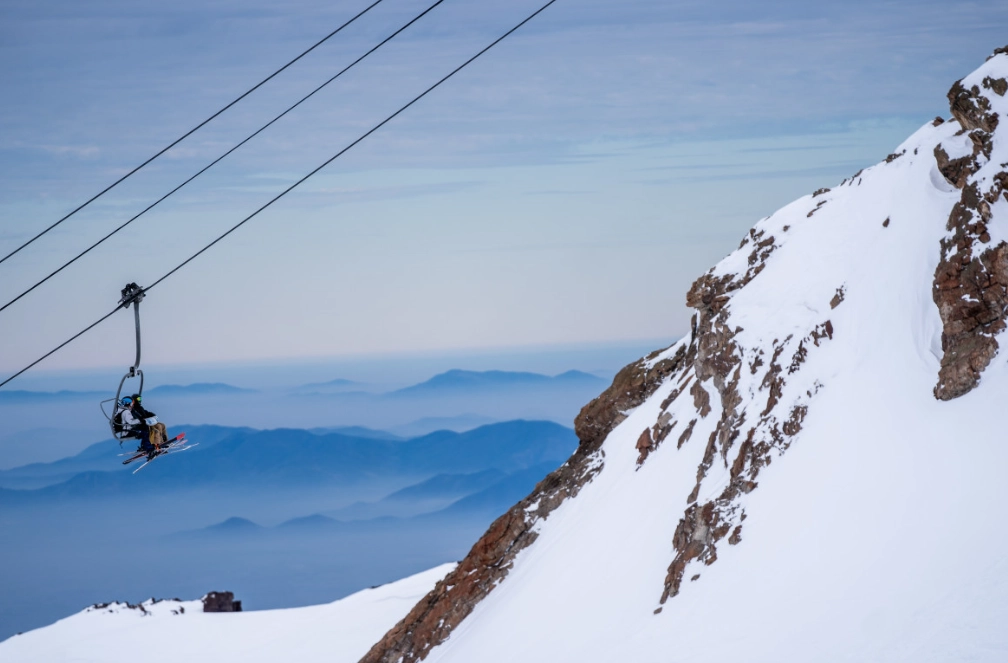
Your Quick Guide to Summer Skiing in Chile
Why Chile is the King of Summer Skiing
Geography is destiny. The Andes mountains run like a spine down Chile, creating some of the highest ski areas in the Southern Hemisphere. When it's summer in North America and Europe, it's winter down south. But it's more than just flipped seasons.
The snowpack here is famously dry and light, thanks to cold air masses coming from the Pacific and the Antarctic. You'll hear the term "Champagne Powder" used in Portillo, and it's not just marketing. I've had days in late August with knee-deep, blower powder that rivals anything in Utah or Japan. The season typically runs from mid-June to early October, with the peak snow conditions and most reliable coverage from late July through September.
A Quick Reality Check
Don't expect all resorts to be 100% open on June 21st. Early season (June) can be hit or miss, with lower elevations sometimes struggling. The true, guaranteed summer skiing window is July, August, and the first half of September. By late September, the sun gets stronger, and the snow starts to transition to spring conditions—still fun, but different.
Top Chilean Ski Resorts for Summer: A Detailed Guide
Not all resorts are created equal for a summer trip. Your choice depends on what you're after: legendary terrain, convenience, or a specific vibe. Here’s the breakdown from my experience.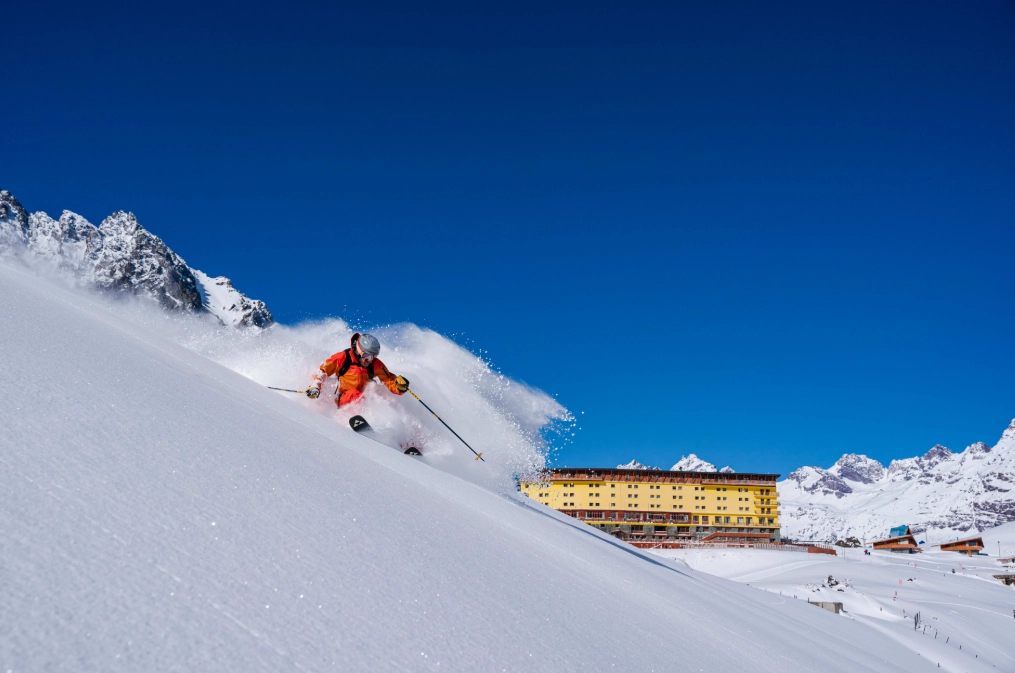
1. Portillo: The Legend
Portillo isn't just a ski resort; it's an institution. It's the one you see in all the epic ski films. Located about 2 hours northeast of Santiago, its iconic yellow hotel sits beside Laguna del Inca. The terrain is steep, lift-served, and utterly spectacular. What most guides don't tell you is that its high base elevation (over 9,000 feet) and north-facing aspects mean it holds snow incredibly well but can get firm in the mornings. The magic happens after the sun softens it up.
- Address: Ruta 60, Los Andes, Valparaíso Region. It's past the Los Libertadores border crossing to Argentina.
- Lift Ticket (2024 Season Estimate): Around CLP 70,000 - 85,000 per day (approx. $75-$90 USD). Multi-day packages with lodging are the norm.
- Typical Summer Season: Mid-June to early October.
- Key Info: It's a hotel-club model. Most visitors stay onsite for a week (Saturday to Saturday). Day tickets are limited and not always available, so planning is crucial. Check the official Portillo website for packages.
The vibe is old-school, social, and incredibly international. You'll share the legendary Roca Jack run with Olympic athletes and ski bums alike.
2. Valle Nevado & The Three Valleys
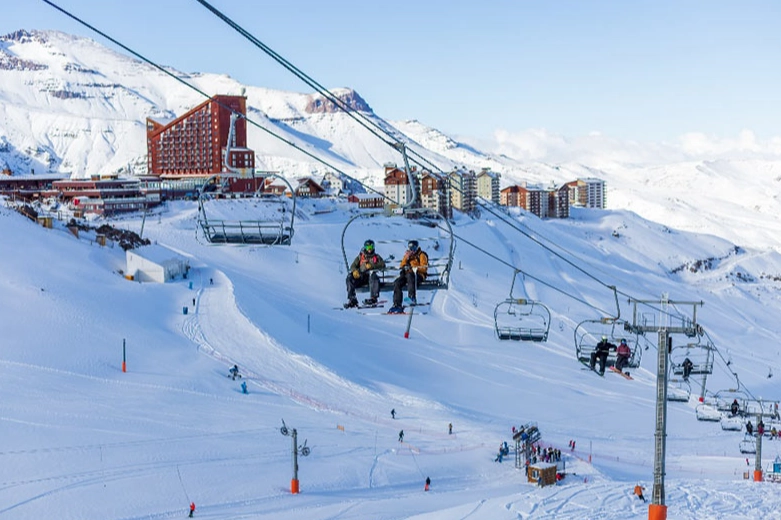
Think European-style skiing, but in the Andes. Valle Nevado is a massive, modern resort complex about 1.5 hours from Santiago. It's part of the "Tres Valles" (Three Valleys) along with La Parva and El Colorado. Your lift ticket typically gives access to all three, offering a huge amount of terrain.
- Address: Camino Farellones 1800, Lo Barnechea, Santiago Metropolitan Region.
- Lift Ticket (2024 Estimate): CLP 65,000 - 80,000 per day (approx. $70-$85 USD). Look for online deals.
- Typical Summer Season: Mid-June to early October.
- Key Info: This is the most accessible major resort area. You can stay in Santiago and do day trips, though staying on the mountain is recommended to avoid the winding road daily. The snowmaking here is extensive, which helps early and late in the season. The terrain is more intermediate-friendly than Portillo, with plenty of wide-open cruisers.
3. Other Notable Options
Nevados de Chillán: Way further south, near the city of Chillán. It's a volcano with natural hot springs at the base. The season runs a bit longer sometimes, and it gets more snowfall, but it's a 5-6 hour drive or a short flight from Santiago. It's a fantastic adventure if you have more time.
Corralco: Located in the Malalcahuello National Reserve, also on a volcano (Lonquimay). It's remote, rugged, and gets tons of snow. It's for the true explorer, not the first-time visitor to Chile.
| Resort | Best For | Proximity to Santiago | Peak Season Vibe | Terrain Style |
|---|---|---|---|---|
| Portillo | Expert skiers, iconic experience, community vibe | 2 hours drive | International, athletic, social | Steep, big-mountain, legendary chutes |
| Valle Nevado / 3 Valleys | Intermediates, families, convenience, extensive terrain | 1.5 hours drive | Busy, modern, resort-focused | Wide groomers, interconnected areas, park features |
| Nevados de Chillán | Adventure, powder, hot springs, longer trips | 1-hour flight + transfer | Relaxed, natural, getaway | Volcanic, tree-skiing, varied |
Planning Your Summer Ski Trip to Chile
This is where most people make their first big mistake: underestimating the logistics.
Getting There & Around
You'll fly into Santiago (SCL). From there, you have options. Renting a 4x4 or a car with good snow tires is highly recommended for Valle Nevado/La Parva/El Colorado. The road (Camino a Farellones) is steep, winding, and often requires chains. Many people opt for shared shuttles or private transfers—companies like Transvip or Dos Manos are reliable. For Portillo, transfers are almost essential unless you're very confident driving high-mountain passes.
When to Book
Book your lodging and transfers at least 3-4 months in advance, especially for Portillo. July and August are peak. Flights from the US or Europe can be booked a bit later, but good deals disappear fast.
Budget Considerations
Chile is not a cheap destination for skiing. Lift tickets are comparable to North American prices. On-mountain food and lodging can be expensive. Save money by eating some meals in Santiago, buying snacks in supermarkets, and looking for all-inclusive packages. A common strategy is to stay in the Providencia or Las Condes neighborhoods of Santiago for a night or two to acclimatize and stock up before heading to the mountains.
Essential Packing & Gear Tips for Summer Skiing
Packing for summer skiing is a mind-bender. You need winter gear for the mountain, but Santiago might be 80°F (27°C).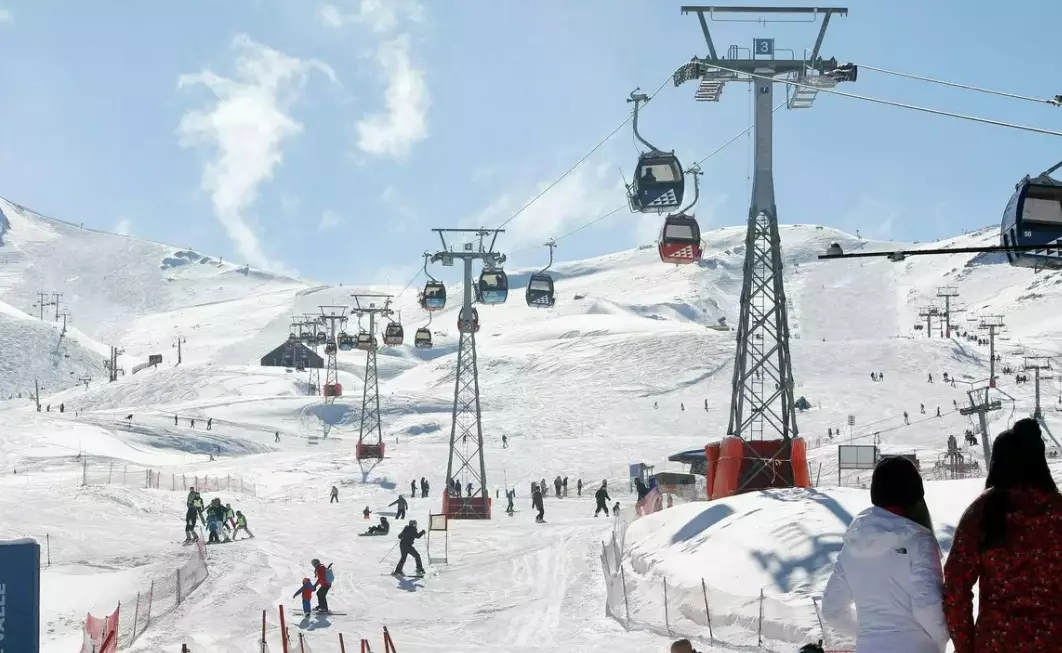
Sunscreen is your religion. I'm not talking SPF 30. Get SPF 50+ for your face, and don't forget your neck and lips. The Andean sun at high altitude is brutal. I learned this the hard way with a goggle tan so severe it lasted into fall.
Layers are key. Mornings can be bitterly cold, especially on the lifts. By midday, you might be skiing in a baselayer and a shell. A good system: moisture-wicking baselayer, a mid-layer fleece or lightweight puffy, and a waterproof shell. Bring a backpack to stash layers.
Gear: You can rent high-quality skis/boards at any major resort. If you bring your own, consider a all-mountain ski that can handle variable conditions—spring snow, crud, and the occasional powder day. Don't bother bringing rock skis expecting the worst; the grooming is generally excellent.
One non-consensus tip: bring two pairs of goggles if you can—one with a low-light lens and one with a sunny/day lens. The weather can change rapidly from bright sun to flat light with rolling clouds.
Your Summer Skiing Questions, Answered
Summer skiing in Chile is more than a novelty. It's a deeply rewarding experience that flips your annual ski rhythm on its head. The combination of incredible terrain, reliable snow, and a unique cultural setting makes it worth the journey. Just remember to book early, pack your sunscreen, and get ready for some of the most memorable turns of your life—while everyone back home is mowing their lawn.
Related Articles

Comments
Join the discussion